Emphysema Treatment: Symptoms, Causes, and Treatment Options

Emphysema is a long-term lung disease that damages air sacs and makes breathing harder. The most important step in emphysema treatment is avoiding tobacco smoke and other lung irritants.
Key Takeaways
- Emphysema is a long-term lung disease that damages air sacs and makes breathing harder.
- The most important step in emphysema treatment is avoiding tobacco smoke and other lung irritants.
- Treatment often combines inhalers, vaccines, pulmonary rehabilitation, exercise, and careful monitoring.
- Oxygen therapy, lung volume reduction procedures, or surgery may help selected patients with advanced disease.
- Early evaluation can improve symptom control and help prevent complications and exacerbations.
Emphysema treatment focuses on relieving symptoms, slowing further lung damage, and helping people stay active. While it cannot reverse destroyed air sacs, a personalized plan may include stopping smoking, inhaled medicines, pulmonary rehabilitation, oxygen therapy, and in some cases procedures or surgery.
Overview: what emphysema treatment involves
Emphysema treatment is designed to reduce breathlessness, improve exercise tolerance, lower the risk of flare-ups, and support quality of life. Emphysema is a form of chronic obstructive pulmonary disease (COPD) in which the tiny air sacs in the lungs, called alveoli, become damaged and lose elasticity. This makes it harder to move air out of the lungs, so breathing may feel slow, shallow, or labored.
Although emphysema cannot be cured and damaged air sacs do not grow back, treatment can still make a meaningful difference. Many people benefit from a combination of lifestyle changes, inhaled medications, pulmonary rehabilitation, vaccinations, and regular follow-up. The exact plan depends on symptom severity, lung function, smoking history, and whether the person has frequent exacerbations or low oxygen levels.
Because emphysema often overlaps with chronic bronchitis and other forms of COPD, diagnosis and treatment are usually individualized rather than one-size-fits-all. The goal is not only to treat symptoms on difficult days, but also to help protect remaining lung function and maintain independence over time.
Symptoms and how emphysema affects daily life
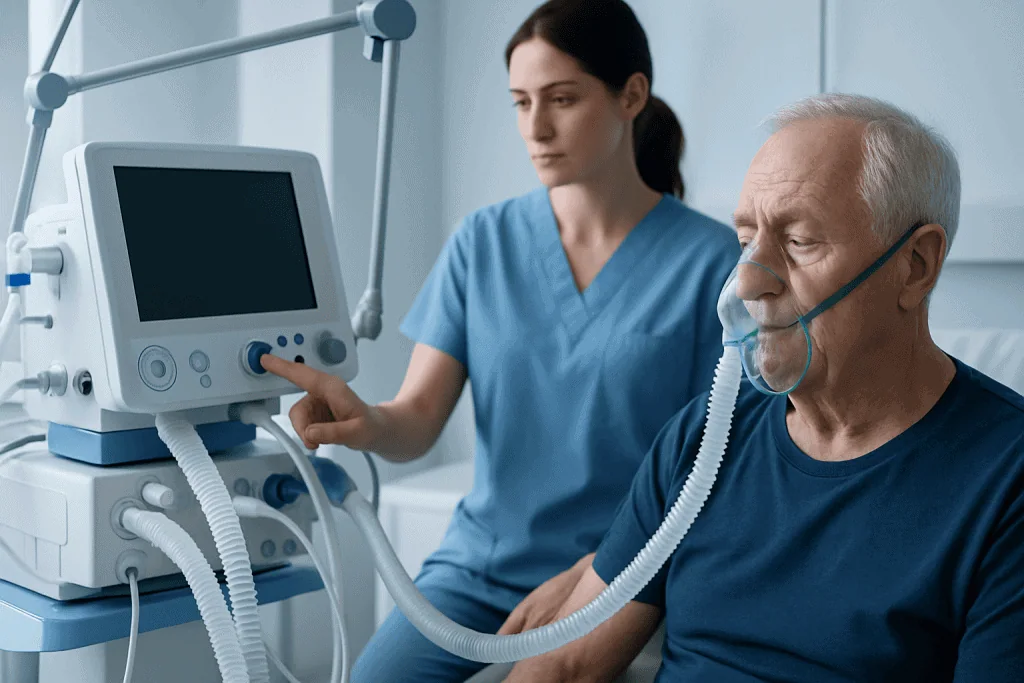
The most common symptom of emphysema is shortness of breath, especially during physical activity. At first, a person may notice breathlessness only when climbing stairs or walking uphill. Over time, routine tasks such as dressing, showering, or carrying groceries can become more tiring.
Other symptoms may include a chronic cough, wheezing, chest tightness, fatigue, and reduced exercise capacity. Some people describe a feeling of not being able to fully exhale. In more advanced disease, weight loss, poor appetite, and frequent chest infections may develop.
Symptoms may worsen gradually, which can make them easy to overlook. People sometimes adapt by becoming less active, but this can lead to deconditioning and even more breathlessness. A sudden increase in cough, sputum, wheezing, or shortness of breath may signal an exacerbation, which often needs prompt medical attention.
- Shortness of breath during activity or at rest
- Chronic cough or wheezing
- Fatigue and reduced stamina
- Frequent respiratory infections
- Unintended weight loss in later stages
Causes and risk factors
The leading cause of emphysema is long-term cigarette smoking. Tobacco smoke triggers inflammation and progressive damage in the lungs over many years. Even after symptoms appear, quitting smoking remains the most effective way to slow further injury.
Not everyone with emphysema has smoked. Long-term exposure to secondhand smoke, air pollution, biomass fuel smoke, chemical fumes, and occupational dust can also contribute. Risk tends to be higher in people who have repeated respiratory infections or who work in environments with poor air quality protection.
A less common cause is alpha-1 antitrypsin deficiency, an inherited condition that makes the lungs more vulnerable to damage. This may be suspected when emphysema develops at a younger age, in a person with little or no smoking history, or when there is a family history of lung or liver disease. Identifying this genetic cause matters because it can guide treatment and family counseling.
How emphysema is diagnosed
Diagnosis begins with a medical history and physical examination. A doctor asks about symptoms, smoking history, workplace exposures, prior lung infections, and activity tolerance. On examination, they may listen for reduced breath sounds, wheezing, or signs that the lungs are overinflated.
The main test used to confirm airflow limitation is spirometry, a breathing test that measures how much air a person can exhale and how quickly. Additional pulmonary function tests may show how well the lungs transfer oxygen into the blood. These tests help distinguish emphysema from asthma and other causes of breathlessness.
Imaging may also play a role. A chest X-ray can suggest overinflated lungs, while CT scan imaging can show the pattern and extent of emphysema in more detail, especially when procedures are being considered. Blood oxygen testing, exercise testing, and in some cases laboratory testing for alpha-1 antitrypsin deficiency may be recommended.
Treatment options: from inhalers to advanced care
Most emphysema treatment plans begin with smoking cessation, avoidance of lung irritants, and medicines to improve airflow. Inhaled bronchodilators are commonly used to relax the muscles around the airways and make breathing easier. Some people also benefit from inhaled corticosteroids, particularly if they have frequent exacerbations or overlapping airway inflammation. Medication plans should always be reviewed by a qualified clinician because needs can change over time.
Pulmonary rehabilitation is an important but often underused treatment. These structured programs combine supervised exercise, breathing techniques, education, energy-conservation strategies, and support for symptom management. For many people, rehab improves endurance and confidence even when lung function numbers stay the same. In selected patients, supportive pulmonary rehabilitation and therapy can be central to long-term care.
If blood oxygen levels are persistently low, oxygen therapy may be prescribed. For advanced emphysema, specialists may discuss additional options such as lung volume reduction procedures, endobronchial valves, or surgery in carefully selected cases. Some patients with severe disease are evaluated for lung transplant when other treatments no longer provide enough benefit. Management of related problems, such as infections, malnutrition, anxiety, or pneumonia, is also part of comprehensive care.
- Smoking cessation support and trigger avoidance
- Short-acting or long-acting inhalers
- Vaccinations to reduce infection risk
- Pulmonary rehabilitation and breathing training
- Oxygen therapy for qualifying patients
- Selected procedures or surgery for advanced cases
Prevention and self-care that support treatment
Self-care does not replace medical treatment, but it can make symptoms easier to manage. The single most important preventive step is to stop smoking and avoid secondhand smoke. Vaccination against influenza, COVID-19, and pneumococcal disease may help lower the risk of infections that can worsen lung function.
Regular physical activity, tailored to the person’s ability, helps maintain muscle strength and stamina. Many people also benefit from learning pursed-lip breathing and pacing techniques so daily tasks feel less exhausting. Eating balanced meals and maintaining a healthy weight are important, since both undernutrition and excess weight can make breathing more difficult.
Air quality also matters. Using protective equipment in dusty workplaces, improving ventilation at home, and checking local pollution levels can help reduce irritation. Some people find it useful to follow an action plan created with their doctor that explains what to do if symptoms suddenly worsen, which medicines to use, and when to seek urgent help.
When to seek medical care
A person should seek medical care if they have ongoing shortness of breath, a chronic cough, wheezing, or reduced ability to exercise. These symptoms can have several causes, and proper evaluation is needed to confirm emphysema and rule out other conditions such as asthma, heart disease, or infection. Early diagnosis can make treatment more effective and help prevent avoidable decline.
Urgent medical attention is important if breathing suddenly becomes much worse, if lips or fingertips look blue, if there is chest pain, confusion, high fever, or if a person cannot speak in full sentences because of breathlessness. These may be signs of an exacerbation or another serious problem requiring prompt assessment.
People living with emphysema should also contact their doctor if they notice more frequent flare-ups, new swelling in the legs, unexplained weight loss, or declining benefit from usual medicines. Near the end of the care pathway, multidisciplinary teams may help coordinate advanced treatment choices. Acibadem International’s multidisciplinary specialists and JCI-accredited hospitals diagnose and treat emphysema for international patients when more detailed evaluation or complex care is needed.
Frequently asked questions
Can emphysema be cured?
No. Emphysema causes permanent damage to the lung air sacs, so treatment cannot reverse the structural changes. However, a well-planned treatment program can reduce symptoms, improve daily function, and help slow further damage.
What is the best emphysema treatment?
There is no single best treatment for everyone. The most effective plan usually combines smoking cessation, inhaled medications, exercise-based pulmonary rehabilitation, vaccines, and regular follow-up. Some people with advanced disease may also need oxygen therapy or procedures.
Is emphysema the same as COPD?
Emphysema is one type of COPD. COPD is a broader term that includes emphysema and chronic bronchitis, and many people have features of both. Treatment is often guided by the overall COPD pattern rather than one label alone.
How do doctors know if someone has emphysema?
Doctors use symptoms, smoking or exposure history, physical examination, and breathing tests such as spirometry. Imaging, especially CT in selected cases, can show changes in the lungs and help assess severity. Additional tests may be done to check oxygen levels or look for inherited causes.
Can someone live a normal life with emphysema?
Many people continue to live active and meaningful lives with emphysema, especially when it is diagnosed early and managed consistently. Quitting smoking, staying physically active, taking medicines correctly, and preventing infections can make a substantial difference. The course varies from person to person.
When is oxygen therapy needed for emphysema?
Oxygen therapy is usually considered when blood oxygen levels stay below a safe range, either at rest, during sleep, or with activity. A doctor determines this using pulse oximetry or arterial blood gas testing. Oxygen should only be used under medical guidance.
References
- Global Initiative for Chronic Obstructive Lung Disease (GOLD)
- American Lung Association
- National Heart, Lung, and Blood Institute
- Centers for Disease Control and Prevention
- World Health Organization
This article is for general information only and is not a substitute for professional medical advice. Please consult a qualified doctor about your individual situation.
Emphysema in Turkey — costs, top hospitals & a free quote
JCI-accredited · board-certified surgeons · reply within 24h
Add us as a Preferred Source to see more of our trusted health content across Google Search, AI Overviews and Discover.