

Endometrial Biopsy: Why It Is Done and What the Results May Mean

An endometrial biopsy removes a small sample from the uterine lining for laboratory testing. It is often done to evaluate abnormal uterine bleeding, postmenopausal bleeding, infertility, or possible hormonal problems.
Key Takeaways
- An endometrial biopsy removes a small sample from the uterine lining for laboratory testing.
- It is often done to evaluate abnormal uterine bleeding, postmenopausal bleeding, infertility, or possible hormonal problems.
- Most biopsies are brief and done without general anesthesia, though cramping and light spotting are common afterward.
- Results may be normal or may show infection, hormonal effects, polyps, hyperplasia, or cancer.
- The test is helpful, but sometimes additional imaging or procedures are needed if symptoms continue.
An endometrial biopsy is a common office procedure that takes a small sample from the lining of the uterus. It can help explain abnormal bleeding, check for hormonal changes, and identify conditions such as endometrial hyperplasia or cancer.
Overview: What an Endometrial Biopsy Is
An endometrial biopsy is a procedure used to collect a very small tissue sample from the endometrium, the lining inside the uterus. The sample is examined under a microscope by a pathologist to look for changes in the cells and tissue structure. This can provide important information about why a person is having symptoms such as unusual bleeding or difficulty becoming pregnant.
The procedure is commonly performed in a gynecology clinic or outpatient setting. In many cases, it takes only a few minutes. A thin instrument is passed through the cervix into the uterus to gently remove a sample. Although the idea of a biopsy can sound worrying, it is a routine diagnostic test and does not always mean cancer is suspected.
Doctors usually recommend an endometrial biopsy when they need more information than symptoms, blood tests, or imaging alone can provide. It is especially useful because it directly evaluates the uterine lining rather than only showing its thickness or appearance. The results help guide the next steps in care, whether that means reassurance, medication, further testing, or treatment.
Why It Is Done
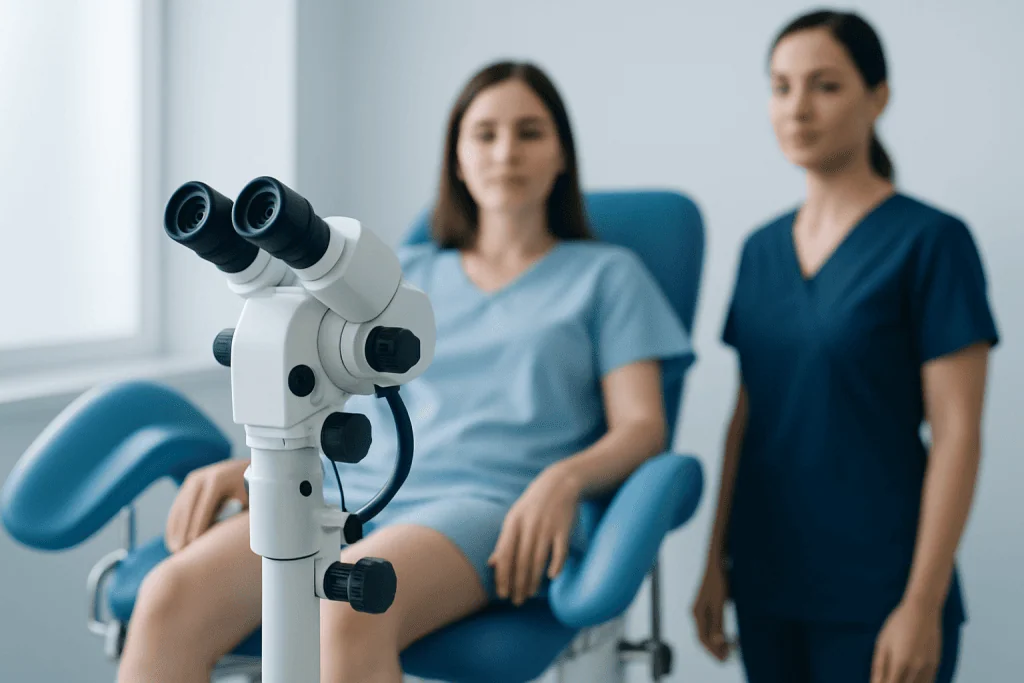
The most common reason for an endometrial biopsy is abnormal uterine bleeding. This can include very heavy periods, bleeding between periods, bleeding after menopause, or bleeding that is irregular or prolonged. Because the uterine lining responds to hormones and can also develop abnormal growth, a biopsy helps clarify the cause.
It may also be done as part of an evaluation for infertility, especially when doctors want to better understand how the endometrium is responding during the menstrual cycle. In some cases, it is used to investigate whether there is inflammation or infection of the uterine lining. It can also help assess the effects of hormone therapy or medications that affect the uterus.
Doctors may recommend this test when imaging shows a thickened endometrium, or when there are risk factors for abnormal cells, such as obesity, polycystic ovary syndrome, prolonged exposure to estrogen without progesterone, or a family history of certain cancers. A biopsy can help detect conditions ranging from benign hormonal changes to endometrial cancer or precancerous tissue changes.
What Symptoms or Situations May Lead to a Biopsy
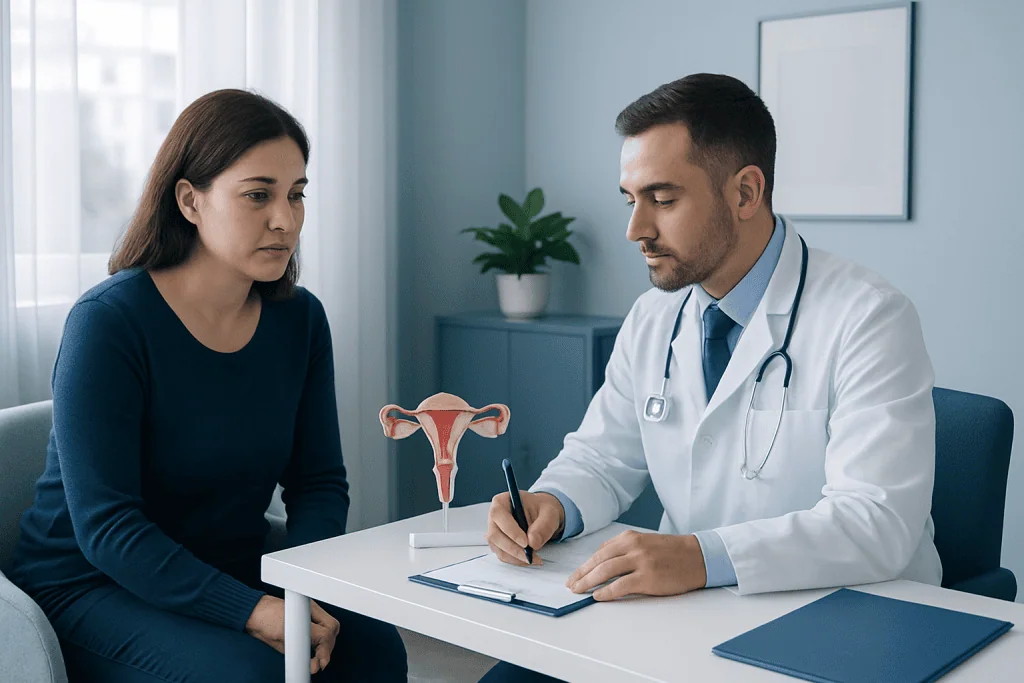
A doctor may consider an endometrial biopsy when a person reports symptoms that suggest the uterine lining needs closer evaluation. These symptoms do not automatically mean a serious problem is present, but they do deserve proper assessment. The biopsy is one of several tools used to find the reason.
- Bleeding after menopause
- Periods that are much heavier than usual
- Bleeding between periods
- Irregular cycles, especially in midlife
- Persistent spotting while taking hormone therapy
- Ultrasound showing a thickened uterine lining
- Possible infertility-related concerns
Sometimes the biopsy is recommended after other tests raise questions. For example, a pelvic ultrasound may suggest a thickened lining, polyp, or other abnormality, but it cannot always show the exact nature of the tissue. In these situations, a tissue sample can provide a more definite answer.
Biopsy may also be part of follow-up for known endometrial conditions, such as endometriosis-related symptom evaluation when bleeding patterns are atypical, although endometriosis itself is not diagnosed by endometrial biopsy. The doctor decides whether the test is appropriate based on age, symptoms, medical history, and exam findings.
How the Procedure Is Performed and What to Expect
Before the procedure, the doctor will review symptoms, menstrual history, medications, and pregnancy status if relevant. A pregnancy test may be needed in some cases because an endometrial biopsy is generally not done during pregnancy. The doctor may also explain when during the menstrual cycle the sample is best taken, depending on the reason for testing.
During the biopsy, the patient usually lies on an examination table in a position similar to a pelvic exam. A speculum is placed in the vagina so the cervix can be seen. The cervix may be cleaned, and a thin, flexible device is gently passed into the uterus to collect tissue. Some people feel cramping that is brief but noticeable, similar to menstrual cramps.
After the procedure, light spotting and mild cramping for a day or two are common. Most people can return to normal activities the same day, though some prefer to rest for the remainder of the day. The doctor may advise avoiding tampons, intercourse, or douching for a short period, depending on the situation. If a more detailed view of the uterine cavity is needed, doctors may combine evaluation with imaging or procedures such as hysteroscopy.
Although many endometrial biopsies are done in the office, some patients may need a different approach if the cervix is difficult to access, if severe pain is expected, or if an adequate sample cannot be obtained. In selected cases, other procedures such as dilatation and curettage may be considered.
What the Results May Mean
Biopsy results may show normal endometrial tissue, which can be reassuring when symptoms are mild or short-lived. A normal result means no significant abnormal cells were found in the sample, but it does not always explain symptoms fully. If bleeding continues, the doctor may still recommend further evaluation because some conditions can be missed if they are focal or intermittent.
Results can also show hormonal patterns in the uterine lining. For example, the tissue may reflect expected changes related to the menstrual cycle, or it may suggest that ovulation is not occurring regularly. In some cases, the sample shows atrophy, which is thinning of the lining and a common cause of postmenopausal bleeding.
Other possible findings include inflammation or infection, benign polyps, or endometrial hyperplasia, which means the lining has become unusually thick because cells are multiplying more than expected. Some types of hyperplasia are not cancer, but certain forms can increase the risk of cancer and need close follow-up or treatment. When abnormal or malignant cells are present, the biopsy can help identify uterine cancer or related changes so treatment planning can begin promptly.
Sometimes a report states that the sample was insufficient or nondiagnostic. This does not necessarily mean something is wrong; it may mean there was not enough tissue to make a clear interpretation. If symptoms or risk factors remain concerning, the doctor may repeat the biopsy or recommend further imaging or direct assessment of the uterine cavity.
Diagnosis, Follow-Up, and Treatment Options
An endometrial biopsy is one part of a broader diagnostic process. Doctors interpret the result alongside symptoms, pelvic examination, ultrasound findings, blood tests, age, and personal risk factors. This combined approach is important because the same symptom, such as abnormal bleeding, can have several different causes.
Treatment depends entirely on the underlying finding. If the biopsy is normal and symptoms are manageable, observation or medical treatment may be enough. Hormonal therapies are often used when bleeding is caused by cycle irregularity, perimenopause, or endometrial overgrowth without cancer. If infection is identified, treatment is directed at the cause.
When structural problems such as polyps or fibroids are suspected, additional procedures may be recommended to remove or examine them more closely. For persistent heavy bleeding, specialists may discuss options such as endometrial ablation in carefully selected patients who are not planning pregnancy. If hyperplasia with atypia or cancer is found, care may involve a gynecologic oncologist and a more detailed treatment plan.
For international patients seeking specialist evaluation, Acibadem International’s multidisciplinary teams in JCI-accredited hospitals assess abnormal uterine bleeding and endometrial disorders using evidence-based diagnostic and treatment pathways.
Prevention, Self-Care, and When to See a Doctor
There is no way to prevent every condition that leads to an endometrial biopsy, but paying attention to menstrual and bleeding changes can help with early assessment. Keeping a record of cycle timing, flow, spotting, pain, and any medicines being taken can make medical visits more informative. This simple information often helps doctors decide whether testing is needed.
General self-care supports gynecologic health overall. Maintaining a healthy weight, managing conditions such as diabetes or polycystic ovary syndrome, and attending regular gynecologic checkups may help reduce some risk factors linked to abnormal endometrial changes. People taking hormone therapy should use it under medical supervision and report any unexpected bleeding.
A doctor should be consulted promptly for bleeding after menopause, very heavy bleeding, dizziness, fainting, bleeding between periods that continues, or pelvic pain that is significant or persistent. After a biopsy, urgent medical attention is needed if there is fever, heavy bleeding, severe worsening pain, foul-smelling discharge, or signs of infection. Timely evaluation is the safest way to understand symptoms and receive the right care.
Frequently asked questions
Is an endometrial biopsy painful?
Many people feel cramping during the procedure, similar to menstrual cramps, but the intensity varies from person to person. The discomfort is usually brief and improves quickly once the sample is taken.
How long does an endometrial biopsy take?
The biopsy itself often takes only a few minutes, although the full appointment is longer because of preparation and discussion. Most patients go home the same day and resume usual activities soon afterward.
What does a normal endometrial biopsy result mean?
A normal result means the tissue sample did not show significant abnormal changes such as hyperplasia or cancer. However, if symptoms continue, the doctor may still recommend further evaluation because a biopsy may not capture every type of problem.
Can an endometrial biopsy detect cancer?
Yes, an endometrial biopsy can help detect endometrial cancer and precancerous changes in the uterine lining. It is an important test when there is postmenopausal bleeding, unexplained abnormal bleeding, or other risk factors.
Are there risks after an endometrial biopsy?
Light spotting and mild cramping are common and usually settle quickly. Less common but important reasons to contact a doctor include heavy bleeding, fever, severe pain, or foul-smelling discharge.
Why might more tests be needed after an endometrial biopsy?
Additional tests may be needed if the sample is insufficient, if symptoms persist, or if imaging suggests a focal problem such as a polyp that a blind biopsy might miss. Ultrasound, hysteroscopy, or other procedures may provide more complete information.
References
- American College of Obstetricians and Gynecologists
- National Cancer Institute
- Mayo Clinic
- National Health Service
- World Health Organization
This article is for general information only and is not a substitute for professional medical advice. Please consult a qualified doctor about your individual situation.
Oncology care in Turkey — second opinion and treatment plan
JCI-accredited · board-certified surgeons · reply within 24h
Add us as a Preferred Source to see more of our trusted health content across Google Search, AI Overviews and Discover.

More from the Health Library


Related Specialists

Dr. Filiz Candan Topuz
Gynecology & Obstetrics
Prof. Dr. Nesliar Eser Kutsal
Gastroenterology
Dr. Gülay Beydilli Nacak
Gynecology & Obstetrics
Assoc. Prof. Dr. Emir Çapkınoğlu
General Surgery