Endometrial Hyperplasia: Symptoms, Causes, and Treatment Options

Endometrial hyperplasia means the uterine lining has become thicker than normal. The most common sign is abnormal uterine bleeding, especially bleeding after menopause.
Key Takeaways
- Endometrial hyperplasia means the uterine lining has become thicker than normal.
- The most common sign is abnormal uterine bleeding, especially bleeding after menopause.
- Some types do not involve atypical cells, while others do and carry a higher cancer risk.
- Diagnosis usually involves ultrasound and sampling the uterine lining with an endometrial biopsy.
- Treatment may include hormone therapy, addressing underlying causes, or surgery in selected cases.
- Prompt medical evaluation is important for postmenopausal bleeding or persistent irregular bleeding.
Endometrial hyperplasia is a condition in which the lining of the uterus becomes too thick, most often because estrogen stimulates the lining without enough balancing progesterone. It commonly causes abnormal uterine bleeding and is treatable, but some forms need closer follow-up because they can raise the risk of endometrial cancer.
Overview
Endometrial hyperplasia is a thickening of the endometrium, the tissue that lines the inside of the uterus. It usually develops when estrogen stimulates the uterine lining for too long without enough progesterone to counterbalance that effect. In many people, the main symptom is unusual bleeding, and the condition is often found during an evaluation for irregular periods or bleeding after menopause.
Not all endometrial hyperplasia is the same. Some cases involve a thickened lining without major abnormal cell changes, while others include atypical cells. When atypia is present, the risk of developing or already having endometrial cancer is higher, so diagnosis and follow-up become especially important.
This condition can happen before menopause, around menopause, or after menopause. Although the word “hyperplasia” can sound worrying, many cases are treatable and manageable. The key is to identify the type accurately and match treatment to the person’s age, symptoms, general health, and future pregnancy plans.
Symptoms and how it may present
The most common sign of endometrial hyperplasia is abnormal uterine bleeding. This may include menstrual periods that are heavier than usual, bleeding that lasts longer than expected, spotting between periods, or cycles that come closer together. In people nearing menopause, it may show up as unpredictable bleeding patterns that seem different from their usual cycle.
After menopause, any vaginal bleeding should be evaluated by a doctor, even if it is light spotting. Postmenopausal bleeding does not always mean a serious problem, but it can be a sign of endometrial hyperplasia or another condition affecting the uterus.
Some people have no clear symptoms and are diagnosed after an ultrasound shows a thickened uterine lining. Others may have symptoms linked to hormone imbalance, such as infrequent ovulation, irregular periods, or conditions associated with excess estrogen exposure.
- Heavy menstrual bleeding
- Bleeding between periods
- Menstrual cycles shorter than 21 days
- Irregular or skipped periods followed by heavier bleeding
- Bleeding after menopause
Why it happens: causes and risk factors

Endometrial hyperplasia most often develops because of unopposed estrogen. This means the uterine lining is exposed to estrogen without enough progesterone to limit ongoing growth. Ovulation normally leads to progesterone production, so conditions that reduce or stop ovulation can increase the risk.
Common risk factors include perimenopause, menopause, polycystic ovary syndrome, obesity, and certain medications such as tamoxifen. Obesity matters because body fat can convert other hormones into estrogen, increasing overall estrogen exposure. A personal history of irregular ovulation or infertility can also be relevant.
Other factors may include early onset of menstruation, late menopause, diabetes, and a family history of uterine or colon cancer syndromes in some cases. Endometrial hyperplasia is not an infection and is not contagious. It is usually a hormonal and tissue-growth problem rather than something caused by lifestyle alone, although weight management and treatment of metabolic conditions may help reduce risk.
How doctors classify and diagnose it
Diagnosis usually begins with a review of bleeding patterns, medical history, medications, and risk factors. A pelvic exam may be performed, but endometrial hyperplasia cannot be confirmed by symptoms alone. Testing is needed to assess the thickness and the cell pattern of the uterine lining.
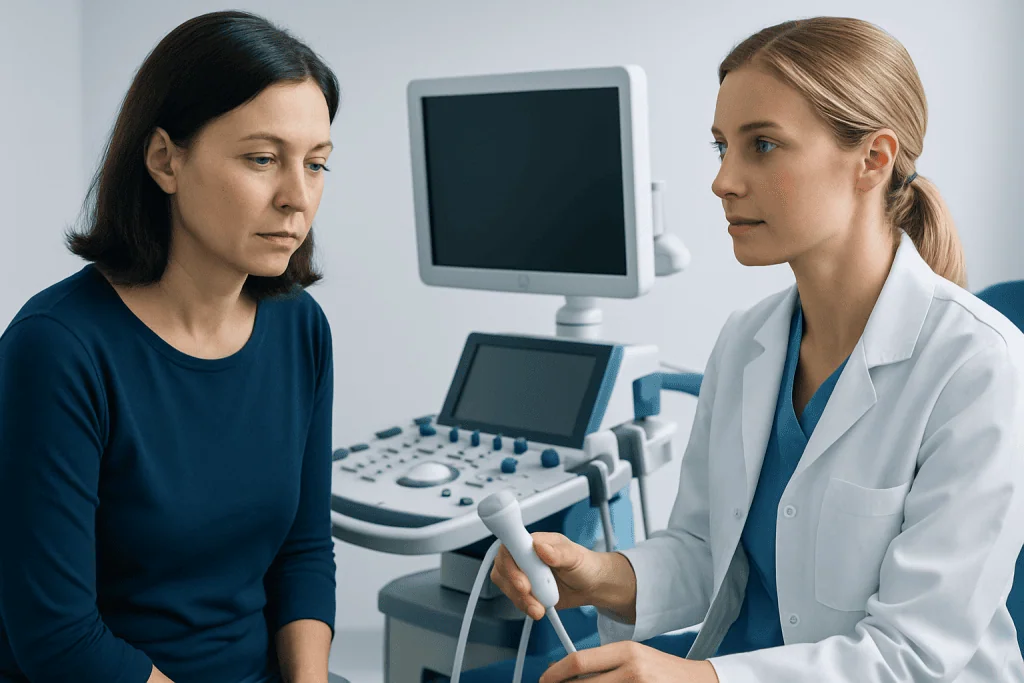
Transvaginal ultrasound is often the first imaging test. It can show whether the endometrium appears thicker than expected and help identify other causes of bleeding, such as fibroids or polyps. However, ultrasound cannot reliably determine whether atypical cells are present.
The most important diagnostic step is sampling the lining of the uterus. This is commonly done with an endometrial biopsy in the clinic. In some situations, a doctor may recommend hysteroscopy so the inside of the uterus can be viewed directly and targeted samples can be taken, especially if bleeding persists or focal abnormalities are suspected. Pathology results help distinguish hyperplasia without atypia from atypical endometrial hyperplasia, which guides treatment decisions.
Some patients may also need additional evaluation if another gynecologic condition is suspected. For example, abnormal bleeding can overlap with symptoms of uterine fibroids or endometrial polyps, so the final diagnosis may involve more than one finding.
Treatment options and what they aim to do
Treatment for endometrial hyperplasia aims to stop abnormal bleeding, reverse overgrowth of the uterine lining when possible, and reduce the risk of progression to cancer. The best approach depends on whether atypia is present, whether the person has gone through menopause, and whether future pregnancy is desired.
For hyperplasia without atypia, progestin therapy is often the main treatment. This may be given as tablets, injections, or through a levonorgestrel-releasing intrauterine device. Progestin helps counter estrogen’s effect on the lining and can allow the tissue to return to a more normal pattern over time. Follow-up biopsies are usually recommended to confirm improvement.
If atypical endometrial hyperplasia is diagnosed, treatment needs closer planning because the risk of concurrent or future cancer is higher. In people who have completed childbearing or who are postmenopausal, hysterectomy may be recommended. In carefully selected patients who wish to preserve fertility or avoid surgery, high-dose progestin-based treatment with close surveillance may be considered under specialist care.
Management may also include treating contributing factors such as obesity, diabetes, or irregular ovulation. When fertility is an important concern, doctors may coordinate care with specialists in fertility treatment after the endometrial condition has been appropriately evaluated and managed.
Prevention, self-care, and follow-up
There is no guaranteed way to prevent endometrial hyperplasia, but some steps may help lower risk. Managing body weight, treating conditions that affect ovulation, and discussing hormone therapy carefully with a doctor can all be useful. People taking estrogen after menopause generally need a plan that also protects the uterine lining if they still have a uterus.
Self-care does not replace medical treatment, but it can support overall hormonal and metabolic health. Regular physical activity, attention to blood sugar control if diabetes is present, and routine gynecologic care may all play a role. It is also helpful to keep a record of bleeding patterns, including timing, duration, and heaviness, to share during appointments.
Follow-up is an essential part of care. Even when symptoms improve, repeat evaluation may be needed to confirm that the endometrial lining has responded to treatment. This is especially important for atypical hyperplasia or for anyone treated without surgery. Patients should attend all planned visits and report any new or recurring bleeding promptly.
Near the end of the care pathway, some patients may benefit from multidisciplinary evaluation, particularly if biopsy results are complex or surgery is being considered. Acibadem International’s multidisciplinary specialists and JCI-accredited hospitals diagnose and treat endometrial hyperplasia for international patients.
When to seek medical care
Medical evaluation is important for any bleeding after menopause. It is also advisable to see a doctor for heavy periods, bleeding between periods, cycles that become unusually frequent or irregular, or bleeding that continues despite treatment. These symptoms can have several causes, and proper testing helps identify the reason.
People with risk factors such as obesity, polycystic ovary syndrome, long-standing irregular ovulation, or use of tamoxifen should mention these during the visit. A clinician can decide whether ultrasound, biopsy, or referral to a gynecologist is needed.
Urgent care may be needed if bleeding is very heavy, causes dizziness, weakness, fainting, or signs of anemia. Anyone with persistent symptoms, worsening pain, or abnormal bleeding during or after menopause should seek prompt assessment rather than waiting for the problem to resolve on its own.
Frequently asked questions
Is endometrial hyperplasia cancer?
No, endometrial hyperplasia is not the same as cancer. It means the uterine lining has become too thick, but some forms, especially those with atypical cells, can increase the risk of developing endometrial cancer and need careful follow-up.
Can endometrial hyperplasia go away on its own?
Some mild cases may improve if hormone patterns normalize, but this should not be assumed without medical follow-up. Because the condition can persist or progress, doctors usually recommend evaluation and often repeat biopsy or imaging.
What is the difference between hyperplasia with and without atypia?
Hyperplasia without atypia means the lining is overgrown but the cells do not show major abnormal features. Atypical hyperplasia means the cells look more abnormal under the microscope, and this form carries a higher risk of cancer or hidden cancer.
Can younger women get endometrial hyperplasia?
Yes. Although it is more common around or after menopause, it can also affect younger women, especially those with irregular ovulation, polycystic ovary syndrome, obesity, or infertility-related hormonal imbalance.
Will I need surgery for endometrial hyperplasia?
Not always. Many patients, especially those with hyperplasia without atypia, are treated first with progestin therapy and monitoring. Surgery is more likely to be recommended when atypia is present, symptoms persist, or childbearing is complete.
Can endometrial hyperplasia affect fertility?
It can be associated with hormonal conditions that also affect ovulation and fertility. In some cases, treatment of the uterine lining and the underlying hormone imbalance can improve the chances of planning a healthy pregnancy, but care should be individualized.
References
- American College of Obstetricians and Gynecologists
- National Cancer Institute
- Mayo Clinic
- Merck Manual
- World Health Organization
This article is for general information only and is not a substitute for professional medical advice. Please consult a qualified doctor about your individual situation.
Oncology care in Turkey — second opinion and treatment plan
JCI-accredited · board-certified surgeons · reply within 24h
Add us as a Preferred Source to see more of our trusted health content across Google Search, AI Overviews and Discover.
Check your numbers in seconds
BMI, calories, due date, blood pressure and 30+ more clinical calculators — free, instant, doctor-reviewed ranges.