Endometriosis Specialist Charlotte Nc: An Evidence-Based Patient Guide

Endometriosis is a chronic condition in which tissue similar to uterine lining grows outside the uterus and may cause pain, heavy periods, bowel or bladder symptoms, and infertility. A specialist evaluation should consider symptoms, examination findings, imaging, fertility goals, and the impact of symptoms on daily life.
Key Takeaways
- Endometriosis is a chronic condition in which tissue similar to uterine lining grows outside the uterus and may cause pain, heavy periods, bowel or bladder symptoms, and infertility.
- A specialist evaluation should consider symptoms, examination findings, imaging, fertility goals, and the impact of symptoms on daily life.
- Hormonal medicines, pain-focused care, fertility treatment, and surgery can all have roles; care is individualized.
- Laparoscopic surgery may diagnose and treat visible endometriosis, but it is not necessary or suitable for every person.
- Complex disease may benefit from a multidisciplinary team involving gynecology, fertility, pain management, colorectal surgery, urology, or pelvic-floor physiotherapy.
An endometriosis specialist in Charlotte, NC is typically an obstetrician-gynecologist with focused experience in chronic pelvic pain, infertility, and minimally invasive gynecologic surgery. The right clinician depends on a person’s symptoms, fertility plans, previous treatment, and whether bowel, bladder, or other pelvic organs may be involved.
Overview: Finding an Endometriosis Specialist in Charlotte, NC
For someone searching for an endometriosis specialist in Charlotte, NC, the most useful starting point is a gynecologist who regularly evaluates and manages endometriosis, pelvic pain, and menstrual disorders. When symptoms are severe, treatment has not helped, fertility is a priority, or surgery may be needed, referral to a minimally invasive gynecologic surgeon or reproductive endocrinology and infertility specialist may be appropriate.
Endometriosis occurs when tissue resembling the lining of the uterus grows outside the uterus. It can affect the ovaries, fallopian tubes, pelvic lining, and, less commonly, the bowel, bladder, diaphragm, or other sites. The condition is benign, but its symptoms can be persistent and can meaningfully affect work, relationships, sleep, emotional wellbeing, and reproductive plans.
There is no single “best” doctor for every patient. A strong care relationship involves careful listening, clear discussion of options, respect for the patient’s goals, and coordination with other specialists when needed. It is reasonable to seek a second opinion before major surgery or when a diagnosis or treatment plan remains uncertain.
Symptoms, Patterns, and the Four D's of Endometriosis
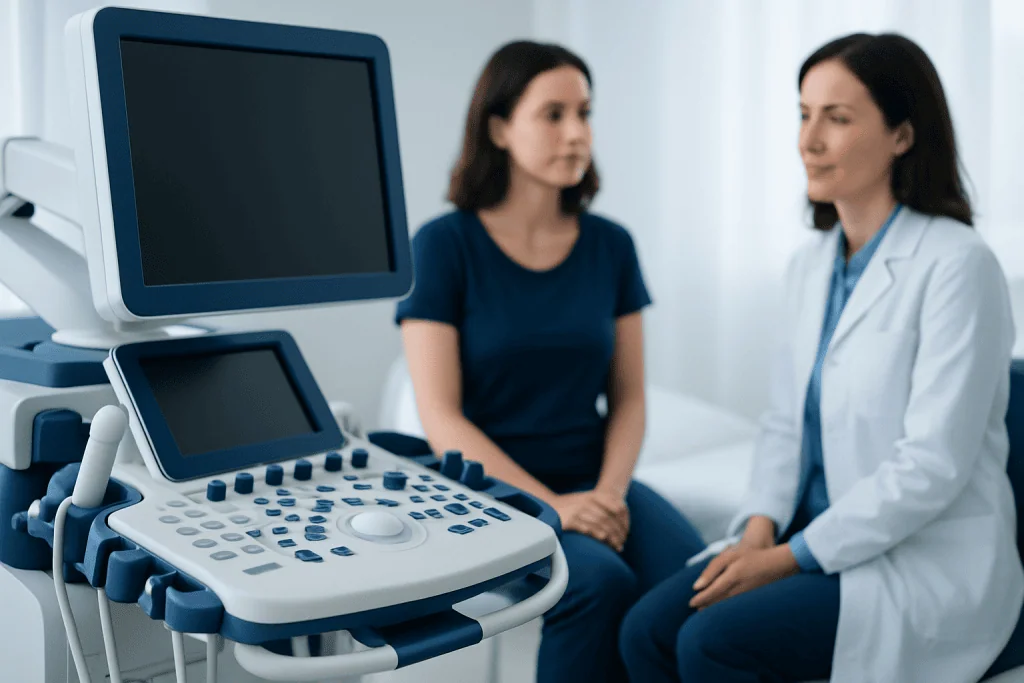
Endometriosis symptoms vary widely. Some people have substantial disease with few symptoms, while others experience significant pain despite limited visible disease. Symptoms often begin during the reproductive years and may become more noticeable over time, although the pattern differs from person to person.
Common concerns include painful periods, pelvic pain between periods, pain during or after sex, heavy or irregular bleeding, pain with bowel movements or urination that worsens around menstruation, fatigue, and difficulty becoming pregnant. Digestive symptoms such as bloating, constipation, diarrhea, or nausea can overlap with conditions including irritable bowel syndrome, so a full assessment is important.
The “four D’s of endometriosis” is an informal memory aid, not a formal diagnostic standard. It commonly refers to dysmenorrhea (painful periods), dyspareunia (pain with intercourse), dyschezia (painful bowel movements), and dysuria (painful urination), particularly when these symptoms are cyclical or worse around menstruation. Their presence does not prove endometriosis, but they can help guide a clinician’s assessment.
- Symptoms may be cyclical, but they do not have to occur only during periods.
- Severity of pain does not reliably indicate the extent of disease.
- New symptoms, worsening pain, or symptoms after menopause should be medically assessed.
Causes, Risk Factors, and Why Diagnosis Can Take Time
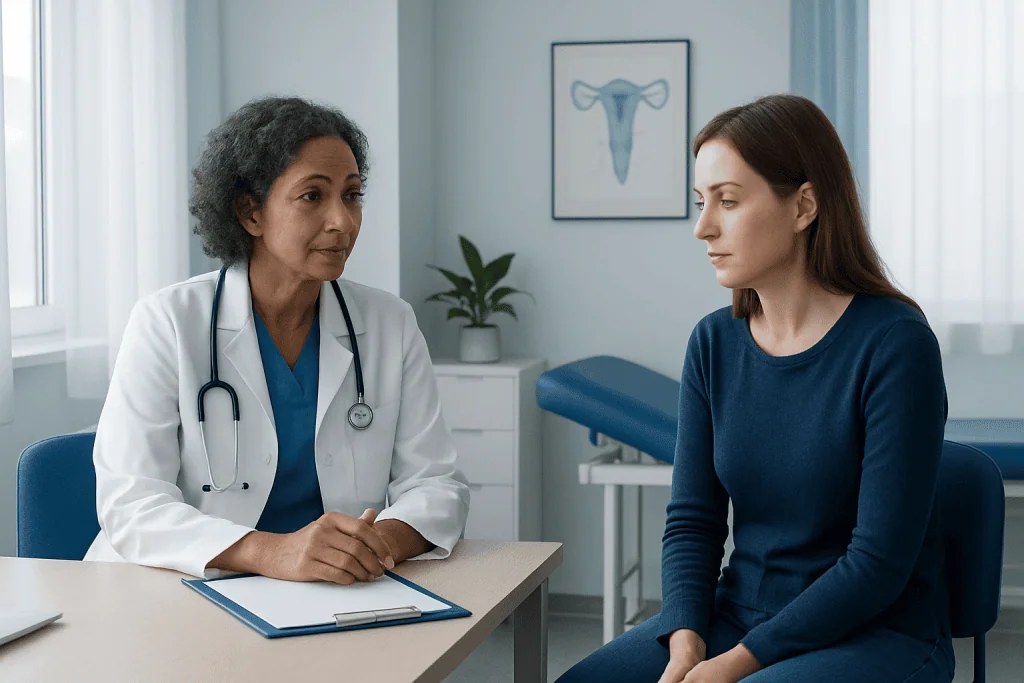
The exact cause of endometriosis is not fully understood. Researchers believe several factors may contribute, including retrograde menstruation, immune and inflammatory processes, genetic susceptibility, hormone-related influences, and changes in cells within the pelvis. Endometriosis is not caused by anything a person did or did not do.
A family history of endometriosis may increase the likelihood of the condition. Menstrual factors such as early onset of periods or short cycles may also be associated with risk, but these factors cannot predict who will develop endometriosis. It can occur in people of different backgrounds and can also affect adolescents.
Diagnosis can take time because symptoms overlap with other gynecologic, urinary, digestive, and musculoskeletal conditions. Fibroids, adenomyosis, ovarian cysts, pelvic inflammatory disease, irritable bowel syndrome, interstitial cystitis, and pelvic-floor muscle dysfunction may cause similar symptoms. More than one condition can also be present at the same time.
How an Endometriosis Specialist Makes a Diagnosis
An endometriosis assessment begins with a detailed symptom and menstrual history. The clinician may ask when pain occurs, whether it is related to periods, sex, bowel movements, or urination, what treatments have been tried, and whether pregnancy is desired now or in the future. A symptom diary can be helpful, especially when symptoms fluctuate across the menstrual cycle.
A pelvic examination may identify areas of tenderness, pelvic-floor muscle spasm, nodules, or ovarian enlargement. However, a normal examination does not rule out endometriosis. Pelvic ultrasound is often used to look for ovarian endometriomas and other possible causes of symptoms. Magnetic resonance imaging may be useful when deep endometriosis is suspected or when surgical planning requires more detail.
Imaging cannot identify every endometriosis lesion. Laparoscopy, a minimally invasive operation using a camera inserted through small abdominal incisions, can confirm disease by visualization and may allow treatment during the same procedure. Current clinical practice also recognizes that, in many situations, treatment can begin based on symptoms and imaging without immediate diagnostic surgery.
Patients considering surgery can ask about the clinician’s experience with endometriosis involving the ovaries, bowel, bladder, ureters, or pelvic nerves; whether surgery is intended to remove or destroy visible lesions; and how pathology, fertility preservation, and multidisciplinary support will be addressed.
Treatment Options and the Role of Endometriosis Surgery
Endometriosis care is individualized. The most suitable plan depends on symptoms, medical history, examination and imaging findings, medication preferences, fertility goals, and the person’s priorities. Treatment may focus on pain control, reducing bleeding, improving quality of life, supporting fertility, or addressing endometriosis affecting specific organs.
Hormonal treatments can reduce menstrual bleeding and suppress the hormonal stimulation of endometriosis. Options may include combined hormonal contraceptives, progestin-based treatments, or other hormone-suppressing medicines. Nonsteroidal anti-inflammatory medicines may help some people manage pain. A clinician can explain expected benefits, possible side effects, and which options are unsuitable for particular medical histories.
Pelvic-floor physiotherapy, exercise adapted to symptoms, psychological support, sleep care, and pain-management approaches can be valuable parts of treatment. These measures do not suggest that pain is “all in the mind”; rather, they address the many ways chronic pain can affect the body and daily function. For people trying to conceive, referral for in vitro fertilization (IVF) treatment or other fertility care may be considered based on age, ovarian reserve, tubal factors, sperm factors, and the extent of endometriosis.
Surgery may be considered when symptoms remain troublesome despite medical treatment, when an endometrioma or deep endometriosis requires assessment, when imaging suggests another surgical concern, or when fertility planning warrants it. A specialist should explain that surgery can improve symptoms for many patients, but endometriosis can recur and surgery does not guarantee pain relief or pregnancy.
Laparoscopic Procedure: Candidacy, Steps, Recovery, Benefits, and Risks
Laparoscopic surgery is commonly used for suspected or confirmed endometriosis. A person may be a candidate when pain significantly affects life, medicines are ineffective or not tolerated, there is an endometrioma or suspected deep disease, or a surgical diagnosis and treatment would help guide care. The decision should account for previous operations, fertility goals, the location of suspected disease, and the possibility that symptoms have more than one cause.
During the procedure, the patient receives anesthesia. The surgeon makes a small incision, usually near the navel, to place a camera and gently inflates the abdomen with gas to create working space. Additional small incisions allow instruments to inspect the pelvis. Visible lesions, scar tissue, cysts, or endometriomas may be removed or treated, and tissue may be sent to a laboratory for examination. If bowel, bladder, or ureter involvement is suspected, other surgical specialists may participate.
Many patients return home the same day or after a short hospital stay, depending on the extent of surgery and overall health. Mild incision discomfort, tiredness, abdominal bloating, and shoulder-tip pain from the surgical gas can occur initially. Recovery after straightforward laparoscopy may take days to a few weeks, while recovery after extensive surgery can take longer. The surgical team provides individualized guidance on activity, wound care, driving, work, sex, and follow-up.
Potential benefits include confirming the diagnosis, removing visible disease, treating adhesions, and improving pain or fertility prospects in selected circumstances. Risks include bleeding, infection, blood clots, anesthesia complications, injury to nearby organs, adhesions, ovarian tissue loss during cyst surgery, persistent pain, and recurrence. These risks are generally uncommon but should be discussed clearly before consent.
How to Choose a Specialist and Build a Care Team
When choosing an endometriosis clinician in Charlotte or elsewhere in North Carolina, patients may look for board certification in obstetrics and gynecology, regular experience with endometriosis and chronic pelvic pain, and appropriate referral pathways for complex disease. For surgery, it can be useful to ask about training and experience in minimally invasive gynecologic surgery and whether the surgeon works with colorectal, urology, fertility, pain, and pelvic-floor specialists when indicated.
Useful appointment questions include: What else could be causing these symptoms? What does the imaging show and what can it miss? Is medication, surgery, or both appropriate? How might each option affect fertility? What is the plan if symptoms persist? A patient should feel able to discuss pain, sexual health, bowel and bladder symptoms, emotional wellbeing, and reproductive choices without being dismissed.
Acibadem International’s multidisciplinary specialists and JCI-accredited hospitals evaluate and treat endometriosis for international patients, with care coordinated according to symptom burden and fertility goals. Patients with pelvic pain may also benefit from assessment for related conditions such as uterine fibroids or ovarian cysts, which can cause overlapping symptoms.
A care plan may change over time. Someone who initially wishes to avoid pregnancy may later need fertility-focused care, while another person may prioritize long-term symptom control. Regular review allows treatment to remain aligned with the patient’s health needs and preferences.
When to Seek Medical Care
Medical evaluation is appropriate for period pain that disrupts work, school, sleep, relationships, or usual activities; pelvic pain that persists or worsens; pain with sex, bowel movements, or urination; unusually heavy bleeding; or difficulty becoming pregnant. Early assessment can identify treatable causes and help patients understand their options.
Urgent medical care is needed for sudden severe pelvic or abdominal pain, fainting, fever with pelvic pain, heavy bleeding that causes weakness or dizziness, persistent vomiting, or a possible pregnancy with pain or bleeding. These symptoms may have causes other than endometriosis and should not be managed at home alone.
Keeping a record of periods, bleeding, pain location and severity, bowel or bladder symptoms, medicines, and previous test results can make consultations more productive. Patients should seek follow-up if a treatment is not helping, side effects are difficult to manage, or new symptoms develop.
Frequently asked questions
Who is the best endometriosis specialist in North Carolina?
There is no single best endometriosis specialist for every person in North Carolina. The appropriate clinician is usually a gynecologist with substantial experience in endometriosis, pelvic pain, and minimally invasive surgery, with access to fertility, pain, bowel, bladder, and pelvic-floor services when needed. Patients can compare clinicians by asking about their experience with the type of symptoms or disease suspected and how they coordinate complex care.
Who are some good endometriosis surgeons in Charlotte, NC?
A reliable list of individual surgeons can change over time, so patients should verify current credentials, hospital affiliations, and appointment availability through recognized health systems, professional boards, and referral networks. A good fit is a surgeon who explains whether surgery is necessary, discusses alternatives, reviews risks and fertility implications, and has a clear plan for complex disease involving organs outside the reproductive system.
What is the best doctor to see for endometriosis?
Many people begin with an obstetrician-gynecologist who is comfortable evaluating pelvic pain and menstrual symptoms. Referral to a minimally invasive gynecologic surgeon may be helpful when surgery is being considered, while a reproductive endocrinology and infertility specialist may be valuable when pregnancy is a priority. Complex symptoms may require a coordinated team rather than one doctor alone.
What are the four D's of endometriosis?
The four D's commonly describe dysmenorrhea, dyspareunia, dyschezia, and dysuria. These terms mean painful periods, pain with intercourse, painful bowel movements, and painful urination. They are a useful symptom pattern to discuss with a clinician, especially if symptoms worsen around menstruation, but they cannot diagnose endometriosis on their own.
Can an ultrasound diagnose endometriosis?
Ultrasound can identify some features associated with endometriosis, especially ovarian endometriomas, and it can help exclude other pelvic conditions. However, many superficial endometriosis lesions are not visible on ultrasound. A normal ultrasound therefore does not rule out endometriosis when symptoms are suggestive.
Does endometriosis always require surgery?
No. Many people manage symptoms with hormonal treatment, pain-focused care, pelvic-floor therapy, and regular follow-up without surgery. Surgery may be appropriate for selected situations, such as persistent symptoms, endometriomas, suspected deep disease, or specific fertility-related concerns, but the decision should be individualized.
References
- American College of Obstetricians and Gynecologists
- American Society for Reproductive Medicine
- European Society of Human Reproduction and Embryology
- National Institute for Health and Care Excellence
- World Health Organization
This article is for general information only and is not a substitute for professional medical advice. Please consult a qualified doctor about your individual situation.
Endometriosis in Turkey — costs, top hospitals & a free quote
JCI-accredited · board-certified surgeons · reply within 24h
Add us as a Preferred Source to see more of our trusted health content across Google Search, AI Overviews and Discover.

Gynecology & Obstetrics
Women’s health across pregnancy, gynecologic surgery and high-risk pregnancy care.
187 specialists in this unit