Endometriosis: Symptoms, Causes, and Treatment Options
Endometriosis happens when tissue similar to the uterine lining grows outside the uterus and responds to hormones. Common symptoms include painful periods, chronic pelvic pain, pain during sex, and heavy or irregular bleeding.
Key Takeaways
- Endometriosis happens when tissue similar to the uterine lining grows outside the uterus and responds to hormones.
- Common symptoms include painful periods, chronic pelvic pain, pain during sex, and heavy or irregular bleeding.
- Diagnosis is based on symptoms, pelvic examination, imaging, and sometimes laparoscopy.
- Treatment may include pain relief, hormone therapy, surgery, and fertility support depending on symptoms and life plans.
- Not everyone with endometriosis has severe symptoms, and symptom severity does not always match disease extent.
- Early medical evaluation can help reduce delays in diagnosis and improve quality of life.
Endometriosis is a long-term condition in which tissue similar to the lining of the uterus grows outside the uterus. It can cause pelvic pain, painful periods, pain during sex, bowel or bladder symptoms, and difficulty becoming pregnant, but treatment can often help control symptoms and support fertility goals.
Overview
Endometriosis is a condition in which tissue similar to the lining of the uterus grows outside the uterus, most often on the ovaries, fallopian tubes, outer surface of the uterus, pelvic lining, or nearby organs. This tissue responds to monthly hormonal changes, which can lead to inflammation, irritation, scar tissue, and pain. Although it is not cancer, it can significantly affect daily life, work, relationships, and fertility.
One of the challenges with endometriosis is that symptoms vary widely. Some people have severe pain with only small areas of disease, while others have extensive endometriosis with few symptoms. Because the signs can overlap with more common conditions, diagnosis is sometimes delayed. Recognizing patterns such as recurring pelvic pain around menstruation can help guide timely medical assessment.
Endometriosis is most often diagnosed during the reproductive years, but its effects can begin in adolescence and sometimes continue until menopause. A patient-centered approach is important because treatment depends not only on the severity of disease but also on age, symptom burden, fertility plans, and personal preferences.
Symptoms and How They May Affect Daily Life
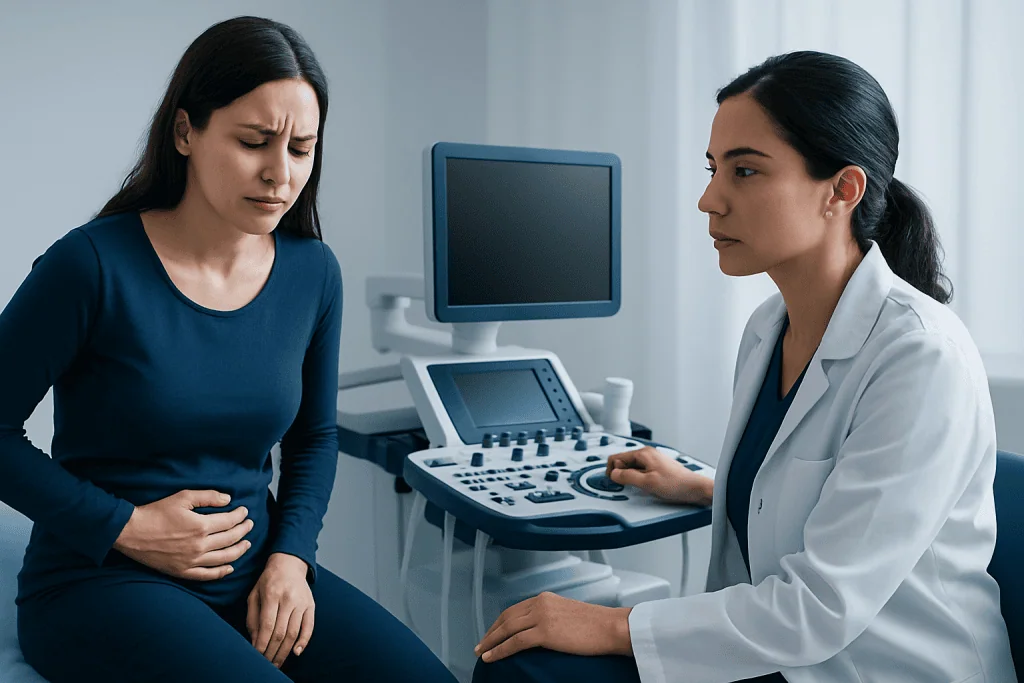
The most common symptom of endometriosis is pelvic pain, especially before and during menstruation. The pain may feel cramp-like, sharp, aching, or constant, and it can sometimes spread to the lower back or legs. Painful periods that worsen over time are an important clue, particularly if over-the-counter pain relief becomes less effective.
Other symptoms can include pain during or after sex, pain with bowel movements or urination, bloating, fatigue, and heavy or irregular bleeding. Some people notice that bowel or bladder symptoms become worse during their period. Endometriosis can also affect fertility, and for some, trouble becoming pregnant is the first sign of the condition.
Symptoms may include:
- Painful menstrual cramps that interfere with school, work, or normal activities
- Chronic pelvic pain between periods
- Pain during sexual intercourse
- Pain when passing stool or urine, especially during menstruation
- Heavy menstrual bleeding or spotting between periods
- Bloating, nausea, constipation, or diarrhea around the menstrual cycle
- Difficulty becoming pregnant
It is important to know that symptom intensity does not always reflect how much endometriosis is present. Even if symptoms seem manageable, recurring pain or cycle-related symptoms deserve medical attention because they can affect emotional well-being, sleep, physical activity, and long-term reproductive health.
Why Endometriosis Happens: Causes and Risk Factors
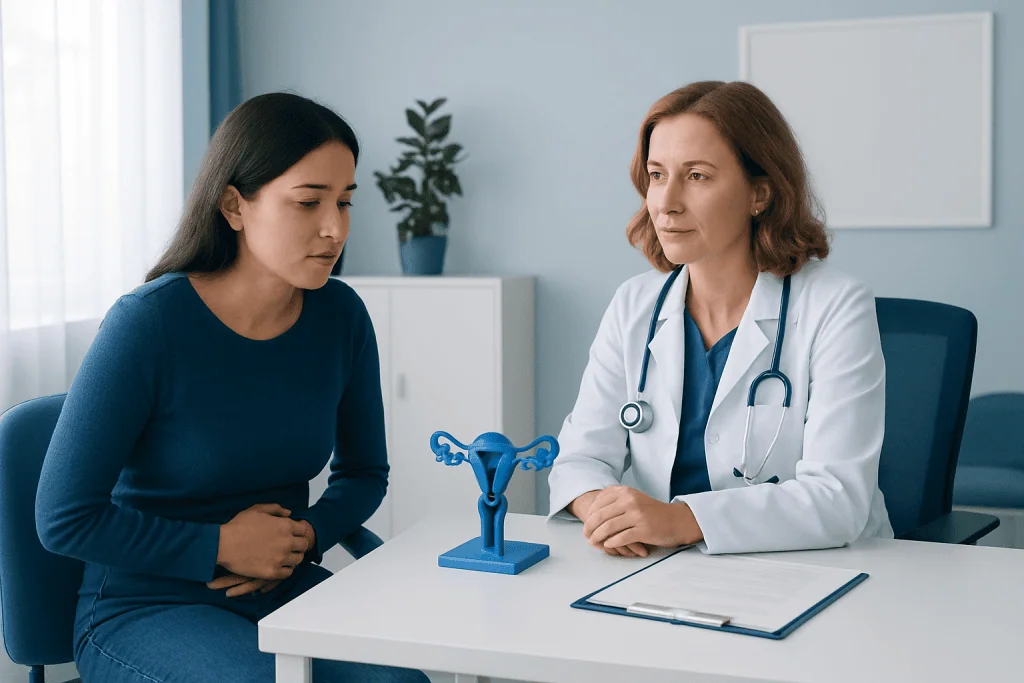
The exact cause of endometriosis is not fully understood. Several theories exist, and it is likely that more than one mechanism is involved. One common explanation is retrograde menstruation, in which menstrual fluid flows backward through the fallopian tubes into the pelvic cavity. However, because retrograde flow can happen in people without endometriosis too, it does not explain every case.
Other possible factors include immune system differences, genetic tendency, hormonal influences, and changes in cells that allow tissue to implant and grow outside the uterus. Endometriosis can run in families, which suggests an inherited component. Researchers also continue to study how inflammation and estrogen activity may contribute to the development and persistence of the disease.
Risk factors may include:
- A family history of endometriosis
- Starting periods at a young age
- Short menstrual cycles or longer-lasting periods
- Heavy menstrual bleeding
- Never having given birth
- Certain structural differences of the uterus or reproductive tract
Endometriosis can coexist with other gynecologic conditions, including ovarian cysts caused by endometriosis, called endometriomas, or with disorders such as uterine fibroids that may also cause heavy bleeding and pelvic pressure. Because symptoms overlap, careful evaluation is important to identify the true cause or combination of causes.
How Doctors Diagnose Endometriosis
Diagnosis begins with a detailed review of symptoms, menstrual history, pain patterns, past treatments, and fertility goals. A doctor may ask whether pain occurs mainly during periods, during sex, or with bowel movements, and whether it limits daily activities. A pelvic examination may help identify tenderness, nodules, or enlarged ovaries, although a normal exam does not rule out endometriosis.
Imaging can support diagnosis, especially when ovarian endometriomas or deep infiltrating disease are suspected. Pelvic ultrasound is often the first imaging test because it is widely available and helpful for detecting certain forms of disease and excluding other problems. In some cases, MRI may be used to define the extent of endometriosis more clearly or to assist surgical planning through MRI imaging.
The only way to confirm endometriosis with certainty has traditionally been laparoscopy, a minimally invasive procedure that allows direct visualization of endometriosis lesions and, when appropriate, biopsy or treatment at the same time. However, not every patient needs immediate surgery to begin treatment. Increasingly, doctors make a clinical diagnosis based on symptoms and imaging findings and start medical therapy when that approach is appropriate and safe.
Because pelvic pain can have several causes, doctors may also consider other conditions such as ovarian cysts, irritable bowel syndrome, pelvic inflammatory disease, or adenomyosis. A careful, stepwise approach helps avoid unnecessary procedures while still moving toward symptom relief.
Treatment Options
Endometriosis treatment is individualized. The main goals are to relieve pain, reduce inflammation, improve quality of life, and support fertility when desired. A doctor will consider the patient’s age, symptoms, test results, previous treatments, and plans for pregnancy. In many cases, treatment begins with medicines and lifestyle support, while surgery is reserved for persistent symptoms, ovarian cysts, deeply infiltrating disease, or fertility-related concerns.
Common medical treatments include nonsteroidal anti-inflammatory drugs for pain relief and hormone-based therapies that suppress ovulation or reduce menstrual activity. These may include combined hormonal contraceptives, progestin-only options, or other medicines that lower estrogen stimulation. Hormonal therapy can help control symptoms, but it does not permanently cure the condition, and symptoms may return when treatment stops.
Surgery may be recommended when pain is severe, when there is an endometrioma, when deep disease affects the bowel or bladder, or when infertility evaluation suggests a benefit. Minimally invasive laparoscopic surgery can be used to diagnose and remove or destroy visible endometriosis tissue and scar tissue. In selected situations, ovarian cyst treatment or removal may be needed through ovarian cyst surgery.
For people trying to conceive, treatment depends on age, ovarian reserve, symptoms, and the extent of disease. Some may benefit from surgery, while others may be advised to consider fertility-focused care such as IVF treatment. The best plan is often made with a gynecologist and fertility specialist together, especially when pain and pregnancy goals need to be balanced.
Living With Endometriosis: Self-care and Long-term Support
Although self-care cannot remove endometriosis, it can play a meaningful role in symptom management. Heat therapy, regular physical activity, good sleep habits, and stress reduction may ease pain for some people. Keeping a symptom diary that tracks pain, bleeding, bowel or bladder changes, and cycle timing can also help patients and doctors understand patterns and evaluate whether treatment is working.
Nutrition and lifestyle changes may support overall well-being, even though no single diet has been proven to treat endometriosis. Some people find it helpful to reduce foods that worsen bloating or gastrointestinal discomfort during their period. Gentle exercise, pelvic floor physical therapy, and mental health support can also be valuable, especially when chronic pain begins to affect mood, relationships, or work.
Long-term follow-up matters because endometriosis can be a recurring condition. Treatment plans may need adjustment over time, particularly when symptoms change or when fertility goals become more important. A multidisciplinary team can be useful when symptoms involve the ovaries, bowel, bladder, or fertility concerns.
Near the end of care planning, patients may wish to seek specialist support at centers experienced in complex pelvic pain and reproductive health. Acibadem International’s multidisciplinary specialists and JCI-accredited hospitals diagnose and treat endometriosis for international patients, with care tailored to symptoms, imaging findings, and family-planning goals.
When to Seek Medical Care
Medical review is important when pelvic pain or period pain is severe enough to disrupt school, work, exercise, sleep, or daily routines. It is also wise to seek care if pain becomes worse over time, if bleeding is unusually heavy, or if symptoms occur predictably with each menstrual cycle. Early evaluation can shorten the path to diagnosis and help prevent prolonged suffering.
A person should also speak with a doctor if there is pain during sex, pain with bowel movements or urination during periods, or difficulty becoming pregnant after trying for an appropriate amount of time. These symptoms do not always mean endometriosis, but they deserve proper assessment. A qualified clinician can rule out other conditions and discuss the safest treatment options.
Urgent medical attention may be needed for sudden severe pelvic pain, fainting, fever, or very heavy bleeding, as these symptoms can point to other serious problems. Even when symptoms are not urgent, persistent or recurring pain should not be ignored or accepted as a normal part of menstruation.
Frequently asked questions
What is endometriosis in simple terms?
Endometriosis is a condition where tissue similar to the lining inside the uterus grows in places outside the uterus. This tissue can react to monthly hormones, causing pain, inflammation, and sometimes scar tissue.
Can endometriosis cause infertility?
Yes, endometriosis can make it harder for some people to become pregnant. It may affect the ovaries, fallopian tubes, pelvic anatomy, or the inflammatory environment around the reproductive organs, but many people with endometriosis still conceive with the right support.
Does severe period pain always mean endometriosis?
No, severe period pain can have several causes, including adenomyosis, fibroids, or other pelvic conditions. However, pain that is worsening, disabling, or associated with bowel, bladder, or fertility problems should be evaluated by a doctor.
How is endometriosis confirmed?
Doctors often suspect endometriosis based on symptoms, examination, and imaging tests such as ultrasound or MRI. The most definitive confirmation has traditionally been through laparoscopy, which allows direct visualization and possible biopsy.
Can endometriosis be cured?
There is no guaranteed permanent cure for endometriosis, but symptoms can often be managed effectively. Treatment may reduce pain, suppress disease activity, remove visible lesions, and improve quality of life or fertility depending on the person's needs.
Does pregnancy cure endometriosis?
Pregnancy does not cure endometriosis. Some people notice temporary symptom improvement during pregnancy because hormone patterns change, but symptoms can return later.
References
- World Health Organization
- American College of Obstetricians and Gynecologists
- National Institute for Health and Care Excellence
- Centers for Disease Control and Prevention
- European Society of Human Reproduction and Embryology
This article is for general information only and is not a substitute for professional medical advice. Please consult a qualified doctor about your individual situation.
Endometriosis in Turkey — costs, top hospitals & a free quote
JCI-accredited · board-certified surgeons · reply within 24h
Add us as a Preferred Source to see more of our trusted health content across Google Search, AI Overviews and Discover.

Gynecology & Obstetrics
Women’s health across pregnancy, gynecologic surgery and high-risk pregnancy care.
187 specialists in this unit