Endometriosis Treatment Washington Dc: How It Works, Results and What to Expect

Endometriosis is a chronic condition in which tissue similar to uterine lining grows outside the uterus and may cause pelvic pain, heavy periods or fertility difficulties. Treatment can include anti-inflammatory pain relief, hormonal therapy, surgery, fertility support or a combination of these options.
Key Takeaways
- Endometriosis is a chronic condition in which tissue similar to uterine lining grows outside the uterus and may cause pelvic pain, heavy periods or fertility difficulties.
- Treatment can include anti-inflammatory pain relief, hormonal therapy, surgery, fertility support or a combination of these options.
- Laparoscopy may confirm the diagnosis and allow surgeons to remove or treat visible endometriosis during the same procedure.
- Surgery can improve pain for many people, but symptoms may return over time because endometriosis can recur.
- Care is most effective when it reflects the patient’s symptoms, reproductive goals and involvement of relevant specialists.
Endometriosis treatment in Washington DC and elsewhere is individualized, usually combining symptom relief, hormonal medicines, fertility planning and, when appropriate, minimally invasive surgery. The best approach depends on pain severity, lesion location, previous treatment, plans for pregnancy and the person’s overall health.
Overview: How Endometriosis Treatment Works
Endometriosis treatment Washington DC patients may seek is not a single procedure or medication. It is a personalized care plan designed to reduce pain, manage bleeding-related symptoms, protect daily function and address fertility concerns when pregnancy is a goal. A gynecologist, ideally one experienced in endometriosis, can help match treatment to the location and extent of disease as well as the individual’s priorities.
Endometriosis occurs when tissue similar to the lining of the uterus grows outside the uterus. These areas can respond to menstrual hormones, leading to inflammation, scarring and adhesions. Endometriosis may affect the ovaries, pelvic lining, fallopian tubes, bowel, bladder or tissues deeper in the pelvis. Symptoms do not always reflect the amount of disease present.
Initial management often focuses on symptom control with pain medicines and hormonal treatments. For people with persistent symptoms, ovarian endometriomas, deep disease affecting organs, uncertainty about the diagnosis or fertility concerns, surgery and coordinated specialist care may be considered. Learn more about endometriosis and the range of symptoms it can cause.
Who May Benefit From Treatment and Specialist Assessment
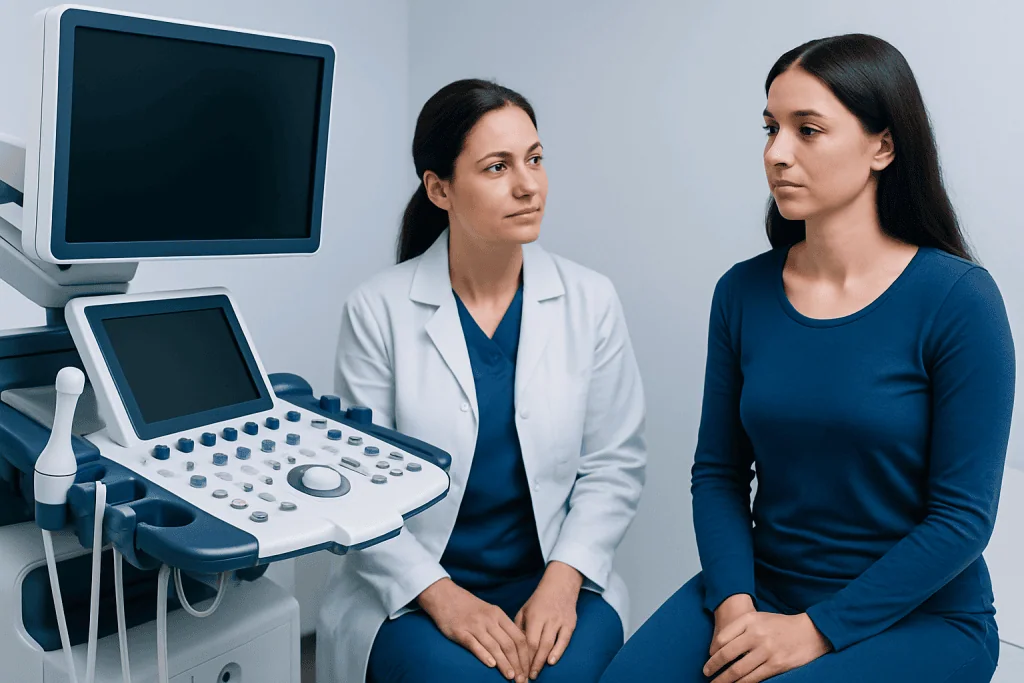
Anyone with symptoms that may be related to endometriosis can benefit from a clinical assessment. Common concerns include severe period pain, pelvic pain between periods, pain during or after sex, pain with bowel movements or urination during menstruation, fatigue, heavy bleeding and difficulty becoming pregnant. Symptoms may begin in adolescence, although diagnosis is sometimes delayed because pelvic pain can have many causes.
Medical treatment may be appropriate for people whose symptoms are manageable and who do not need surgery for another reason. Hormonal approaches are generally intended to reduce menstrual activity and suppress stimulation of endometriosis tissue. They are not suitable for everyone, and they are not used when a person is actively trying to conceive.
Surgical consultation may be particularly useful when pain remains disruptive despite medication, imaging suggests an ovarian cyst consistent with endometriosis, or bowel, bladder or ureter involvement is suspected. A detailed discussion should include prior treatments, current medicines, fertility plans, pelvic examination findings and imaging results. Surgery is a shared decision rather than an automatic next step.
Diagnosis and Planning Before Treatment
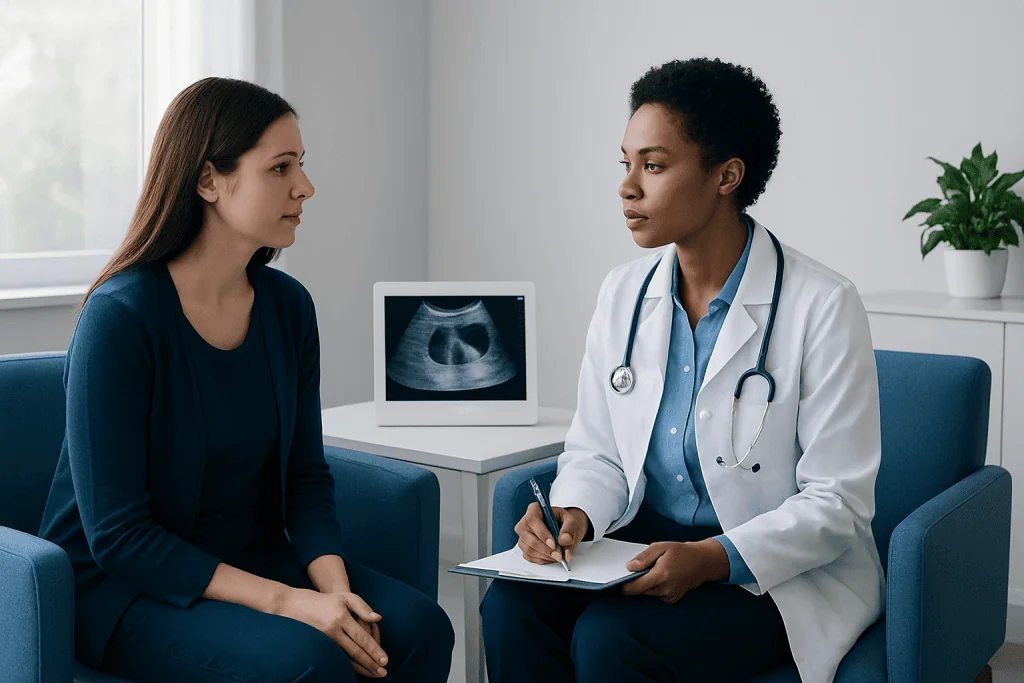
Diagnosis begins with a careful history and physical examination. A clinician may ask about the timing of pain, menstrual pattern, bowel and bladder symptoms, sexual pain, family history and pregnancy history. Because symptoms overlap with conditions such as fibroids, pelvic inflammatory disease, irritable bowel syndrome and bladder disorders, assessment should consider other possible explanations.
Pelvic ultrasound is often used to identify ovarian endometriomas and to assess other pelvic conditions. Magnetic resonance imaging may be helpful when deep endometriosis is suspected or when surgical planning requires more detail. However, normal imaging does not rule out endometriosis, particularly superficial disease.
Laparoscopy, a minimally invasive operation using a small camera, has traditionally been used to confirm endometriosis. Today, some patients can begin treatment based on symptoms and imaging without immediate diagnostic surgery. When surgery is planned, the team should explain its purpose, whether tissue may be sent for laboratory analysis, the possibility of treating visible disease at the same operation, and how fertility preservation will be considered.
Treatment Options: Medicines, Surgery and Fertility Care
Non-surgical treatment may include nonsteroidal anti-inflammatory medicines for pain, if medically appropriate, and hormonal therapies that reduce or stop menstrual bleeding. Options can include combined hormonal contraceptives, progestin-based treatments and medications that more strongly suppress ovarian hormone production. A clinician can review potential benefits, side effects, medical contraindications and the expected time needed to assess response.
For selected patients, laparoscopic surgery can remove, destroy or separate visible endometriosis implants, cysts and adhesions. Excision, in which lesions are cut out, may be used for certain disease patterns; ablation uses energy to destroy tissue at the surface. The choice depends on lesion depth, location, surgical expertise and the need to protect nearby organs. Endometriosis surgery is usually planned with the aim of improving symptoms while preserving healthy tissue whenever possible.
Endometriosis can affect fertility through inflammation, adhesions, changes around the ovaries and fallopian tubes, and other mechanisms. Fertility care may include timed attempts at conception, surgery in selected circumstances, ovulation induction, intrauterine insemination or assisted reproductive technologies. Early discussion with a fertility specialist can be helpful when pregnancy is a priority, especially for those with reduced ovarian reserve, older reproductive age or known tubal disease.
Some people benefit from additional support such as pelvic floor physical therapy, pain medicine consultation, nutrition guidance and mental health care. These services do not imply that symptoms are not physical; they can help address the muscle tension, sleep disruption, stress and reduced activity that may develop alongside chronic pelvic pain.
What Happens During Laparoscopic Endometriosis Surgery
Before surgery, the patient usually has preoperative assessment, blood tests or other checks as indicated, and instructions about eating, drinking and medications. Laparoscopic endometriosis surgery is performed under general anesthesia. The surgeon makes a small incision, usually near the navel, to introduce a camera and gently inflates the abdomen with gas to create working space.
Additional small incisions allow insertion of fine surgical instruments. The surgeon examines the pelvis and abdomen, identifies endometriosis, adhesions or cysts, and treats disease that has been discussed in the consent process. If endometriosis involves the bowel, bladder, ureters or nerves, care may require advance involvement of colorectal, urology or other specialist surgeons.
At the end of the procedure, instruments are removed and the small incisions are closed. Many operations are completed as day surgery, although an overnight stay may be recommended after more extensive treatment. The findings, tissue results when samples are taken, and the plan for symptom management or future hormonal suppression are reviewed at follow-up.
Recovery, Benefits and Possible Risks
Recovery after laparoscopy varies with the extent of surgery and the person’s general health. Mild incision discomfort, tiredness, bloating and shoulder-tip pain from the surgical gas can occur during the first days. Many people resume light activity within several days, while recovery after extensive excision or surgery involving the bowel or urinary tract can take longer. The surgical team provides individualized guidance on work, exercise, driving, bathing and sexual activity.
Potential benefits include reduced pelvic pain, improved movement of pelvic organs when adhesions are released, removal of endometriomas and clearer information about the diagnosis. Pain improvement is common but cannot be guaranteed, because pain may have multiple contributors and endometriosis can return. Hormonal treatment after surgery may be advised for those who are not trying to become pregnant, as it can help reduce recurrence of symptoms.
Possible surgical risks include bleeding, infection, blood clots, anesthesia reactions, injury to the bowel, bladder, ureters, blood vessels or nerves, scar formation and the need for additional procedures. Ovarian surgery can also affect ovarian reserve, which is particularly important for patients hoping for future pregnancy. These risks are uncommon but should be discussed clearly before surgery, along with alternatives to surgery.
Self-Care, Follow-Up and When to Seek Medical Care
Endometriosis is often managed over time, so follow-up matters even after symptoms improve. Keeping a brief record of pain, bleeding, bowel or bladder symptoms, medication effects and activity limitations can help guide treatment adjustments. Gentle movement, regular sleep, heat therapy and pelvic floor therapy may help some people manage symptoms alongside medical care.
Medical care should be sought promptly for severe or worsening pelvic pain, fever, fainting, persistent vomiting, very heavy vaginal bleeding, inability to pass urine, new swelling or pain in one leg, chest pain or shortness of breath. After surgery, patients should contact their surgical team for increasing wound redness, drainage, fever, worsening abdominal pain or other symptoms that do not match expected recovery instructions.
A routine gynecology appointment is appropriate for painful periods that interfere with school, work, sleep or relationships; pain during sex; cyclical bowel or bladder pain; or difficulty conceiving. Acibadem International’s multidisciplinary specialists and JCI-accredited hospitals assess and treat endometriosis for international patients, coordinating gynecology, fertility and other surgical expertise when needed.
Frequently asked questions
What is the most effective treatment for endometriosis?
There is no single best treatment for every person with endometriosis. Hormonal treatment and pain management may control symptoms effectively for some people, while others may benefit from surgery, fertility care or a combination of approaches. The most appropriate plan depends on symptoms, disease location, medical history and pregnancy goals.
Can endometriosis be treated without surgery?
Yes. Many people manage endometriosis without surgery using hormonal treatments, appropriate pain relief and supportive therapies such as pelvic floor physical therapy. Surgery may be considered when symptoms continue despite treatment, when an endometrioma or deep disease is present, or when diagnosis and treatment through laparoscopy may change care.
How long does recovery take after laparoscopic endometriosis surgery?
Recovery varies according to the extent of surgery. After a straightforward laparoscopy, many people return to light daily activities within a few days, though fatigue and discomfort can last longer. More extensive surgery, especially when bowel or urinary structures are involved, requires a longer and more individualized recovery period.
Can endometriosis return after surgery?
Yes. Surgery can remove visible disease and improve symptoms, but it does not eliminate the possibility of recurrence. For people not trying to conceive, ongoing hormonal treatment after surgery may be recommended to help reduce the chance of symptoms returning.
Does endometriosis surgery improve fertility?
Surgery may improve fertility for some people, particularly when it removes adhesions or treats certain forms of endometriosis. However, it does not guarantee pregnancy and ovarian surgery can reduce ovarian reserve in some circumstances. A gynecologist and fertility specialist can help weigh expected benefits against risks.
When should someone see a doctor for possible endometriosis?
A medical assessment is recommended when period or pelvic pain disrupts normal activities, pain occurs during sex, or bowel and bladder symptoms follow a menstrual pattern. It is also reasonable to seek advice after difficulty conceiving. Early assessment can help identify endometriosis and other treatable causes of pelvic symptoms.
References
- American College of Obstetricians and Gynecologists
- European Society of Human Reproduction and Embryology
- World Health Organization
- National Institute for Health and Care Excellence
- American Society for Reproductive Medicine
This article is for general information only and is not a substitute for professional medical advice. Please consult a qualified doctor about your individual situation.
Endometriosis in Turkey — costs, top hospitals & a free quote
JCI-accredited · board-certified surgeons · reply within 24h
Add us as a Preferred Source to see more of our trusted health content across Google Search, AI Overviews and Discover.

Gynecology & Obstetrics
Women’s health across pregnancy, gynecologic surgery and high-risk pregnancy care.
187 specialists in this unit