Endoscopic Strip Craniectomy for Infant Craniosynostosis
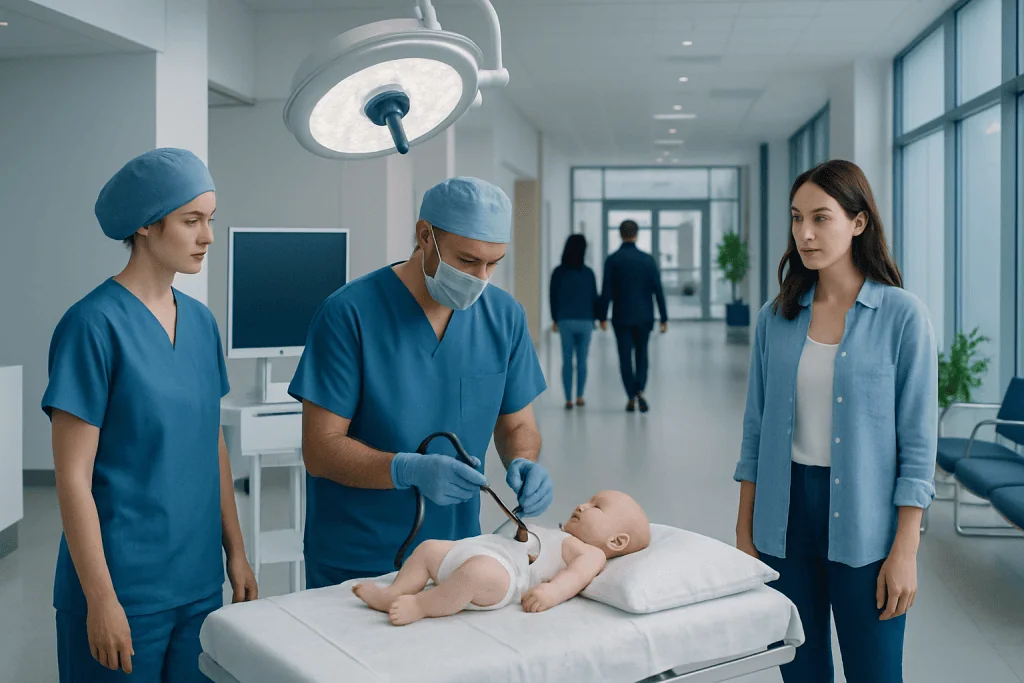
Endoscopic strip craniectomy is a minimally invasive operation for selected infants with single-suture craniosynostosis. Surgeons remove a narrow strip of fused skull bone through small incisions, and a custom moulding helmet then guides head growth. It works best when performed early in infancy, so timely evaluation by a craniofacial team matters.
Key Takeaways
- Endoscopic strip craniectomy is mainly performed for infants with single-suture craniosynostosis, often in the first months of life.
- The procedure uses small incisions and is usually followed by carefully fitted helmet therapy for several months.
- Compared with open cranial vault surgery, endoscopic surgery may involve less blood loss and a shorter hospital stay for appropriately selected babies.
- The best approach depends on the child’s age, the affected skull suture, head shape, imaging findings and overall health.
- Follow-up with craniofacial, neurosurgical and orthotic teams is essential to monitor head growth and development.
Maybe you noticed it while running your hand over your baby’s head — a firm ridge where the bone should feel smooth, or a head shape that looks a little different from other babies. If a doctor has mentioned craniosynostosis, you may now be hearing about endoscopic strip craniectomy.
It is a minimally invasive operation used to treat certain forms of craniosynostosis in young infants. The surgeon removes a narrow strip of prematurely fused skull bone. From there, the brain and a moulding helmet guide more typical head growth over time.
Overview: What Is Endoscopic Strip Craniectomy?
In craniosynostosis, one or more of the seams between the skull bones — the sutures — close earlier than they should. Endoscopic strip craniectomy is one surgical treatment for selected infants with this condition. When a suture is fused, skull growth is redirected and the head may develop a characteristic shape. In some children, early suture fusion can also contribute to pressure-related concerns inside the skull.
During the operation, a pediatric neurosurgeon and craniofacial surgeon remove a narrow strip of bone along the fused suture through small scalp incisions. An endoscope, a slim camera with a light, helps the surgical team see the area while limiting the size of the opening. The aim is to release the restricted suture early, while the skull is growing rapidly.
You may hear the word craniectomy used for very different operations, and it helps to keep them apart. It is a planned reconstructive procedure for an infant’s developing skull, whereas a decompressive craniectomy is an emergency or urgent operation that removes part of the skull to relieve severe brain swelling. Their reasons, recovery patterns and long-term care needs are different.
How It Works and Who May Be a Candidate
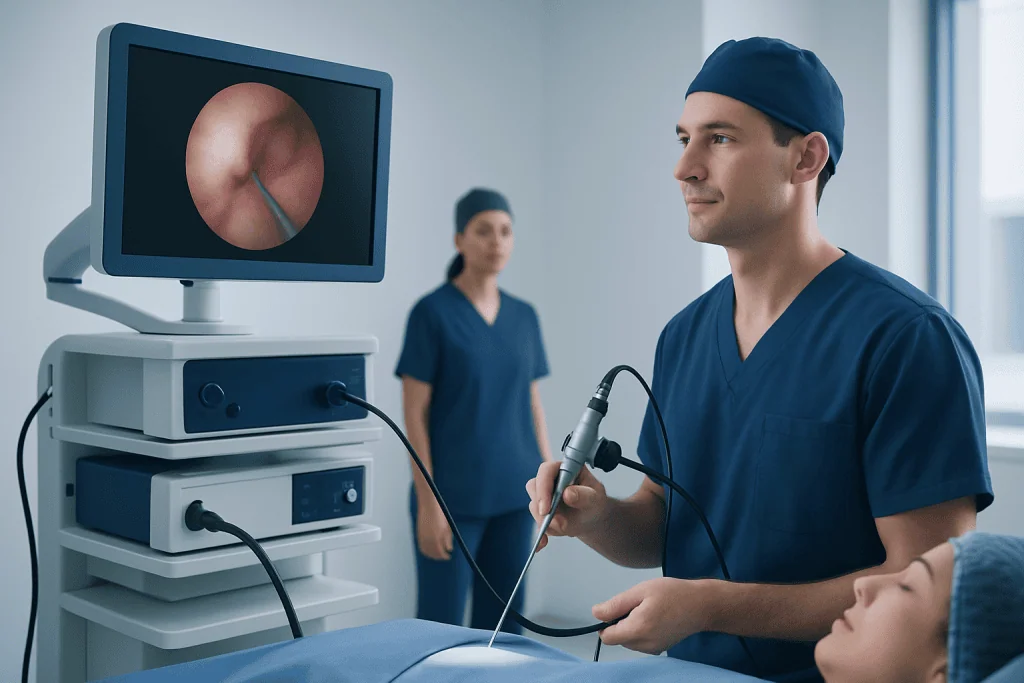
The procedure works best when performed early in infancy because the skull is still flexible and brain growth is particularly rapid. After the fused suture is released, a custom moulding helmet is typically used to direct skull growth gradually. The helmet is not a cosmetic extra — it does real work, and it is part of the treatment.
Children may be considered for endoscopic surgery when they have a single-suture form of craniosynostosis, such as sagittal, metopic, coronal or lambdoid synostosis, and are diagnosed at an appropriate age. Suitability varies by surgical center and by the specific pattern of skull growth. Some babies are better served by open cranial vault remodeling, particularly when diagnosis occurs later or when more extensive correction is needed.
Assessment usually involves a detailed physical examination, head measurements and photographs. A specialist may request imaging, such as low-dose CT scanning or other imaging methods, to confirm which suture is fused and plan treatment. The team also considers developmental history, feeding, breathing, eye findings and whether there are signs of a genetic or syndromic condition.
- Earlier diagnosis can expand surgical options.
- Parents need to be able to attend frequent helmet-fitting and follow-up appointments.
- A multidisciplinary craniofacial team helps determine whether endoscopic surgery is appropriate.
Step by Step: What Happens During the Procedure

Before surgery, the child has a preoperative evaluation that may include blood tests, anesthesia assessment and instructions about feeding before the operation. Because infants require specialized care, the procedure is performed under general anesthesia by pediatric anesthesia professionals. Parents can discuss expected timing, pain control and hospital arrangements with the surgical team in advance.
In the operating room, the surgeon makes one or two small incisions in the scalp near the affected suture. Using endoscopic visualization and specialized instruments, the team removes a strip of fused bone and may make small additional cuts in nearby bone when needed to encourage balanced growth. The scalp is then closed, usually with absorbable sutures.
After surgery, the baby is monitored closely as anesthesia wears off. Some children stay in a pediatric intensive care or high-dependency setting initially, while others can be observed on a surgical ward depending on their needs and local practice. The surgical team watches for comfort, feeding, swelling, blood counts and neurological well-being.
A custom helmet is generally fitted after the incisions have begun to heal, often within the first weeks after surgery. The orthotist adjusts the helmet repeatedly as the head grows. Families should follow the individual wearing schedule provided by the treating team.
Recovery Timeline, Benefits and Possible Risks
Initial recovery from endoscopic strip craniectomy is often measured in days to weeks. Many infants resume feeding and usual comforting routines shortly after returning home, although temporary scalp swelling, bruising, fussiness and changes in sleep can occur. Incision healing generally progresses over the following weeks, while head-shape correction continues gradually during months of growth and helmet use.
For appropriately selected infants, potential benefits include smaller incisions, less disruption of scalp and skull tissue, and often a shorter hospital stay than traditional open reconstruction. However, the procedure still requires general anesthesia, careful follow-up and a sustained commitment to helmet therapy. Results depend on the type and severity of craniosynostosis, the child’s age at treatment, helmet adherence and individual growth.
All surgery carries risks. These may include bleeding, need for blood transfusion, infection, fluid collection under the scalp, wound problems, anesthesia-related complications, incomplete shape correction or a need for additional surgery. Serious neurological complications are uncommon but are discussed during informed consent. Parents should contact the surgical team promptly if they notice fever, persistent vomiting, unusual sleepiness, worsening swelling, wound drainage, poor feeding or any behavior that seems concerning.
Long-term appointments allow clinicians to track head circumference, skull shape, developmental progress and, when appropriate, eye health. Most children continue routine pediatric care alongside craniofacial follow-up. Your child’s care plan is built around your child, not around a fixed timetable.
How Long Does It Take to Recover From a Craniectomy?
Recovery after a craniectomy varies greatly because the word describes several different operations. After an endoscopic strip craniectomy for craniosynostosis, many infants recover from the immediate operation within days to a few weeks, while skull reshaping and helmet therapy continue for months. Follow-up may continue for years to ensure healthy skull growth and development.
Open cranial vault procedures usually involve a longer initial hospital recovery and more visible swelling than endoscopic surgery. A surgeon can explain the expected recovery based on the planned technique, the child’s age and medical history. Parents should not compare recovery directly with that of an adult undergoing brain surgery for injury, tumor or swelling.
At home, the care team provides instructions on incision care, safe sleeping, bathing, activity and pain relief. Families should use only medicines recommended by the child’s clinician and should attend all scheduled postoperative and helmet appointments.
How Long Does It Take to Recover From Endoscopic Endonasal Surgery?
Endoscopic endonasal surgery is a different type of procedure performed through the nose, commonly to reach areas near the pituitary gland or skull base. It is not an approach used for endoscopic strip craniectomy. Recovery commonly involves nasal congestion, fatigue and activity restrictions for a period determined by the surgeon, but the exact timeline depends on the condition treated and the extent of surgery.
Patients undergoing endonasal surgery may need specific nasal-care instructions and monitoring for cerebrospinal fluid leakage, hormonal changes or vision symptoms, depending on the procedure. Recovery information for this surgery should come from the skull-base or neurosurgical team rather than from craniosynostosis guidance.
Ask your clinician to spell out the exact name of the operation being planned. Although both procedures use an endoscope, they treat different anatomy, affect different age groups and have different aftercare requirements.
Can You Live a Normal Life After Craniectomy?
Many children who undergo endoscopic strip craniectomy for isolated, single-suture craniosynostosis grow and develop well, particularly when they receive timely evaluation and ongoing follow-up. Surgery is intended to create space for normal brain growth and improve skull shape. Individual outlook depends on the affected suture, whether the craniosynostosis is isolated or part of a syndrome, and the child’s overall health and development.
Some children need longer-term monitoring or additional support for developmental, vision, speech, dental or behavioral concerns. That does not mean your child will have these difficulties. It simply means regular check-ups catch any needs early. Parents can ask their care team which specialists, if any, should remain involved as their child grows.
For other forms of craniectomy, such as decompressive surgery after severe brain injury or stroke, long-term outcomes depend primarily on the underlying brain condition and any neurological injury. The recovery experience is therefore very different from craniosynostosis surgery in infancy.
How Long Does It Take to Recover From a Decompressive Craniectomy?
A decompressive craniectomy is performed to make room for a swollen brain, often after serious traumatic brain injury, stroke, infection or another neurological emergency. Recovery can take weeks to months and sometimes longer, depending on the cause of swelling, the extent of brain injury and the person’s rehabilitation needs. Hospital treatment may be followed by inpatient or outpatient rehabilitation.
After the swelling improves, some patients later undergo cranioplasty, an operation to replace or reconstruct the removed skull section. Timing is individualized and depends on healing, infection risk and neurological recovery. A person may need physical, occupational, speech or cognitive rehabilitation during recovery.
Because decompressive craniectomy has very different goals from endoscopic strip craniectomy, its recovery timeline should not be used to predict outcomes for an infant treated for craniosynostosis. For that, the neurosurgical team looking after the person is your most reliable source.
When to Seek Medical Care
Parents should arrange medical assessment if they notice an unusual head shape that becomes more apparent over time, a firm ridge over a skull suture, uneven forehead or facial features, or concerns raised during routine infant checks. These signs do not always mean craniosynostosis, but early evaluation is helpful because the timing of treatment options matters.
After surgery, urgent advice is appropriate for fever, increasing redness or drainage from an incision, uncontrolled pain, repeated vomiting, poor feeding, reduced alertness, breathing difficulty, seizure-like movements or swelling that is rapidly worsening. If a baby is difficult to wake, has trouble breathing or seems acutely unwell, emergency medical care is needed.
Please keep every appointment with the surgical, craniofacial and orthotic teams. Acibadem International’s multidisciplinary specialists and JCI-accredited hospitals evaluate and treat craniosynostosis for international patients, with care coordinated between pediatric neurosurgery, craniofacial surgery, anesthesia and orthotics.
Frequently asked questions
Is endoscopic strip craniectomy painful for babies?
The operation is performed under general anesthesia, so the baby is asleep and does not feel the procedure. Afterward, the care team uses age-appropriate pain relief and monitors comfort closely. Temporary fussiness and scalp tenderness can occur during early healing.
At what age is endoscopic strip craniectomy usually performed?
It is generally considered in young infants because skull growth is fastest early in life and helmet therapy can guide that growth. The exact age window varies by the type of craniosynostosis and the practices of the surgical center. Prompt assessment by a craniofacial team is important when craniosynostosis is suspected.
Will a baby need a helmet after endoscopic strip craniectomy?
Most infants need a custom moulding helmet after this procedure. The helmet supports gradual improvement in head shape as the brain and skull continue to grow. It requires regular fitting appointments and should be used according to the orthotist’s and surgeon’s instructions.
Is endoscopic strip craniectomy safer than open surgery?
Both endoscopic and open procedures are established surgical approaches, but they are used for different clinical situations. Endoscopic surgery may offer smaller incisions and reduced blood loss for eligible infants, while open surgery may be more suitable for others. The safest and most effective option is determined by an experienced multidisciplinary team.
Can craniosynostosis return after surgery?
The treated suture is released during surgery, but the child’s skull growth and head shape still require monitoring. Some children may have residual asymmetry or, less commonly, need additional treatment. Regular postoperative reviews help the team identify any concern early.
How long is the hospital stay after endoscopic strip craniectomy?
Hospital stay varies according to the baby’s condition, the procedure performed and local care pathways. Endoscopic surgery often involves a shorter stay than open cranial reconstruction, but the surgeon will provide the expected plan. A baby is discharged only when feeding, comfort and postoperative monitoring needs are appropriately managed.
This article is for general information only and is not a substitute for professional medical advice. Please consult a qualified doctor about your individual situation.
Hair transplant in Turkey — costs, graft counts & a free assessment
7 JCI-accredited hospitals · board-certified surgeons · reply within 24h
Add us as a Preferred Source to see more of our trusted health content across Google Search, AI Overviews and Discover.

Medically reviewed by the Acıbadem International Medical Board — August 24, 2026
See our medical review board →
References (1)
- Facts about Craniosynostosis — CDC — www.cdc.gov
Pediatrics Specialists at Acibadem




More from the Health Library

Gentle Massage as a Supportive Therapy for Children
What Laser Surgery Involves and When It Is Used

Boerhaave Syndrome Is a Rupture of the Esophagus

Recognizing a Plantar Fibroma, a Benign Lump in the Foot Arch

Krabbe Disease: Diagnosis, Outlook, and Modern Treatment Approaches