Epididymitis: Symptoms, Causes, and Treatment Options

Epididymitis often causes gradual scrotal pain, tenderness, swelling, and discomfort on one side. Infections are a common cause, including sexually transmitted infections in some adults and urinary bacteria in others.
Key Takeaways
- Epididymitis often causes gradual scrotal pain, tenderness, swelling, and discomfort on one side.
- Infections are a common cause, including sexually transmitted infections in some adults and urinary bacteria in others.
- Prompt medical evaluation is important because testicular pain can have several causes, some of which need urgent care.
- Treatment depends on the cause and may include antibiotics, anti-inflammatory medicine, rest, and scrotal support.
- Most people improve with proper treatment, but untreated epididymitis can lead to ongoing pain or complications.
Epididymitis is inflammation of the epididymis, the coiled tube behind the testicle that stores and carries sperm. It commonly causes one-sided scrotal pain and swelling, and treatment often includes antibiotics, pain relief, rest, and follow-up to make sure symptoms improve.
Overview
Epididymitis is inflammation of the epididymis, a small coiled tube located behind each testicle. The epididymis helps store and transport sperm. When it becomes inflamed, it can cause pain, swelling, and tenderness in the scrotum, usually on one side.
This condition can affect adolescents and adults and may develop from an infection or, less commonly, from irritation or injury. Symptoms often come on over hours to days rather than suddenly. Although epididymitis is usually treatable, it should not be ignored because other causes of testicular pain may need urgent attention.
Epididymitis is different from orchitis, which is inflammation of the testicle itself, although the two can occur together. It is also different from varicocele, a condition involving enlarged veins in the scrotum that usually does not cause signs of infection. A careful medical assessment helps identify the cause and guide the right treatment.
Symptoms of Epididymitis
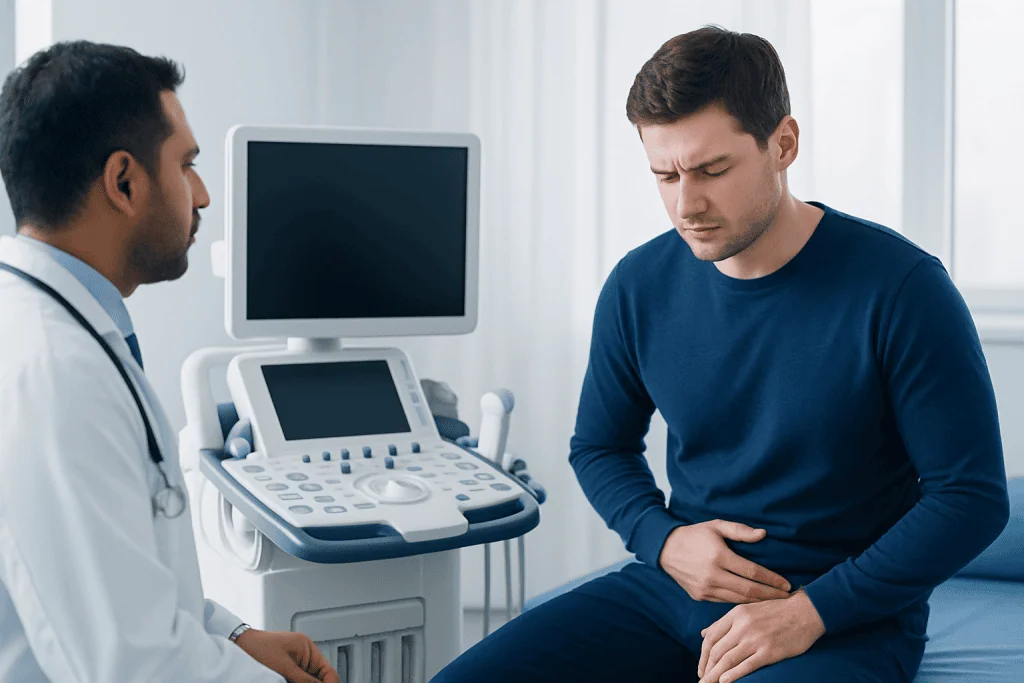
The most common symptom of epididymitis is pain in the scrotum, often affecting one side. The pain may start gradually and become more noticeable with walking, standing, or touch. Swelling and tenderness of the scrotum are also common, and the area may feel warm or look red.
Some people also have urinary symptoms, especially when infection is involved. These may include burning during urination, needing to urinate more often, or feeling an urgent need to urinate. Fever, chills, or a general feeling of being unwell can occur in more significant infections.
Other possible symptoms include lower abdominal discomfort, groin pain, or pain during ejaculation. In some cases, discharge from the penis may be present, especially if a sexually transmitted infection is the cause. Because symptoms can overlap with other scrotal conditions, new or unexplained testicular pain should always be evaluated by a qualified doctor.
- One-sided scrotal pain or pressure
- Swelling and tenderness behind the testicle
- Redness or warmth of the scrotal skin
- Painful or frequent urination
- Fever or chills in some cases
Causes and Risk Factors
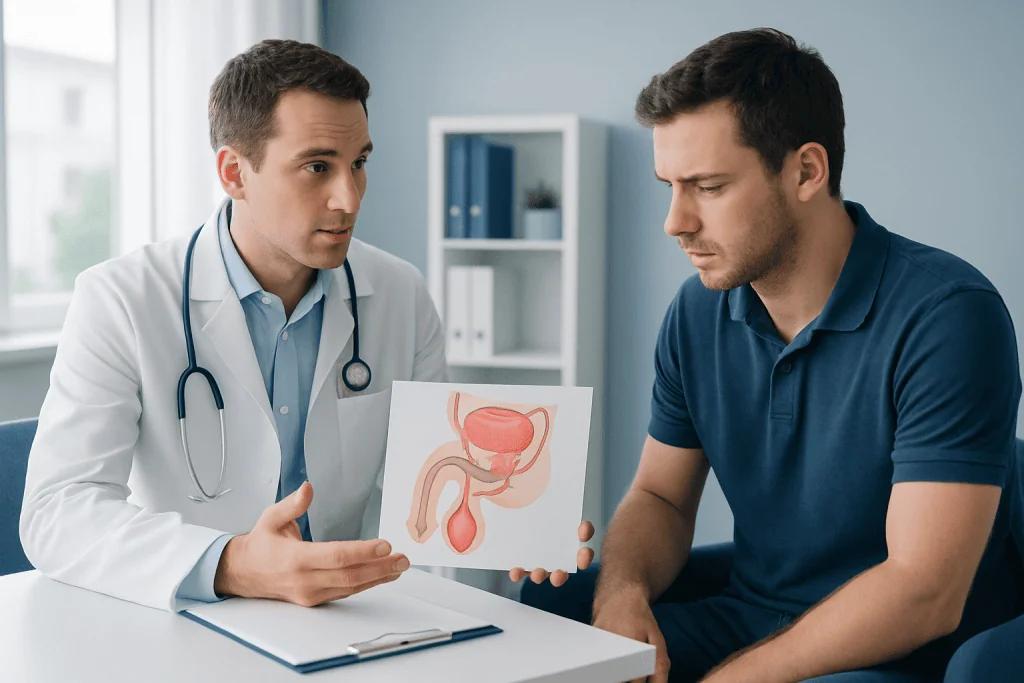
Epididymitis is often caused by infection. In sexually active younger adults, common causes include sexually transmitted infections such as chlamydia or gonorrhea. In older adults, urinary tract bacteria are more often involved, especially when there is bladder outlet obstruction, recent catheter use, or other urinary system problems.
Not all cases are caused by sexually transmitted infection. Bacteria may travel backward from the urethra or bladder into the epididymis. In children and some adults, epididymitis may be linked to urinary tract abnormalities, recent procedures, or inflammation that is not caused by infection. Rarely, certain medications or viral illnesses may contribute.
Risk factors vary by age and health history. They can include unprotected sex, a previous sexually transmitted infection, an enlarged prostate, recent urinary instrumentation, heavy straining, or a history of urinary reflux. People with recurring urinary problems may need further evaluation to look for an underlying issue such as kidney stones or structural blockage in the urinary tract.
How Epididymitis Is Diagnosed
Diagnosis begins with a medical history and physical examination. A doctor will ask about the pattern of pain, urinary symptoms, recent sexual activity, fever, injury, and past urinary or prostate problems. The examination helps determine whether the tenderness is centered in the epididymis and whether there are signs pointing to another condition.
Urine tests are commonly used to look for infection or inflammation. Depending on age, symptoms, and risk factors, testing for sexually transmitted infections may also be recommended. Blood tests may be used if fever or a more widespread infection is suspected.
Imaging may be needed when the diagnosis is uncertain or when urgent conditions must be excluded. A scrotal ultrasound can help assess blood flow and identify swelling, fluid, or other abnormalities. This is especially important because sudden severe testicular pain can sometimes be caused by testicular torsion, which is a medical emergency and requires immediate treatment rather than watchful waiting.
Treatment Options
Treatment for epididymitis depends on the underlying cause. If a bacterial infection is suspected, antibiotics are usually prescribed. The choice of medication depends on the likely source of infection, such as a sexually transmitted infection or bacteria from the urinary tract. It is important to complete the full course exactly as directed, even if symptoms start to improve earlier.
Supportive care also plays an important role. Doctors often recommend rest, limiting strenuous activity for a short time, elevating or supporting the scrotum, and using cold packs wrapped in cloth for short periods. Anti-inflammatory or pain-relieving medicines may help reduce discomfort and swelling.
If symptoms are severe, if there is concern about an abscess, or if the person is very unwell, hospital-based care may be needed. In selected cases, clinicians may evaluate the urinary tract or prostate more closely, particularly if episodes keep coming back. Depending on the suspected source, related evaluation may involve urology care or imaging through MRI or ultrasonography.
Partners may also need testing and treatment when a sexually transmitted infection is identified. Avoiding sexual activity until treatment is complete and symptoms have settled can help prevent reinfection and protect partners. Follow-up is important if pain, swelling, or fever does not begin to improve within a few days.
Recovery, Prevention, and Self-Care
Most people begin to feel better within a few days of starting the right treatment, but tenderness or swelling may take longer to fully settle. Recovery is often smoother when rest, scrotal support, and medication are combined. During this time, heavy lifting, intense exercise, and prolonged standing may worsen discomfort and are often best limited.
Prevention depends on the cause. Safer sex practices, including condom use and prompt testing for symptoms of sexually transmitted infection, can reduce risk in some people. Good management of urinary problems, including prostate symptoms or repeated urinary tract infections, may help lower the chance of recurrence in others.
Self-care should be supportive rather than a substitute for diagnosis. Home measures may ease discomfort, but they cannot confirm the cause of scrotal pain. If symptoms are new, worsening, or associated with fever, a medical assessment is the safest approach.
- Rest and avoid activities that increase pain
- Use supportive underwear or scrotal support
- Apply wrapped cold packs for short intervals
- Take medicine only as advised by a doctor
- Attend follow-up if symptoms persist or return
When to Seek Medical Care
Medical care should be sought promptly for new scrotal pain, swelling, or tenderness. This is especially important if pain is severe, starts suddenly, or is accompanied by nausea, vomiting, fever, or marked redness. These symptoms can sometimes suggest a different problem that needs urgent treatment.
People should also arrange medical evaluation if they have burning urination, penile discharge, blood in the urine, or symptoms after a recent urinary procedure. Anyone with recurring episodes should ask about further testing to look for an underlying urinary or reproductive tract issue.
If symptoms do not improve after starting treatment, or if they return after seeming to settle, follow-up is important. Near the end of care, some patients may benefit from broader assessment by specialists. Acibadem International’s multidisciplinary specialists in JCI-accredited hospitals diagnose and treat epididymitis and related urologic conditions for international patients.
Frequently asked questions
What is epididymitis?
Epididymitis is inflammation of the epididymis, the tube behind the testicle that stores and carries sperm. It commonly causes pain, swelling, and tenderness in the scrotum, usually on one side.
Is epididymitis an emergency?
Epididymitis itself is often treatable and not always an emergency, but scrotal pain should be assessed promptly. Sudden or severe testicular pain can be caused by testicular torsion, which needs urgent medical care.
How is epididymitis treated?
Treatment depends on the cause. Many cases are treated with antibiotics when infection is suspected, along with rest, pain relief, and scrotal support. Follow-up may be needed if symptoms are severe, persistent, or recurring.
Can epididymitis go away on its own?
Some mild inflammation may improve, but it is not safe to assume the cause without medical evaluation. Because infections and other conditions can look similar, professional assessment is important to guide proper treatment.
Can epididymitis affect fertility?
Most people recover without long-term problems, especially when treatment starts promptly. However, untreated or severe inflammation can sometimes lead to complications, so follow-up is important if symptoms do not improve.
How long does recovery take?
Many people begin to feel better within a few days after starting the right treatment. Even so, swelling or tenderness may take several weeks to fully settle in some cases.
References
- National Institute of Diabetes and Digestive and Kidney Diseases
- Centers for Disease Control and Prevention
- American Urological Association
- Mayo Clinic
- Merck Manual Professional Edition
This article is for general information only and is not a substitute for professional medical advice. Please consult a qualified doctor about your individual situation.
Epididymitis in Turkey — costs, top hospitals & a free quote
JCI-accredited · board-certified surgeons · reply within 24h
Add us as a Preferred Source to see more of our trusted health content across Google Search, AI Overviews and Discover.

Urology
Treatment of the urinary system and male reproductive health, including robotic and laser procedures.
63 specialists in this unit