

Epigastric Pain Explained: Common Triggers and Red Flags

Epigastric pain refers to discomfort in the upper central abdomen and may feel burning, aching, pressure-like, or crampy. Common causes include indigestion, acid reflux, gastritis, peptic ulcers, gallbladder disease, and pancreatitis.
Key Takeaways
- Epigastric pain refers to discomfort in the upper central abdomen and may feel burning, aching, pressure-like, or crampy.
- Common causes include indigestion, acid reflux, gastritis, peptic ulcers, gallbladder disease, and pancreatitis.
- Warning signs include chest pressure, shortness of breath, black stools, vomiting blood, severe tenderness, fever, or ongoing vomiting.
- Diagnosis depends on the pattern of symptoms and may involve blood tests, imaging, and endoscopy.
- Treatment focuses on the underlying cause and may range from diet changes and acid-reducing medicines to urgent care for more serious conditions.
Epigastric pain is pain or discomfort in the upper middle abdomen, just below the breastbone. It is often caused by digestive problems such as indigestion, acid reflux, gastritis, or ulcers, but it can also come from the gallbladder, pancreas, muscles, or even the heart, so persistent or severe symptoms should be assessed by a doctor.
What epigastric pain means
Epigastric pain is discomfort felt in the upper middle part of the abdomen, between the ribs and just below the breastbone. People describe it in different ways: burning, gnawing, fullness, pressure, bloating, or a sharp ache. For many, it appears after eating, when lying down, or during times of stress.
In many cases, epigastric pain is related to the stomach, esophagus, or nearby digestive organs. Indigestion, acid reflux, gastritis, and ulcers are frequent reasons. However, the same area can also reflect problems involving the gallbladder, pancreas, abdominal wall muscles, or less commonly the heart, which is why the whole symptom pattern matters.
Rather than being a diagnosis on its own, epigastric pain is a symptom with many possible causes. The timing, intensity, triggers, and associated symptoms help doctors narrow down what is most likely. For example, pain after fatty meals may suggest the gallbladder, while burning pain that worsens when lying flat may point more toward reflux.
How epigastric pain can feel

The sensation varies from person to person. Some feel a mild burning behind the upper abdomen or lower chest, while others notice a dull ache, pressure, or a feeling of uncomfortable fullness after meals. The pain may come and go, last for minutes to hours, or gradually build over time.
Epigastric pain may stay in one spot or spread to the chest, back, or right upper abdomen. It can occur on its own or together with symptoms such as nausea, bloating, belching, early fullness, sour taste in the mouth, heartburn, or reduced appetite. If the pancreas or gallbladder is involved, the pain may be more intense and may radiate to the back or shoulder area.
Doctors also pay attention to what makes the pain better or worse. Food, alcohol, anti-inflammatory pain relievers, body position, activity, and bowel movements can all provide clues. Keeping a simple record of when symptoms happen can be useful before a medical visit.
- Burning pain may suggest reflux, gastritis, or an ulcer.
- Pressure or fullness after meals may occur with indigestion.
- Sharp or severe persistent pain may need urgent assessment.
- Pain with sweating, breathlessness, or chest tightness should not be ignored.
Common triggers and likely causes

Many episodes of epigastric pain are caused by common digestive conditions. Indigestion can cause upper abdominal discomfort, bloating, and fullness, especially after large meals. Acid reflux happens when stomach contents move upward into the esophagus, causing burning, regurgitation, and pain that may worsen after eating or when lying down. Gastritis, which is inflammation of the stomach lining, can also cause upper abdominal pain, nausea, and a burning or raw sensation.
Peptic ulcers are sores in the stomach or first part of the small intestine and can lead to gnawing epigastric pain, sometimes linked to meals or occurring at night. Infection with Helicobacter pylori and regular use of nonsteroidal anti-inflammatory drugs are common contributors. If ulcer-type pain is suspected, a doctor may assess for gastritis or ulcer-related disease as part of the evaluation.
Other causes come from nearby organs. Gallstones or gallbladder inflammation can trigger pain in the upper abdomen, sometimes after fatty meals and sometimes more toward the right side. Pancreatitis can cause severe epigastric pain that may spread to the back, often with nausea and vomiting. Muscle strain, anxiety-related gut sensitivity, and functional dyspepsia can also produce upper abdominal discomfort without a dangerous underlying problem.
Less commonly, epigastric pain may reflect heart-related conditions, especially in older adults, people with diabetes, or anyone with chest pressure, sweating, or shortness of breath. This overlap is one reason new, severe, or unexplained upper abdominal pain deserves careful attention.
Risk factors and symptom patterns doctors look for
Certain habits and health factors make some causes more likely. Frequent use of ibuprofen, naproxen, or similar medicines can irritate the stomach lining and increase ulcer risk. Alcohol, smoking, heavy meals, spicy or fatty foods, and late-night eating may worsen reflux or indigestion in some people. Emotional stress does not directly cause ulcers by itself, but it can intensify digestive symptoms and pain perception.
Doctors also ask about personal and family history. Previous ulcers, known reflux disease, gallstones, liver disease, or pancreatitis all matter. So do unintentional weight loss, trouble swallowing, anemia, black stools, repeated vomiting, and pain that wakes a person from sleep. These features can point toward a need for earlier testing.
The exact symptom pattern often helps guide the next step. Pain relieved by antacids may fit acid-related conditions, while pain after fatty foods may suggest biliary disease. Severe steady pain with fever may indicate inflammation or infection. Because symptoms can overlap, self-diagnosis is not always reliable when the pain is recurrent or significant.
How epigastric pain is diagnosed
Diagnosis begins with a detailed history and physical examination. A clinician will ask where the pain is felt, when it started, how severe it is, whether it is related to meals, and what other symptoms are present. They will also review medicines, alcohol use, previous digestive problems, and general medical history.
Testing depends on the suspected cause. Blood tests may look for anemia, infection, inflammation, liver problems, or pancreatic enzyme changes. A stool test may be used in some situations, and testing for Helicobacter pylori may be recommended if ulcer disease or gastritis is possible.
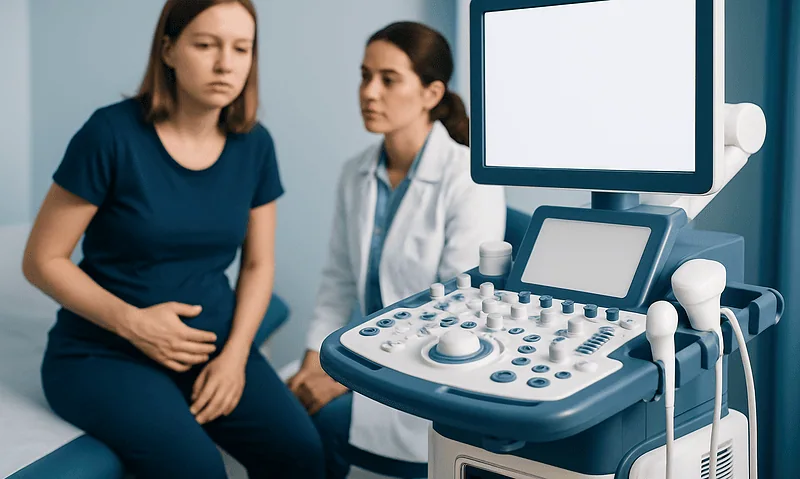
Imaging or procedures can help when symptoms are persistent, severe, or unclear. Ultrasound is often used to evaluate the gallbladder and liver. CT scans may be considered if pancreatitis or another abdominal problem is suspected. Upper endoscopy allows a specialist to view the esophagus, stomach, and first part of the small intestine directly, and it is especially useful when there are alarm symptoms or concern about ulcers, bleeding, or significant inflammation. In some cases, doctors may recommend upper endoscopy to clarify the diagnosis.
Treatment options and symptom relief
Treatment for epigastric pain depends on the cause rather than the symptom alone. For indigestion or reflux, doctors may recommend smaller meals, avoiding trigger foods, limiting alcohol, not lying down soon after eating, and using medicines that reduce stomach acid when appropriate. If gastritis or an ulcer is found, treatment may include acid suppression and, when indicated, therapy to eliminate Helicobacter pylori.
If gallbladder disease is responsible, management can range from observation to surgery, depending on symptoms and complications. When people have recurrent upper abdominal pain linked to gallstones, a doctor may discuss gallbladder surgery as a definitive treatment. Pancreatitis, on the other hand, usually needs prompt medical assessment and supportive hospital care because it can become serious quickly.
Functional dyspepsia and non-ulcer upper abdominal pain may improve with a combination of diet changes, stress management, careful medication review, and follow-up with a gastroenterologist. If reflux symptoms are persistent or difficult to control, further evaluation for gastroesophageal reflux disease may be appropriate. Treatment should always be individualized, especially when symptoms recur or over-the-counter remedies are used frequently.
Near the end of the care pathway, if specialist evaluation is needed, Acibadem International’s multidisciplinary specialists and JCI-accredited hospitals diagnose and treat digestive conditions for international patients, including cases where imaging, endoscopy, or surgery may be required.
Self-care and when to seek medical care
For mild, short-lived epigastric pain, simple self-care measures may help. Eating slowly, choosing smaller meals, reducing alcohol, avoiding large late meals, and limiting medicines that irritate the stomach can make a difference. Some people benefit from identifying personal triggers such as spicy foods, coffee, or high-fat meals. Staying upright for a while after eating can also reduce reflux-related discomfort.
However, self-care is not enough for every situation. Medical assessment is important if the pain keeps returning, lasts more than a few days, is getting worse, or interferes with eating and daily life. It is also wise to seek evaluation for symptoms such as persistent nausea, reduced appetite, unexplained weight loss, or frequent use of antacids without lasting relief.
Urgent medical care is needed if epigastric pain is severe, sudden, or occurs with chest pressure, shortness of breath, fainting, sweating, vomiting blood, black stools, a rigid abdomen, fever, or repeated vomiting. These symptoms can signal bleeding, infection, pancreatitis, heart problems, or another condition that should be treated quickly.
- Seek routine care for recurring or unexplained upper abdominal pain.
- Seek earlier review if there is trouble swallowing, anemia, or weight loss.
- Seek urgent care for severe pain, bleeding, chest symptoms, or dehydration.
Frequently asked questions
Is epigastric pain the same as heartburn?
Not exactly. Heartburn is a burning feeling usually caused by acid reflux, while epigastric pain is a broader term for discomfort in the upper middle abdomen. Heartburn can be one cause of epigastric pain, but ulcers, gastritis, gallbladder problems, and other conditions can also cause it.
Can gas cause epigastric pain?
Yes, trapped gas and bloating can cause pressure or discomfort in the upper abdomen. Even so, gas is not the only explanation, especially if the pain is severe, persistent, or accompanied by vomiting, fever, or weight loss. Recurrent symptoms should be discussed with a doctor.
What foods can trigger epigastric pain?
Trigger foods vary, but common examples include very fatty meals, spicy foods, large portions, alcohol, and sometimes coffee or acidic drinks. These foods may worsen indigestion or reflux in sensitive people. A simple food and symptom diary can help identify personal triggers.
When is epigastric pain an emergency?
Epigastric pain needs urgent medical attention if it is sudden, very severe, or happens with chest tightness, shortness of breath, sweating, fainting, vomiting blood, black stools, fever, or ongoing vomiting. These features can indicate bleeding, pancreatitis, gallbladder inflammation, or even a heart problem. It is safest not to wait when red-flag symptoms are present.
How do doctors test for the cause of epigastric pain?
Doctors begin with questions about the pain pattern, associated symptoms, medicines, and meal triggers, followed by an examination. Depending on the suspected cause, they may order blood tests, ultrasound, stool tests, Helicobacter pylori testing, CT imaging, or upper endoscopy. The chosen tests depend on the person’s age, symptoms, and risk factors.
Can stress cause epigastric pain?
Stress can contribute to upper abdominal discomfort by increasing sensitivity in the digestive system and worsening indigestion or reflux symptoms. It does not explain every case, and it should not be assumed to be the only cause without proper evaluation. If symptoms are ongoing or changing, medical review is important.
References
- National Institute of Diabetes and Digestive and Kidney Diseases
- American College of Gastroenterology
- Mayo Clinic
- National Health Service
- Merck Manual Consumer Version
This article is for general information only and is not a substitute for professional medical advice. Please consult a qualified doctor about your individual situation.
Persistent digestive symptoms? Get evaluated in Turkey
JCI-accredited · board-certified surgeons · reply within 24h
Add us as a Preferred Source to see more of our trusted health content across Google Search, AI Overviews and Discover.

More from the Health Library


Related Specialists

Dr. M. Mümtaz Özarar
Breast Clinic Clinical Service
Dr. Semra Mehmetoğlu
Pediatrics
Dr. Ömercan Yağız Öksüz
Aesthetic Plastic & Reconstructive Surgery
Dt. Sardar Fettahzade
Oral & Dental Health