Essential Tremor: Hand Shaking, Diagnosis, and Treatment Choices

Essential tremor usually appears during movement or when holding a posture, rather than when the hands are fully at rest. The condition most commonly affects the hands, but it can also involve the head, voice, arms, or other body areas.
Key Takeaways
- Essential tremor usually appears during movement or when holding a posture, rather than when the hands are fully at rest.
- The condition most commonly affects the hands, but it can also involve the head, voice, arms, or other body areas.
- Diagnosis is mainly based on medical history and a neurological examination, with tests used when another cause must be ruled out.
- Treatment may include lifestyle changes, occupational strategies, medications, injections, or advanced procedures for selected patients.
- A doctor should evaluate new, worsening, one-sided, or function-limiting tremor to confirm the cause and discuss safe options.
Essential tremor is a common neurological movement disorder that most often causes shaking of the hands during activities such as writing, eating, or holding a cup. Although it can be frustrating, careful diagnosis and a range of treatment choices can help many people manage symptoms and maintain independence.
Overview
Essential tremor is a neurological movement disorder that causes rhythmic shaking, most often in the hands and arms. The tremor is typically most noticeable during action, such as writing, using utensils, buttoning clothes, shaving, applying makeup, or lifting a glass. Some people also notice a trembling voice, a head nodding movement, or shaking in other parts of the body.
Despite its name, essential tremor is not always mild. For some people it is only a small inconvenience, while for others it can interfere with work, meals, hobbies, and social confidence. The condition is generally not life-threatening, and it is different from Parkinson disease, although the two can sometimes be confused because both may involve shaking.
Essential tremor can occur at any adult age, but it becomes more common with aging. It often develops gradually and may progress slowly over years. A clear diagnosis is important because tremor can have many possible causes, including medication effects, thyroid disease, anxiety, neurological conditions, and excessive stimulant use.
Symptoms and How Essential Tremor Feels
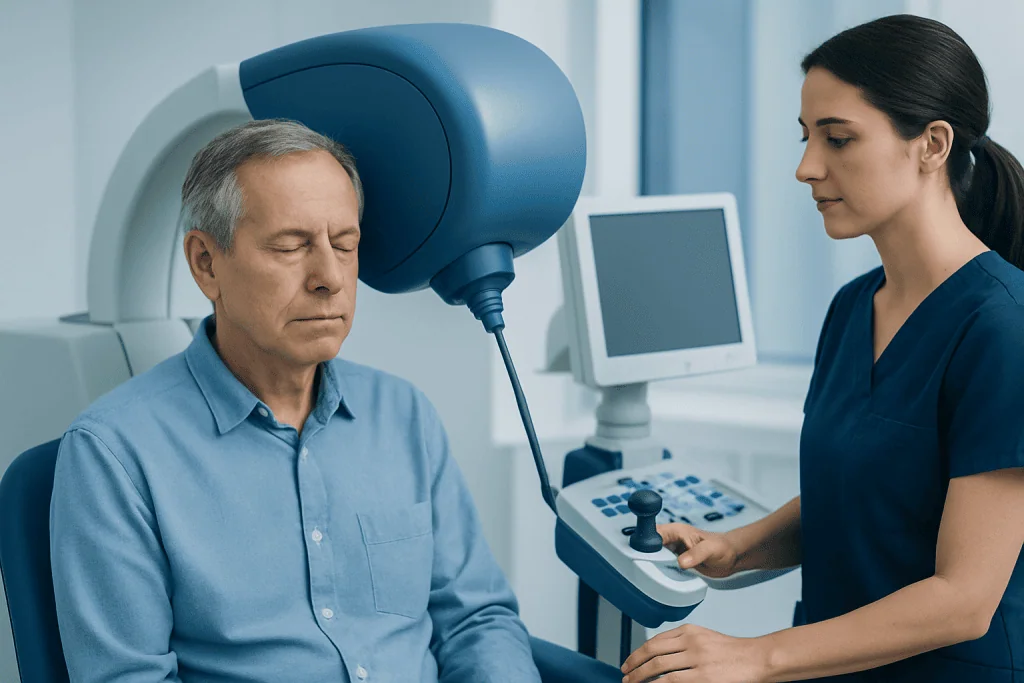
The main symptom of essential tremor is a regular, back-and-forth shaking movement. It is usually an action tremor, meaning it appears when a person is using the affected body part. A person may be steady at rest but begin shaking when reaching for an object, holding a phone, pouring tea, signing a document, or typing.
Common features include:
- Shaking in both hands, although one side may be more affected.
- Tremor that worsens with stress, fatigue, hunger, caffeine, or strong emotions.
- Difficulty with fine hand tasks, such as handwriting or using small tools.
- A shaky or quivering voice in some people.
- Head tremor, often described as a yes-yes or no-no movement.
Symptoms can vary from day to day. Many people find that the tremor is more noticeable when they feel rushed, tired, or watched by others. This does not mean the tremor is psychological; rather, the nervous system pathways involved in tremor can become more active under physical or emotional stress.
Essential tremor usually does not cause muscle weakness, numbness, loss of consciousness, or major changes in walking by itself. If these symptoms are present, a doctor will consider other diagnoses or additional conditions. A careful examination helps separate essential tremor from other movement disorders and medical causes of shaking.
Causes and Risk Factors

The exact cause of essential tremor is not fully understood. Research suggests that it involves abnormal communication within brain networks that coordinate movement, including pathways related to the cerebellum. The cerebellum helps fine-tune movement, balance, and precision, so changes in this network can lead to rhythmic shaking during voluntary actions.
Family history is an important risk factor. Essential tremor often runs in families, and a person with an affected parent or sibling may have a higher chance of developing it. However, not everyone with essential tremor has relatives with the condition, and not everyone with a family history will develop symptoms.
Age is another factor. Essential tremor can begin in young adulthood or even earlier, but it is more often recognized in middle age and later life. Symptoms may become more noticeable over time as daily tasks require more precision or as the tremor slowly increases.
Several factors can temporarily worsen tremor even if they do not cause the disorder. These include caffeine, sleep deprivation, stress, some asthma medications, certain antidepressants or stimulants, thyroid overactivity, alcohol withdrawal, and low blood sugar. For this reason, a medication and health review is an important part of evaluation.
Diagnosis: What to Expect at the Neurology Visit
There is no single blood test or scan that proves essential tremor in every person. Diagnosis is usually clinical, meaning it is based on the pattern of symptoms, medical history, family history, medication review, and a neurological examination. The doctor may ask when the tremor started, which body parts are affected, what makes it better or worse, and how it affects daily life.
During the examination, the doctor may observe the hands at rest, with arms outstretched, and during specific tasks. The patient may be asked to draw a spiral, write a sentence, pour water between cups, touch a finger to the nose, or hold a posture. These simple tasks can reveal whether the tremor is more consistent with essential tremor, Parkinsonian tremor, dystonia, cerebellar tremor, or another condition.
Additional tests may be recommended if the history or examination suggests another cause. Blood tests may check thyroid function, liver or kidney health, medication levels, or metabolic issues. Brain imaging is not always needed, but it may be considered when symptoms are unusual, sudden, strongly one-sided, or associated with other neurological signs.
Distinguishing essential tremor from Parkinson disease is a common concern. Essential tremor usually occurs with action and often affects both hands, while Parkinsonian tremor often begins on one side and may be more prominent at rest. However, symptoms can overlap, so assessment by a neurologist or movement disorders specialist can be very helpful.
Treatment Options
Treatment is guided by how much the tremor affects the person’s life. Mild tremor that does not interfere with daily activities may not need medication. In these cases, education, avoiding triggers, and practical adaptations may be enough. When tremor causes embarrassment, affects work, makes eating difficult, or limits independence, medical treatment can be considered.
Commonly used medications include certain beta blockers and anti-seizure medicines. These medicines can reduce tremor in some people, but they are not suitable for everyone and may have side effects or interactions. Other medications may be considered in selected cases, especially when first-line options are not effective or cannot be used. A doctor will individualize treatment based on age, heart and lung health, other medicines, and personal goals.
Botulinum toxin injections may help some people with head tremor, voice tremor, or hand tremor, particularly when medications are not enough. Injections must be carefully targeted because too much weakening of nearby muscles can affect grip, speech, or swallowing. The benefits are temporary, so repeat treatments may be needed if they are effective and well tolerated.
For severe, medication-resistant essential tremor, advanced procedures may be discussed. Deep brain stimulation uses implanted electrodes to modulate tremor-related brain circuits, while focused ultrasound creates a precisely targeted treatment area without an implanted device. These approaches are usually considered only after detailed specialist evaluation, because each has benefits, limitations, and possible risks.
Prevention, Self-care, and Daily Living Strategies
Essential tremor cannot always be prevented, especially when there is a genetic tendency. However, many people can reduce day-to-day tremor severity by identifying and managing triggers. Keeping a simple symptom diary may help reveal patterns related to caffeine, poor sleep, missed meals, stress, or specific medicines.
Practical strategies can make daily tasks easier. Weighted utensils, cups with lids, larger-handled pens, electric razors, voice-to-text tools, and supportive wrist positions may reduce frustration. Occupational therapy can be valuable because therapists can recommend adaptive tools and teach techniques for writing, cooking, dressing, and computer use.
Healthy routines may also help the nervous system work more steadily. Regular sleep, balanced meals, hydration, moderate physical activity, and relaxation techniques can reduce factors that amplify tremor. People should not start or stop prescription medicines, supplements, or alcohol use as a tremor strategy without medical guidance, as this can be unsafe.
Emotional wellbeing matters too. Some people avoid meals with others or stop activities they enjoy because they worry that the tremor will be noticed. Education, support groups, counseling, and open conversations with family or colleagues can reduce isolation and help people focus on practical solutions rather than embarrassment.
When to See a Doctor
A medical evaluation is recommended for any new tremor, especially if it appears suddenly, worsens quickly, affects only one side, or is accompanied by weakness, numbness, balance problems, confusion, severe headache, speech changes, or vision symptoms. These features do not necessarily mean something serious is present, but they deserve prompt assessment.
People with a known diagnosis of essential tremor should also seek follow-up if symptoms begin to interfere with eating, writing, work, driving safety, or self-care. Treatment plans can be adjusted over time, and new options may become appropriate as needs change. Medication side effects, new health conditions, or new prescriptions can also alter tremor control.
A neurologist or movement disorders specialist can help confirm the diagnosis and build a personalized treatment plan. For international patients, Acibadem International’s multidisciplinary specialists and JCI-accredited hospitals provide diagnostic evaluation and treatment planning for neurological movement disorders, including essential tremor, within an evidence-based care setting.
Frequently asked questions
Is essential tremor the same as Parkinson disease?
No. Essential tremor and Parkinson disease are different neurological conditions, although both can involve shaking. Essential tremor usually appears during action, while Parkinsonian tremor is often more noticeable at rest and may be associated with slowness, stiffness, or walking changes. A neurologist can help distinguish them through history and examination.
Can essential tremor go away on its own?
Essential tremor is usually a long-term condition and often does not disappear completely. Symptoms may fluctuate, and some days may be better than others depending on sleep, stress, caffeine, and general health. Treatment and self-care can reduce its impact even when the tremor remains present.
Does stress cause essential tremor?
Stress does not usually cause essential tremor by itself, but it can make the shaking more noticeable. Many people find that tremor worsens when they are anxious, tired, rushed, or in a public situation. Stress management can be helpful, but persistent tremor should still be medically evaluated.
What foods or drinks can worsen shaky hands?
Caffeine is a common trigger, so coffee, energy drinks, strong tea, and some cola drinks may worsen tremor in sensitive people. Skipping meals, dehydration, or low blood sugar can also make shaking more obvious. A doctor or dietitian can offer personalized advice, especially for people with diabetes or other medical conditions.
Are medications for essential tremor safe?
Medications used for essential tremor can be helpful, but they are not suitable for every person. Some may affect heart rate, blood pressure, breathing conditions, alertness, or balance, and they can interact with other medicines. A qualified doctor should review the person’s full medical history before prescribing treatment.
When is surgery considered for essential tremor?
Procedures such as deep brain stimulation or focused ultrasound are usually considered when tremor is severe, disabling, and not adequately controlled with medicines. The decision requires detailed evaluation by specialists, including discussion of expected benefits, possible risks, and long-term follow-up needs. These treatments are not necessary for most mild cases.
References
- National Institute of Neurological Disorders and Stroke
- American Academy of Neurology
- International Parkinson and Movement Disorder Society
- Mayo Clinic
- NHS
This article is for general information only and is not a substitute for professional medical advice. Please consult a qualified doctor about your individual situation.
Tremor in Turkey — costs, top hospitals & a free quote
JCI-accredited · board-certified surgeons · reply within 24h
Add us as a Preferred Source to see more of our trusted health content across Google Search, AI Overviews and Discover.