

Essential Tremor Treatment: Symptoms, Causes, and Treatment Options

Essential tremor most often causes rhythmic shaking of the hands, especially during action or when holding a posture. Treatment is based on how much symptoms affect eating, writing, work, and quality of life.
Key Takeaways
- Essential tremor most often causes rhythmic shaking of the hands, especially during action or when holding a posture.
- Treatment is based on how much symptoms affect eating, writing, work, and quality of life.
- Common approaches include avoiding triggers, using medication, occupational strategies, and sometimes device-based or surgical treatment.
- A careful diagnosis is important because tremor can also occur with Parkinson’s disease, thyroid problems, medication side effects, and other conditions.
- Medical review is important if tremor starts suddenly, worsens quickly, or occurs with other neurological symptoms.
Essential tremor treatment aims to reduce shaking and improve daily function. Many people benefit from a combination of trigger control, medication, therapy, and in selected cases procedures such as deep brain stimulation.
Overview: what essential tremor treatment involves
Essential tremor treatment is designed to lessen involuntary shaking, improve day-to-day activities, and support confidence and independence. Treatment does not always mean surgery or long-term medication. For many people, the best plan starts with understanding triggers, confirming the diagnosis, and choosing the least invasive option that provides meaningful relief.
Essential tremor is a common movement disorder. It usually affects the hands and arms, but it can also involve the head, voice, jaw, or, less often, other parts of the body. The tremor is typically most noticeable during action, such as writing, drinking from a cup, using utensils, or holding the arms outstretched.
Symptoms can be mild for years or become more disruptive over time. Some people need only occasional support for specific situations, while others benefit from regular treatment. A neurologist, especially one with experience in movement disorders, can help match treatment choices to the person’s symptoms, health status, age, work demands, and goals.
Symptoms and how essential tremor affects daily life
The hallmark symptom of essential tremor is rhythmic shaking, most often in both hands. It usually appears when the hands are being used rather than when they are fully at rest. Tasks that require precision can become more difficult, including buttoning clothing, applying makeup, shaving, typing, writing, pouring liquids, or using tools.
Some people notice tremor in the head, causing a “yes-yes” or “no-no” movement. Others may have a shaky voice when speaking. The tremor can be mild and occasional at first, then become more obvious with stress, fatigue, caffeine, strong emotions, or sleep deprivation.
Essential tremor does not usually cause weakness, numbness, or loss of consciousness. However, it can still have a meaningful impact on quality of life. People may avoid social meals, public speaking, or hobbies because of embarrassment or frustration. When symptoms overlap with other movement symptoms, doctors may also consider related neurological conditions such as Parkinson’s disease.
- Shaking during movement or while holding a posture
- Difficulty with handwriting or fine motor tasks
- Tremor that may improve temporarily after a small amount of alcohol in some people, though this is not a recommended treatment
- Symptoms that often worsen with stress, tiredness, or stimulants
Causes and risk factors

The exact cause of essential tremor is not fully understood, but it is thought to involve abnormal signaling in brain networks that help coordinate movement. In many people, it runs in families, which suggests a genetic component. A person with a close relative who has the condition may be more likely to develop it, although family history is not present in every case.
Age is another important factor. Essential tremor can begin at almost any age, but it becomes more common in later adulthood. The severity and pattern vary widely from person to person. Some people have stable symptoms for many years, while others notice slow progression.
It is also important to recognize what essential tremor is not. Tremor can be caused or worsened by overactive thyroid, low blood sugar, anxiety, certain medications, excess caffeine, alcohol withdrawal, or other neurological disorders. This is one reason a proper medical evaluation matters before deciding on treatment.
How doctors diagnose essential tremor
There is no single blood test or scan that confirms essential tremor. Diagnosis is mainly clinical, based on the person’s symptoms, medical history, family history, and a neurological examination. The doctor usually asks when the tremor started, what makes it better or worse, which body parts are involved, and how much it affects daily activities.
During the examination, the clinician may observe the hands at rest, when held out, and during tasks such as drawing a spiral, pouring water, or touching a finger to the nose. This helps distinguish essential tremor from other tremor types. If there are signs that suggest another cause, additional tests may be recommended.
These tests can include blood work to look for metabolic or hormonal causes, and occasionally brain imaging if the presentation is unusual. In some cases, a specialist may evaluate for other movement disorders if stiffness, slowness, or balance changes are present. The goal is to identify the right diagnosis before starting or escalating treatment.
Treatment options: from lifestyle changes to procedures
Essential tremor treatment is individualized. If symptoms are mild and do not interfere with daily life, treatment may begin with practical adjustments alone. Reducing caffeine, improving sleep, managing stress, and planning tasks for times of day when tremor is less noticeable can help. Weighted utensils, spill-proof cups, voice support strategies, and adaptive writing tools may also reduce frustration.
When tremor is more bothersome, doctors may recommend medication. The choice depends on age, other health conditions, symptom severity, and possible side effects. Medicines can reduce tremor in many people, but they may not remove it completely. Follow-up is important so the treatment plan can be adjusted safely over time.
Occupational therapy can be especially helpful for preserving independence in eating, dressing, writing, and work-related tasks. In selected people with significant symptoms that do not respond well enough to medication, device-based or surgical options may be considered. These include deep brain stimulation and other specialist procedures aimed at tremor control.
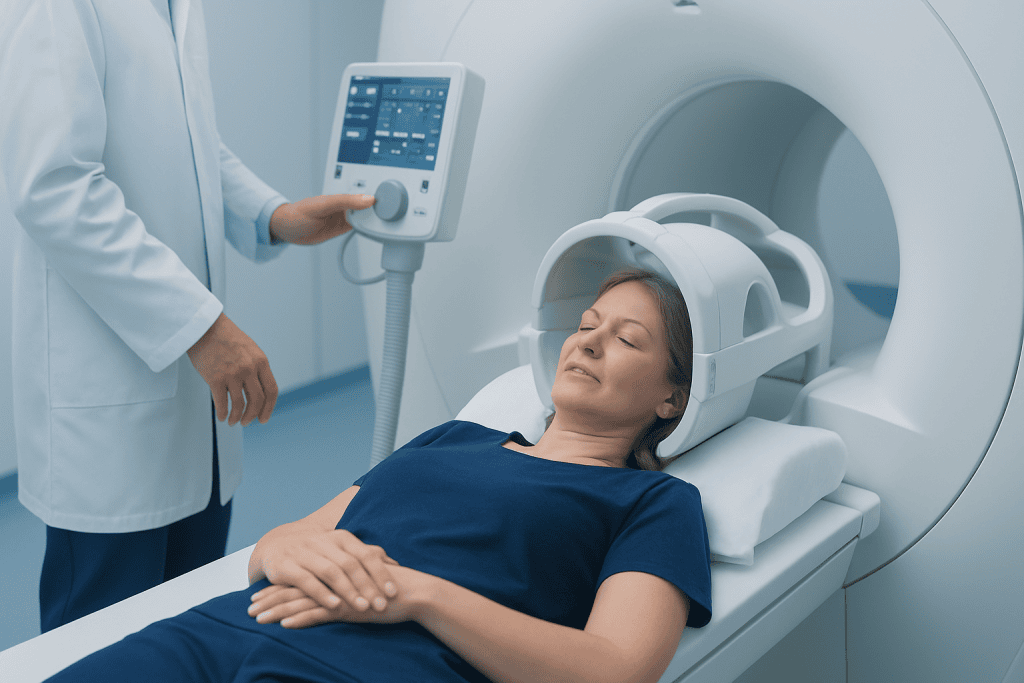
For some patients, advanced imaging and multidisciplinary neurological assessment help guide decision-making before an intervention. Depending on the clinical situation, specialists may use MRI as part of evaluation, and some centers may consider Gamma Knife radiosurgery in carefully selected cases where it is appropriate. The best option depends on tremor pattern, general health, goals, and the risks and benefits of each approach.
Living with essential tremor: self-care and prevention strategies
There is no known way to fully prevent essential tremor, especially when there is a family tendency. However, many people can reduce symptom flares and maintain function through self-care habits. Identifying personal triggers is often one of the most useful steps. A diary of sleep, stress, caffeine intake, and symptom severity can reveal patterns.
Simple lifestyle measures can make a noticeable difference. Good sleep, regular meals, hydration, stress management, and limiting stimulants may all help steady symptoms. Alcohol should not be used as a treatment strategy, even though some people notice short-term improvement, because it can lead to rebound worsening and other health problems.
Practical adaptations are also important. Choosing cups with lids, using both hands for certain tasks, sitting while doing fine work, and using larger-handled utensils or pens can reduce the impact of tremor. Support from family, workplace adjustments, and therapy for anxiety or social stress may help people stay active and engaged rather than avoiding daily activities.
When to seek medical care
A medical review is recommended when tremor begins to interfere with eating, drinking, writing, work, driving, communication, or social life. A doctor should also assess tremor that appears for the first time in adulthood, especially if the diagnosis is uncertain or symptoms are causing distress.
Prompt medical care is especially important if tremor starts suddenly, worsens rapidly, or happens together with weakness, numbness, trouble walking, confusion, speech changes, or severe headache. These features are not typical of essential tremor and may point to another condition that needs urgent attention.
People who are considering procedural treatment should be evaluated by an experienced multidisciplinary team. Near the end of the treatment pathway, it may be helpful to discuss specialist centers; Acibadem International’s multidisciplinary specialists in JCI-accredited hospitals diagnose and treat movement disorders for international patients, with treatment plans tailored to individual needs.
Frequently asked questions
What is the best essential tremor treatment?
The best essential tremor treatment depends on how severe the shaking is and how much it affects daily life. Many people start with trigger management and medication, while others with more disabling symptoms may benefit from therapy or procedures such as deep brain stimulation.
Can essential tremor go away on its own?
Essential tremor usually does not completely go away on its own. In many people it remains stable for a long time, while in others it slowly progresses. Even when it does not disappear, treatment can often make symptoms easier to manage.
How is essential tremor different from Parkinson’s disease?
Essential tremor most often happens during action, such as writing or holding a cup, while Parkinson’s tremor is often more noticeable at rest. Parkinson’s disease may also include stiffness, slowness of movement, and balance changes, which are not typical features of essential tremor.
Is essential tremor hereditary?
It can be. Many people with essential tremor have a family history of similar shaking, which suggests a genetic tendency. However, some people develop it without any known relatives being affected.
When is surgery considered for essential tremor?
Surgery or device-based treatment is usually considered when tremor significantly affects quality of life and medicines do not provide enough benefit or cause unwanted side effects. A specialist team weighs the expected benefits, risks, and whether the tremor pattern is suitable for a procedure.
Does caffeine make essential tremor worse?
For many people, yes. Caffeine and other stimulants can increase shakiness, especially when combined with stress or lack of sleep. Reducing or avoiding these triggers may help decrease symptom flare-ups.
References
- National Institute of Neurological Disorders and Stroke
- National Health Service
- Mayo Clinic
- American Academy of Neurology
- International Parkinson and Movement Disorder Society
This article is for general information only and is not a substitute for professional medical advice. Please consult a qualified doctor about your individual situation.
Tremor in Turkey — costs, top hospitals & a free quote
JCI-accredited · board-certified surgeons · reply within 24h
Add us as a Preferred Source to see more of our trusted health content across Google Search, AI Overviews and Discover.

More from the Health Library



Related Specialists

Öznur Tanişman
Physical Medicine & Rehabilitation
Fzt. Alperen Mustafa Oğuz
Physical Medicine & Rehabilitation
Assoc. Prof. Dr. Aysun Işıklar
Internal Medicine
Fzt. Defne Sürek
Physical Medicine & Rehabilitation