

Ethmoid Bone — Explained by Medical Evidence, Not Myths
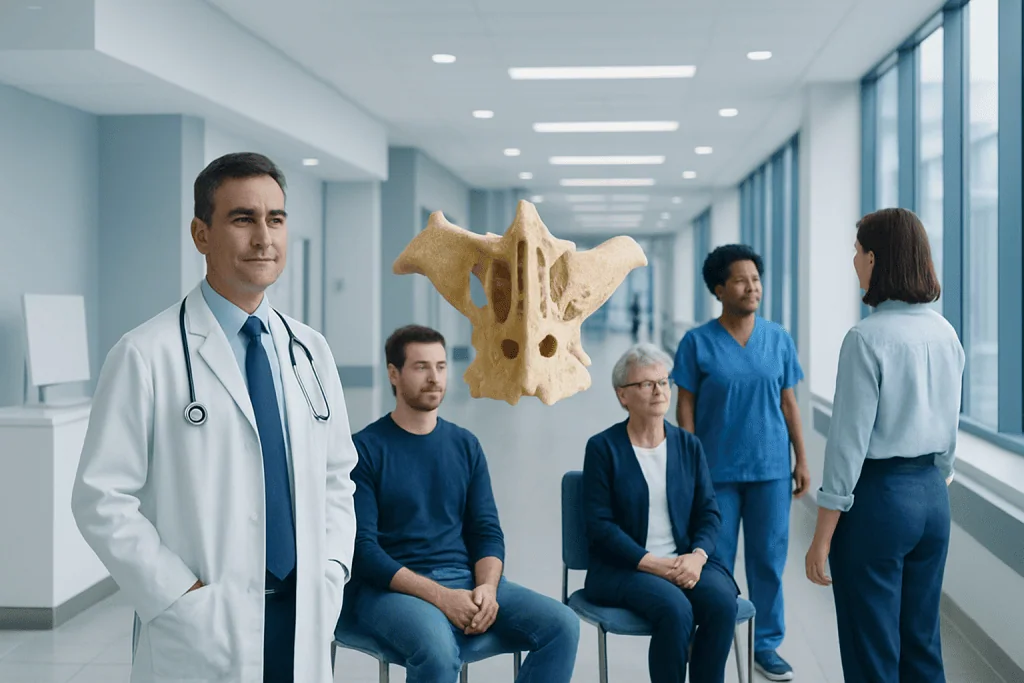
The ethmoid bone sits between the eyes and contributes to the nose, eye sockets, and sinus walls. Its honeycomb-like air cells are part of the paranasal sinuses and can become inflamed during sinusitis.
Key Takeaways
- The ethmoid bone sits between the eyes and contributes to the nose, eye sockets, and sinus walls.
- Its honeycomb-like air cells are part of the paranasal sinuses and can become inflamed during sinusitis.
- Ethmoid bone problems may arise from infection, trauma, polyps, or less commonly tumors.
- Diagnosis often involves physical examination, nasal endoscopy, and imaging such as CT or MRI when needed.
- Treatment depends on the cause and may include medicines, monitoring, or surgery for selected cases.
- Urgent medical evaluation is important after facial trauma, vision changes, severe swelling, or signs of serious infection.
The ethmoid bone is a small, delicate bone located between the eyes at the roof of the nose. It helps form the nasal cavity, eye sockets, and parts of the sinuses, so problems affecting it may involve breathing, sinus symptoms, vision-related concerns, or facial pain.
Overview: what the ethmoid bone is
The ethmoid bone is a lightweight bone deep in the center of the face, positioned between the eyes and just behind the bridge of the nose. Although small, it plays an important structural role: it helps form the roof of the nasal cavity, part of the inner eye sockets, and sections of the walls that separate the nose from the brain.
It also contains multiple tiny air-filled spaces called ethmoid air cells, which are part of the paranasal sinus system. Because of this close relationship with the nose, sinuses, eyes, and skull base, conditions involving the ethmoid bone can affect several nearby structures at the same time.
People often hear about the ethmoid bone only when there is a sinus infection, facial injury, or scan finding. In reality, it is a normal and essential part of head anatomy. Understanding what it does helps explain why symptoms such as pressure between the eyes, nasal blockage, or swelling around the eyelids can sometimes be traced back to this area.
Ethmoid bone anatomy and why it matters
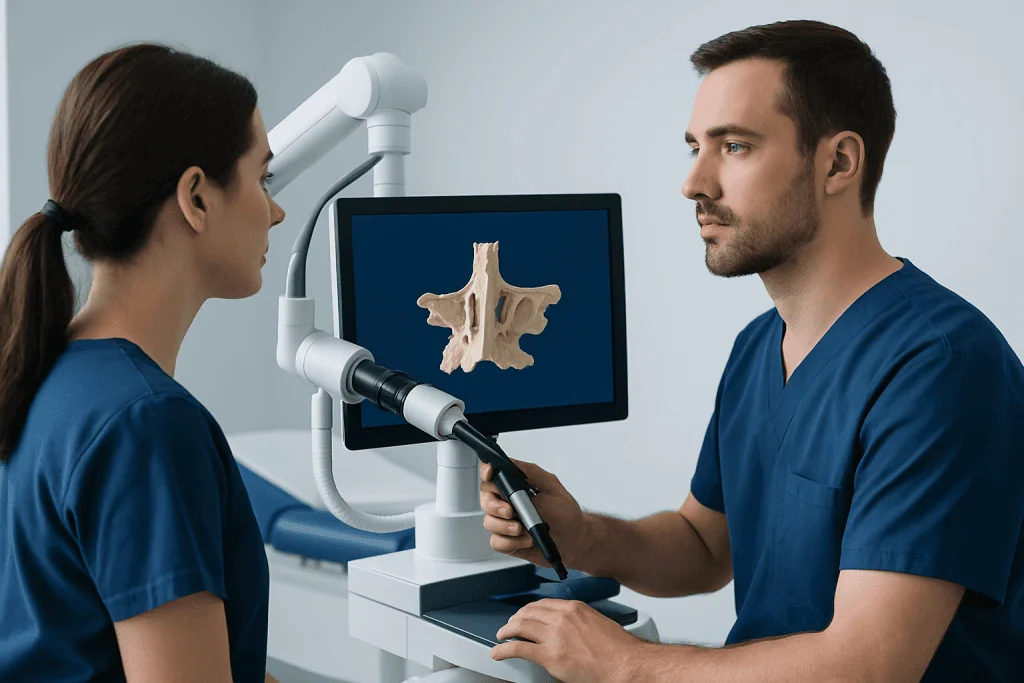
The ethmoid bone has several parts. A thin central plate forms part of the upper nasal septum, helping divide the left and right nasal passages. Another upward projection, called the crista galli, serves as an attachment point for tissues that help support the brain. On either side are delicate bony areas that contribute to the medial walls of the eye sockets and contain the ethmoid air cells.
These air cells connect with the nasal cavity and are lined with the same type of mucous membrane found in the rest of the sinuses. Their job is not fully limited to one function, but the sinus system is thought to help condition inhaled air, reduce skull weight, and contribute to voice resonance. Because drainage pathways in this region are narrow, inflammation can block them relatively easily.
The ethmoid bone matters clinically because it lies close to several sensitive structures. These include the eyes, the optic pathway, nerves related to smell, and the skull base. This is one reason doctors take symptoms such as eye swelling, double vision, persistent fever, or severe headache seriously when sinus disease is suspected.
When needed, specialists may evaluate nearby sinus conditions such as sinusitis to understand whether the ethmoid air cells are part of the problem. The anatomy also explains why some cases are managed by ear, nose, and throat specialists working closely with radiologists, ophthalmologists, or neurosurgeons.
Common symptoms linked to the ethmoid region

The ethmoid bone itself does not usually cause symptoms unless the surrounding tissues are affected. Most complaints come from inflammation, infection, trauma, or pressure involving the ethmoid sinuses and neighboring structures. Symptoms can be mild and temporary or more persistent depending on the cause.
Common symptoms may include:
- Pressure or pain between the eyes
- Nasal congestion or blockage
- Runny nose or postnasal drip
- Reduced sense of smell
- Headache, especially around the forehead or bridge of the nose
- Tenderness near the inner corners of the eyes
- Swelling around the eyelids in more significant cases
If a problem extends beyond simple sinus irritation, symptoms may become more concerning. These can include fever, worsening facial swelling, thick nasal discharge, eye pain, double vision, reduced vision, or symptoms after a blow to the face. Such changes deserve prompt medical review because the ethmoid area is close to the eyes and the cranial cavity.
Causes and risk factors
The most common reason the ethmoid region becomes symptomatic is inflammation of the ethmoid sinuses, often called ethmoid sinusitis. This may occur during a viral upper respiratory infection, as part of bacterial sinusitis, or alongside chronic nasal inflammation. Allergies, anatomical narrowing, and nasal polyps can all interfere with sinus drainage and contribute to repeated symptoms.
Facial trauma is another important cause. Because the ethmoid bone is thin and fragile, it can be injured in accidents, sports injuries, or falls. A fracture in this region may occur alone or with other facial fractures. Trauma can lead to bruising, swelling, nosebleeds, changes in vision, or in rare situations leakage of fluid from the nose that may suggest a skull base injury.
Less commonly, growths in or around the nasal cavity and sinuses can involve the ethmoid bone. These may include benign polyps as well as uncommon tumors that require specialist assessment. Chronic inflammatory diseases, previous surgery, and smoking-related airway irritation may also affect the nasal-sinus environment.
Doctors may also consider related nasal conditions such as nasal polyps when congestion and blocked drainage are ongoing. Risk factors for more complicated infection include immune suppression, diabetes, delayed treatment, or spread of infection near the eye socket.
How doctors diagnose ethmoid bone problems
Diagnosis begins with a careful history and physical examination. A doctor will ask about symptom timing, recent colds, allergy history, facial injury, fever, drainage, headache, and any changes in vision. Examination may include checking the nose, face, eyes, and the areas around the sinuses for tenderness or swelling.
In many cases, especially if symptoms are short-lived and uncomplicated, extensive testing is not needed right away. However, persistent, recurrent, severe, or unusual symptoms may require further assessment. An ear, nose, and throat specialist may use nasal endoscopy to inspect the inside of the nasal passages and sinus openings more closely.
Imaging can be very useful when doctors suspect structural disease, trauma, chronic sinusitis, or a complication. A CT scan usually shows the bony anatomy and sinus air cells clearly, while MRI may be helpful when soft tissues, the orbit, or the skull base need closer evaluation. Imaging helps guide treatment and can clarify whether surgery is necessary.
If specialist care is required, related evaluations may include an ENT examination or imaging studies such as MRI. The goal is not simply to find an abnormality on a scan, but to connect imaging findings with symptoms and rule out urgent complications.
Treatment options
Treatment depends on the underlying cause. For uncomplicated viral sinus inflammation, supportive care such as hydration, rest, and symptom relief may be all that is needed. If allergies are contributing, doctors may recommend strategies to reduce triggers and control nasal inflammation. When bacterial infection is suspected, treatment is based on clinical judgment and current medical guidance.
Chronic or recurrent ethmoid sinus disease may be managed with a stepwise approach. This can include saline irrigation, prescribed nasal medications, and treatment of associated conditions such as allergies or polyps. If symptoms continue despite appropriate medical therapy, specialists may consider procedures to improve sinus drainage and ventilation.
After trauma, treatment ranges from observation to urgent intervention depending on the severity of injury and whether the eyes, nasal structure, or skull base are affected. Visual symptoms, marked facial deformity, or evidence of a deeper fracture usually require rapid specialist review. Rare masses or suspicious lesions may need biopsy and multidisciplinary planning.
When anatomy or chronic blockage is a major issue, doctors may discuss endoscopic sinus surgery to restore drainage while preserving surrounding structures. In selected cases involving broader nasal obstruction, related procedures such as septoplasty may also be part of treatment planning.
Prevention and self-care
Not every ethmoid bone problem can be prevented, but many sinus-related issues can be reduced by supporting good nasal health. Managing allergies, treating colds sensibly, avoiding smoking exposure, and staying well hydrated may help keep the nasal passages and sinus drainage pathways healthier. People who are prone to recurrent sinus symptoms should follow a doctor’s advice rather than repeatedly self-treating without assessment.
Saline nasal rinses may help some people by loosening mucus and supporting nasal hygiene, especially during upper respiratory infections or allergy flares. However, they should be used properly and with safe water according to product instructions or medical advice. Overuse of certain nonprescription nasal decongestant sprays can worsen congestion over time, so they should not be used longer than directed.
To reduce the risk of trauma, protective equipment is important during contact sports, cycling, and high-risk work. Seat belt use and basic home fall-prevention measures also matter. For people with repeated sinus symptoms, an individualized plan with an ENT specialist can help identify triggers and decide whether further evaluation is needed.
Near the end of the care pathway, some international patients seek assessment in centers where ENT, radiology, ophthalmology, and neurosurgery teams work together. Acibadem International’s multidisciplinary specialists and JCI-accredited hospitals diagnose and treat ethmoid-related sinus and facial conditions when advanced evaluation is needed.
When to seek medical care
Medical care is appropriate if symptoms around the nose and eyes are severe, last longer than expected, keep returning, or interfere with daily life. A doctor should also evaluate significant facial pain, ongoing nasal blockage on one side, repeated nosebleeds, or symptoms that do not improve with routine supportive measures.
Prompt assessment is especially important after facial trauma or when eye symptoms are present. Warning signs include swelling around one or both eyes, double vision, reduced vision, difficulty moving the eye, severe headache, persistent vomiting, confusion, high fever, or clear watery drainage from the nose after an injury. These symptoms do not always mean a serious complication is present, but they should not be ignored.
Children, older adults, and people with weakened immune systems may need earlier review because infections can sometimes progress more quickly. Seeking timely care usually helps clarify the cause and supports safer, more effective treatment.
Frequently asked questions
What does the ethmoid bone do?
The ethmoid bone helps form the nasal cavity, parts of the eye sockets, and the upper nasal septum. It also contains small air cells that are part of the sinus system. Because it is located between the eyes and near the skull base, it plays both structural and clinical roles.
Can the ethmoid bone cause sinus pain?
Pain usually comes from inflammation or blockage in the ethmoid sinuses rather than the bone itself. This can create pressure between the eyes or near the bridge of the nose. A doctor can help determine whether symptoms are due to sinusitis, allergy, trauma, or another issue.
Is an ethmoid bone fracture serious?
It can be, depending on the extent of injury and whether nearby structures are involved. Because the ethmoid region is close to the eyes and skull base, fractures may sometimes need urgent evaluation. Any vision changes, severe swelling, or fluid leaking from the nose after trauma should be assessed promptly.
How is ethmoid sinusitis diagnosed?
Diagnosis is often based on symptoms and physical examination. If symptoms are persistent, severe, or recurrent, doctors may use nasal endoscopy or imaging such as CT to look more closely at the sinus passages. Testing is usually guided by the clinical picture rather than done routinely for every cold.
Do all ethmoid bone problems need surgery?
No. Many problems in the ethmoid region improve with medical treatment, observation, or supportive care. Surgery is generally reserved for selected cases, such as chronic blockage, certain fractures, complications, or suspicious growths.
Can an ethmoid problem affect the eyes?
Yes, because the ethmoid bone forms part of the inner wall of the eye sockets. Infection, swelling, or trauma in this area can sometimes lead to eyelid swelling, eye pain, double vision, or reduced vision. Eye symptoms should be evaluated quickly.
This article is for general information only and is not a substitute for professional medical advice. Please consult a qualified doctor about your individual situation.
Explore treatments in Turkey — costs, top hospitals & a free quote
JCI-accredited · board-certified surgeons · reply within 24h
Add us as a Preferred Source to see more of our trusted health content across Google Search, AI Overviews and Discover.

More from the Health Library

Demisexual: A Complete Medical Overview

Dental Prosthesis: An Evidence-Based Guide for Patients

Pradaxa: An Evidence-Based Guide for Patients

Eating Happiness: An Evidence-Based Guide for Patients
Immunotherapy: A Complete Medical Overview

Varicella Pox — Explained by Medical Evidence, Not Myths
Orthopedic Surgery & Traumatology Specialists at Acibadem

Dr. Alp Er Tunga Bölükbaşı
Orthopedic Surgery & Traumatology
Dr. Alper Gölpınar
Orthopedic Surgery & Traumatology
Prof. Dr. Alper Kaya
Orthopedic Surgery & Traumatology
Fzt. Alperen Mustafa Oğuz
Physical Medicine & Rehabilitation