

Exercise After Weight Loss Surgery: Safe Progression and Strength Building

Walking usually begins soon after surgery, but the timing and intensity of exercise should follow the surgeon’s instructions. Strength training becomes important as weight decreases because it helps preserve muscle, posture, balance, and daily function.
Key Takeaways
- Walking usually begins soon after surgery, but the timing and intensity of exercise should follow the surgeon’s instructions.
- Strength training becomes important as weight decreases because it helps preserve muscle, posture, balance, and daily function.
- Hydration, protein intake, vitamin and mineral supplementation, and symptom awareness are essential for safe activity after bariatric surgery.
- Exercise should progress in phases, from gentle movement to structured aerobic and resistance training.
- Warning signs such as chest pain, fainting, worsening abdominal pain, or persistent vomiting require medical advice before continuing exercise.
Exercise after weight loss surgery supports recovery, muscle preservation, heart health, mobility, and long-term weight management. A safe plan progresses gradually, respects surgical healing, and is guided by the bariatric care team.
Overview
Exercise after weight loss surgery is an important part of recovery and long-term health. Bariatric procedures such as gastric sleeve, gastric bypass, and other operations can support significant weight loss, but physical activity helps the body adapt in a healthier way. It supports circulation, breathing, mobility, mood, energy levels, and the ability to perform daily activities.
The safest approach is gradual. In the early weeks, the main goal is to move gently, prevent blood clots, and support healing. Later, exercise can become more structured, with a combination of aerobic activity, flexibility, balance, and strength training. The exact timeline depends on the procedure, the patient’s previous fitness level, wound healing, nutrition, and any medical conditions.
Patients should not compare their progress with others. Some people are able to walk comfortably within days, while others need more time because of fatigue, joint pain, anemia, or other health concerns. A personalized plan from the bariatric surgeon, dietitian, physiotherapist, or exercise specialist is the best way to build safely and confidently.
Why Exercise Matters After Bariatric Surgery
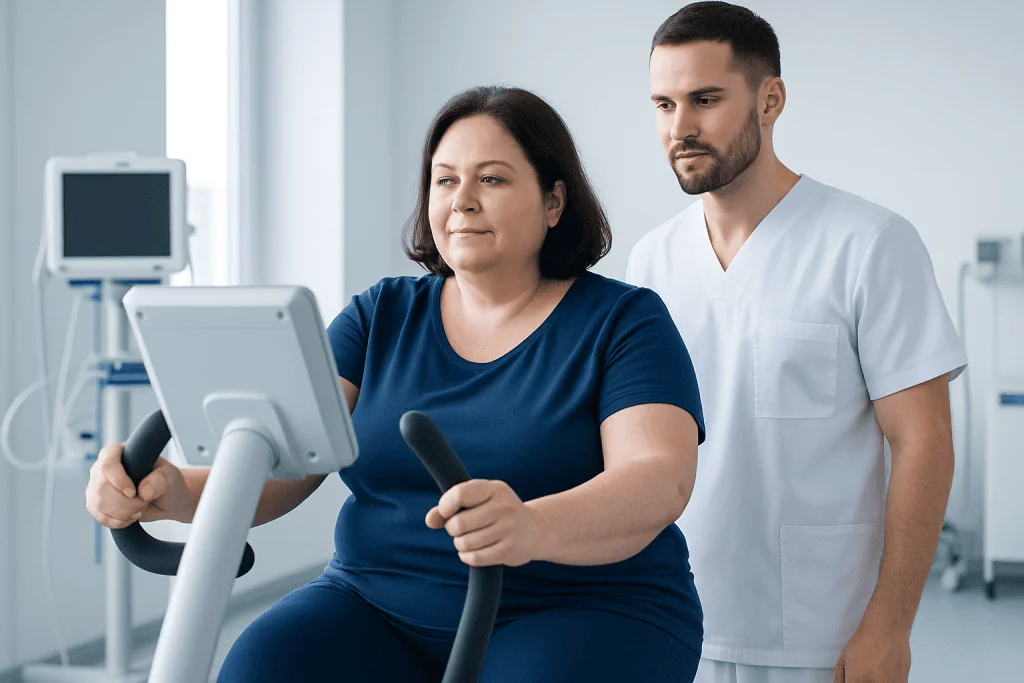
Weight loss after bariatric surgery comes from reduced food intake, hormonal changes, and improved metabolic regulation. However, without movement and adequate nutrition, some loss of lean muscle can occur along with fat loss. Preserving muscle is important because muscle supports posture, balance, joint protection, mobility, and resting energy use.
Exercise also helps patients rebuild confidence in their bodies. Many people who lived with obesity may have avoided activity because of knee pain, back pain, breathlessness, embarrassment, or past negative experiences. A gentle, non-judgmental plan can make movement feel achievable again. Even short walks repeated throughout the day can be meaningful in the early recovery period.
Over time, regular physical activity may support better blood pressure, blood sugar control, cholesterol levels, sleep quality, and mental well-being. It also helps establish routines that support long-term weight maintenance. Exercise is not a punishment for eating; it is a tool for recovery, strength, and quality of life.
Safe Progression: From Walking to Structured Training

Most bariatric programs encourage gentle walking soon after surgery, often while still in the hospital, unless there is a medical reason to delay. Walking helps circulation, lung expansion, digestion, and confidence. During the first days and weeks, patients are usually advised to walk slowly, increase time gradually, and avoid pushing through pain, dizziness, or shortness of breath.
During the early healing phase, heavy lifting, strenuous abdominal exercises, intense cardio, and high-impact activity are usually restricted. This helps protect incisions and deeper tissues while the body repairs. The bariatric team should provide specific instructions about when to resume lifting, driving, work, swimming, and gym activities, as recommendations can differ depending on the operation and recovery.
A common progression may include:
- Short, frequent walks during the first stage of recovery.
- Longer walks and gentle mobility exercises as energy improves.
- Low-impact aerobic exercise such as stationary cycling, water walking, or elliptical training after medical clearance.
- Light resistance training once the surgeon confirms that healing is sufficient.
- More structured strength and endurance training over the following months.
The best pace is one that allows steady progress without setbacks. Mild muscle soreness after new activity can be normal, but sharp pain, increasing abdominal discomfort, wound changes, faintness, or persistent nausea should be discussed with a healthcare professional.
Strength Building After Weight Loss Surgery
Strength training is especially valuable after bariatric surgery because rapid weight loss can reduce both fat mass and muscle mass. Resistance exercise helps the body maintain and rebuild lean tissue. It also supports bone health, joint stability, balance, and independence with daily tasks such as climbing stairs, carrying groceries, and standing from a chair.
When cleared by the surgical team, strength work usually begins with light resistance and controlled movements. This may include body-weight exercises, resistance bands, light hand weights, or supervised machines. Early goals are good technique, steady breathing, and pain-free movement rather than heavy lifting. Exercises that strongly strain the abdominal wall should wait until the surgeon confirms it is safe.
A balanced strength routine often includes movements for the legs, hips, back, chest, shoulders, arms, and core stability. Examples may include sit-to-stand exercises, wall push-ups, band rows, step-ups, light shoulder presses, and gentle core bracing. Patients with knee arthritis, back pain, hernias, neuropathy, or balance problems may need modifications from a physiotherapist.
Progression should be gradual. Increasing repetitions, adding a small amount of resistance, or adding one extra exercise is usually safer than making several changes at once. Rest days are part of training because muscles strengthen during recovery, not only during exercise.
Nutrition, Hydration, and Energy Safety
Exercise after weight loss surgery must be matched with careful nutrition and hydration. The stomach or digestive pathway has changed, and patients may not be able to drink or eat large amounts at once. Dehydration can happen more easily, particularly with sweating, warm weather, vomiting, diarrhea, or inadequate fluid intake.
Protein is important for healing, immune function, and muscle preservation. Bariatric dietitians usually provide individualized protein goals and meal timing advice. Patients should also take prescribed vitamin and mineral supplements as directed, because deficiencies can affect energy, nerve function, bone health, and exercise tolerance.
Some people, especially after gastric bypass or similar procedures, may experience symptoms related to food timing and blood sugar changes. These may include shakiness, sweating, weakness, dizziness, or rapid heartbeat. Exercising on an empty stomach or too soon after certain foods may worsen symptoms in some patients. The bariatric team can help adjust meal composition, timing, and activity plans.
Practical safety habits include sipping fluids regularly, avoiding alcohol around exercise, choosing comfortable clothing, warming up and cooling down, and carrying identification or medical information when exercising outdoors. Patients should ask their clinician when electrolyte drinks are appropriate, as some products are high in sugar and may not be suitable.
Adapting Exercise to Common Challenges
Many patients begin exercise with joint pain, low stamina, loose skin discomfort, or fear of injury. Low-impact activities are often helpful because they reduce stress on the knees, hips, and spine. Walking, stationary cycling, water-based exercise, and seated strength routines can be effective starting points. Supportive shoes and gradual increases in duration can make activity more comfortable.
Fatigue is common during the early months, especially while the body adapts to a lower intake and rapid weight change. If energy is low, short sessions can be divided throughout the day. For example, several brief walks may be better tolerated than one long session. Sleep, hydration, protein intake, and follow-up blood tests can all influence energy levels.
Loose or changing skin can cause friction, pulling, or self-consciousness during movement. Moisture-wicking clothing, supportive garments, and skin care may help. Any persistent rash, open area, odor, or pain under skin folds should be evaluated, as skin irritation can sometimes require medical treatment.
Emotional barriers are also real. Some patients feel pressure to become highly active quickly, while others worry they will fail. A supportive plan focuses on consistency rather than perfection. Enjoyable movement, realistic goals, and professional encouragement can help exercise become a sustainable part of life.
Prevention, Self-Care, and Long-Term Routine
A long-term exercise routine should include aerobic activity, strength training, flexibility, and balance. Aerobic exercise supports heart and lung fitness, while resistance training protects muscle and function. Stretching and mobility work can reduce stiffness, and balance exercises may lower fall risk as body weight and posture change.
Patients often do best when exercise is scheduled like any other health appointment. Tracking steps, minutes, strength sessions, or energy levels can help show progress that is not visible on the scale. Non-scale victories, such as walking farther, sleeping better, climbing stairs more easily, or reducing joint pain, are important signs of improvement.
Safe self-care includes listening to symptoms and respecting recovery. Exercise should be challenging but not punishing. Patients should avoid extreme routines, dehydration practices, very restrictive dieting combined with intense workouts, or unverified supplements. Any supplement marketed for rapid fat loss or performance should be discussed with a doctor, especially after bariatric surgery.
Follow-up appointments remain important even when weight loss is going well. The bariatric team can monitor nutrition, blood tests, medications, surgical healing, and exercise readiness. Near the end of recovery and beyond, multidisciplinary centers such as Acibadem International can support international patients with coordinated bariatric, nutrition, rehabilitation, and medical follow-up in JCI-accredited hospitals.
When to See a Doctor
Patients should contact their bariatric team before increasing exercise if they have ongoing vomiting, poor fluid intake, wound problems, fever, worsening abdominal pain, severe fatigue, dizziness, or symptoms of nutrient deficiency. Medical review is also important if there is new shortness of breath, chest discomfort, calf swelling, fainting, or an irregular heartbeat during or after activity.
People with diabetes, heart disease, high blood pressure, sleep apnea, kidney disease, severe joint disease, or a history of blood clots may need more specific exercise guidance. Medication doses may also change as weight decreases, so patients should not adjust medicines on their own. Blood sugar and blood pressure monitoring may be recommended for some individuals.
It is also reasonable to seek help when motivation is low, pain limits movement, or there is uncertainty about technique. A physiotherapist or qualified exercise professional familiar with bariatric care can adapt exercises safely. The goal is not to train intensely as soon as possible, but to build a steady routine that supports healing and long-term health.
Frequently asked questions
When can a patient start walking after weight loss surgery?
Many patients are encouraged to begin gentle walking soon after surgery, often during the hospital stay, if the surgical team confirms it is safe. Walking should be slow, short, and frequent at first. The patient should stop and seek advice if walking causes dizziness, chest discomfort, worsening abdominal pain, or unusual shortness of breath.
When is strength training safe after bariatric surgery?
Strength training should begin only after the surgeon confirms that incisions and deeper tissues have healed enough for resistance exercise. The first sessions are usually light and focused on technique, posture, and controlled breathing. Heavy lifting and intense abdominal exercises generally need to wait longer than gentle walking.
What type of exercise is best after weight loss surgery?
The best program combines low-impact aerobic activity, strength training, flexibility, and balance. Walking is often the first and simplest choice, while resistance exercises become important for preserving muscle. The ideal routine depends on the patient’s procedure, fitness level, medical conditions, and recovery progress.
Can exercise help prevent weight regain after bariatric surgery?
Regular exercise can support long-term weight maintenance by improving fitness, preserving muscle, and reinforcing healthy routines. It works best together with bariatric nutrition guidance, follow-up care, adequate sleep, and attention to mental health. It should be viewed as one part of a comprehensive long-term plan.
What symptoms mean a patient should stop exercising and seek medical advice?
Exercise should stop if the patient develops chest pain, fainting, severe shortness of breath, sudden weakness, worsening abdominal pain, calf swelling, or a racing or irregular heartbeat. Persistent vomiting, poor fluid intake, wound drainage, fever, or severe fatigue also require medical advice. It is safer to pause and contact the care team than to push through concerning symptoms.
How can patients exercise if they have knee or back pain?
Low-impact exercise is usually the starting point for patients with joint or back pain. Options may include water exercise, stationary cycling, short walks on flat surfaces, seated strength training, or physiotherapist-guided movements. Supportive footwear, gradual progression, and weight loss itself may help reduce joint stress over time.
References
- American Society for Metabolic and Bariatric Surgery
- World Health Organization
- American College of Sports Medicine
- National Institute of Diabetes and Digestive and Kidney Diseases
- British Obesity and Metabolic Surgery Society
This article is for general information only and is not a substitute for professional medical advice. Please consult a qualified doctor about your individual situation.
Medical weight-loss options in Turkey — costs & eligibility
JCI-accredited · board-certified surgeons · reply within 24h
Add us as a Preferred Source to see more of our trusted health content across Google Search, AI Overviews and Discover.
Check your numbers in seconds
BMI, calories, due date, blood pressure and 30+ more clinical calculators — free, instant, doctor-reviewed ranges.

Related Treatments
Related Conditions
More from the Health Library



Related Specialists

Prof. Dr. Tayfun Karahasanoğlu
General Surgery
Prof. Dr. Güralp Onur Ceyhan
General Surgery
Prof. Dr. Volkan Özben
General Surgery
Assoc. Prof. Dr. Halil Kara
General Surgery