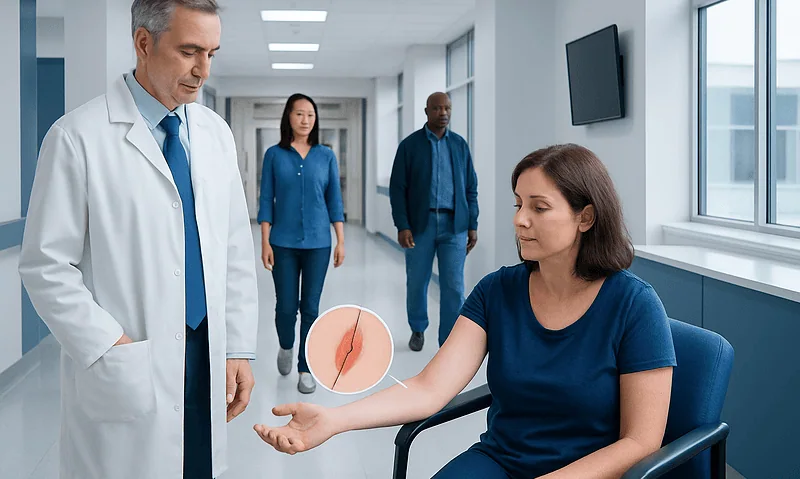
Exercise Intolerance: An Evidence-Based Guide for Patients

Exercise intolerance is a noticeable reduction in a person’s usual or expected capacity for physical activity. It may reflect deconditioning, but heart, lung, blood, metabolic, neurological and medication-related causes should also be considered.
Key Takeaways
- Exercise intolerance is a noticeable reduction in a person’s usual or expected capacity for physical activity.
- It may reflect deconditioning, but heart, lung, blood, metabolic, neurological and medication-related causes should also be considered.
- The pattern of symptoms, how quickly they develop and what triggers them provide useful diagnostic clues.
- New, progressive or severe symptoms, especially chest pain, fainting or breathlessness at rest, need prompt medical assessment.
- Treatment focuses on the underlying cause and may include medical care, rehabilitation and a tailored return-to-activity plan.
Exercise intolerance means being unable to perform physical activity at the expected level for a person’s age, health and usual fitness, often because activity brings on excessive breathlessness, fatigue, weakness, chest discomfort or dizziness. It is a symptom rather than a diagnosis, and a careful assessment can help identify manageable causes.
What is exercise intolerance?
Exercise intolerance is an unusually limited ability to carry out physical activity. A person may notice that walking up stairs, keeping pace with others, carrying shopping or completing a familiar workout now feels much harder than before. The limiting symptom may be breathlessness, early fatigue, leg heaviness, muscle weakness, pain, dizziness, palpitations or a combination of these.
It is not simply a question of athletic performance. Everyone has a different baseline, so the most meaningful sign is a clear change from the person’s own usual capacity or an inability to do everyday activities expected for their circumstances. Exercise intolerance is a symptom, not a disease, and it can occur temporarily after illness or inactivity or persist because of an underlying medical condition.
Normal exertion causes faster breathing and a higher heart rate. However, symptoms that occur with very light activity, are disproportionate to the effort, worsen over time or prevent normal daily life deserve attention. Identifying the reason is important because the appropriate response may range from gradual conditioning to targeted treatment for heart, lung, blood or other health concerns.
How exercise intolerance may feel
People describe exercise intolerance in different ways. Some mainly feel out of breath, while others report that their legs tire before their breathing becomes difficult. A clinician will usually ask what activity triggers symptoms, how long they last, whether rest relieves them and whether capacity has changed gradually or suddenly.
Common experiences include:
- Becoming short of breath sooner than usual during walking, climbing or exercise
- Unusual tiredness, reduced stamina or a need for frequent rests
- Muscle weakness, aching, cramping or heavy legs with activity
- A racing, irregular or forceful heartbeat
- Light-headedness, nausea, sweating or feeling close to fainting
- Chest pressure, discomfort or pain during exertion
Breathlessness and fatigue are common and do not automatically indicate serious disease. For example, a recent respiratory infection, poor sleep, low activity levels or emotional stress may temporarily reduce stamina. Still, accompanying symptoms and the overall pattern matter. Chest symptoms, fainting, blue or gray lips, marked swelling, or breathlessness while resting require more urgent evaluation.
Why can exercise capacity decrease?

Exercise requires the heart to circulate blood, the lungs to exchange oxygen and carbon dioxide, the blood to carry oxygen, and the muscles and nerves to use energy efficiently. A problem in any part of this system can reduce capacity. Often, more than one factor contributes, particularly in older adults or people managing several health conditions.
Deconditioning is a frequent explanation. After bed rest, injury, surgery, prolonged illness or a more sedentary period, muscles and cardiovascular fitness can decline. Weight changes, inadequate calorie or fluid intake, poor sleep, alcohol use and stress may also affect energy and recovery. These factors are real and treatable, but they should not be assumed to be the cause without considering the individual’s history and symptoms.
Medical causes can include asthma or chronic obstructive pulmonary disease, heart rhythm problems, coronary artery disease, heart failure, anemia, thyroid disorders, diabetes-related complications, infections and inflammatory conditions. Musculoskeletal pain, arthritis and neurological or muscle disorders can make activity difficult even when heart and lung function are normal. Anxiety can intensify awareness of breathing and heartbeat, but it should be considered only after appropriate assessment of physical symptoms.
Some medicines may contribute through effects such as low blood pressure, slowed heart rate, sedation or muscle symptoms. This does not mean prescribed treatment should be stopped independently. A doctor or pharmacist can review all prescription medicines, over-the-counter products and supplements to assess whether an adjustment is appropriate.
How doctors assess exercise intolerance
Assessment begins with a detailed history and physical examination. A clinician may ask about the person’s prior activity level, onset and progression of symptoms, recent infections, sleep, diet, stress, smoking history, medical conditions and family history. It is helpful to mention any chest discomfort, wheezing, cough, leg swelling, fainting, fever, weight change or symptoms that occur at night.
Basic measurements may include blood pressure, heart rate, oxygen saturation, weight and an examination of the heart, lungs, circulation, muscles and joints. Depending on the findings, blood tests may check for anemia, infection, electrolyte changes, kidney function, thyroid abnormalities, blood sugar concerns or other possible contributors. An electrocardiogram may assess heart rhythm and electrical activity.
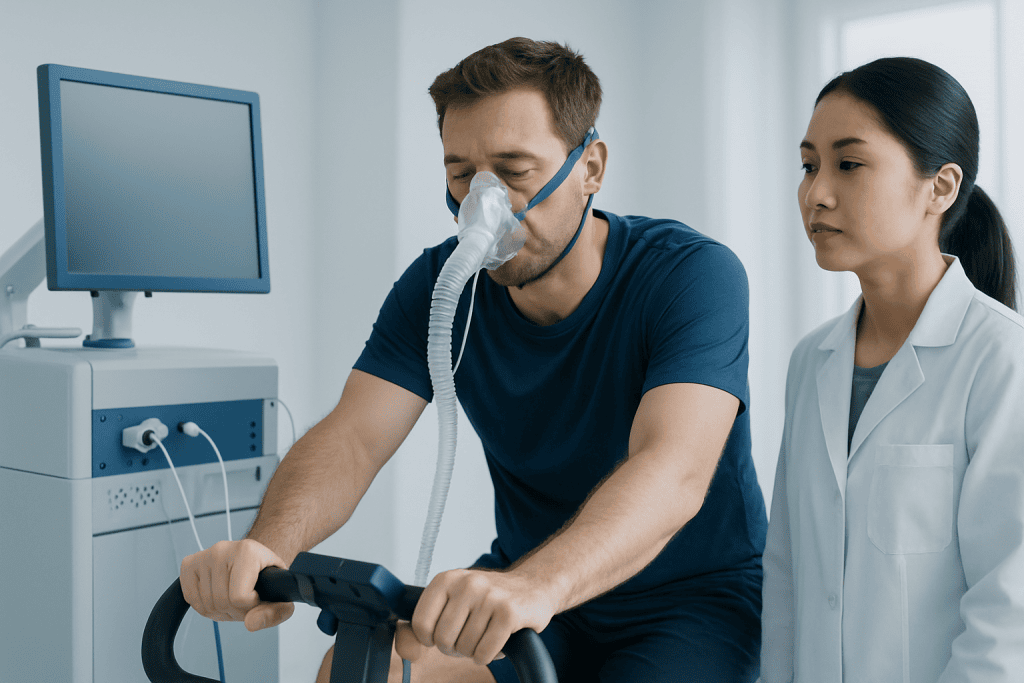
Further testing is selected rather than routine for every person. It may include chest imaging, breathing tests, an echocardiogram, heart rhythm monitoring or an exercise stress test. In some cases, cardiopulmonary exercise testing measures breathing, oxygen use, heart rate and blood pressure during progressively increasing activity. This can help distinguish whether the main limitation is more likely related to cardiac, respiratory, circulatory, muscular or conditioning factors.
Keeping a short activity-and-symptom record before an appointment can be useful. Recording the activity, duration, symptoms, perceived effort, heart-rate data from a wearable if available, and recovery time may help reveal patterns. Wearable readings can support a discussion, but they cannot diagnose the cause on their own.
Treatment: addressing the cause and rebuilding capacity
There is no single treatment for exercise intolerance because management depends on what is limiting activity. If a medical condition is identified, treatment may involve improving control of lung disease, correcting anemia or hormonal abnormalities, managing cardiovascular risk factors, changing a medicine that is causing side effects, or treating pain and mobility problems. The care plan should also account for the person’s goals and current level of function.
For deconditioning or recovery after a stable illness, a gradual and structured increase in activity is often helpful. The starting point may be only a few minutes of comfortable walking or gentle movement, followed by slow progression as tolerated. The safest pace varies. People with known heart or lung disease, significant symptoms or a recent hospitalization should ask their clinical team what level and type of exercise is suitable before beginning or increasing a program.
Rehabilitation can provide supervised support. Cardiac rehabilitation may be recommended after certain heart conditions or procedures, while pulmonary rehabilitation can help people with chronic respiratory disease improve symptom management, confidence and daily function. Physical therapy may address weakness, balance limitations, joint pain or movement changes that interfere with activity.
Rest remains important, but prolonged avoidance of all activity can further reduce conditioning when no medical restriction is needed. A balanced plan usually combines activity, recovery and management of the underlying condition. Goals should be practical, such as walking comfortably around the home, returning to work tasks or gradually resuming a preferred form of exercise.
Practical self-care while seeking answers
Until the cause is clear, people should avoid pushing through severe symptoms. Choosing a comfortable pace, taking planned breaks and stopping when warning symptoms arise is sensible. A gradual approach is generally safer than suddenly starting high-intensity exercise after a long inactive period or following illness.
Everyday measures that support exercise tolerance include regular sleep, adequate hydration, regular meals with sufficient protein and nutrients, and avoiding smoking or vaping. Warming up and cooling down can make activity more comfortable. On very hot, cold or polluted days, limiting outdoor exertion or choosing indoor activity may reduce breathing strain for some people.
It may help to use the “talk test” during low-to-moderate activity: a person should generally be able to speak in short sentences without gasping. This is not a substitute for medical advice, especially for anyone with heart or lung disease, but it can encourage an appropriately paced return to movement. New symptoms should be documented and discussed rather than ignored.
Acibadem International’s multidisciplinary specialists and JCI-accredited hospitals assess and treat a broad range of conditions that can contribute to reduced exercise capacity for international patients. A qualified clinician can help determine whether a supervised rehabilitation plan, further testing or treatment of an underlying condition is needed.
When to seek medical care
A medical appointment is appropriate when reduced exercise capacity is new, persistent, worsening, unexplained or interfering with routine life. Evaluation is also advised when symptoms begin after a viral illness, a change in medication, surgery or a period of immobilization and do not gradually improve. People with existing heart, lung, kidney, thyroid or neurological conditions should report a meaningful decline from their usual function.
Urgent medical care is needed for chest pain or pressure, severe breathlessness, breathlessness at rest, fainting, confusion, coughing up blood, a new irregular heartbeat with significant symptoms, or blue or gray discoloration of the lips or face. Emergency assessment is particularly important if these symptoms start suddenly or are accompanied by weakness on one side of the body, trouble speaking or severe sweating.
Symptoms do not need to be dramatic to warrant discussion. Early assessment can identify correctable contributors and can help people return to activity in a safe, realistic way. It is usually better to ask about an ongoing decline in stamina than to assume it is an unavoidable part of aging or a lack of willpower.
Frequently asked questions
Is exercise intolerance the same as being out of shape?
Not always. Low fitness after inactivity is a common cause of reduced exercise capacity, but exercise intolerance can also result from heart, lung, blood, hormonal, neurological or medication-related factors. A significant new change, especially with concerning symptoms, should be assessed rather than automatically attributed to fitness.
Can anxiety cause exercise intolerance?
Anxiety can contribute to breathlessness, a rapid heartbeat, chest tightness and avoidance of activity. However, these symptoms can overlap with physical conditions, so new or persistent exercise-related symptoms should be medically reviewed. When anxiety is a contributing factor, support such as counseling, breathing strategies and gradual activity may be useful alongside medical care.
What tests might be used for exercise intolerance?
Testing depends on symptoms and medical history. A clinician may use blood tests, an electrocardiogram, lung function testing, heart imaging, chest imaging, rhythm monitoring or an exercise-based assessment. Not everyone needs all of these tests; the aim is to select tests that answer the most relevant clinical questions.
Can anemia make it hard to exercise?
Yes. Anemia reduces the blood’s capacity to deliver oxygen to tissues, which may cause fatigue, shortness of breath, rapid heartbeat or reduced stamina with exertion. A blood test can identify anemia, and treatment depends on its cause rather than simply taking supplements without advice.
Should a person exercise through shortness of breath?
Mild breathlessness at a level expected for the activity may occur during exercise, particularly when rebuilding fitness. A person should slow down or stop if breathlessness is severe, unusual, worsening, associated with chest discomfort, dizziness or fainting, or does not settle with rest. Medical advice is appropriate before continuing an exercise program when these symptoms occur.
How long does it take to improve exercise tolerance?
The timeline varies with the cause, baseline fitness, age, health conditions and treatment plan. Some people notice gradual improvement over weeks with consistent, appropriately paced activity, while recovery may take longer after illness or when an underlying condition requires treatment. Progress should be measured against personal function and symptoms, not comparison with others.
References
- American Heart Association
- American Thoracic Society
- National Heart, Lung, and Blood Institute
- Centers for Disease Control and Prevention
- World Health Organization
This article is for general information only and is not a substitute for professional medical advice. Please consult a qualified doctor about your individual situation.
Explore treatments in Turkey — costs, top hospitals & a free quote
JCI-accredited · board-certified surgeons · reply within 24h
Add us as a Preferred Source to see more of our trusted health content across Google Search, AI Overviews and Discover.
Check your numbers in seconds
BMI, calories, due date, blood pressure and 30+ more clinical calculators — free, instant, doctor-reviewed ranges.

More from the Health Library

Imperforate Hymen: An Evidence-Based Guide for Patients

Omega 3 of 3 6 9 — Explained by Medical Evidence, Not Myths

Alfuzosin — Explained by Medical Evidence, Not Myths

Guttate Psoriasis — Explained by Medical Evidence, Not Myths

Nutrient Nutrients: A Complete Medical Overview