Eye Cva: An Evidence-Based Guide for Patients

Eye CVA commonly describes an eye stroke caused by blocked or reduced blood flow to the retina or optic nerve. Sudden painless vision loss in one eye needs urgent medical evaluation, even if symptoms improve.
Key Takeaways
- Eye CVA commonly describes an eye stroke caused by blocked or reduced blood flow to the retina or optic nerve.
- Sudden painless vision loss in one eye needs urgent medical evaluation, even if symptoms improve.
- High blood pressure, diabetes, high cholesterol, smoking, and heart or blood vessel disease can raise risk.
- Diagnosis often includes an eye examination, retinal imaging, and assessment for stroke and cardiovascular risk factors.
- Treatment depends on the exact cause and may include emergency care, medicines, or procedures to manage underlying vascular disease.
- Long-term prevention focuses on controlling blood pressure, cholesterol, blood sugar, and other cardiovascular risks.
Eye CVA usually refers to a sudden interruption of blood flow affecting the retina or optic nerve, often called an eye stroke. It is a medical emergency because prompt assessment may help protect vision and can also uncover broader vascular risks such as stroke or heart disease.
What does eye CVA mean?
Eye CVA is a term many patients use to describe an “eye stroke.” In clinical practice, this usually means sudden damage from reduced or blocked blood flow to structures that support vision, especially the retina or optic nerve. The most common medical terms are retinal artery occlusion, retinal vein occlusion, and in some cases ischemic optic neuropathy.
Because the retina depends on a constant oxygen supply, interruption of circulation can cause rapid vision changes. Some people notice a dark curtain, a blurry area, missing spots in vision, or major loss of sight in one eye. Symptoms are often painless, which can make the problem seem less urgent than it really is.
Eye CVA is important for two reasons. First, it can threaten vision. Second, it may be a warning sign of blood vessel disease elsewhere in the body, including the brain and heart. For that reason, doctors often evaluate both the eye problem itself and the patient’s overall vascular health.
Symptoms and warning signs
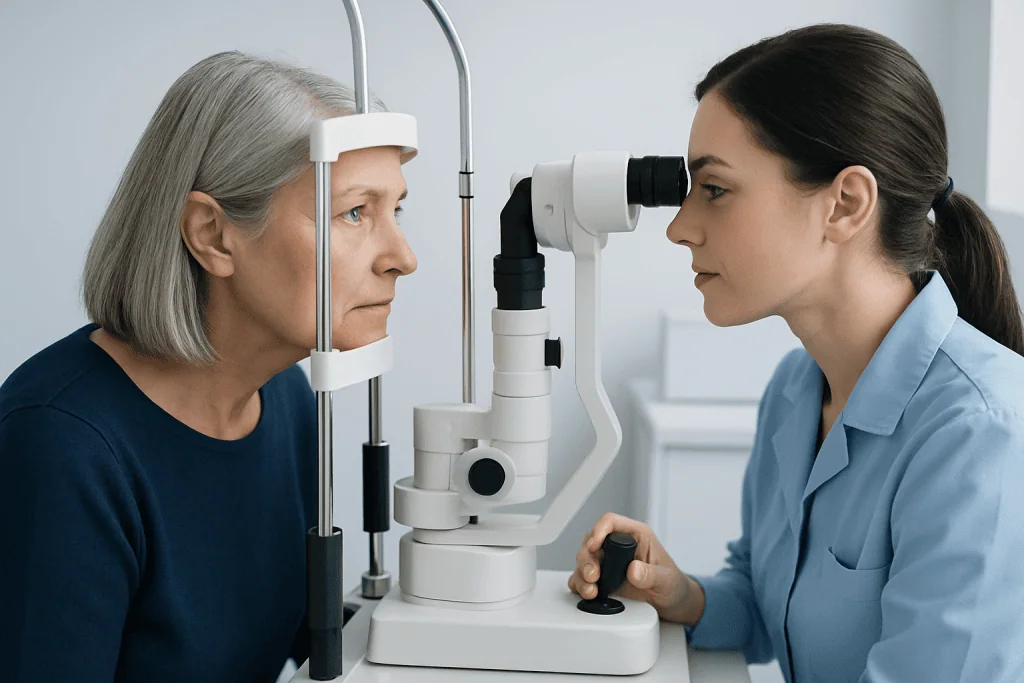
The hallmark symptom of eye CVA is sudden vision loss or sudden visual disturbance, usually in one eye. The change may happen within seconds or minutes, or it may be noticed on waking. Some people lose all or most vision in the affected eye, while others develop partial loss, dimming, or a blind spot.
Symptoms can vary depending on the exact location and type of blood flow problem. In retinal artery occlusion, vision loss is often abrupt and severe. In retinal vein occlusion, the change may be sudden or develop over hours to days, and blurring may be more prominent. If the optic nerve is affected, color vision and contrast may also worsen.
Patients may describe:
- Sudden painless loss of vision in one eye
- Blurred, cloudy, or dim vision
- A dark area, shadow, or curtain over part of vision
- Missing central or side vision
- Difficulty reading or recognizing faces with one eye
Although eye CVA is often painless, the absence of pain does not make it less serious. Any sudden unexplained change in vision should be treated as urgent until a doctor confirms the cause.
Causes and risk factors

Eye CVA happens when circulation to the retina or optic nerve is interrupted. In retinal artery occlusion, this is usually due to a blockage in an artery supplying the eye, often from a cholesterol plaque or blood clot. In retinal vein occlusion, the problem is reduced drainage through a retinal vein, which can lead to bleeding, swelling, and damage inside the eye.
The same conditions that affect blood vessels in the brain or heart can affect the eye. Important risk factors include high blood pressure, diabetes, high cholesterol, smoking, obesity, older age, and a history of cardiovascular disease. Irregular heart rhythm such as atrial fibrillation may increase the chance of clots that can travel through the bloodstream.
Other possible contributors include inflammatory blood vessel disease, glaucoma, sleep apnea, clotting disorders, and narrowing of the carotid arteries in the neck. Some patients are diagnosed after an event that turns out to be related to broader vascular disease, which is why doctors may also assess for stroke or transient circulation problems affecting the eye and brain.
Not every episode of sudden visual loss is caused by eye CVA. Conditions such as retinal detachment, severe migraine aura, optic neuritis, or bleeding inside the eye can cause similar symptoms. A professional examination is needed to identify the correct cause and guide treatment safely.
How doctors diagnose eye CVA
Diagnosis starts with a careful history and an urgent eye examination. The doctor asks when symptoms began, whether one or both eyes are affected, and whether there are other neurological symptoms such as weakness, facial drooping, trouble speaking, or imbalance. These details help distinguish an isolated eye problem from a possible brain event.
An ophthalmic examination may include visual acuity testing, pupil assessment, eye pressure measurement, and a dilated retinal exam. Retinal photographs, optical coherence tomography, and fluorescein or other vascular imaging can help show whether an artery or vein is blocked and whether there is retinal swelling or bleeding.
Because eye CVA may reflect systemic vascular disease, doctors often order additional tests. These may include blood pressure measurement, blood tests for glucose and cholesterol, heart rhythm evaluation, carotid imaging, and brain or vascular imaging when stroke is a concern. In selected cases, patients may need coordinated evaluation by ophthalmology, neurology, cardiology, or vascular specialists.
At centers with advanced imaging and specialist support, patients may undergo MRI or other targeted studies when symptoms raise concern for brain involvement or optic nerve ischemia. The goal is not only to confirm the eye diagnosis, but also to reduce the risk of future events affecting vision or general health.
Treatment options and what to expect
Treatment depends on the exact diagnosis, how quickly the patient presents, and whether there are complications such as retinal swelling. In retinal artery occlusion, emergency evaluation is essential because it can be associated with the same risk factors and urgent pathways used for stroke care. Management may focus on immediate assessment, identifying the source of the blockage, and preventing another vascular event.
For retinal vein occlusion, treatment often aims to preserve vision and reduce complications. Some patients need monitoring only, while others may benefit from injections into the eye to treat swelling, laser treatment in selected situations, or management of elevated eye pressure. Underlying conditions such as hypertension, diabetes, and high cholesterol are also treated carefully.
If doctors suspect a broader vascular problem, treatment may involve stroke-prevention strategies or referral for interventional neuroradiology evaluation in selected cases. Patients with narrowing of neck arteries or other major circulation issues may require assessment by vascular or heart specialists. Eye-specific recovery can vary; some people regain part of their sight, while others may have lasting visual changes.
Rehabilitation can also help. Low-vision support, updated glasses, visual aids, and practical safety adjustments at home may improve daily functioning. If eye CVA is linked to another eye condition such as glaucoma, treating that condition becomes part of long-term care.
Prevention and self-care after an eye CVA
Preventing another event usually means protecting blood vessels throughout the body. Patients are often advised to control blood pressure, blood sugar, and cholesterol, stop smoking, stay physically active, and follow a heart-healthy eating pattern. These steps can lower the risk of both future eye problems and major cardiovascular events.
It is also important to take prescribed medicines as directed and attend follow-up visits with the eye doctor and primary care team. Depending on the cause, doctors may recommend treatment for heart rhythm problems, carotid artery disease, sleep apnea, or clotting disorders. Patients should not start or stop blood thinners, aspirin, or other medication without medical advice.
Self-care after eye CVA may include practical adjustments such as improving home lighting, using magnification tools, reducing fall hazards, and covering one eye temporarily if double vision occurs. Patients should monitor for new symptoms, especially any sudden drop in vision, new floaters, flashes of light, or neurological changes.
Near the end of recovery planning, some people benefit from multidisciplinary follow-up. Acibadem International’s multidisciplinary specialists and JCI-accredited hospitals diagnose and treat eye and vascular conditions for international patients, with access to advanced imaging and coordinated specialty care when needed.
When to seek medical care
Sudden vision loss in one eye is always a reason to seek urgent medical care. The same is true for sudden dimming, a curtain-like shadow, or a major new blind spot, even if the symptom lasts only a short time or starts to improve. Fast evaluation helps doctors identify whether the problem is eye CVA, retinal detachment, stroke, or another serious condition.
Emergency care is especially important if visual symptoms happen together with trouble speaking, facial drooping, severe headache, weakness, numbness, dizziness, or difficulty walking. These may suggest a medical emergency involving the brain as well as the eye. In that setting, urgent stroke assessment may be needed, sometimes including CT scan or other rapid imaging.
Non-emergency follow-up is still important for milder or gradually progressive symptoms, such as persistent blur or increasing difficulty reading with one eye. A doctor can check for retinal disease, optic nerve problems, or chronic vascular changes that may need treatment before vision worsens.
Frequently asked questions
Is eye CVA the same as a regular stroke?
Eye CVA usually refers to an eye stroke, meaning reduced or blocked blood flow affecting the retina or optic nerve. It is not identical to a brain stroke, but the two conditions share risk factors and can occur together or signal similar blood vessel disease.
Can vision return after an eye CVA?
Some patients recover part of their vision, while others have permanent loss. Recovery depends on the type of blockage, how much tissue was affected, how quickly treatment began, and whether complications such as retinal swelling develop.
Does eye CVA cause pain?
Many cases are painless, which is one reason people may delay getting help. However, painless sudden vision loss still needs urgent medical evaluation because it can represent a serious problem.
Who is most at risk for eye CVA?
Risk increases with age and with conditions that affect blood vessels, including high blood pressure, diabetes, high cholesterol, smoking, and heart disease. People with carotid artery disease, glaucoma, clotting disorders, or irregular heart rhythm may also have higher risk.
How is eye CVA different from retinal detachment?
Both can cause sudden visual symptoms, but they are different conditions. Eye CVA involves circulation problems, while retinal detachment happens when the retina separates from the tissue beneath it; both require prompt eye care.
Should a person go to the emergency room for sudden vision loss in one eye?
Yes. Sudden vision loss, dimming, or a dark curtain over vision should be treated as urgent, especially if it is new or severe. Immediate assessment can help identify eye CVA or another emergency and may reduce the risk of lasting damage.
This article is for general information only and is not a substitute for professional medical advice. Please consult a qualified doctor about your individual situation.
Explore treatments in Turkey — costs, top hospitals & a free quote
JCI-accredited · board-certified surgeons · reply within 24h
Add us as a Preferred Source to see more of our trusted health content across Google Search, AI Overviews and Discover.
Check your numbers in seconds
BMI, calories, due date, blood pressure and 30+ more clinical calculators — free, instant, doctor-reviewed ranges.

More from the Health Library

Pulmonary Specialist: A Complete Medical Overview

Bean Sprouts: What Patients Need to Know

Invasive Malignant Tumor — Explained by Medical Evidence, Not Myths

Coffee Liqueur: What Patients Need to Know

Active Recovery: What Patients Need to Know