Invasive Malignant Tumor — Explained by Medical Evidence, Not Myths

“Invasive” describes local growth into surrounding tissue, while “metastatic” means spread to distant parts of the body. A biopsy confirms whether a tumor is malignant and provides important information about its type and features.
Key Takeaways
- “Invasive” describes local growth into surrounding tissue, while “metastatic” means spread to distant parts of the body.
- A biopsy confirms whether a tumor is malignant and provides important information about its type and features.
- Imaging and other tests help determine the cancer stage and support personalized treatment planning.
- Treatment may include surgery, radiation therapy, systemic medicines, or a combination of approaches.
- New or persistent symptoms should be assessed by a qualified healthcare professional rather than self-diagnosed.
An invasive malignant tumor is a cancer whose cells have crossed their original tissue boundary and grown into nearby healthy tissue. It does not automatically mean the cancer has spread to distant organs, and the outlook and treatment depend on the cancer type, location, stage and tumor biology.
Overview: What Does Invasive Malignant Tumor Mean?
An invasive malignant tumor is cancer that has grown beyond the layer or tissue where it began and entered nearby tissue. Cancer cells can invade because they develop the ability to break through normal barriers between tissues. The term is used in pathology reports and clinical discussions to describe how the cancer is behaving in its original area.
Invasive does not mean the same thing as metastatic. An invasive cancer may be limited to the organ where it started and its immediate surroundings, whereas metastatic cancer has traveled to distant organs or lymph nodes away from the original site. Both terms matter, but they answer different questions about the extent of disease.
The words can sound frightening, yet they do not on their own predict a person’s outcome. Some invasive cancers are found early and treated effectively. Doctors interpret the finding alongside the tumor’s size, grade, molecular features, lymph node status, overall stage and the person’s general health.
How Invasive Cancer Differs From Benign, In Situ and Metastatic Tumors
A benign tumor is not cancer. Although it can sometimes cause symptoms by pressing on nearby structures, benign tissue does not invade in the same way as malignant tissue and does not spread to distant sites. A malignant tumor is cancer and has the potential to invade, recur or spread, although these risks vary widely by cancer type.
“In situ” means that abnormal cancer cells are confined to the layer of cells where they began and have not invaded surrounding tissue. Invasive cancer means the cells have moved beyond that boundary. For example, an in situ breast lesion differs from invasive breast cancer, even though both require expert assessment and an individualized care plan.
Metastasis occurs when cancer cells establish growth in a distant part of the body, such as the liver, lungs, bones or brain, depending on the cancer type. Not every invasive tumor becomes metastatic. Staging tests are used to assess whether there is evidence of spread and to guide treatment decisions.
Symptoms: Why They Vary So Much

An invasive malignant tumor may cause no symptoms, particularly when it is small or detected through screening. When symptoms occur, they depend mainly on the organ involved and whether the tumor affects nearby nerves, blood vessels, ducts or other structures. Symptoms alone cannot confirm cancer because many common, noncancerous conditions can cause similar changes.
Possible signs that deserve medical assessment when persistent or unexplained include a new lump or thickening; unusual bleeding; a lasting change in bowel or bladder habits; difficulty swallowing; ongoing hoarseness or cough; unexplained weight loss; persistent pain; changes in a mole or skin lesion; or a wound that does not heal. A symptom can have many causes, and a timely evaluation helps identify the cause.
Some cancers are found before symptoms through recommended screening programs. Examples include screening for breast, cervical, colorectal and lung cancer in people who meet local eligibility criteria. Screening recommendations vary by age, medical history, family history and risk factors, so a clinician can advise what is appropriate for the individual.
Why Malignant Tumors Become Invasive: Causes and Risk Factors
Cancer develops when genetic changes accumulate in cells and disrupt normal controls on growth, repair and cell death. Invasion is part of a complex biological process in which cancer cells interact with surrounding tissue and may gain the ability to move through it. It is not caused by a single behavior, thought or event.
Risk factors differ by cancer type. They may include increasing age, tobacco exposure, alcohol use, certain infections, ultraviolet radiation, obesity, limited physical activity, some environmental or workplace exposures, chronic inflammation and inherited gene changes. Having a risk factor does not mean a person will develop cancer, and many people with cancer have no obvious risk factor.
Family history can be important, especially when several relatives have related cancers, cancer occurs at an unusually young age, or there are known hereditary cancer syndromes. Genetic counseling and testing may be considered in selected situations. Such testing is best interpreted with professional guidance because a result may affect screening and risk assessment for relatives as well as the individual.
Diagnosis and Staging: Building a Clear Picture
Diagnosis usually begins with a medical history, physical examination and tests selected according to the suspected site of disease. These may include blood tests, endoscopy, ultrasound, mammography, computed tomography (CT), magnetic resonance imaging (MRI) or positron emission tomography (PET). Imaging can identify an abnormal area and show its relationship to nearby structures, but it commonly cannot establish the exact cancer type by itself.
A biopsy is generally needed to confirm malignancy. A pathologist examines the tissue under a microscope and may perform additional laboratory testing. The report can describe the cancer type, whether invasion is present, tumor grade and biomarkers or genetic changes that may influence treatment options.
After diagnosis, clinicians determine the stage using information about the primary tumor, nearby lymph nodes and possible distant spread. Staging is not identical for every cancer, and it may be updated as more information becomes available. A multidisciplinary team may combine pathology, radiology, surgical and medical perspectives to create a well-informed plan.
- Stage describes how far the cancer has grown or spread.
- Grade describes how abnormal the cancer cells appear under the microscope.
- Biomarkers are tumor characteristics that can help predict response to particular treatments.
Treatment Options for an Invasive Malignant Tumor
Treatment is tailored to the cancer type, its stage and biology, the location of the tumor, symptoms and the person’s preferences and overall health. In many cases, more than one treatment is used. The treatment plan may aim to remove or destroy cancer, reduce the chance of recurrence, control disease growth or relieve symptoms while preserving quality of life.
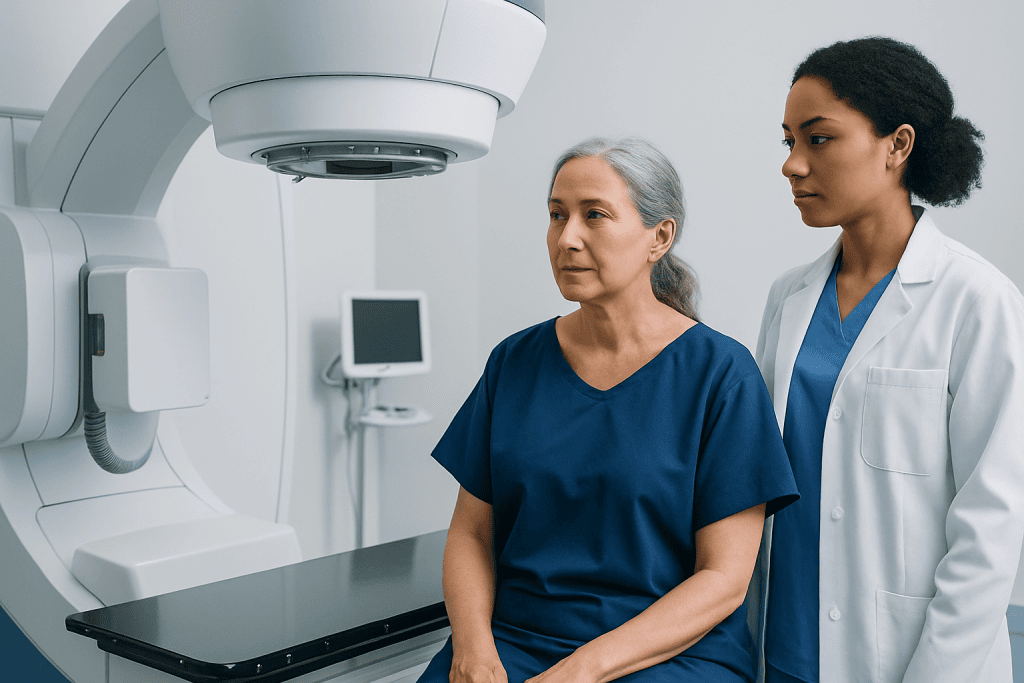
Surgery may remove the tumor and, when appropriate, nearby lymph nodes. Depending on the cancer, treatment may also include radiotherapy, chemotherapy, hormone therapy, targeted therapy, immunotherapy or other systemic medicines. These approaches may be given before surgery to shrink a tumor, after surgery to reduce recurrence risk, or as the main treatment when surgery is not suitable.
Potential benefits and side effects should be discussed before treatment begins. Supportive care is an important part of cancer care and can address pain, nutrition, fatigue, emotional wellbeing, fertility concerns and practical needs. It can be provided alongside treatment at every stage, not only at the end of life.
For international patients, Acibadem International’s multidisciplinary specialists and JCI-accredited hospitals diagnose and treat cancers using individualized assessment and coordinated care. A person considering treatment should ask their team about the purpose of each option, expected benefits, possible effects and follow-up needs.
Prevention, Self-Care and Follow-Up
Not all invasive cancers can be prevented, but certain measures can reduce risk. Avoiding tobacco, limiting alcohol, protecting skin from excessive ultraviolet exposure, maintaining a healthy weight, being physically active and following a balanced eating pattern support overall health. Vaccination against cancer-related infections, including human papillomavirus and hepatitis B where recommended, can also help prevent some cancers.
Keeping up with age- and risk-appropriate screening can find certain cancers or precancerous changes before symptoms occur. It is also important to attend follow-up appointments after cancer treatment. Follow-up plans are individualized and may include examinations, imaging, laboratory tests and monitoring for late effects of treatment.
During diagnosis or treatment, reliable information and practical support can make decisions feel more manageable. People may find it helpful to bring a relative or trusted friend to appointments, write down questions and request clarification of unfamiliar medical terms. Lifestyle choices are supportive, but they should not replace evidence-based cancer treatment or recommended surveillance.
When to Seek Medical Care
Medical care should be sought promptly for a new or growing lump, unexplained bleeding, a persistent change in bowel or bladder function, coughing up blood, worsening difficulty swallowing, a changing skin lesion, or other symptoms that do not improve or that concern the person. An appointment is also appropriate for unexplained weight loss, persistent fatigue or pain, or symptoms that interfere with daily life.
Urgent assessment is needed for severe symptoms such as major bleeding, sudden severe shortness of breath, chest pain, confusion, new weakness on one side of the body, seizures or uncontrolled pain. These symptoms can have causes other than cancer but should not be ignored.
A person who has received a pathology report mentioning an invasive malignant tumor should contact the clinician who arranged the biopsy or a cancer specialist to discuss the result and next steps. Waiting for more information can be difficult, but a structured evaluation and individualized plan provide the most reliable basis for decisions.
Frequently asked questions
Is an invasive malignant tumor always advanced cancer?
No. “Invasive” means the cancer has grown into nearby tissue beyond where it started. It may still be localized and treatable, and staging tests determine whether there is involvement of lymph nodes or distant organs.
Can an invasive malignant tumor be cured?
Some invasive cancers can be cured, particularly when detected at an earlier stage and treated appropriately. Whether cure is possible depends on the cancer type, stage, biological features and response to treatment.
Does invasive mean metastatic?
No. Invasive cancer has grown into adjacent tissue, while metastatic cancer has spread to a distant site. An invasive tumor may or may not have metastasized, which is why staging is important.
How is an invasive malignant tumor confirmed?
A biopsy is usually required to confirm cancer. A pathologist examines the tissue sample and may perform additional tests to identify the cancer type and features that help guide treatment.
What questions should a person ask after receiving this diagnosis?
Useful questions include what type of cancer is present, what the stage and grade mean, whether more tests are needed and what treatments are recommended. It is also reasonable to ask about the goal of treatment, possible side effects, support services and whether a second opinion would be helpful.
Can lifestyle changes treat an invasive malignant tumor?
Healthy habits can support wellbeing during and after treatment, but they do not replace cancer treatment. A clinician can help a person choose safe nutrition, activity and symptom-management strategies that fit their care plan.
References
- World Health Organization
- National Cancer Institute
- American Cancer Society
- National Comprehensive Cancer Network
- International Agency for Research on Cancer
This article is for general information only and is not a substitute for professional medical advice. Please consult a qualified doctor about your individual situation.
Oncology care in Turkey — second opinion and treatment plan
JCI-accredited · board-certified surgeons · reply within 24h
Add us as a Preferred Source to see more of our trusted health content across Google Search, AI Overviews and Discover.

More from the Health Library


Related Specialists

Assoc. Prof. Dr. Fatih Aygün
Pediatric Intensive Care Unit
Prof. Dr. Duhan Fatih Bayrak
Cardiology
Prof. Dr. Seyhan Topbaş
Ophthalmology
Dr. Sema Çetin
Physical Medicine & Rehabilitation