Eye Diseases and Treatment: How It Works, Results and What to Expect

Regular comprehensive eye examinations can identify eye disease before noticeable vision changes occur. Cataract, glaucoma, age-related macular degeneration and diabetic retinopathy are often considered the major common eye diseases in adults.
Key Takeaways
- Regular comprehensive eye examinations can identify eye disease before noticeable vision changes occur.
- Cataract, glaucoma, age-related macular degeneration and diabetic retinopathy are often considered the major common eye diseases in adults.
- Treatment may include glasses, eye drops, laser procedures, injections or surgery, depending on the diagnosis.
- Glaucoma can cause irreversible optic nerve damage but often has no early symptoms, making screening important.
- Sudden vision loss, a curtain-like shadow, severe eye pain or flashes with new floaters require urgent medical assessment.
Eye diseases and treatment vary widely because conditions affecting the lens, retina, optic nerve and cornea have different causes and goals of care. Early assessment is important: many eye conditions can be controlled, slowed or corrected, while treatment for permanent vision loss focuses on preserving remaining sight and supporting daily life.
Eye Diseases and Treatment: An Overview
Eye diseases and treatment involve identifying the part of the eye affected and choosing care that protects vision, relieves symptoms or improves visual clarity. Treatment can range from updated glasses and prescription drops to laser therapy, eye injections and surgery. The best option depends on the exact diagnosis, the stage of disease, general health and a person’s visual needs.
Some eye conditions, such as cataracts or common refractive errors, can often be corrected effectively. Others, including glaucoma and many retinal disorders, may cause damage that cannot be reversed once it has occurred. In these cases, prompt, ongoing treatment aims to slow progression and preserve useful vision.
Many eye diseases develop gradually and may not cause pain or obvious symptoms early on. A comprehensive dilated eye examination allows an ophthalmologist to examine the retina, optic nerve, lens and blood vessels, and to detect problems that may not yet affect day-to-day sight.
What Are the Big Four Eye Diseases?
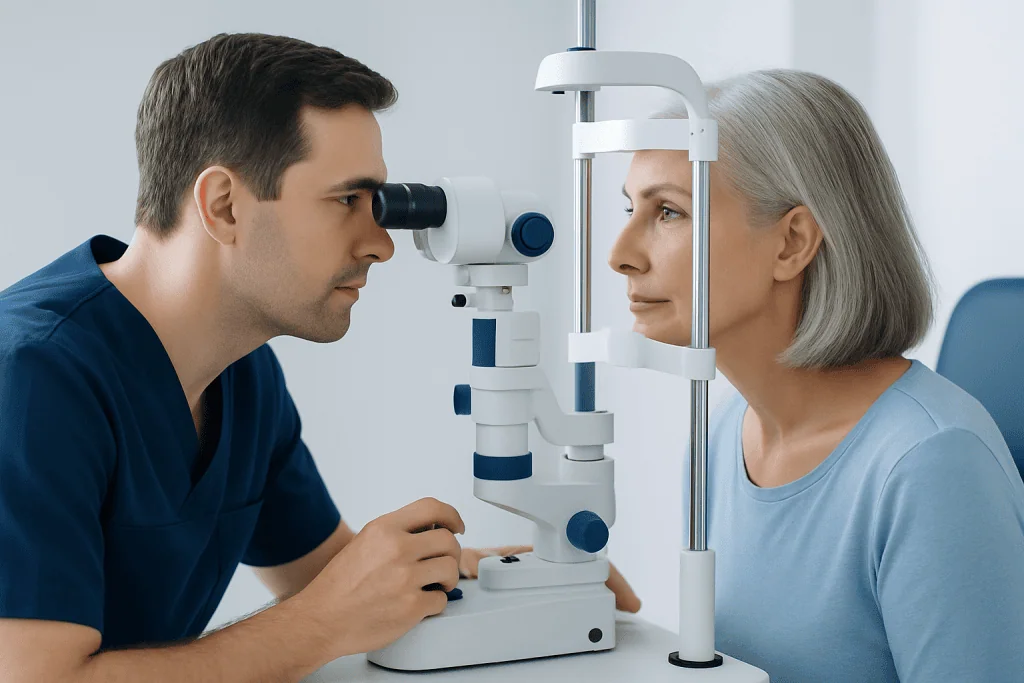
The “big four” commonly refers to cataract, glaucoma, age-related macular degeneration (AMD) and diabetic retinopathy. They are major causes of vision impairment worldwide, particularly with increasing age. Although these conditions may share symptoms such as blurred vision, they affect different structures of the eye and require different management plans.
- Cataract: clouding of the natural lens, often causing blurred or hazy vision, glare and reduced color contrast.
- Glaucoma: a group of disorders that damage the optic nerve, often associated with raised eye pressure.
- Age-related macular degeneration: damage to the macula, the central part of the retina needed for detailed central vision.
- Diabetic retinopathy: retinal blood-vessel damage caused by diabetes, which can lead to swelling, bleeding or abnormal new vessel growth.
Other important conditions include dry eye disease, corneal disorders, retinal detachment, uveitis and childhood eye problems. Eye care is individualized because a person can have more than one condition at the same time, such as cataract and glaucoma.
What Are the Top 3 Eye Diseases?
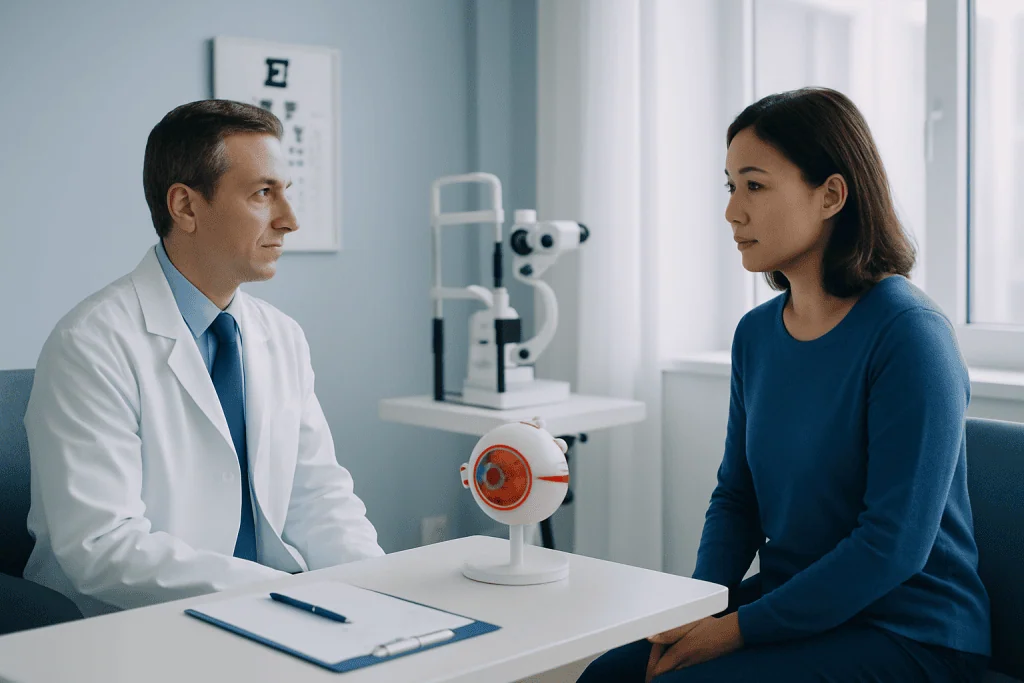
There is no single universal ranking because prevalence differs by age, location and health status. However, cataract, glaucoma and age-related macular degeneration are frequently named among the most important eye diseases in older adults because of their potential effect on vision. Diabetic retinopathy is also a leading concern, especially among people living with diabetes.
Cataracts are common with aging and typically cause a gradual decline in clarity. Glaucoma can progress without early symptoms and primarily affects peripheral vision at first. AMD affects central sight, making activities such as reading, recognizing faces and driving more difficult.
Regular eye examinations are particularly valuable for adults over 40, people with diabetes, those with a family history of glaucoma or retinal disease, and people taking medicines that may affect the eyes. An ophthalmologist can recommend an appropriate examination schedule based on individual risk.
How Diagnosis and Treatment Planning Work
An eye assessment usually begins with a discussion of symptoms, medical conditions, medicines, family history and any previous eye care. Testing may include visual acuity measurement, refraction, eye-pressure measurement, slit-lamp examination and dilation of the pupils to view the retina and optic nerve.
Additional tests are chosen according to the suspected condition. Optical coherence tomography can provide detailed images of the retina and optic nerve. Visual field testing checks side vision, while retinal photography, corneal mapping and ultrasound may be used in selected situations. These tests help establish a baseline and monitor changes over time.
The treatment plan is based on whether the condition is reversible, stable or progressive. It should also consider each person’s other health conditions, ability to use eye drops or attend follow-up visits, and goals for work, driving and daily activities. Follow-up is often essential even after successful treatment.
How Eye Disease Treatments Work and What to Expect
For many conditions, treatment begins with non-surgical measures. Glasses or contact lenses correct refractive errors, while lubricating drops may help dry eye symptoms. Prescription eye drops can lower eye pressure in glaucoma, reduce inflammation or treat infection when clinically appropriate. People should use prescribed drops exactly as directed and tell their clinician about any side effects.
Laser treatment may be used to improve fluid drainage in some types of glaucoma, treat certain retinal tears, or manage abnormal retinal blood vessels. Retinal injections may be advised for conditions such as wet AMD or diabetic macular edema; these medicines are delivered inside the eye by a trained ophthalmologist after numbing the surface of the eye.
Surgery may be recommended when it provides the clearest benefit. Cataract surgery removes the cloudy lens and replaces it with an artificial intraocular lens. Other procedures may address glaucoma drainage, retinal detachment, corneal disease or eyelid conditions. The aim is not always to restore normal vision; in progressive disease, surgery may be intended to prevent further loss.
Before any procedure, the ophthalmology team reviews expected benefits, alternatives, recovery needs and possible complications. People may need measurements, blood tests or medication adjustments beforehand, particularly if they have diabetes, use blood-thinning medicine or have significant heart, lung or kidney disease.
Recovery Timeline, Benefits and Risks
Recovery depends on the treatment. Eye drops and many laser procedures usually allow a return to normal activities quickly, although follow-up appointments remain important. After injections, temporary irritation, watering or blurred vision can occur. After eye surgery, vision may improve gradually over days to weeks, and the final result can take longer depending on the procedure and the underlying eye health.
Potential benefits include clearer vision, lower eye pressure, reduced retinal swelling, improved comfort or a lower risk of future vision loss. Results vary because treatment cannot always reverse existing optic nerve or retinal damage. For example, cataract surgery can remove lens clouding, but it cannot correct vision loss caused by advanced glaucoma or macular disease.
All eye procedures have risks, though serious complications are uncommon with appropriate care. Depending on the treatment, these can include infection, inflammation, bleeding, pressure changes, retinal problems, worsening vision or a need for additional treatment. New severe pain, marked redness, rapidly worsening vision, nausea with eye pain, or increasing light sensitivity after a procedure should be reported urgently.
Which Eye Disease Cannot Be Treated?
Most eye diseases can be treated in some way, but not all can be cured or have lost vision restored. Damage to the optic nerve from glaucoma and damage to retinal cells from advanced macular degeneration are generally permanent. Treatment can often slow further damage, control contributing factors and help a person make the most of their remaining vision.
Some inherited retinal disorders currently have limited treatment options, although research and selected gene-based therapies are advancing for specific conditions. The outlook depends on the precise diagnosis, genetic cause and stage of disease. A retina specialist or ophthalmologist can explain which treatments may be suitable and whether clinical monitoring or low-vision rehabilitation may help.
Low-vision services can provide practical support when vision cannot be fully restored. Magnifiers, stronger lighting, electronic aids, mobility strategies and occupational therapy may improve independence, reading and safety. Emotional support can also be important when visual changes affect work or daily routines.
What Is the Silent Killer Eye Disease?
Glaucoma is often called the “silent thief of sight” because the most common form, primary open-angle glaucoma, may not cause pain or noticeable changes in the early stages. It gradually damages the optic nerve, often affecting peripheral vision first. Without regular examinations, a person may not realize there is a problem until substantial vision has been lost.
Glaucoma is not contagious, and it is not caused simply by using screens or reading. Risk may be higher with increasing age, a family history of glaucoma, elevated eye pressure, certain ethnic backgrounds, long-term steroid use, previous eye injury and some medical conditions. However, anyone can develop glaucoma.
Care may include pressure-lowering eye drops, laser treatment or surgery. These approaches do not restore lost optic nerve tissue, but they can reduce eye pressure or improve fluid drainage to help protect remaining vision. Regular monitoring is necessary because treatment may need adjustment over time.
When to Seek Medical Care
Routine eye checks are important even when vision seems normal, especially for people with diabetes, high blood pressure, a family history of eye disease, previous eye injury or long-term steroid treatment. A prompt appointment should be arranged for persistent blurred vision, eye redness, pain, double vision, halos around lights, worsening night vision or new difficulty reading or recognizing faces.
Urgent medical care is needed for sudden loss of vision, a dark curtain or shadow across vision, sudden flashes of light with many new floaters, severe eye pain, chemical exposure, an eye injury, or painful red eye with nausea or headache. These symptoms can have several causes and need timely assessment to protect sight.
Acibadem International’s multidisciplinary specialists and JCI-accredited hospitals diagnose and treat eye conditions for international patients. An ophthalmologist can determine whether observation, medication, laser care, injections, surgery or referral to another specialty is appropriate for an individual situation.
Frequently asked questions
Can eye diseases be cured?
Some conditions can be corrected or resolved, while others require long-term control. Cataracts can usually be treated with surgery, for example, while glaucoma treatment aims to slow further optic nerve damage rather than reverse vision that has already been lost. The outlook depends on the diagnosis and how early care begins.
Are eye diseases hereditary?
Some eye diseases have a hereditary component. A family history of glaucoma, macular degeneration, retinal disorders or certain corneal diseases can increase risk, but it does not mean a person will definitely develop the condition. Sharing family eye history with an ophthalmologist helps guide screening.
Can diabetes affect eyesight?
Yes. Diabetes can damage small blood vessels in the retina and may cause diabetic retinopathy or diabetic macular edema. Maintaining blood sugar, blood pressure and cholesterol targets, alongside regular dilated eye examinations, can reduce the risk of sight-threatening complications.
How often should adults have an eye examination?
The recommended interval depends on age, symptoms and risk factors. Adults with diabetes, glaucoma risk, a family history of significant eye disease or previous eye problems may need examinations more often. An eye care professional can recommend a personal schedule.
Can screen use cause permanent eye disease?
Screen use can contribute to eye strain, headaches, dry-eye symptoms and temporary blurred vision, particularly with prolonged close work. It has not been shown to cause common diseases such as glaucoma or cataracts. Regular breaks, blinking often and appropriate lighting may improve comfort.
What should a person do if vision changes suddenly?
Sudden vision loss, a curtain-like shadow, new flashes and floaters, or severe eye pain should be treated as urgent symptoms. The person should seek immediate medical assessment rather than wait for the symptoms to improve. Early evaluation is especially important when retinal detachment, acute glaucoma, stroke-related changes or injury are possible.
References
- American Academy of Ophthalmology
- National Eye Institute
- World Health Organization
- Centers for Disease Control and Prevention
- International Council of Ophthalmology
This article is for general information only and is not a substitute for professional medical advice. Please consult a qualified doctor about your individual situation.
Explore treatments in Turkey — costs, top hospitals & a free quote
JCI-accredited · board-certified surgeons · reply within 24h
Add us as a Preferred Source to see more of our trusted health content across Google Search, AI Overviews and Discover.