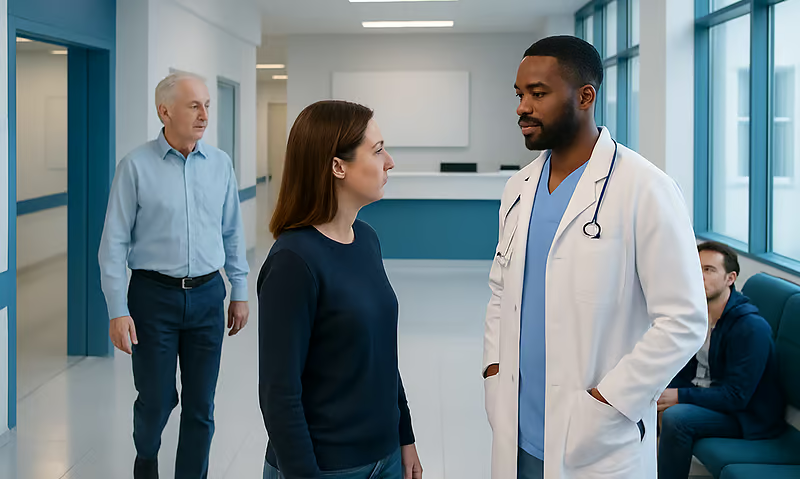
Eye Exam Near Me: What Happens During a Comprehensive Eye Check
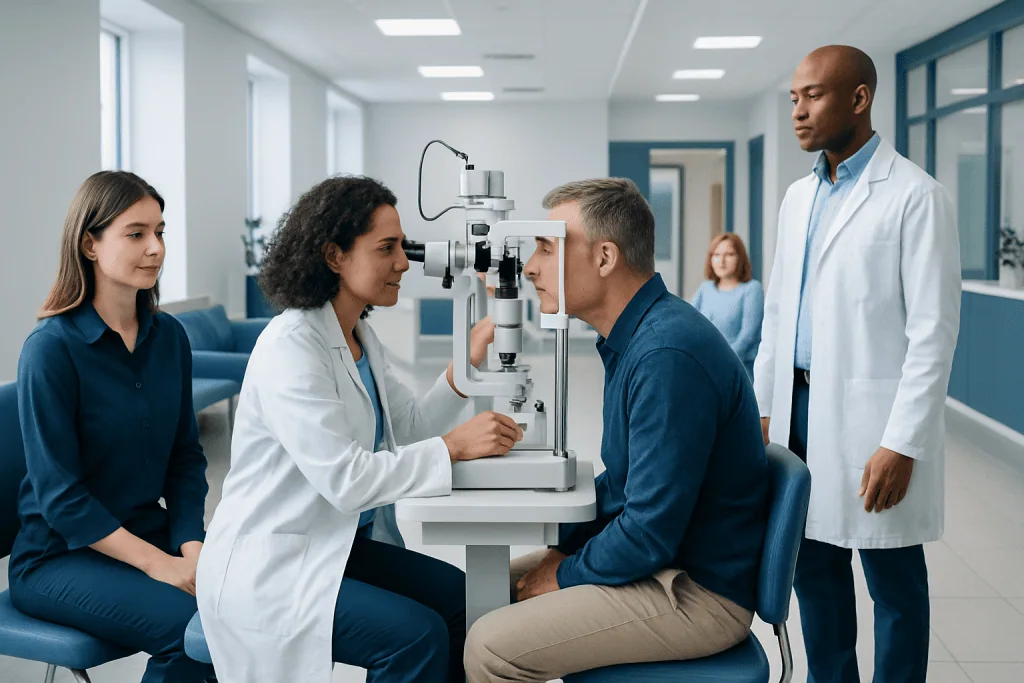
A comprehensive eye exam assesses eyesight, eye structure, and signs of disease. The visit may include vision testing, eye pressure measurement, and a retinal exam.
Key Takeaways
- A comprehensive eye exam assesses eyesight, eye structure, and signs of disease.
- The visit may include vision testing, eye pressure measurement, and a retinal exam.
- Some tests are routine for most adults, while others depend on age, symptoms, and medical history.
- Regular eye checks are important even when vision seems normal because some eye diseases cause few early symptoms.
- Children, older adults, people with diabetes, and contact lens users may need more frequent exams.
A comprehensive eye exam checks both vision and overall eye health. It can identify common refractive errors, monitor long-term conditions, and detect eye disease early, sometimes before symptoms appear.
Overview: What a comprehensive eye exam is
A comprehensive eye exam is a detailed medical evaluation of how well the eyes see and how healthy they are. It is more than a basic vision screening. While a screening may simply identify whether someone might need glasses, a full eye exam looks at the front and back of the eye, eye movement, focusing ability, and signs of common or serious conditions.
People often search for an “eye exam near me” when they notice blurred vision, headaches, eye strain, or trouble seeing at night. Others book routine checks to update glasses or contact lens prescriptions. Both reasons are valid. Eye exams help detect refractive errors such as nearsightedness, farsightedness, and astigmatism, but they also help identify conditions such as cataracts, glaucoma, retinal disease, dry eye, and complications related to diabetes or high blood pressure.
The exam is usually performed by an ophthalmologist or optometrist. The exact steps vary depending on age, symptoms, and health history, but most visits follow a similar structure. Many parts of the exam are quick and painless, and the clinician explains what each test is checking.
Who should have regular eye checks
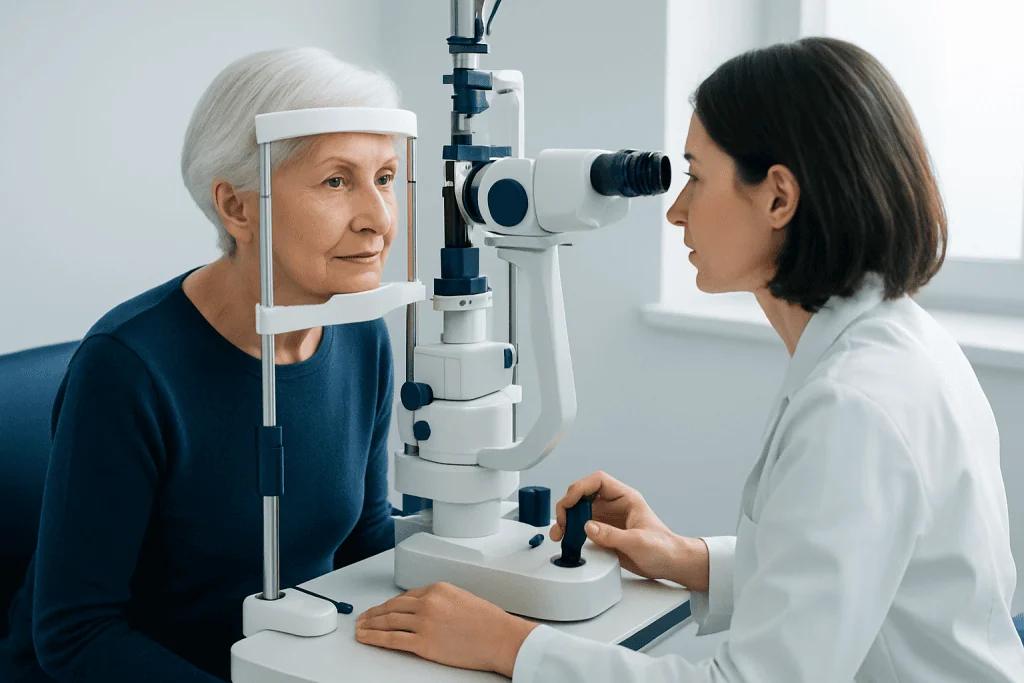
Eye exams are important for people of all ages. Children benefit from early checks because visual problems can affect learning, reading, and development. Adults may need exams to monitor vision changes related to work, screen use, driving, or aging. Older adults are more likely to develop cataracts, glaucoma, and macular changes, so regular reviews become even more important over time.
Some people need more frequent eye care than others. This includes those with diabetes, high blood pressure, autoimmune disease, a family history of glaucoma or retinal disease, previous eye injury, or past eye surgery. Contact lens users also need regular follow-up because lenses can affect the cornea and tear film, and proper fitting matters for comfort and safety.
A doctor may also recommend shorter intervals for people taking certain medications, those with new visual symptoms, or anyone already being monitored for a known eye condition such as diabetic retinopathy or macular disease. A personalized schedule is usually the safest approach.
What happens before and at the start of the visit
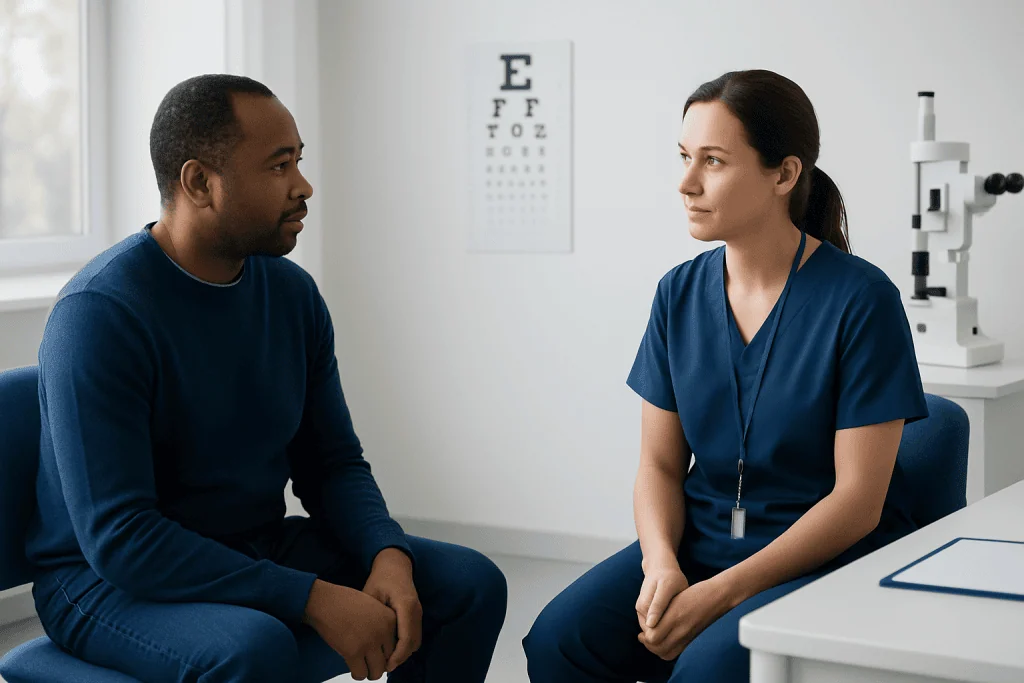
The appointment often begins with a discussion about symptoms, general health, medications, and family history. The clinician may ask about blurry vision, floaters, flashes of light, double vision, eye pain, dryness, redness, headaches, or trouble with reading or night driving. Patients are usually asked whether they wear glasses or contact lenses and whether their prescription still feels comfortable.
Basic measurements are commonly taken first. These may include visual acuity, which checks how clearly each eye sees letters or symbols at a distance and sometimes up close. The care team may also assess how the pupils react to light, whether the eyes move together properly, and whether side vision appears normal.
For people already using glasses, the current prescription may be measured with a device before the doctor or technician refines it further. If the patient is a child, has language barriers, or cannot read letters, alternative charts or picture-based methods can be used. The early part of the exam helps guide which additional tests are most useful.
Common tests during a comprehensive eye exam
One of the main parts of the exam is refraction, the process used to determine whether glasses or contact lenses are needed and what prescription provides the clearest vision. The patient looks through a device while comparing different lenses. This is the familiar “Which is better, one or two?” portion of the visit. It helps identify nearsightedness, farsightedness, astigmatism, and age-related near-vision changes that may need presbyopia treatment or reading correction.
The doctor will usually examine the front of the eye with a slit lamp, a microscope with a bright light. This allows close inspection of the eyelids, tear film, conjunctiva, cornea, iris, and lens. It can help detect irritation, inflammation, infection, corneal surface problems, and lens clouding such as cataracts. In some cases, special dye drops may be used to highlight dry areas or small scratches on the cornea.
Measurement of intraocular pressure is another common step. This helps assess glaucoma risk. Pressure may be checked with a puff-of-air device or with gentle instruments after numbing drops are used. The doctor may also evaluate the optic nerve and drainage angle if glaucoma is a concern. Additional tests, such as corneal measurements or visual field testing, may be recommended if more detail is needed.
Dilation is often an important part of a comprehensive eye exam. Dilating drops widen the pupils so the doctor can examine the retina, macula, optic nerve, and blood vessels at the back of the eye. This part of the exam can reveal diabetic changes, retinal tears, macular degeneration, and other problems that may not affect vision right away. Because dilation can blur near vision and increase light sensitivity for a few hours, patients may prefer to bring sunglasses and plan travel accordingly.
Additional tests that may be recommended
Not every patient needs the same testing. If symptoms or initial findings suggest a more specific issue, the doctor may request advanced imaging or functional tests. These can include optical coherence tomography, retinal photography, visual field testing, color vision testing, corneal topography, tear assessment, or ultrasound in selected cases.
People with diabetes, suspected vascular changes, or certain retinal conditions may need specialized retinal imaging. In some situations, the doctor may discuss eye angiography to assess blood flow in the retina and choroid. If symptoms involve the connection between vision and the nervous system, evaluation in neuro-ophthalmology may be appropriate.
Children may need age-appropriate alignment and focusing tests, especially if there is concern about a lazy eye or squint. Adults interested in refractive surgery may need extra measurements of the cornea, tear film, and prescription stability. These additional tests are chosen carefully to answer a specific clinical question rather than as a routine step for everyone.
What the results can show
A comprehensive eye exam can confirm whether vision changes are due to a refractive error that can be corrected with glasses or contact lenses. It may also show whether symptoms are linked to dry eye, eye strain, allergy, infection, or eyelid problems. If a prescription changes only slightly, the doctor may discuss whether an update is likely to improve day-to-day comfort and function.
More importantly, eye exams can detect conditions that may not cause early symptoms. These include glaucoma, cataracts, diabetic eye disease, retinal tears, macular degeneration, and optic nerve changes. In some cases, eye findings can also reflect broader health issues such as diabetes, high blood pressure, autoimmune disease, or neurological problems.
When abnormalities are found, the next steps depend on the cause and severity. Some people simply need monitoring over time. Others may need medication, laser therapy, further imaging, or referral to a subspecialist. At the end of the visit, the clinician usually explains the results, whether treatment is needed, and when to return.
How to prepare and what to expect afterward
Preparation for an eye exam is usually simple. It helps to bring current glasses, contact lens details, a list of medications, and any relevant medical history. Patients should mention recent changes in vision, flashes, floaters, headaches, or eye injuries. If dilation is likely, it may be useful to ask in advance whether driving afterward could be uncomfortable.
After the exam, some people receive a new prescription for glasses or lenses. Others may be advised to use lubricating drops, improve screen habits, or return for follow-up testing. If the pupils were dilated, near tasks may be blurred and bright light may feel uncomfortable for several hours. These effects are temporary.
When specialized treatment or surgery is needed, the doctor may discuss available options in a stepwise way. Toward the end of the care journey, some patients may seek support from centers with broad ophthalmology services. Acibadem International’s multidisciplinary specialists and JCI-accredited hospitals diagnose and treat eye conditions for international patients when further evaluation or treatment is required.
When to book an eye exam sooner
Routine eye checks are important, but some symptoms should prompt earlier medical review. These include sudden vision loss, a curtain-like shadow, new flashes of light, a large increase in floaters, severe eye pain, marked redness, double vision, or sudden distortion of central vision. These symptoms do not always mean a serious problem, but they should be assessed promptly.
People with diabetes should follow the eye exam schedule advised by their doctor, even if vision seems normal. Anyone with a family history of glaucoma, previous retinal problems, or long-term steroid use should also be especially careful about regular follow-up. Pregnancy, autoimmune disease, or neurological symptoms may sometimes require closer assessment as well.
In general, a comprehensive eye exam is one of the most useful ways to protect long-term vision. Early detection often makes treatment simpler and monitoring more effective. If there is any doubt about symptoms or timing, consulting a qualified eye doctor is the best next step.
Frequently asked questions
How long does a comprehensive eye exam usually take?
Many comprehensive eye exams take about 30 to 60 minutes, depending on the person’s age, symptoms, and whether additional testing is needed. If dilation or imaging is included, the visit may take longer.
Is an eye exam the same as a vision screening?
No. A vision screening is a basic check that may suggest whether someone has a vision problem, but it does not fully evaluate eye health. A comprehensive eye exam is more detailed and can detect eye disease as well as refractive errors.
Will the exam hurt?
Most parts of an eye exam are painless. Some tests may feel unusual, such as bright lights, air-puff pressure testing, or dilating drops, but they are usually brief and well tolerated.
Do all eye exams include dilation?
Not always. Dilation is often recommended because it gives the doctor a better view of the retina and optic nerve, but the need depends on age, symptoms, and the reason for the visit. The doctor will explain whether it is appropriate.
How often should someone have an eye exam?
The right schedule varies. Children, older adults, contact lens users, and people with diabetes or known eye conditions may need more frequent exams, while others may need routine checks at longer intervals. A qualified eye doctor can recommend a timetable based on individual risk.
Should contact lenses be removed before the appointment?
Sometimes yes, especially if the visit includes contact lens fitting, corneal assessment, or measurements for surgery. It is best to ask when booking the appointment, because instructions can differ depending on the type of lenses and the purpose of the exam.
References
- American Academy of Ophthalmology
- National Eye Institute
- American Optometric Association
- Centers for Disease Control and Prevention
- World Health Organization
This article is for general information only and is not a substitute for professional medical advice. Please consult a qualified doctor about your individual situation.
Explore treatments in Turkey — costs, top hospitals & a free quote
JCI-accredited · board-certified surgeons · reply within 24h
Add us as a Preferred Source to see more of our trusted health content across Google Search, AI Overviews and Discover.
Check your numbers in seconds
BMI, calories, due date, blood pressure and 30+ more clinical calculators — free, instant, doctor-reviewed ranges.