Eye Exam: What Happens and Why It Matters for Vision Health
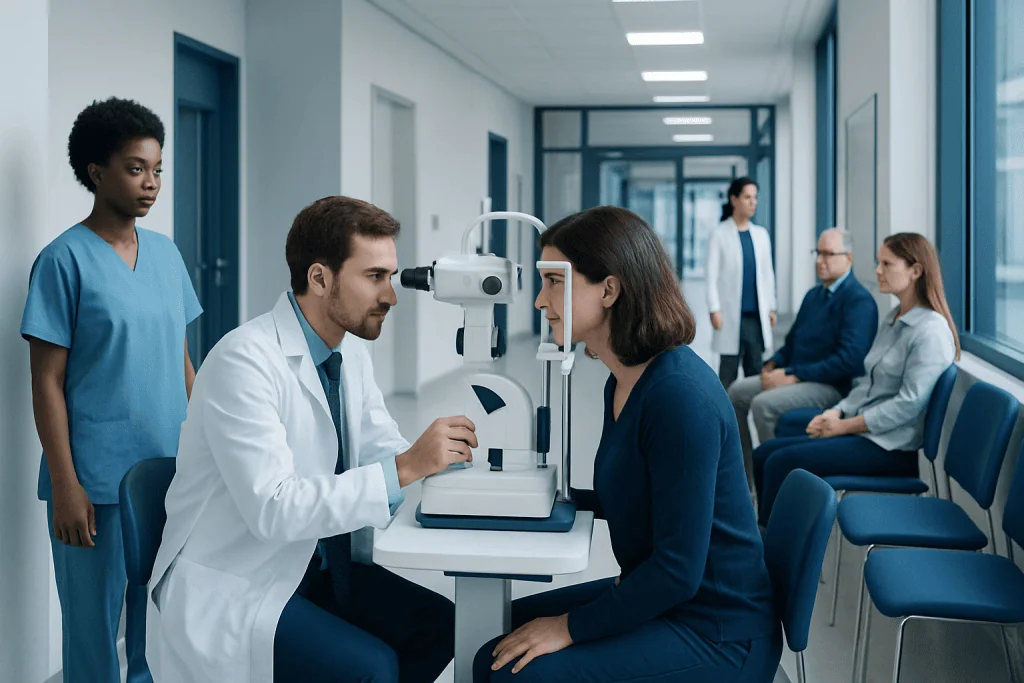
An eye exam assesses vision, eye alignment, and the health of the eye structures. Many eye conditions, including glaucoma and diabetic eye disease, can develop without early symptoms.
Key Takeaways
- An eye exam assesses vision, eye alignment, and the health of the eye structures.
- Many eye conditions, including glaucoma and diabetic eye disease, can develop without early symptoms.
- Children, adults, older adults, and people with certain health conditions may need different exam schedules.
- A dilated eye exam allows the doctor to look more closely at the retina and optic nerve.
- Prompt evaluation is important for sudden vision changes, eye pain, flashes, or new floaters.
An eye exam evaluates both how well a person sees and the overall health of the eyes. Regular exams can detect vision changes, update prescriptions, and identify eye diseases early, often before symptoms appear.
Overview: What an Eye Exam Is and Why It Matters
An eye exam is a medical assessment of vision and eye health. It does more than check whether a person needs glasses or contact lenses. A complete exam can also evaluate how the eyes work together, how they focus, and whether there are signs of disease affecting the cornea, lens, retina, optic nerve, or surrounding tissues.
Regular eye exams are important because many eye problems develop gradually. A person may not notice subtle vision loss or early eye disease in day-to-day life, especially if only one eye is affected or the change happens slowly. Detecting problems early often makes treatment more effective and may help protect long-term sight.
Eye exams can also give clues about general health. In some cases, changes in the blood vessels, retina, or optic nerve may be linked to conditions such as diabetes, high blood pressure, autoimmune disease, or neurological problems. For this reason, eye care is an important part of overall preventive health.
What Happens During an Eye Exam
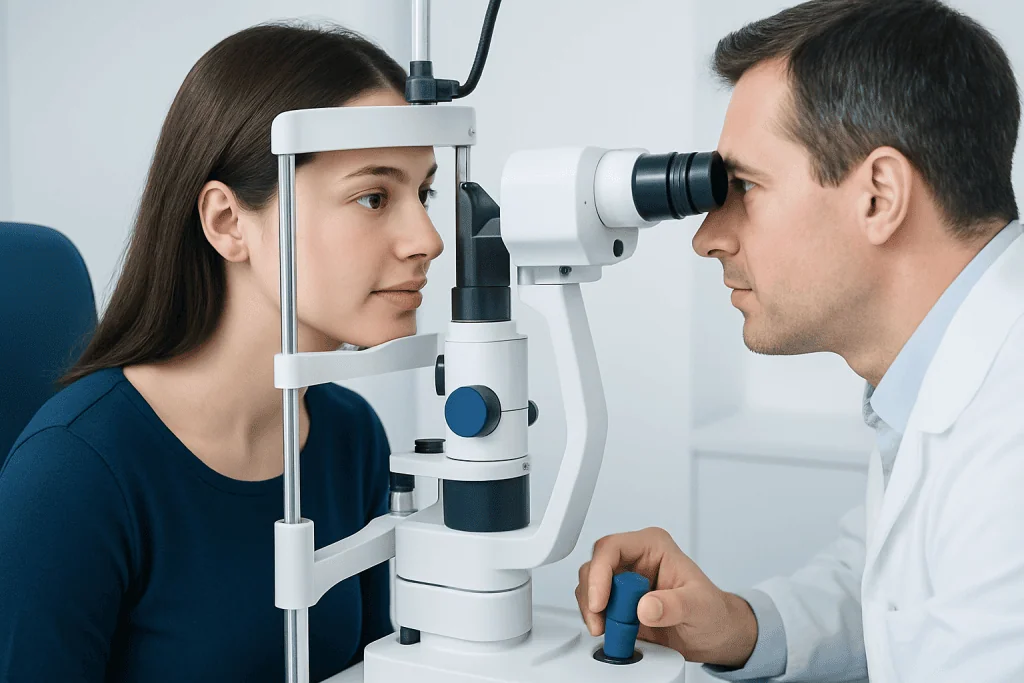
The exact steps depend on age, symptoms, and medical history, but most eye exams include several standard parts. The visit usually begins with questions about vision changes, eye discomfort, headaches, medicines, family history, and any health conditions that may affect the eyes.
Vision testing often includes reading letters on a chart to measure distance vision and sometimes near vision. The doctor or optometrist may also check how the pupils respond to light, how the eyes move, whether the eyes are aligned properly, and how well they work together. Refraction testing helps determine whether glasses or contact lens prescription changes are needed.
Other parts of the exam may include measuring eye pressure, examining the front of the eye with a special microscope called a slit lamp, and assessing the back of the eye. In many cases, dilating drops are used to widen the pupils. This makes it easier to examine the retina and optic nerve and to look for conditions such as glaucoma or retinal changes.
- Medical and vision history review
- Visual acuity and refraction testing
- Eye movement and alignment checks
- Eye pressure measurement
- Slit-lamp examination
- Dilated retinal examination when needed
Common Symptoms and Reasons to Schedule an Exam
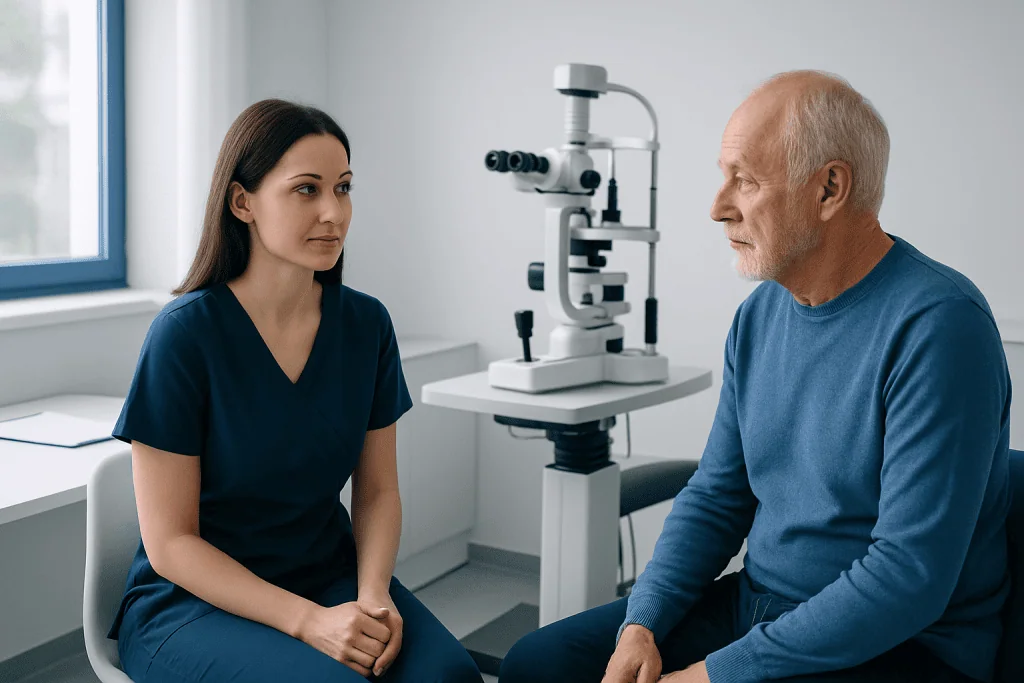
Some people schedule an eye exam as part of routine preventive care, while others go because of specific symptoms. Blurred vision, difficulty reading, headaches during screen use, trouble seeing at night, eye strain, and frequent prescription changes are common reasons for an evaluation.
Children may need an eye exam if they squint, sit too close to screens, avoid reading, tilt the head, cover one eye, or seem to struggle at school. Adults may notice glare while driving, dry or irritated eyes, or increasing trouble focusing up close with age. Contact lens users also need regular follow-up to check eye surface health and lens fit.
Urgent symptoms should never be ignored. Sudden loss of vision, eye pain, a curtain-like shadow, flashes of light, a sudden increase in floaters, double vision, or redness with reduced vision can signal a more serious problem and should be assessed promptly by a qualified eye specialist.
Who Needs Eye Exams and How Often
Eye exam frequency varies from person to person. Infants and children benefit from vision screening and, when needed, comprehensive eye exams to identify focusing problems, lazy eye, or eye misalignment early. School-age children may need periodic checks as vision demands increase and refractive errors become more noticeable.
Healthy adults with no symptoms may need exams at intervals recommended by their eye care professional, while older adults often need more regular assessments because the risk of cataracts, glaucoma, macular degeneration, and other age-related conditions rises over time. People who wear glasses or contact lenses typically need follow-up visits to keep prescriptions current and monitor eye health.
More frequent exams are often recommended for those with diabetes, high blood pressure, a strong family history of eye disease, previous eye injury, autoimmune disease, or long-term use of medications that can affect the eyes. Anyone with known conditions such as cataract or retinal disease may need a tailored follow-up plan based on their doctor’s advice.
Conditions an Eye Exam Can Help Detect
An eye exam can identify common refractive errors such as nearsightedness, farsightedness, astigmatism, and age-related near vision changes. These conditions are often corrected with glasses, contact lenses, or, in selected patients, laser eye surgery. The exam also helps determine whether symptoms are caused by a simple prescription change or by a medical eye condition.
Comprehensive eye exams can help detect diseases that may not cause symptoms in the early stages. Examples include glaucoma, diabetic retinopathy, age-related macular degeneration, retinal tears, corneal disease, and optic nerve problems. Early detection can make monitoring and treatment more effective and may reduce the risk of permanent vision loss.
The exam may also reveal issues outside the eye itself, such as signs of high blood pressure, diabetes complications, inflammatory disease, or neurological disorders. If needed, the eye specialist may recommend additional tests, imaging, blood work, or referral to another doctor for further evaluation.
Diagnosis, Follow-Up, and Treatment After an Eye Exam
After the exam, the clinician explains the findings and whether follow-up is needed. Some people simply receive an updated prescription for glasses or contact lenses. Others may be advised to return for monitoring, especially if there are early signs of glaucoma, cataracts, retinal changes, or dry eye disease.
If a condition is found, treatment depends on the diagnosis. Options may include lubricating drops, prescription medicines, lifestyle adjustments, laser procedures, injections, or surgery. For example, a person with a visually significant lens opacity may be evaluated for cataract surgery, while someone with certain retinal findings may need retinal disease treatment.
In more complex situations, care may involve a multidisciplinary team. Near the end of the care pathway, some international patients choose centers such as Acibadem International, where multidisciplinary specialists in JCI-accredited hospitals evaluate and treat eye conditions based on the individual’s needs and diagnosis.
Preparing for an Eye Exam and Protecting Vision Between Visits
Simple preparation can make the appointment smoother. It helps to bring current glasses or contact lenses, a list of medications, information about past eye problems, and details of any family history of eye disease. If the exam may include dilation, arranging transportation can be useful because vision can remain blurry and light-sensitive for a few hours afterward.
Between visits, healthy habits support vision. Wearing sunglasses with UV protection, using protective eyewear during sports or hazardous work, managing screen time, staying physically active, not smoking, and controlling conditions such as diabetes and high blood pressure all contribute to long-term eye health. Good lighting and regular breaks during close work may also help reduce eye strain.
People should not wait for symptoms before seeking care, especially if they have risk factors for eye disease. Routine checkups are often the best way to detect silent problems early and preserve vision over time.
Frequently asked questions
How long does an eye exam usually take?
A routine eye exam often takes about 30 to 60 minutes, depending on the person's age, symptoms, and whether additional testing is needed. If dilating drops are used, the visit may feel longer because the pupils need time to widen.
Is a vision screening the same as a comprehensive eye exam?
No. A vision screening is a brief check that may identify possible vision problems, but it does not fully assess eye health. A comprehensive eye exam is more detailed and can detect eye diseases that may not affect vision right away.
Do adults still need an eye exam if they see well?
Yes. Good eyesight does not always mean the eyes are healthy. Some conditions, including glaucoma and diabetic eye disease, can begin without obvious symptoms, so regular exams remain important.
What does pupil dilation do during an eye exam?
Dilation uses eye drops to make the pupils larger so the doctor can examine the retina and optic nerve more clearly. This can help detect diseases earlier. Vision may be blurry and bright light may feel uncomfortable for a few hours afterward.
How often should children have their eyes checked?
Children should have age-appropriate vision screening and, when recommended, a full eye exam. The timing depends on age, school demands, symptoms, and any concerns raised by parents, teachers, or healthcare professionals.
When should someone seek urgent eye care?
Urgent care is important for sudden vision loss, eye pain, flashes of light, many new floaters, double vision, or trauma to the eye. These symptoms can sometimes signal a condition that needs prompt treatment to protect sight.
References
- American Academy of Ophthalmology
- American Optometric Association
- National Eye Institute
- Centers for Disease Control and Prevention
- World Health Organization
This article is for general information only and is not a substitute for professional medical advice. Please consult a qualified doctor about your individual situation.
Explore treatments in Turkey — costs, top hospitals & a free quote
JCI-accredited · board-certified surgeons · reply within 24h
Add us as a Preferred Source to see more of our trusted health content across Google Search, AI Overviews and Discover.
Check your numbers in seconds
BMI, calories, due date, blood pressure and 30+ more clinical calculators — free, instant, doctor-reviewed ranges.