Eye Irritation Cure: A Complete Medical Overview

Eye irritation is a symptom rather than one single condition, so effective treatment starts with identifying the cause. Preservative-free lubricating eye drops and avoiding known triggers can help many mild cases of dryness or environmental irritation.
Key Takeaways
- Eye irritation is a symptom rather than one single condition, so effective treatment starts with identifying the cause.
- Preservative-free lubricating eye drops and avoiding known triggers can help many mild cases of dryness or environmental irritation.
- Itching commonly suggests allergies, while thick discharge, significant pain, light sensitivity, or reduced vision may indicate a problem needing medical care.
- Contact lenses should be removed when the eyes are irritated, unless an eye doctor advises otherwise.
- Steroid, antibiotic, and redness-relieving eye drops should not be used without professional guidance.
An eye irritation cure depends on what is affecting the eye, such as dryness, allergies, contact lenses, an irritant, or an infection. Many mild cases improve with gentle self-care and avoiding triggers, but pain, vision changes, injury, or persistent symptoms need prompt medical assessment.
Eye irritation cure: what helps most
There is no single eye irritation cure because irritation can result from several different causes. Dryness, seasonal allergies, smoke, dust, cosmetics, prolonged screen use, contact lenses, and infections can all cause red, uncomfortable, watery, gritty, or itchy eyes. The most helpful approach is to protect the eye surface, stop exposure to likely triggers, and use treatment that matches the underlying cause.
For mild symptoms, simple measures often provide relief. These include taking a break from contact lenses, rinsing the eye with clean water if an irritant has entered it, using preservative-free artificial tears for dryness, and applying a cool compress for itchiness or puffiness. A person should avoid rubbing the eyes, since rubbing can worsen inflammation and may damage the cornea.
Symptoms that are severe, occur in one eye after an injury, or affect vision should not be managed with home remedies alone. An ophthalmologist or other qualified clinician can examine the front of the eye, eyelids, and tear film to determine whether a prescription treatment or more urgent care is needed.
How eye irritation can feel
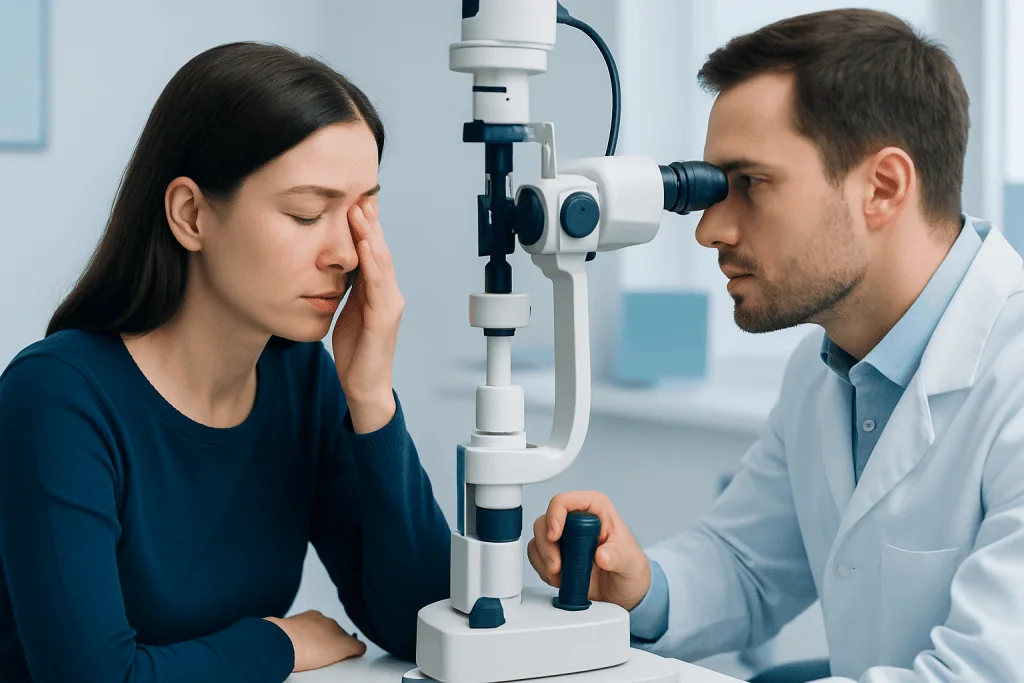
Eye irritation may feel like burning, stinging, grittiness, dryness, itching, or the sensation that something is in the eye. The eyes may appear red, tear more than usual, or develop mild swelling around the lids. Although excessive tearing can seem inconsistent with dry eye, it may occur when the eye responds to surface dryness by producing reflex tears that do not provide lasting lubrication.
The pattern of symptoms can offer useful clues. Itching in both eyes, especially alongside sneezing or a runny nose, often occurs with allergic eye disease. A scratchy feeling that worsens after reading, computer work, air travel, or time in air-conditioned rooms can point to dry eye. Crusting of the lashes or irritation along the lid margins may be linked with blepharitis, an inflammation of the eyelids.
Some symptoms require more caution. Significant pain, marked sensitivity to light, blurred or reduced vision, a white spot on the cornea, severe swelling, or a feeling that a foreign body remains in the eye can indicate a condition beyond simple irritation. These signs warrant timely professional assessment.
Common causes and risk factors

Dry eye disease is among the most frequent reasons for persistent irritation. It develops when the eyes do not make enough tears or when tears evaporate too quickly. Aging, hormonal changes, some medicines, autoimmune conditions, eyelid problems, and long periods of close visual work can contribute. Reduced blinking while using a computer, phone, or tablet may allow tears to evaporate more quickly.
Allergies can also cause eye redness, watering, itching, and swollen eyelids. Common triggers include pollen, mold, animal dander, and dust mites. Environmental irritants such as cigarette smoke, air pollution, chlorinated pool water, wind, and aerosol sprays may bother the eye surface without causing an allergy. Make-up, facial products, and hair products can be additional triggers, particularly if they enter the eye or are used close to the lash line.
Contact lens wear can increase the chance of irritation when lenses are worn for too long, cleaned incorrectly, exposed to water, or used while sleeping when not prescribed for overnight wear. Infection, corneal scratches, and foreign bodies are less common but important causes. Bacterial, viral, and <a href="https://acibademinternational.com/diseases/allergic-conjunctivitis/”>allergic conjunctivitis may look similar at first, which is why persistent redness or discharge should be assessed rather than treated with leftover drops.
Understanding the cause: how eye irritation is assessed
A clinician will usually begin by asking when symptoms started, whether one or both eyes are affected, and whether there has been exposure to allergens, chemicals, illness, injury, or contact lenses. Information about discharge, itchiness, pain, light sensitivity, vision changes, and use of eye drops is also important. A person should mention all prescription and over-the-counter medicines, as some can contribute to dry eye symptoms.
The examination may include checking visual acuity, eyelid position, eye movements, pupil responses, and the appearance of the conjunctiva and cornea. An eye specialist may use a slit lamp, a microscope with a bright light, to look closely at the surface of the eye. Fluorescein dye can help identify corneal scratches, ulcers, or areas affected by dryness.
Testing is not always necessary for a brief, mild episode. However, persistent or recurrent symptoms may lead to tear-film assessment, eyelid evaluation, allergy assessment, or testing for infection in selected cases. Accurate diagnosis matters because treatments that help one cause, such as allergy drops, may not help another cause, such as a corneal infection.
Treatment options for irritated eyes
Treatment is guided by the cause. For dry eyes, preservative-free artificial tears or lubricating gels may improve comfort. A clinician may recommend more frequent lubrication, eyelid care, environmental adjustments, or prescription therapies when dry eye is moderate or severe. People who use drops often should ask a pharmacist or clinician about preservative-free options, as preservatives can sometimes aggravate sensitive eyes.
For allergy-related symptoms, limiting allergen exposure, using cool compresses, and discussing antihistamine or mast-cell stabilizer eye drops with a clinician can be useful. Allergy symptoms are often worse during particular seasons or after exposure to a known trigger. Oral allergy medicines may help nasal symptoms but can worsen dryness for some people, so individual advice is helpful.
If a bacterial infection is diagnosed, a clinician may prescribe antibiotic eye drops or ointment. Viral conjunctivitis often improves with supportive care, while strict hand hygiene helps reduce spread. Steroid eye drops can be valuable for selected inflammatory eye conditions but must only be used under ophthalmic supervision because they can worsen certain infections and may raise eye pressure. Redness-relieving drops that constrict blood vessels may provide short-lived cosmetic improvement but can cause rebound redness if used repeatedly.
Contact lens users should generally remove lenses at the first sign of irritation and wear glasses until the eye is comfortable and a clinician has advised that lens use is safe. Lenses, cases, and solutions may need to be reviewed or replaced, especially if infection is suspected.
Safe self-care and prevention
For uncomplicated irritation, a few practical habits can support eye comfort. Taking regular visual breaks can reduce strain and encourage blinking during screen use. A commonly used approach is to look away from close work at intervals and focus on a distant object briefly. Positioning screens slightly below eye level may also help reduce the exposed surface of the eye.
Keeping indoor air comfortably humid, avoiding direct airflow from fans or vehicle vents, and wearing protective glasses in wind, dust, or smoke can limit evaporation and environmental exposure. People with allergies may benefit from keeping windows closed during high-pollen periods, showering after outdoor activity, and avoiding rubbing their eyes. Cool, clean compresses can soothe itchiness; warm compresses may be advised for certain eyelid conditions, but should be used only as recommended.
Good contact lens hygiene is essential. Hands should be washed and dried before handling lenses, lenses should never be rinsed with tap water, and replacement schedules should be followed. Eye make-up should be removed before sleep, shared cosmetics should be avoided, and old eye products should be discarded. A person should not use another person’s prescription eye drops or use antibiotic or steroid drops left over from a previous episode.
When to seek medical care
Medical care should be sought urgently for sudden vision loss or new blurred vision, severe eye pain, major light sensitivity, chemical exposure, penetrating injury, or a suspected object embedded in the eye. After a chemical splash, the eye should be rinsed immediately with clean running water or saline for at least 15 minutes while arranging urgent care. Contact lenses should be removed during rinsing if they come out easily, but rinsing should not be delayed.
Same-day assessment is advisable for a red, painful eye in a contact lens wearer, thick discharge with worsening symptoms, swelling that makes it difficult to open the eye, a corneal white spot, or symptoms after eye surgery. These situations can occasionally involve corneal infection or other conditions where prompt treatment helps protect vision.
A routine appointment is appropriate if symptoms last more than a few days, return frequently, do not improve with simple measures, or interfere with work, reading, or sleep. Acibadem International’s multidisciplinary specialists and JCI-accredited hospitals can assess eye symptoms and coordinate care for international patients when specialist evaluation is needed.
Frequently asked questions
What is the fastest way to relieve eye irritation?
The fastest safe relief depends on the cause. For mild dryness or environmental irritation, stopping exposure, removing contact lenses, using preservative-free lubricating drops, and applying a cool compress may help. Pain, vision changes, or symptoms after a chemical splash need medical care rather than self-treatment.
Can eye irritation go away on its own?
Yes, mild irritation from tiredness, wind, smoke, or a temporary exposure may settle once the trigger is removed. Persistent, recurrent, or worsening symptoms may reflect dry eye, allergies, eyelid inflammation, or infection. An eye examination can clarify the cause and guide treatment.
Is eye irritation usually caused by dry eye or allergies?
Both are common causes. Dry eye often causes burning, grittiness, fluctuating vision, and symptoms that worsen during screen use or in dry air. Allergies more often cause prominent itching, watering, and swelling, sometimes with sneezing or nasal symptoms.
Should contact lenses be worn with irritated eyes?
Contact lenses should usually be removed when the eyes are red, painful, unusually watery, or irritated. Continuing to wear lenses can worsen dryness and may increase the risk of complications if an infection or corneal injury is present. Glasses are generally the safer temporary option until symptoms resolve or an eye clinician gives advice.
Can redness-relief eye drops cure eye irritation?
No. These drops may temporarily reduce visible redness by narrowing blood vessels, but they do not treat the underlying cause. Frequent use can lead to rebound redness, and they are not suitable for every eye problem.
When is eye irritation an emergency?
It is an emergency when there is severe pain, sudden or reduced vision, chemical exposure, serious injury, or a possible object stuck in the eye. Urgent assessment is also important for contact lens wearers with a red painful eye or strong light sensitivity. These symptoms can indicate conditions that need prompt treatment to protect the eye.
References
- American Academy of Ophthalmology
- National Eye Institute
- American Optometric Association
- Mayo Clinic
- World Health Organization
This article is for general information only and is not a substitute for professional medical advice. Please consult a qualified doctor about your individual situation.
Explore treatments in Turkey — costs, top hospitals & a free quote
JCI-accredited · board-certified surgeons · reply within 24h
Add us as a Preferred Source to see more of our trusted health content across Google Search, AI Overviews and Discover.

More from the Health Library



Related Specialists

Prof. Dr. Banu Atalar
Radiation Oncology
Fzt. Erdem Terzi
Physical Medicine & Rehabilitation
Prof. Dr. Cafer Eroğlu
Clinical Laboratory
Prof. Dr. Öner Gülcan
Cardiovascular Surgery