Eyebrow Is Thinning: What Patients Need to Know

Thinning eyebrows are a symptom, not a diagnosis, and the cause may be local, hormonal, nutritional, or autoimmune. Common reasons include overplucking, aging, eczema, stress-related shedding, thyroid disorders, and alopecia areata.
Key Takeaways
- Thinning eyebrows are a symptom, not a diagnosis, and the cause may be local, hormonal, nutritional, or autoimmune.
- Common reasons include overplucking, aging, eczema, stress-related shedding, thyroid disorders, and alopecia areata.
- Diagnosis usually depends on medical history, skin and hair examination, and sometimes blood tests or a small skin sample.
- Treatment works best when it targets the underlying cause rather than only trying to stimulate hair growth.
- New, patchy, inflamed, or rapidly worsening eyebrow loss should be assessed by a qualified doctor.
If an eyebrow is thinning, the cause is often treatable and may range from grooming habits and skin irritation to thyroid disease, nutrient deficiency, or autoimmune hair loss. Care starts with identifying the pattern of hair loss, any related symptoms, and whether the change is temporary or ongoing.
Overview: What It Means When an Eyebrow Is Thinning
When an eyebrow is thinning, it usually means the normal cycle of eyebrow hair growth has been disrupted. In some people, this happens because hairs are repeatedly removed or damaged. In others, it can reflect a skin condition, a hormonal change, a nutritional problem, or a medical disorder that affects hair follicles.
Eyebrow thinning can affect one side or both sides, happen gradually over time, or appear more suddenly in patches. The pattern often gives useful clues. Diffuse thinning may be linked to aging, stress, thyroid problems, or nutritional issues, while sharply defined patches may suggest conditions such as alopecia areata.
Unlike scalp hair, eyebrow hair has a shorter growth phase, so regrowth can be slow. That means recovery may take weeks to months even after the trigger is corrected. A patient-friendly approach is to look for causes systematically instead of assuming the problem is purely cosmetic.
Common Signs and Patterns to Notice
Patients often first notice that the brows look less full, the tail ends appear sparse, or makeup is needed to create a familiar shape. Some people see more hairs on a cotton pad, pillowcase, or towel. Others feel the brows have become uneven or are thinning in small round areas.
Associated symptoms can help narrow the cause. Itching, redness, scaling, or burning may point to eczema, seborrheic dermatitis, psoriasis, or contact irritation from cosmetics and skincare products. Smooth bare patches without scale may fit an autoimmune process, while broken hairs can suggest friction, hair pulling, or fragile hair shafts.
A doctor may ask whether there are changes elsewhere on the body. Hair shedding from the scalp, eyelashes, or other body areas can indicate a broader hair disorder. Fatigue, weight change, dry skin, menstrual changes, or feeling unusually cold or warm can suggest an internal cause such as a hormone imbalance.
- Gradual thinning over years may be related to aging or repeated grooming.
- Patchy hair loss may suggest autoimmune or inflammatory causes.
- Redness, flakes, or crusting may indicate a skin condition or infection.
- Loss mainly in the outer third of the brow can sometimes occur with thyroid disease.
Why Eyebrows Thin: Causes and Risk Factors
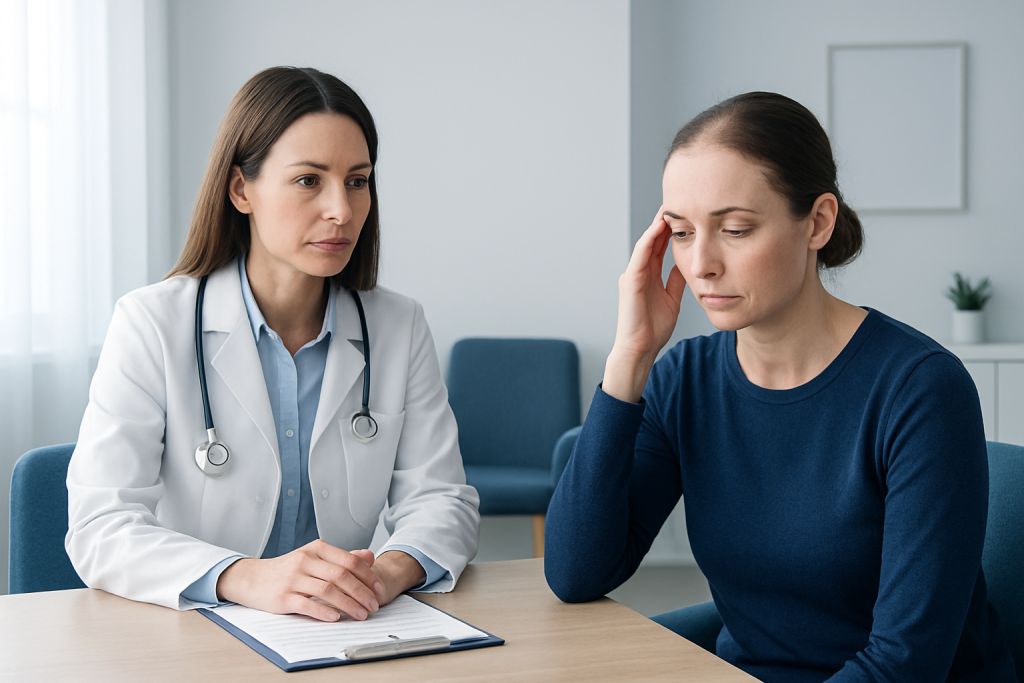
One of the most common reasons for thinning eyebrows is repeated removal of hairs through plucking, waxing, threading, or certain beauty treatments. If this continues over time, follicles may become less productive and regrowth may be slower or incomplete. Chemical irritation from dyes, harsh cleansers, retinoids, or adhesives can also affect the delicate skin around the brows.
Skin and hair disorders are another major group of causes. Eczema, seborrheic dermatitis, psoriasis, fungal infection, and inflammatory conditions can interfere with healthy hair growth. Autoimmune diseases are important to consider too. In thyroid disease, eyebrow thinning may develop along with scalp hair changes, fatigue, dry skin, or weight change. Autoimmune patchy loss such as alopecia areata may cause sudden smooth areas of missing hair.
Systemic factors can also contribute. Physical or emotional stress, recent illness, restrictive dieting, iron deficiency, low protein intake, and some medications may trigger shedding. Hormonal shifts related to menopause, postpartum recovery, or endocrine disorders can change hair density. Aging itself often leads to finer, lighter, or slower-growing eyebrow hair, even without disease.
Less commonly, eyebrow thinning may occur because of scarring processes in the skin. In scarring forms of hair loss, follicles are permanently damaged and early diagnosis matters. This is one reason ongoing inflammation, tenderness, or shiny skin in the brow area should not be ignored.
How Doctors Diagnose Thinning Eyebrows
Diagnosis begins with a careful history. A doctor usually asks when the thinning started, whether it is getting worse, and whether there were recent stressors, illnesses, pregnancies, medication changes, or changes in diet. Questions about itching, scaling, redness, and cosmetic practices are often just as important as the hair loss itself.
The physical examination focuses on the brows, surrounding skin, scalp, eyelashes, and sometimes nails or other body hair. The clinician looks for patterns such as broken hairs, round patches, redness, scale, scarring, or changes in skin texture. A dermatoscope may be used to examine follicles more closely.
If an underlying medical problem is suspected, blood tests may be recommended. These can include thyroid studies, iron-related tests, and other labs guided by symptoms and history. In selected cases, a doctor may take skin samples for culture or a small biopsy to distinguish inflammatory, infectious, and scarring causes.
Because several conditions can look similar, self-diagnosis is not always reliable. When an eyebrow is thinning and the cause is unclear, medical evaluation helps avoid unnecessary products and ensures that treatable conditions are not missed.
Treatment Options and What to Expect
Treatment depends on the reason the eyebrow is thinning. If grooming trauma or cosmetic irritation is the main issue, stopping the trigger and simplifying skincare may be enough. Recovery is often gradual because eyebrow hairs grow slowly. If a medical disorder is present, treatment focuses first on that underlying condition.
Doctors may use medicated creams or other prescription treatments for eczema, seborrheic dermatitis, psoriasis, or autoimmune inflammation. If a thyroid or nutritional problem is found, correcting it may support regrowth over time. For patients with patchy or persistent loss, dermatology care may be helpful, especially when the diagnosis is uncertain or there are signs of scarring.
Some people ask about procedures to improve eyebrow density. In appropriate candidates with stable hair loss, options such as hair transplant techniques may be discussed for eyebrow restoration. Cosmetic camouflage with pencils, powders, or gels can also improve appearance while the underlying issue is being treated.
Results vary depending on whether follicles are temporarily inactive or permanently damaged. Conditions that do not scar the follicles are more likely to improve with time. A realistic timeline is important: visible regrowth may take several months, and follow-up can help adjust treatment if progress is limited.
Self-care, Prevention, and Daily Brow Protection
Gentle care can reduce further loss and support recovery. Patients are often advised to pause plucking, waxing, or threading while the cause is being evaluated. Makeup and skincare products used near the brows should be reviewed, especially if there is itching, burning, or flaking after application.
Good general health also matters for hair growth. A balanced diet with enough protein, iron, zinc, and other essential nutrients supports hair follicles. Crash dieting and highly restrictive eating patterns can contribute to shedding. Stress management, adequate sleep, and regular medical care are also useful because overall health influences the hair cycle.
If the brow area is dry or irritated, fragrance-free cleansers and moisturizers are usually preferred. New cosmetic products should be patch-tested when possible. It is best to avoid rubbing, scratching, or using harsh exfoliants on the brow area, as repeated inflammation can interfere with regrowth.
- Limit repeated hair removal and avoid pulling at brow hairs.
- Use gentle, fragrance-free products around the eyes and brows.
- Eat a balanced diet rather than starting supplements without medical advice.
- Seek assessment before using strong growth products near the eyes.
When to Seek Medical Care
Medical evaluation is important if eyebrow thinning is sudden, patchy, rapidly worsening, or accompanied by redness, swelling, pain, crusting, or scarring. A doctor should also be consulted if there is hair loss on the scalp or eyelashes, or if symptoms such as fatigue, weight change, dry skin, or menstrual changes suggest a broader health issue.
Patients with a history of autoimmune disease, thyroid disease, or chronic skin conditions may benefit from earlier review. Timely assessment is especially useful when follicles may be inflamed or scarred, because early treatment may help preserve hair growth potential.
Specialist care may involve dermatology, endocrinology, or other disciplines depending on the suspected cause. When treatment planning requires broader evaluation, options such as dermatology care and endocrinology assessment may be part of the workup. Acibadem International’s multidisciplinary specialists and JCI-accredited hospitals diagnose and treat eyebrow thinning and related conditions for international patients.
Frequently asked questions
Is eyebrow thinning always a sign of illness?
No. Eyebrow thinning can happen from normal aging, repeated plucking, or irritation from cosmetics and skincare products. However, it can also reflect medical causes such as thyroid problems, eczema, or autoimmune hair loss, so persistent or unexplained changes deserve attention.
Can thinning eyebrows grow back?
Often they can, especially if the follicles are still healthy and the cause is treated. Regrowth may be slow because eyebrow hair grows in a shorter cycle than scalp hair. If scarring has damaged the follicles, recovery may be limited.
How long does it take for eyebrows to regrow?
This varies with the cause, but visible improvement commonly takes several weeks to months. Brows do not usually fill in quickly, even after the trigger is removed. A doctor can help set realistic expectations based on the pattern of loss.
Should patients take vitamins for thinning eyebrows?
Not automatically. Vitamins or supplements are most helpful when a true deficiency is present, and taking unnecessary supplements may not improve hair growth. It is safer to discuss symptoms with a doctor and use testing when needed.
Can thyroid disease cause eyebrow thinning?
Yes. Thyroid disorders can affect the hair growth cycle and may lead to thinning of the brows, scalp, or other body hair. The outer part of the eyebrow may be especially affected in some people, though this sign alone does not confirm a thyroid condition.
When is eyebrow thinning an urgent concern?
Eyebrow thinning is not usually an emergency, but prompt medical review is sensible if it appears suddenly, becomes patchy, or is linked with pain, swelling, crusting, or scarring. Early assessment is also important when there are symptoms of hormone imbalance, autoimmune disease, or widespread hair loss.
This article is for general information only and is not a substitute for professional medical advice. Please consult a qualified doctor about your individual situation.
Hair transplant in Turkey — costs, graft counts & a free assessment
JCI-accredited · board-certified surgeons · reply within 24h
Add us as a Preferred Source to see more of our trusted health content across Google Search, AI Overviews and Discover.
Check your numbers in seconds
BMI, calories, due date, blood pressure and 30+ more clinical calculators — free, instant, doctor-reviewed ranges.

More from the Health Library

Efudix Cream for Sun-Damaged and Superficial Skin

Mons Veneris Pubis — Explained by Medical Evidence, Not Myths
Afrin Nasal Spray: A Complete Medical Overview

Cure a Migraine Naturally: A Complete Medical Overview

External auditory canal swelling: A Complete Medical Guide for Patients