Eyelash Loss Treatment: How It Works, Results and What to Expect

Eyelash loss, also called madarosis, can affect one or both eyes and may be temporary or long-lasting. Blepharitis, skin conditions, autoimmune disease, thyroid disorders, medications, and physical trauma can contribute to lash loss.
Key Takeaways
- Eyelash loss, also called madarosis, can affect one or both eyes and may be temporary or long-lasting.
- Blepharitis, skin conditions, autoimmune disease, thyroid disorders, medications, and physical trauma can contribute to lash loss.
- A clinical assessment is important before treatment, particularly when loss is sudden, patchy, painful, or associated with eyelid changes.
- Medical treatment focuses on the underlying cause; cosmetic restoration may be considered after the condition is stable.
- Eyelash transplantation can provide lasting coverage for selected people but requires specialist planning and ongoing trimming of transplanted hairs.
Eyelash loss treatment begins with identifying why lashes are thinning or falling out. Many causes are treatable, and the best option may range from gentle eyelid care and medical therapy to a carefully selected eyelash transplantation procedure.
Overview: What Does Eyelash Loss Treatment Involve?
Eyelash loss treatment is tailored to the underlying cause. It may involve treating eyelid inflammation or a skin condition, reviewing a possible medication effect, addressing a medical disorder, or supporting regrowth with clinician-guided therapy. When follicles have been permanently damaged or eyelashes do not return after the cause is controlled, a restorative procedure such as eyelash transplantation may be discussed.
Lashes help reduce the amount of dust, sweat, and small particles that reach the eye. They also have an important cosmetic role, so thinning can affect comfort and confidence. Losing some eyelashes as part of the normal growth cycle is common; noticeable thinning, bare areas, or loss affecting the eyebrows or scalp deserves medical attention.
The medical term for loss of eyelashes is madarosis. It can occur on the upper or lower lids, on one side or both sides, and with or without redness, itching, scaling, pain, or changes to the skin. The pattern and accompanying symptoms help clinicians determine the most appropriate next step.
Why Eyelashes Fall Out
Eyelashes may shed when the eyelid margin or hair follicle becomes inflamed. Blepharitis, which is inflammation around the eyelids, is a frequent cause and may lead to itching, crusting, a gritty eye sensation, or lashes that break easily. Contact dermatitis from cosmetics, adhesives, eye drops, or skin-care products can also irritate the lids and contribute to shedding.
Some dermatologic and systemic conditions may be involved. These include alopecia areata, atopic dermatitis, psoriasis, thyroid disease, nutritional deficiencies, and certain autoimmune disorders. Infections, burns, surgery, radiation, and scarring conditions can damage follicles more permanently. Hair pulling related to stress or a body-focused repetitive behavior may also result in patchy loss.
In addition, eyelash extensions, repeated use of strong adhesives, aggressive rubbing during makeup removal, and frequent eyelid trauma can weaken or pull out lashes. Treatments for cancer and some other medicines may affect hair growth. A clinician should review the timing of eyelash loss, eye products, recent illnesses, and all medicines rather than assuming the cause is cosmetic alone.
- Non-scarring loss: follicles are usually preserved, and regrowth may be possible once the cause is treated.
- Scarring loss: follicles may be replaced by scar tissue, making spontaneous regrowth less likely.
Assessment and Candidacy for Treatment

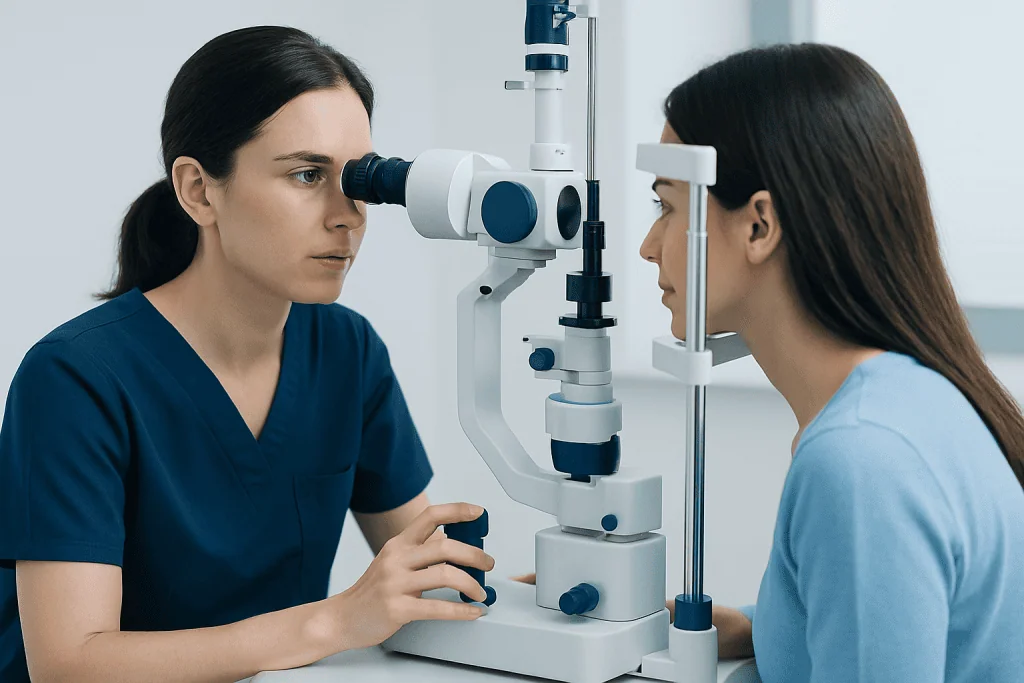
An ophthalmologist, dermatologist, or appropriately trained clinician will usually examine the eyelids, lashes, surrounding skin, scalp, and eyebrows. They may ask about itching, pain, visual symptoms, recent cosmetic procedures, hair loss elsewhere, medical history, and medications. Close examination helps distinguish broken lashes from shedding and may identify signs of infection, inflammation, or scarring.
Testing is not needed for every person. However, a clinician may recommend blood tests when symptoms or history suggest thyroid disease, iron deficiency, another nutritional concern, or an autoimmune condition. Occasionally, a skin or eyelid biopsy is considered if there is unexplained scarring, a persistent lesion, or concern for a condition affecting the follicles.
The best candidates for a procedural approach are people whose eyelid and skin disease is inactive, whose lash loss is stable, and who have realistic expectations. People considering transplantation need enough suitable donor hair, commonly from the scalp, and must be able to follow aftercare instructions. Active blepharitis, infection, uncontrolled skin disease, or ongoing hair pulling should be treated first.
How Medical and Procedural Treatment Works
When an identifiable condition is causing eyelash loss, treatment targets that condition. For example, clinicians may recommend careful lid hygiene for blepharitis, stopping an irritating product, managing eczema or psoriasis, or treating an underlying medical disorder. Prescription medicines should only be used under medical supervision, especially near the eyes. Some people may be suitable for a topical eyelash-growth medicine, but its benefits, limitations, and possible eye-area side effects should be reviewed individually.
For persistent loss due to damaged or absent follicles, eyelash transplantation is a reconstructive option. In this procedure, very fine hair follicles are harvested from a donor area, usually the scalp, then placed one by one into tiny openings along the eyelid margin. The surgeon chooses the placement angle carefully because eyelashes must curve outward and away from the eye.
The procedure is typically planned with an eye-area and hair-restoration assessment. The goal is to improve lash density while protecting the eyelid margin and the surface of the eye. Transplanted scalp hairs retain scalp-hair characteristics, meaning they may grow longer than natural lashes and need regular trimming and grooming.
What to Expect During Eyelash Transplantation
Before the procedure, the specialist reviews the desired density, eyelid anatomy, medical history, and donor-hair availability. Photographs may be taken for planning. The treatment area and donor site are prepared, and local anesthesia is commonly used. The exact approach varies according to the number of eyelashes needed and whether one or both eyelids are treated.
Individual follicular units are collected and prepared under magnification. The surgeon then creates exceptionally small recipient sites at the planned lash line and inserts the grafts at a shallow, outward-facing direction. Precise orientation is essential: poorly directed hairs can irritate the eye and may require correction.
After the procedure, patients generally return home the same day with written instructions. The team explains how to protect the grafts, clean the area safely, and monitor for concerns. Follow-up appointments allow the surgeon to assess healing, hair direction, and early growth.
Not every person with thin lashes needs surgery. Temporary cosmetic options, such as carefully selected mascara or false lashes, may be reasonable for some people, but products should be avoided if they worsen irritation or if a clinician advises against them during treatment or recovery.
Recovery, Results, Benefits and Risks
Mild swelling, redness, tenderness, or small crusts around the eyelids can occur after transplantation. These effects usually settle as healing progresses, but patients should follow their surgeon’s advice about washing, eye makeup, exercise, sleeping position, and sun exposure. Rubbing the eyes or pulling at crusts may disturb newly placed grafts.
Transplanted hairs often shed during the early recovery period before new growth begins. This can be expected and does not necessarily indicate that the procedure has failed. Meaningful regrowth generally develops gradually over several months, and the final appearance may continue to mature over a longer period. Some patients need more than one session to achieve the density they want.
Potential benefits include improved eyelash coverage and a more natural-looking result than temporary cosmetic solutions in appropriately selected patients. Important limitations are that transplanted hairs may grow in a different texture or cycle from natural lashes and need lifelong trimming. They may also require occasional curling or careful grooming.
Risks include infection, bleeding, scarring, uneven density, poor graft survival, altered eyelid appearance, and hairs growing toward the eye. Inward-growing lashes can scratch the cornea and need prompt assessment. Choosing an experienced specialist and attending follow-up visits helps reduce avoidable risks, although no procedure can guarantee a particular cosmetic result.
Daily Care and When to Seek Medical Care
Gentle eyelid care can help protect existing lashes. This includes removing eye makeup carefully, avoiding harsh rubbing, replacing old eye cosmetics, and pausing products that cause burning, redness, or itching. People with recurrent eyelid inflammation may benefit from a clinician-recommended lid-cleaning routine. A balanced diet supports general health, but supplements should not be used as a substitute for finding the cause of significant hair loss.
Medical care should be sought promptly for sudden eyelash loss with eye pain, marked swelling, discharge, light sensitivity, blurred vision, a new eyelid lump, or skin ulceration. An appointment is also appropriate when lash loss is patchy, persistent, spreading to the eyebrows or scalp, or accompanied by fatigue, weight changes, or other symptoms of a systemic condition.
People who have had a lash procedure should contact their treating team for increasing pain, worsening redness, pus-like discharge, fever, reduced vision, or a sensation that hairs are rubbing the eye. Acibadem International’s multidisciplinary specialists and JCI-accredited hospitals can assess eyelash loss and discuss medical or reconstructive options for international patients.
Frequently asked questions
Can eyelashes grow back after falling out?
Eyelashes can grow back when the follicles remain healthy and the underlying trigger is corrected. Regrowth may take several weeks to months because eyelashes have a naturally slow growth cycle. Regrowth is less likely when follicles have been permanently damaged by scarring, burns, or certain inflammatory disorders.
What is the best treatment for eyelash loss?
The best eyelash loss treatment depends on the cause. Treating blepharitis, dermatitis, infection, medication-related effects, or a medical condition may allow lashes to return. For stable, permanent loss, a clinician may discuss reconstructive approaches such as eyelash transplantation.
Is eyelash transplantation permanent?
The transplanted follicles are intended to establish long-term growth, but outcomes vary among individuals. Because donor hairs usually come from the scalp, they can continue to grow longer than normal eyelashes. Regular trimming and grooming are therefore usually needed.
How long does it take to see results after eyelash transplantation?
Newly transplanted hairs may shed early in recovery before entering a new growth phase. New growth commonly becomes more noticeable over the following months, while the appearance continues to develop over time. The treating surgeon can provide a more individualized timeline based on the procedure and healing progress.
Can mascara, extensions, or eyelash glue cause lash loss?
These products can contribute to breakage, traction, or eyelid irritation in some people, particularly when applied or removed repeatedly. Allergic reactions to adhesives may cause redness, itching, and shedding. Stopping the suspected product and seeking clinical advice is sensible if symptoms persist.
Should a person use an eyelash growth serum without medical advice?
Over-the-counter cosmetic serums vary in their ingredients and evidence for effectiveness. Products used near the eyes can cause irritation or allergic reactions, and some prescription growth treatments have specific risks and are not suitable for everyone. A clinician can help determine whether a product is appropriate and whether an underlying condition needs treatment first.
References
- American Academy of Ophthalmology
- American Academy of Dermatology Association
- National Eye Institute
- Mayo Clinic
- Cleveland Clinic
This article is for general information only and is not a substitute for professional medical advice. Please consult a qualified doctor about your individual situation.
Hair transplant in Turkey — costs, graft counts & a free assessment
JCI-accredited · board-certified surgeons · reply within 24h
Add us as a Preferred Source to see more of our trusted health content across Google Search, AI Overviews and Discover.