Eyelid Exercises: What Patients Need to Know

Eyelid exercises can be useful for gentle blinking practice, lid relaxation, and eye comfort in some people. They do not correct every cause of droopy eyelids, twitching, or eyelid weakness.
Key Takeaways
- Eyelid exercises can be useful for gentle blinking practice, lid relaxation, and eye comfort in some people.
- They do not correct every cause of droopy eyelids, twitching, or eyelid weakness.
- New eyelid drooping, pain, vision changes, or one-sided weakness should be assessed by a doctor promptly.
- Warm compresses, eyelid hygiene, screen breaks, and dry-eye care are often as important as exercises.
- A personalized diagnosis helps determine whether exercises, medication, or a procedure is most appropriate.
Eyelid exercises may support blinking, eye comfort, and eyelid awareness in selected situations, especially when advised by an eye specialist. They are not a cure for structural eyelid problems, sudden drooping, or conditions that need medical treatment.
Overview: Do eyelid exercises really help?
Eyelid exercises can help some patients, but their benefits depend on why the eyelids feel tired, dry, uncomfortable, or difficult to control. In general, these exercises are best understood as supportive habits that may improve blinking quality, lid awareness, and eye comfort rather than as a cure for every eyelid condition.
For example, a clinician may suggest simple blinking practice, warm compresses, or lid relaxation techniques for people with dry eye symptoms, incomplete blinking during screen use, or mild eyelid strain. These approaches may help spread the tear film more evenly and reduce irritation. However, if the eyelid droops because of excess skin, a nerve problem, muscle disease, or a structural change in the lid, exercises alone are unlikely to solve the problem.
This is why the safest approach is to match the exercise to the cause. A patient with dry eyes may benefit from blink training, while a patient with true ptosis or a neurological problem may need a full eye examination and other treatment. In short, eyelid exercises may be helpful when used appropriately, but they should not delay diagnosis when symptoms are new, worsening, or unexplained.
How the eyelids work
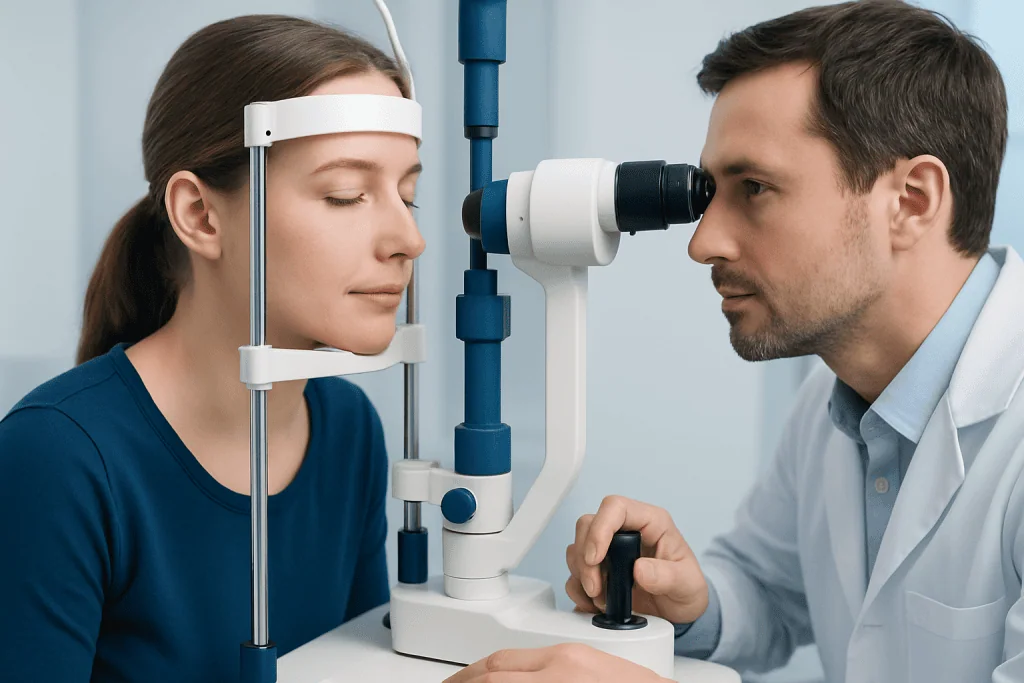
The eyelids protect the eye, spread tears across the cornea, and help keep the eye surface clean and moist. Each blink is a coordinated action between muscles, nerves, the tear glands, and the small oil-producing meibomian glands along the lid margins. When blinking is incomplete or too infrequent, the eye surface can dry out and become irritated.
Modern habits can affect this system. People often blink less when using computers, phones, or tablets, and many do not fully close their eyelids with each blink. This can contribute to dry eye symptoms such as burning, grittiness, blurred vision that improves after blinking, or tired eyes late in the day.
Some eyelid symptoms come from inflammation or blocked oil glands, while others relate to eyelid position, facial nerve function, or age-related tissue changes. Conditions such as blepharitis may make the lids feel sore or crusted, while true drooping can sometimes be linked to ptosis. Because eyelid discomfort has more than one possible cause, professional assessment can be important before relying on exercises alone.
Who may benefit from eyelid exercises

Eyelid exercises are most likely to help when the goal is to improve blinking habits or reduce mild eye strain. People with dry eye related to screen use, incomplete blinking, or eyelid fatigue may notice benefit from deliberate blink practice and regular eye-surface care. These exercises are also sometimes used as part of a broader plan after specialist evaluation for lid control problems.
Patients with mild eyelid tension may be taught to close the eyes gently, pause, and reopen without squeezing. This can encourage a more complete blink and better tear distribution. In some cases, clinicians may also recommend lid massage after warm compresses if blocked oil glands are contributing to symptoms.
However, exercises are less likely to help if symptoms are caused by excess upper-lid skin, a significant muscle weakness, a nerve palsy, a thyroid-related eye problem, or a mass on the eyelid. A person with persistent lid asymmetry, worsening drooping, or double vision should not assume exercises are enough. Identifying the underlying reason is the key first step.
- Possible situations where exercises may help: dry eye from reduced blinking, mild eyelid fatigue, screen-related eye strain, or supportive care for lid hygiene routines.
- Situations where exercises alone may not help: sudden drooping, severe asymmetry, pain, visual obstruction, or suspected nerve or muscle disease.
Common eyelid exercises and supportive techniques
One of the simplest techniques is conscious blink training. A patient may be asked to look straight ahead, blink slowly, close the eyes fully for a moment, then open them again without force. The aim is not to tighten the face but to achieve a full, comfortable blink. This may be especially useful during prolonged reading or screen work, when blinking often becomes shallow and infrequent.
Warm compresses are often more helpful than exercise alone when the lid margins are inflamed or the meibomian glands are not functioning well. A clean, comfortably warm compress can soften oily secretions and make gentle lid massage easier. After this, some patients are advised to clean the eyelid margins carefully as part of blepharitis or dry-eye care.
Another technique is brief eye-rest practice rather than direct muscle training. Closing the eyes for short breaks, especially during visually demanding tasks, can reduce strain and support the tear film. This is often combined with the 20-20-20 habit: every 20 minutes, looking at something farther away for about 20 seconds.
It is important to avoid aggressive rubbing, forceful squeezing, or unproven online routines that promise to reverse drooping eyelids. Overworking the eyelid muscles can worsen discomfort in some people. If symptoms continue despite home care, an eye specialist may consider treatments for the ocular surface or lid structure, including dry eye treatment or, when appropriate, oculoplastic surgery.
What eyelid exercises cannot fix
Eyelid exercises have clear limits. They do not remove excess skin, reposition stretched tissues, or repair a tendon that lifts the upper eyelid. They also do not treat every cause of spasms, twitching, or incomplete eyelid closure. If the anatomy of the eyelid has changed, a procedure-based treatment may be more effective than exercise.
Similarly, exercises cannot safely address neurological emergencies. A suddenly drooping eyelid with double vision, severe headache, facial weakness, or unequal pupils needs urgent medical evaluation. These symptoms may point to a nerve problem or another condition that requires prompt treatment.
Some patients search for “droopy eyelid exercises” hoping to avoid intervention. While this is understandable, true ptosis often needs formal assessment of visual function, eyelid height, and muscle action. In selected cases, specialists may discuss ptosis surgery or other targeted options rather than continued exercise alone.
How doctors evaluate eyelid symptoms
Assessment usually starts with a careful history. A doctor may ask when the symptoms began, whether one or both eyes are affected, and whether there is dryness, discharge, twitching, pain, or blurred vision. They may also ask about screen use, contact lenses, allergies, previous eye surgery, and any conditions affecting nerves or muscles.
The examination often includes checking visual acuity, eyelid position, blink completeness, tear film quality, and the health of the lid margins and eye surface. The clinician may look for signs of inflammation, infection, blocked oil glands, excess upper-lid skin, or weakness of the muscles that open or close the eyelids.
If there are concerning features, further tests may be needed. Depending on the findings, a patient may be referred to ophthalmology, neuro-ophthalmology, or another specialist. The goal is to distinguish routine problems such as dry eye from conditions that require more specific medical or surgical care.
Prevention and daily self-care
For many people, the best support for eyelid comfort is a daily routine rather than a single exercise. Regular blinking during screen work, taking visual breaks, staying hydrated, and maintaining comfortable indoor humidity can all support the eye surface. If a clinician recommends them, lubricating eye drops may also be part of care.
Eyelid hygiene can be especially helpful for people with recurrent crusting, irritation, or meibomian gland dysfunction. This may include warm compresses, gentle cleaning of the lid margins, and avoiding eye makeup or contact lens use during flare-ups if advised by a doctor. Good hand hygiene also helps reduce irritation and infection risk.
People should be cautious with social media advice that promises quick eyelid lifting or permanent results from facial workouts. Safe self-care should feel gentle and comfortable. If symptoms interfere with reading, driving, work, or day-to-day vision, medical review is more useful than increasing the intensity of home exercises.
Near the end of the care pathway, some patients may need coordinated input from ophthalmology and related specialties. Acibadem International’s multidisciplinary specialists in JCI-accredited hospitals diagnose and treat eyelid and ocular surface conditions for international patients when more advanced evaluation is needed.
When to seek medical care
Medical advice is important if eyelid symptoms are persistent, one-sided, or getting worse. A patient should arrange an eye examination if the eyelid blocks vision, there is ongoing redness or crusting, or home measures such as blink practice and warm compresses do not help.
Urgent care is needed for sudden eyelid drooping, new double vision, severe eye pain, marked swelling, fever, facial weakness, or any change in pupil size. These symptoms are not typical simple eye strain and should not be managed with exercises alone.
Children with droopy lids, frequent eye rubbing, or signs that one eye is not seeing well also need professional assessment. Early evaluation helps protect visual development and can identify whether the issue is temporary irritation, a lid disorder, or a condition needing specialist treatment.
Frequently asked questions
Can eyelid exercises cure droopy eyelids?
Usually not. Eyelid exercises may improve blinking habits or comfort in some situations, but they do not correct every cause of drooping. If the eyelid is drooping because of tissue changes, a nerve problem, or true ptosis, a medical assessment is important.
Are eyelid exercises helpful for dry eyes?
They can be helpful when dry eye is related to reduced or incomplete blinking, especially during screen use. Slow, full blinking may help spread tears more evenly across the eye surface. Many people also need broader dry-eye care, such as regular breaks, lid hygiene, or doctor-recommended lubricating drops.
How often should a person do eyelid exercises?
There is no single routine that suits everyone. Gentle blinking practice is often used briefly during the day, especially during long periods of reading or screen time. A doctor or eye specialist can recommend a schedule based on the cause of symptoms.
Can eyelid exercises make symptoms worse?
They can if they involve forceful squeezing, rubbing, or excessive repetition. Eyelid care should feel gentle and should not increase pain, redness, or fatigue. If symptoms worsen, it is best to stop and seek professional advice.
What is the difference between eyelid twitching and eyelid drooping?
Eyelid twitching is usually a small, repetitive movement of the lid muscle and is often linked to fatigue, stress, or caffeine. Eyelid drooping means the upper lid sits lower than normal and may partly cover the eye. Drooping is more likely to need medical evaluation, especially if it is new or one-sided.
When should someone worry about an eyelid problem?
A person should seek prompt care if there is sudden drooping, double vision, severe pain, major swelling, vision loss, or facial weakness. Persistent symptoms that do not improve with simple self-care also deserve medical attention. Early assessment helps identify whether the problem is minor irritation or something more serious.
References
- American Academy of Ophthalmology
- National Eye Institute
- Mayo Clinic
- Merck Manual Consumer Version
This article is for general information only and is not a substitute for professional medical advice. Please consult a qualified doctor about your individual situation.
Explore treatments in Turkey — costs, top hospitals & a free quote
JCI-accredited · board-certified surgeons · reply within 24h
Add us as a Preferred Source to see more of our trusted health content across Google Search, AI Overviews and Discover.