Eyes Bipolar Disorder: Diagnosis, Outlook, and Modern Treatment Approaches

Bipolar disorder is a mood condition and does not usually directly cause eye disease. Sleep loss, migraine, substance use, anxiety, and some prescribed medicines can contribute to visual or eye-related symptoms.
Key Takeaways
- Bipolar disorder is a mood condition and does not usually directly cause eye disease.
- Sleep loss, migraine, substance use, anxiety, and some prescribed medicines can contribute to visual or eye-related symptoms.
- New, sudden, painful, or one-sided vision changes should be assessed urgently, as they may have causes unrelated to bipolar disorder.
- A careful review by a mental health clinician and, when needed, an eye specialist can distinguish medication effects from eye or neurological conditions.
- Bipolar disorder can often be managed with a personalised combination of medication, psychological therapy, routines, and ongoing follow-up.
Eyes bipolar disorder is not a formal medical diagnosis. The phrase usually refers to visual changes, eye discomfort, altered eye contact, or changes in pupil size that may occur during mood episodes, alongside medicines, or because of a separate eye condition that needs assessment.
What does “eyes bipolar disorder” mean?
Eyes bipolar disorder is a search phrase rather than a recognised diagnosis. Bipolar disorder is a mental health condition involving episodes of elevated or irritable mood, known as mania or hypomania, and episodes of depression. It does not typically damage the eyes directly, but some people notice visual symptoms or changes in how their eyes feel or look during mood changes or treatment.
For example, poor sleep during mania, fatigue during depression, anxiety, migraine, dehydration, alcohol or drug use, and medication side effects may all affect visual comfort or clarity. A person may report blurred vision, dry or strained eyes, light sensitivity, difficulty concentrating visually, or a sense that their eyes are moving differently. These symptoms are real, but they are not specific to bipolar disorder.
It is important not to assume that any eye symptom is psychiatric. Common eye conditions, diabetes, high blood pressure, neurological problems, infection, and medication reactions can also affect sight. An assessment can help identify the cause and protect eye health while supporting mood stability.
How bipolar disorder can affect daily visual experience
Bipolar disorder can influence attention, perception, sleep, energy, and behaviour. During mania or hypomania, a person may sleep very little, feel unusually energetic, become easily distracted, or spend long periods using screens. These factors can contribute to eye strain, headaches, dry eyes, or trouble focusing on visual tasks. Fast thoughts and sensory overstimulation can also make bright lights or busy environments feel uncomfortable.
During depression, low energy, reduced concentration, slowed thinking, and disrupted sleep may make reading, driving, computer work, or other visually demanding activities feel more difficult. Some people become less consistent with contact lens care, glasses use, hydration, meals, or regular health appointments when they are unwell, which may add to eye discomfort.
Changes in eye contact, blinking, facial expression, or pupil size may sometimes be noticed by others. These observations alone cannot diagnose bipolar disorder. They can be influenced by emotions, medicines, lighting, tiredness, caffeine, other health conditions, and individual differences.
Visual hallucinations are less typical than auditory hallucinations in bipolar disorder, but they can occur, particularly in severe mood episodes with psychotic features. Seeing things that are not present also has many possible medical and neurological causes, so prompt clinical assessment is appropriate.
Symptoms that deserve attention

Eye-related concerns vary widely. Mild symptoms may include intermittent blur, burning, grittiness, tired eyes, light sensitivity, headaches around the eyes, or difficulty maintaining focus. These symptoms may be related to screen exposure, sleep disruption, refractive error, dry eye disease, migraine, medicines, or general health concerns.
Some symptoms need more urgent evaluation. Sudden loss of vision, a curtain or shadow across vision, new flashes of light or many floaters, double vision, severe eye pain, a very red eye, unequal pupils with new symptoms, or eye injury should not be attributed to stress or a mood condition. These can signal an eye or neurological emergency.
A person experiencing mania may not recognise the seriousness of physical symptoms, especially if they feel unusually well or active. Family members or carers can help by encouraging medical review when there are noticeable behavioural changes, reduced sleep, confusion, unusual perceptions, or concerns about safety.
- Keep a brief record of when symptoms occur, how long they last, and any connection with sleep, mood, screens, headaches, substances, or medication changes.
- Bring a complete list of medicines, supplements, and eye drops to appointments.
- Do not stop psychiatric medication suddenly because of blurred vision or another symptom without speaking to the prescribing clinician.
Possible causes: mood episodes, medicines, and other conditions
There is rarely one explanation for visual symptoms in someone with bipolar disorder. Sleep deprivation can reduce focus and worsen dry-eye symptoms. Anxiety and panic can cause temporary visual changes, dizziness, tunnel vision, or sensitivity to light. Migraine may cause flashing lights, zigzags, blind spots, or temporary visual disturbance, sometimes with little or no headache.
Some medicines used for bipolar disorder or related symptoms can occasionally cause blurred vision, dry eyes, difficulty focusing, sensitivity to light, or other visual effects. The likelihood depends on the individual medicine, dose, other prescriptions, and personal health history. Medicine-related symptoms should be reviewed by the prescribing clinician, who can decide whether monitoring, an adjustment, or an eye examination is needed.
Alcohol, recreational drugs, stimulants, and abrupt changes in caffeine intake can affect sleep, mood, pupils, and vision. They may also interact with treatment and increase the risk of mood episodes. A non-judgemental discussion of substance use is an important part of safe care.
Separate medical conditions must also be considered. Refractive errors, cataracts, glaucoma, retinal disorders, diabetes-related eye disease, high blood pressure, thyroid disease, infection, and neurological disorders can all affect vision. The presence of bipolar disorder should never delay appropriate investigation of new eye symptoms.
How clinicians assess bipolar disorder and eye symptoms
Diagnosing bipolar disorder involves a detailed clinical conversation, not an eye test. A psychiatrist or qualified mental health clinician asks about past and current mood episodes, changes in sleep and energy, thoughts and behaviour, family history, substance use, physical health, and the impact on work, relationships, and daily life. Input from a trusted relative or partner can be helpful, particularly if the person has had periods of limited insight during mania.
Clinicians also consider other explanations for mood symptoms, including depression without mania, anxiety disorders, attention-related conditions, trauma-related symptoms, thyroid disorders, medication effects, and substance-related conditions. A physical examination and selected blood tests may be appropriate to assess general health or rule out contributing causes.
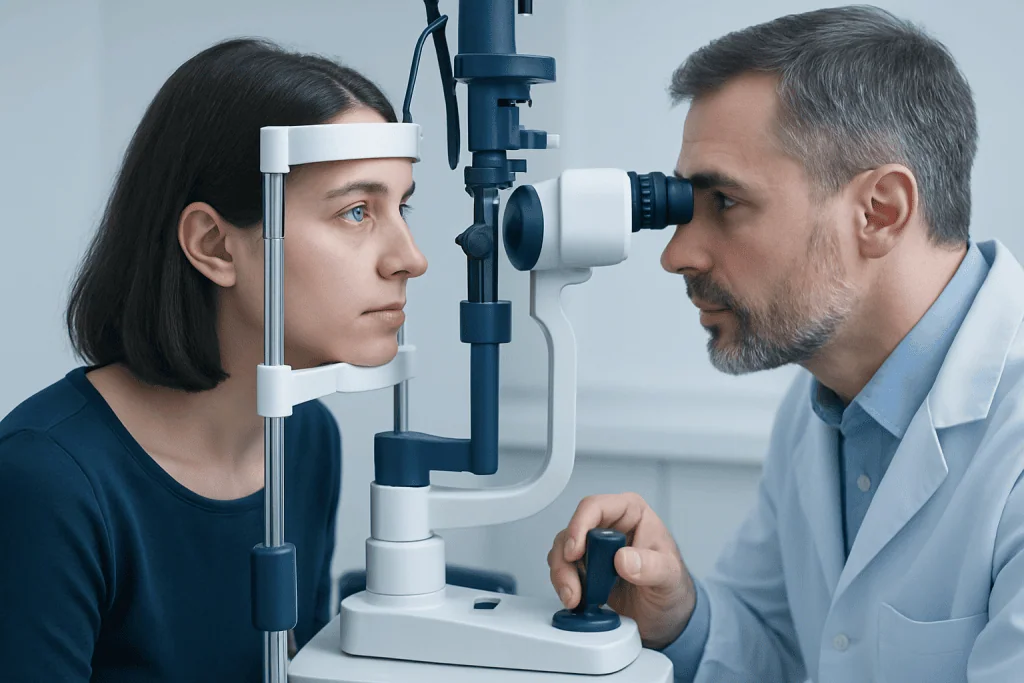
When vision changes are present, an optometrist or ophthalmologist may check visual acuity, refraction, eye pressure, eye movements, pupils, the front of the eye, and the retina. Depending on symptoms, further neurological assessment may be recommended. Coordinated care is especially useful when a symptom could involve mental health, medication effects, and eye health.
A diagnosis can provide a practical framework for treatment and self-understanding. It is not a judgement on a person’s character, abilities, or future. Many people with bipolar disorder lead meaningful, active lives with appropriate support and ongoing care.
Modern treatment approaches and long-term outlook
Treatment for bipolar disorder is tailored to the type and pattern of mood episodes, symptom severity, physical health, previous treatment response, and personal preferences. It commonly includes mood-stabilising medication and may include certain antipsychotic medicines. Antidepressants may be considered in selected situations, usually with careful monitoring because they can worsen mood instability for some people.
Psychological therapies can help people recognise early warning signs, manage stress, maintain daily routines, address unhelpful thoughts, and involve supportive family members where appropriate. Psychoeducation, cognitive behavioural approaches, family-focused work, and interpersonal and social rhythm therapy are among the approaches clinicians may use. If eye symptoms are suspected to be treatment-related, medication changes should be made only with medical guidance.
Severe mania, psychosis, profound depression, or immediate safety concerns may require urgent specialist treatment or hospital care. For some people with severe depression that has not improved with other approaches, clinicians may discuss treatments such as electroconvulsive therapy, which is delivered under anaesthesia and carefully monitored.
With regular follow-up, many people achieve long periods of stability. The outlook is improved by an agreed care plan, early recognition of recurrence, consistent treatment, sleep protection, and support from trusted people. Bipolar disorder is often a long-term condition, but its impact can be substantially reduced with appropriate management.
Prevention, self-care, and protecting eye health
Although bipolar disorder cannot always be prevented, relapse risk can often be reduced. Regular sleep and wake times are particularly important because major sleep disruption can trigger or worsen mood episodes. Consistent meals, physical activity suited to the person’s health, planned daily structure, and stress-management practices can also support wellbeing.
Taking prescribed medication as directed and attending follow-up appointments are key parts of long-term care. People should discuss side effects early rather than stopping treatment independently. A written plan can identify personal early warning signs, preferred supports, emergency contacts, and steps to take if sleep, mood, or behaviour begins to change.
For eye comfort, regular breaks from close screen work, good lighting, appropriate glasses or contact lenses, hydration, and routine eye examinations can be useful. Avoiding smoking and limiting alcohol or non-prescribed substances supports both general and mental health. People with diabetes, hypertension, or a family history of eye disease should follow recommended eye screening.
Acibadem International’s multidisciplinary specialists and JCI-accredited hospitals can assess bipolar disorder alongside relevant physical or eye-health concerns for international patients. Care plans should always be individualised by qualified clinicians.
When to seek medical care
Arrange a medical appointment if there are ongoing visual changes, new eye discomfort, possible medication side effects, worsening sleep, significant shifts in mood or energy, or concerns that daily functioning is becoming harder. An eye professional can assess sight and eye health, while a mental health clinician can review mood symptoms and treatment safely.
Seek urgent medical help for sudden vision loss, severe eye pain, a painful red eye, new double vision, weakness or numbness on one side of the body, severe confusion, seizure-like activity, or a sudden severe headache. These symptoms may have causes that require prompt assessment.
Urgent mental health support is also needed when a person has thoughts of self-harm or suicide, feels unable to stay safe, has severe agitation, is not sleeping for several days with escalating energy or risky behaviour, or is experiencing hallucinations or fixed beliefs that are causing distress or danger. Local emergency services, crisis support, or the nearest emergency department can provide immediate help.
Frequently asked questions
Can bipolar disorder cause blurry vision?
Bipolar disorder does not usually directly cause eye disease or permanent blurry vision. However, sleep disruption, anxiety, migraine, substance use, and some medicines used during treatment can contribute to temporary visual symptoms. Persistent or new blur should be assessed rather than assumed to be part of bipolar disorder.
Are dilated pupils a sign of bipolar disorder?
Dilated pupils are not a diagnostic sign of bipolar disorder. Pupil size changes with light, stress, excitement, caffeine, medicines, and some medical conditions. New unequal pupils, especially with headache, weakness, drooping eyelid, or vision changes, need urgent medical assessment.
Can bipolar medication affect the eyes?
Some psychiatric medicines can cause eye-related side effects such as dry eyes, blurred vision, or difficulty focusing in some people. The specific risks depend on the medicine and the individual. A person should contact the prescriber or an eye specialist for advice and should not stop medication suddenly without medical guidance.
Can mania cause visual hallucinations?
Visual hallucinations can occur during a severe mood episode with psychotic features, although they are less common than hearing voices. They can also be caused by medicines, substances, sleep deprivation, neurological conditions, or eye disease. Prompt assessment is important to establish the cause and provide appropriate support.
Is bipolar disorder curable?
Bipolar disorder is generally considered a long-term condition, but it can be managed effectively. Many people experience stable periods and good quality of life with a personalised treatment plan, regular follow-up, healthy routines, and support. Treatment may need adjustment over time as needs change.
When should someone with bipolar disorder see an eye doctor?
An eye examination is appropriate for persistent blur, pain, redness, light sensitivity, double vision, new floaters, or concerns about medication effects. Emergency assessment is needed for sudden vision loss, severe pain, a curtain-like shadow, or sudden neurological symptoms. Routine eye checks are also important for general preventive care.
References
- National Institute of Mental Health
- National Institute for Health and Care Excellence
- American Psychiatric Association
- American Academy of Ophthalmology
- World Health Organization
This article is for general information only and is not a substitute for professional medical advice. Please consult a qualified doctor about your individual situation.
Bipolar Disorder in Turkey — costs, top hospitals & a free quote
JCI-accredited · board-certified surgeons · reply within 24h
Add us as a Preferred Source to see more of our trusted health content across Google Search, AI Overviews and Discover.
Check your numbers in seconds
BMI, calories, due date, blood pressure and 30+ more clinical calculators — free, instant, doctor-reviewed ranges.