Facial Treatments: Options for Skin Texture, Acne, and Rejuvenation

Facial treatments can address acne, uneven texture, enlarged pores, pigmentation, and early signs of aging. Common options include medical facials, chemical peels, microneedling, laser procedures, and injectable treatments.
Key Takeaways
- Facial treatments can address acne, uneven texture, enlarged pores, pigmentation, and early signs of aging.
- Common options include medical facials, chemical peels, microneedling, laser procedures, and injectable treatments.
- A proper skin assessment helps match the treatment to skin type, sensitivity, and goals.
- Results often improve gradually and may require a series of sessions rather than one treatment.
- Daily sun protection and a consistent skincare routine help maintain results and reduce complications.
Facial treatments include a range of medical and aesthetic procedures designed to improve skin texture, support acne care, and refresh overall skin appearance. The best option depends on a person’s skin type, concerns, goals, and the advice of a qualified dermatologist or skin specialist.
Overview of Facial Treatments
Facial treatments are procedures used to improve the appearance, texture, and overall health of the skin on the face. Some focus on cleansing and hydration, while others target more specific concerns such as acne, rough texture, sun damage, fine lines, or uneven tone. They may be noninvasive or minimally invasive, and they can be performed in a dermatology or aesthetic medicine setting depending on the treatment type.
These treatments are not all the same. A person with active acne may benefit from a different approach than someone whose main concern is dullness or age-related skin changes. Treatment planning usually considers skin type, medical history, current skincare products, and how much downtime a person can manage.
Many facial treatments work by encouraging skin renewal. This may happen through gentle exfoliation, controlled stimulation of collagen, targeted light or laser energy, or the use of prescription-strength topical agents. In some cases, treatments are combined in a step-by-step plan to achieve safer and more consistent results.
Although many options are well tolerated, professional evaluation remains important. A qualified specialist can help identify whether symptoms are related to acne, rosacea, eczema, pigmentation disorders, or other conditions that may need a specific diagnosis before treatment begins.
What Concerns Can Facial Treatments Help With?
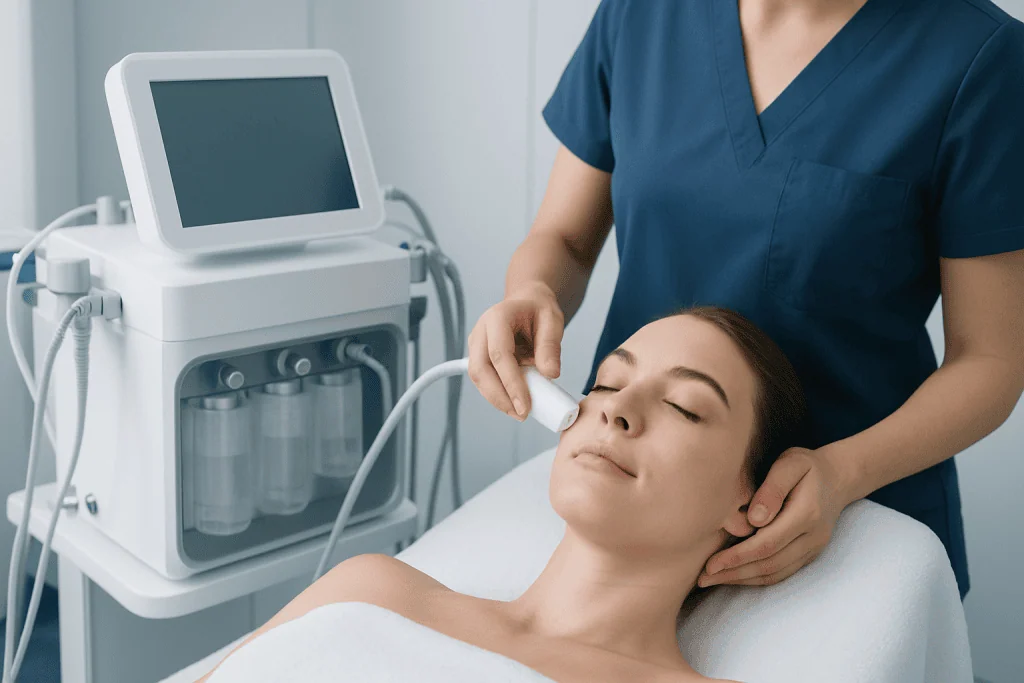
Facial treatments can be helpful for a broad range of skin concerns. Some are designed to improve texture and smoothness, while others reduce blemishes or soften visible signs of aging. The right treatment depends on whether the concern is active, such as inflamed acne, or residual, such as acne marks or mild scarring.
Common concerns that may improve with facial treatments include:
- Acne and clogged pores
- Oily skin and blackheads
- Rough or uneven skin texture
- Fine lines and early wrinkles
- Sun damage and age spots
- Post-acne discoloration
- Large pores
- Dull or dehydrated skin
Not every treatment is suitable for every skin tone or skin condition. For example, some stronger resurfacing procedures can increase the risk of irritation or pigment changes in certain individuals. This is one reason why careful assessment, preparation, and aftercare matter as much as the procedure itself.
Sometimes facial treatments are part of a larger skin health plan. A specialist may recommend combining in-office procedures with prescription acne therapy, barrier-repair skincare, or treatment for an underlying skin condition such as acne if breakouts are frequent or persistent.
Types of Facial Treatments
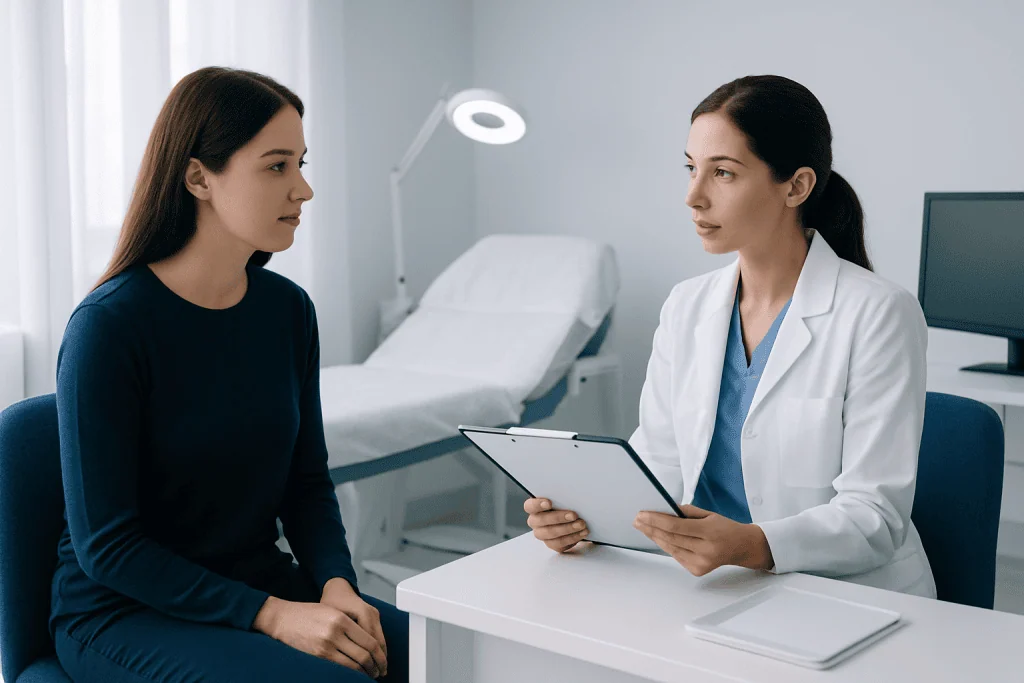
There are many types of facial treatments, ranging from gentle maintenance procedures to more targeted resurfacing methods. Medical facials typically involve deep cleansing, exfoliation, extraction when appropriate, and hydration. These can support oily or congested skin and may be used alongside an acne treatment plan.
Chemical peels use carefully selected acids to remove damaged outer skin layers and encourage new skin turnover. Depending on their strength, peels may help with acne, mild pigmentation, rough texture, and fine lines. A specialist may also recommend a chemical peel when the goal is controlled exfoliation with gradual skin renewal.
Microneedling creates very small channels in the skin to stimulate natural collagen production. It is often used for acne scars, enlarged pores, and uneven texture. Laser-based procedures can also improve tone and texture by targeting pigment, redness, or the deeper layers that support collagen; in selected cases, laser skin resurfacing may be considered for more noticeable textural change.
Some people also choose rejuvenation-focused treatments such as light-based procedures, radiofrequency devices, or injectables. For concerns related to fine lines caused by facial movement, a clinician may discuss botulinum toxin treatment as one part of a broader skin rejuvenation plan. If skin laxity, volume loss, or advanced aging changes are more significant, procedural evaluation may overlap with options used in facial rejuvenation surgery planning.
How Specialists Choose the Right Treatment
Choosing the best facial treatment starts with understanding the skin itself. During consultation, the specialist usually reviews skin type, acne severity, pigmentation patterns, sensitivity, previous procedures, sun exposure, and any history of allergies or scarring. Current medications are also important because some can affect healing or make the skin more reactive.
Skin tone plays an important role in treatment planning. Certain lasers, deeper peels, or aggressive combinations may raise the risk of post-inflammatory hyperpigmentation in some patients. A careful approach can reduce that risk by selecting suitable technologies, adjusting intensity, and emphasizing sun protection before and after treatment.
Goals should be realistic and specific. A treatment that gives a fresh glow before an event may be very different from a plan designed to improve acne scars over several months. Many concerns respond best to a series of sessions, and gradual improvement is often safer and more natural-looking than a single aggressive procedure.
Consultation is also the right time to discuss comfort, downtime, and recovery. Some treatments cause only mild redness for a few hours, while others may lead to peeling, swelling, or temporary sensitivity for several days. Knowing what to expect helps people prepare and follow aftercare more confidently.
What to Expect During and After Treatment
The treatment experience depends on the procedure chosen. A medical facial may feel soothing and involve cleansing, steaming, exfoliation, gentle extractions, and serums. Chemical peels can cause tingling or warmth during application, while microneedling and laser procedures may cause temporary discomfort that is often managed with cooling methods or numbing cream when appropriate.
After treatment, the skin may look pink, feel tight, or become more sensitive than usual. Mild flaking or peeling can happen after exfoliating or resurfacing procedures. These effects are usually temporary, but recovery time varies. Some people return to normal activities the same day, while others may need a few days of lighter skincare and sun avoidance.
Good aftercare is essential for both results and safety. Specialists often advise using a gentle cleanser, fragrance-free moisturizer, and broad-spectrum sunscreen. It is also important to avoid picking, scrubbing, or using strong active ingredients such as retinoids or exfoliating acids unless the clinician says it is safe to restart them.
Results may appear at different speeds. Hydrating or brightening treatments may produce a fresher look quickly, while acne control, scar softening, and collagen remodeling usually take more time. Follow-up visits help assess progress and decide whether maintenance or additional sessions would be useful.
Benefits, Limitations, and Possible Risks
Facial treatments can offer meaningful benefits when they are chosen carefully and performed appropriately. Depending on the method used, they may improve clarity, smoothness, radiance, and overall skin quality. They can also support confidence by helping people feel more comfortable with common concerns such as breakouts, congestion, or uneven texture.
At the same time, these procedures have limits. They may soften acne marks, refresh tired-looking skin, or reduce fine lines, but they do not stop natural aging or cure every skin disorder. Some concerns, such as deep scars, active inflammatory skin disease, or marked skin laxity, may need a longer-term or combined treatment approach.
Possible side effects vary by procedure and skin type. They can include redness, swelling, peeling, dryness, temporary darkening or lightening of the skin, sensitivity, or breakouts. Less commonly, infection, prolonged irritation, or scarring may occur, especially if aftercare instructions are not followed or if treatment is not appropriate for the person’s skin.
A safe outcome depends on proper diagnosis, experienced clinical judgment, and realistic planning. Patients should tell their clinician about cold sores, recent tanning, pregnancy, autoimmune conditions, or use of medications that affect the skin. These details can influence whether a treatment should be delayed, modified, or avoided.
Prevention, Self-care, and Maintaining Results
Professional treatments tend to work best when they are supported by daily skin habits. A simple home routine often includes a gentle cleanser, moisturizer matched to skin type, and broad-spectrum sunscreen used every day. Sun protection is especially important because ultraviolet exposure can worsen pigmentation, delay healing, and reduce the longevity of results.
People with acne-prone skin may benefit from non-comedogenic products and avoiding harsh scrubs or frequent product switching. Those focused on rejuvenation may be advised to use ingredients such as retinoids, vitamin C, or niacinamide if suitable for their skin. A specialist can help introduce these gradually to reduce irritation.
Lifestyle factors can also influence skin quality. Adequate sleep, balanced nutrition, stress management, and avoiding smoking support healthier skin over time. While these steps do not replace treatment, they can make professional procedures more effective and help preserve results.
Maintenance sessions are sometimes recommended, particularly for acne-prone, oily, or aging skin. Near the end of a care plan, patients may wish to discuss long-term options with an experienced center. Acibadem International’s multidisciplinary specialists and JCI-accredited hospitals diagnose and treat skin concerns for international patients, with treatment plans tailored to medical need and skin goals.
When to See a Doctor or Skin Specialist
It is a good idea to seek professional advice when breakouts are persistent, painful, or leaving marks, or when over-the-counter products are not helping. Evaluation is also useful if a person has sudden changes in skin color, ongoing irritation, very sensitive skin, or symptoms that might suggest a condition other than simple acne or dryness.
A doctor or dermatologist should assess any treatment plan before stronger procedures if there is a history of eczema, rosacea, keloid scarring, recurrent cold sores, or recent use of medications that can affect healing. People with darker skin tones may especially benefit from tailored advice to lower the risk of pigment changes after resurfacing procedures.
Medical review is also sensible before a major event if someone is considering a new facial treatment for the first time. This allows enough time for testing, healing, and any adjustments to the plan. Starting too close to an important date can lead to avoidable redness or peeling.
Prompt review is important if there is severe swelling, blistering, spreading rash, fever, significant pain, or prolonged redness after a procedure. These symptoms do not always mean a serious problem, but they should be checked by a qualified professional to ensure safe healing and appropriate care.
Frequently asked questions
What are facial treatments used for?
Facial treatments are used to improve concerns such as acne, clogged pores, uneven texture, dullness, pigmentation, and early signs of aging. The exact purpose depends on the treatment, ranging from deep cleansing and exfoliation to collagen stimulation and resurfacing.
Which facial treatment is best for acne?
There is no single best option for everyone with acne. Medical facials, chemical peels, light-based treatments, and prescription-based plans may all be useful, depending on whether the main issue is active acne, clogged pores, oiliness, or acne marks. A dermatologist can help choose the safest approach.
Do facial treatments help with acne scars and skin texture?
Yes, some facial treatments can improve mild to moderate acne scars and rough texture. Microneedling, resurfacing lasers, and selected peels are often used to encourage smoother skin over time. Improvement is usually gradual and may require multiple sessions.
Are facial treatments safe for sensitive skin?
Many facial treatments can be adapted for sensitive skin, but not all options are appropriate. A careful assessment helps avoid ingredients or procedures that might trigger irritation, redness, or barrier damage. Gentler treatments and slower treatment schedules are often preferred.
How long does it take to see results from facial treatments?
Some treatments, such as hydrating or brightening facials, can give a fresher look quickly. Others, especially those for acne scars, pigmentation, or collagen stimulation, often take several weeks or a series of sessions for clearer results. The timeline depends on the skin concern and the treatment method.
What should be avoided after a facial treatment?
After many facial treatments, it is best to avoid direct sun, harsh scrubs, picking at the skin, and strong active products unless a clinician advises otherwise. Following aftercare instructions carefully helps reduce irritation and supports better healing.
References
- American Academy of Dermatology
- National Health Service
- Mayo Clinic
- British Association of Dermatologists
- American Society for Dermatologic Surgery
This article is for general information only and is not a substitute for professional medical advice. Please consult a qualified doctor about your individual situation.
Acne in Turkey — costs, top hospitals & a free quote
JCI-accredited · board-certified surgeons · reply within 24h
Add us as a Preferred Source to see more of our trusted health content across Google Search, AI Overviews and Discover.