Failed Heart Bypass Grafts: When Repeat Testing or Treatment Is Needed

Bypass grafts can narrow or close over time, even after initially successful surgery. New chest discomfort, shortness of breath, or reduced exercise capacity may suggest a graft problem or progression of heart disease.
Key Takeaways
- Bypass grafts can narrow or close over time, even after initially successful surgery.
- New chest discomfort, shortness of breath, or reduced exercise capacity may suggest a graft problem or progression of heart disease.
- Doctors may use ECGs, stress tests, echocardiography, CT coronary angiography, or invasive angiography to assess graft function.
- Treatment depends on symptoms, overall heart health, and test findings, and may include medicines, stents, or repeat surgery in selected cases.
- Controlling blood pressure, cholesterol, diabetes, and smoking risk remains essential after bypass surgery.
Failed heart bypass grafts can happen months or years after coronary artery bypass surgery, especially if a graft narrows or becomes blocked. When symptoms return or new concerns appear, repeat testing can help identify the cause and guide the most suitable treatment.
Overview
Failed heart bypass grafts refers to a situation in which one or more grafts placed during coronary artery bypass surgery become narrowed, blocked, or do not provide enough blood flow to the heart muscle. Coronary artery bypass grafting, often called CABG, is performed to improve blood supply around blocked coronary arteries. Many people do very well for years after surgery, but grafts can change over time.
A graft may fail early because of clotting or technical issues, or later because of scar tissue, thickening of the vessel wall, or atherosclerosis within the graft itself. In some cases, symptoms are caused not by the graft but by progression of disease in the person’s own coronary arteries. Because of this, new symptoms after bypass surgery should be assessed carefully rather than assumed to be harmless.
The need for repeat testing or treatment depends on several factors, including the type of graft used, how long ago surgery was performed, whether symptoms are present, and how much heart muscle may be at risk. Artery grafts, such as the internal mammary artery, often stay open longer than vein grafts, but both can sometimes develop problems.
Doctors usually look at the whole picture: symptoms, examination findings, heart rhythm, blood tests, and imaging results. The goal is to confirm whether a graft problem is present and then choose the safest and most effective next step for the individual patient.
Symptoms That May Suggest a Graft Problem

The most common clue is the return of symptoms similar to those that were present before bypass surgery. This may include chest pressure, heaviness, burning, or discomfort that occurs with exertion or emotional stress and improves with rest. Some people notice symptoms in the arms, neck, jaw, back, or upper abdomen rather than classic chest pain.
Shortness of breath, unusual fatigue, reduced exercise tolerance, or a sense that normal activities have become harder can also be warning signs. In older adults and people with diabetes, symptoms may be less typical. They may feel weakness, breathlessness, or poor stamina rather than clear chest pain.
Some people develop symptoms suddenly, while others notice a gradual change over weeks or months. A person who has had bypass surgery and then begins having more frequent angina, needing more rest breaks, or waking with chest discomfort should speak with a doctor. If symptoms occur at rest, become severe, or are accompanied by fainting, sweating, or nausea, urgent medical attention is needed.
It is also important to remember that not every symptom after bypass surgery is caused by a failed graft. Conditions such as heart rhythm problems, valve disease, anemia, lung disease, reflux, anxiety, or musculoskeletal pain can cause similar discomfort. Careful evaluation helps distinguish these possibilities.
Why Bypass Grafts Can Fail
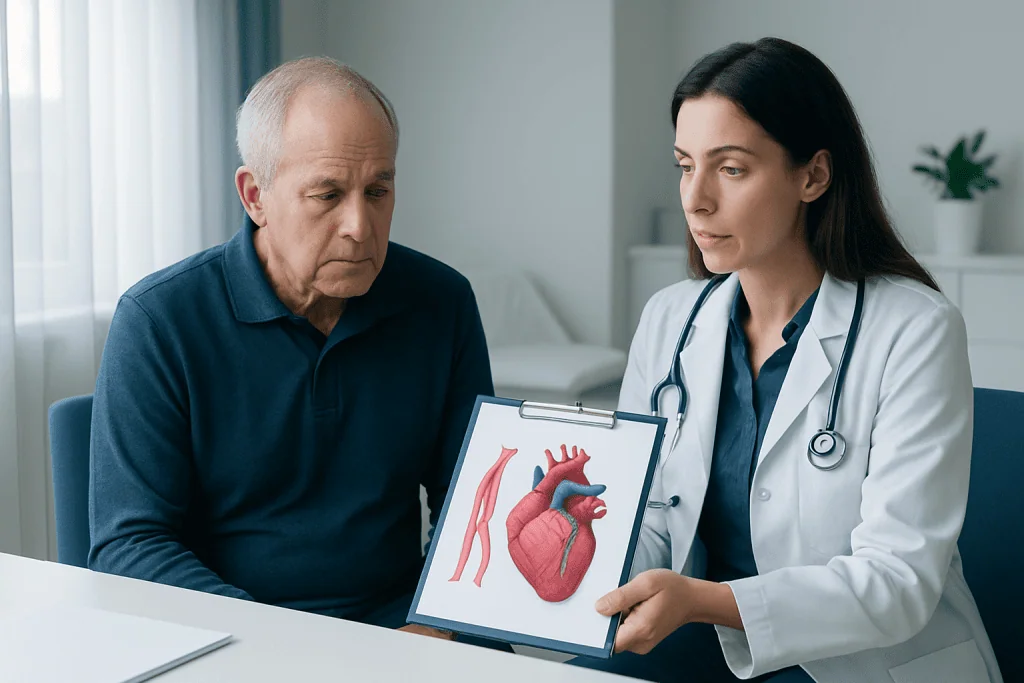
Graft failure can happen for different reasons depending on the timing. In the early period after surgery, a graft may close because of a blood clot, spasm, or technical issues related to the connection between the graft and the coronary artery. Later on, the lining of the graft can thicken and narrow the vessel. Over years, fatty plaque can build up within the graft, especially in vein grafts.
Risk factors for graft failure are often the same as the risk factors for coronary artery disease. These include high LDL cholesterol, smoking, diabetes, high blood pressure, obesity, chronic kidney disease, and low physical activity. If these risks are not well controlled after surgery, both the grafts and the native coronary arteries may become diseased over time.
The type of graft matters too. Arterial grafts generally have better long-term durability than saphenous vein grafts, although they are not immune to failure. The size and quality of the target coronary artery, the extent of widespread atherosclerosis, and heart function can also affect long-term outcomes.
Some patients who have had bypass surgery may later develop related problems such as coronary artery disease progression in untreated vessels or worsening heart failure if heart muscle has been weakened. This is why follow-up care remains important long after the original operation.
How Doctors Diagnose Failed Heart Bypass Grafts
Evaluation usually starts with a medical history and physical examination. The doctor will ask when symptoms occur, what brings them on, how long they last, and whether there are associated symptoms such as breathlessness or palpitations. An electrocardiogram and blood tests may be used to check for signs of active heart strain or a recent heart attack.
Noninvasive testing is often the next step when symptoms are stable. Depending on the situation, this may include an exercise stress test, stress echocardiography, nuclear perfusion imaging, or other forms of cardiac MRI to assess blood flow and heart muscle function. Echocardiography can also help show whether the heart’s pumping strength has changed or whether another issue, such as a valve problem, is contributing.
CT coronary angiography can sometimes be helpful to visualize bypass grafts, particularly in selected patients where anatomy needs clarification. However, the most definitive test is usually coronary angiography, a catheter-based procedure that allows doctors to see the native coronary arteries and the bypass grafts directly. In the same setting, they may assess whether a blockage is severe enough to explain symptoms.
Repeat testing is not needed for every person after bypass surgery. It is usually considered when symptoms return, exercise capacity declines, new abnormalities appear on routine evaluation, or there is concern for a new cardiac event. The decision is individualized to avoid unnecessary procedures while still identifying important disease promptly.
When Repeat Testing Is Usually Needed
Repeat testing becomes more important when a person develops chest pain on exertion, shortness of breath that is new or worsening, or a clear decline in activity tolerance after a period of stability. Doctors are especially alert if symptoms resemble prior angina or occur with less effort than before. New symptoms in someone with diabetes, kidney disease, or known widespread coronary disease may also prompt earlier investigation.
Testing may also be recommended after hospitalization for suspected heart attack, abnormal ECG findings, worsening heart failure symptoms, or unexplained fainting. In some people, symptoms are mild but tests still show reduced blood flow to part of the heart. In others, imaging reveals that heart function has declined, suggesting that a graft or coronary artery problem could be involved.
There are also times when routine follow-up focuses more on risk factor control than on immediate imaging. A person who feels well, remains active, and has no change in symptoms may not need repeated invasive studies. Instead, doctors may monitor blood pressure, cholesterol, blood sugar, kidney function, weight, and medication adherence while watching for any change.
The decision to repeat testing is best made by a cardiologist who can balance symptom severity, the likelihood of graft disease, and the benefits and risks of different diagnostic tools. This personalized approach helps avoid both overtesting and missed problems.
Treatment Options for Failed Heart Bypass Grafts
Treatment depends on how severe the blockage is, whether symptoms are limiting daily life, how much heart muscle is affected, and the patient’s general health. For some people, the safest and most effective option is to optimize medication. This may include medicines that reduce angina, lower cholesterol, control blood pressure, and reduce the chance of clotting. Careful management of diabetes and smoking cessation are also essential parts of treatment.
If a specific narrowing is found and is suitable for catheter-based treatment, doctors may recommend coronary angiography followed by angioplasty and stent placement. In some cases, the stent is placed in the diseased bypass graft; in others, it is safer and more durable to treat the native coronary artery instead. The best strategy depends on anatomy and overall risk.
Repeat bypass surgery is less common than the first operation but may be considered in selected patients with multiple blocked grafts, complex anatomy, or disease that cannot be treated effectively with stents. Because repeat surgery can be more technically demanding, the decision usually involves a heart team that includes cardiologists and cardiac surgeons. They review symptoms, imaging, surgical history, and the expected benefit.
In patients with reduced pumping function or more advanced disease, treatment may also include broader cardiac care such as rhythm monitoring, rehabilitation, and management of complications. At experienced centers, multidisciplinary specialists, including those at Acibadem International’s JCI-accredited hospitals, evaluate international patients for medical therapy, catheter-based procedures, and surgical options when needed.
Prevention and Self-Care After Bypass Surgery
Even after successful bypass surgery, long-term heart health still depends heavily on risk factor control. Taking prescribed medicines regularly is one of the most important steps. Many patients need medicines for cholesterol, blood pressure, platelet control, and symptom relief. These medicines support both the grafts and the heart’s own arteries.
Lifestyle measures remain central. Stopping smoking, following a heart-healthy eating pattern, staying physically active within medical advice, and maintaining a healthy weight can all help slow the progression of atherosclerosis. Cardiac rehabilitation may be especially helpful because it combines supervised exercise, education, and support for long-term behavior change.
People who have diabetes should aim for good blood sugar control, and those with high blood pressure should monitor it regularly. Sleep quality, stress management, and follow-up appointments also matter. Sometimes patients feel so much better after surgery that they assume ongoing prevention is no longer necessary, but grafts and native coronary arteries still need long-term protection.
It can be useful to keep track of symptoms over time, including what activities trigger discomfort and whether medicines are still working as expected. This record can help a doctor decide whether symptoms are stable or whether repeat evaluation is needed.
When to See a Doctor
A doctor should be consulted if chest discomfort returns after bypass surgery, especially if it happens with activity, becomes more frequent, or feels similar to earlier angina. Medical review is also important for new shortness of breath, reduced exercise tolerance, palpitations, leg swelling, or unusual fatigue. Even mild symptoms deserve attention if they represent a clear change from a person’s usual pattern.
Urgent assessment is needed for chest pain at rest, severe or prolonged symptoms, fainting, sudden breathlessness, or signs that could suggest a heart attack. These include pressure spreading to the arm or jaw, sweating, nausea, or a sense of impending collapse. In such situations, emergency care should not be delayed.
Regular follow-up with a cardiologist is a valuable part of care after bypass surgery, even when a person feels well. Monitoring helps ensure that risk factors remain controlled and that any new symptoms are investigated early. Some people may also benefit from structured follow-up for conditions such as arrhythmia or reduced heart function.
Early reassessment is often reassuring because many symptoms have causes other than a failed graft. When a graft problem is found, timely evaluation creates the best opportunity to choose the right treatment and protect heart function.
Frequently asked questions
How long do heart bypass grafts usually last?
There is no single timeline for every patient. Some grafts stay open for many years, and arterial grafts often last longer than vein grafts. Long-term durability also depends on risk factors such as smoking, cholesterol levels, diabetes, and blood pressure control.
Can failed heart bypass grafts cause symptoms years after surgery?
Yes. A graft can narrow or block months or years after surgery, and coronary artery disease can also progress in native vessels over time. That is why new chest discomfort, breathlessness, or reduced exercise tolerance should be discussed with a doctor.
What tests are used to check whether a bypass graft has failed?
Doctors may begin with an ECG, blood tests, echocardiography, or a stress test, depending on the symptoms. CT coronary angiography may be useful in selected cases, while invasive coronary angiography is often the most definitive way to assess grafts and coronary arteries.
Is repeat bypass surgery always necessary if a graft is blocked?
No. Many patients can be treated with medication changes or catheter-based procedures such as angioplasty and stenting. Repeat surgery is usually reserved for selected situations where anatomy is complex or other options are less suitable.
Can lifestyle changes really help after bypass surgery?
Yes. Bypass surgery improves blood flow, but it does not remove the underlying tendency to develop atherosclerosis. Not smoking, taking prescribed medicines, exercising safely, eating a heart-healthy diet, and managing diabetes and blood pressure can help protect both grafts and native arteries.
Should a person have routine testing even if there are no symptoms?
Not everyone needs repeated imaging or invasive testing when feeling well. Follow-up plans are individualized and usually focus on symptom review, examination, and risk factor control. A cardiologist can advise whether any surveillance testing is appropriate based on the person’s history and overall risk.
References
- American Heart Association
- European Society of Cardiology
- National Heart, Lung, and Blood Institute
- Society of Thoracic Surgeons
- Mayo Clinic
This article is for general information only and is not a substitute for professional medical advice. Please consult a qualified doctor about your individual situation.
Heart care in Turkey — expert evaluation and treatment
JCI-accredited · board-certified surgeons · reply within 24h
Add us as a Preferred Source to see more of our trusted health content across Google Search, AI Overviews and Discover.
Check your numbers in seconds
BMI, calories, due date, blood pressure and 30+ more clinical calculators — free, instant, doctor-reviewed ranges.

More from the Health Library



Related Specialists

Dr. Sinan Celil Göker
Ophthalmology
Dr. Nezail Demircler
Aesthetic Plastic & Reconstructive Surgery
Prof. Dr. Ali Bülent Antmen
Pediatrics
Dr. Abdülkadir Oran
Ear Nose & Throat