

Female Hormonal Imbalance: Can It Be Treated and What Are the Options?

Female hormonal imbalance is not a single disease; it is a pattern of symptoms linked to changes in estrogen, progesterone, thyroid hormones, insulin, cortisol, or androgens. Common symptoms include irregular periods, acne, unwanted hair growth, mood changes, hot flashes, weight changes, and sleep problems.
Key Takeaways
- Female hormonal imbalance is not a single disease; it is a pattern of symptoms linked to changes in estrogen, progesterone, thyroid hormones, insulin, cortisol, or androgens.
- Common symptoms include irregular periods, acne, unwanted hair growth, mood changes, hot flashes, weight changes, and sleep problems.
- Treatment depends on the cause and may include lifestyle changes, hormone-based therapies, non-hormonal medicines, or care for related conditions such as thyroid disease or PCOS.
- A careful diagnosis usually involves a medical history, physical exam, and sometimes blood tests or ultrasound.
- Persistent, severe, or sudden symptoms should be assessed by a qualified doctor, especially if there is heavy bleeding, infertility, or signs of pregnancy.
Female hormonal imbalance is a broad term used when hormone levels fluctuate more than expected or become disrupted by an underlying condition. In many cases, it can be managed effectively once the cause is identified, with treatment tailored to a woman’s age, symptoms, and reproductive goals.
Overview
Female hormonal imbalance refers to changes in the body’s chemical messengers that affect the menstrual cycle, metabolism, mood, skin, fertility, and overall health. Hormones naturally rise and fall during puberty, the menstrual cycle, pregnancy, and menopause. Because of this, not every fluctuation means there is a medical problem.
However, when hormone changes are stronger than expected, persist over time, or cause troublesome symptoms, an underlying cause may need to be investigated. The hormones most often involved include estrogen, progesterone, testosterone and other androgens, thyroid hormones, insulin, prolactin, and cortisol. These hormones work together, so a change in one system can affect another.
The good news is that many causes of female hormonal imbalance can be treated or managed. Some women benefit mainly from lifestyle changes, while others may need medicines, hormone therapy, or treatment for a specific condition such as polycystic ovary syndrome or a thyroid disorder. The best treatment depends on the symptom pattern, age, family history, and whether pregnancy is desired.
Symptoms of Female Hormonal Imbalance
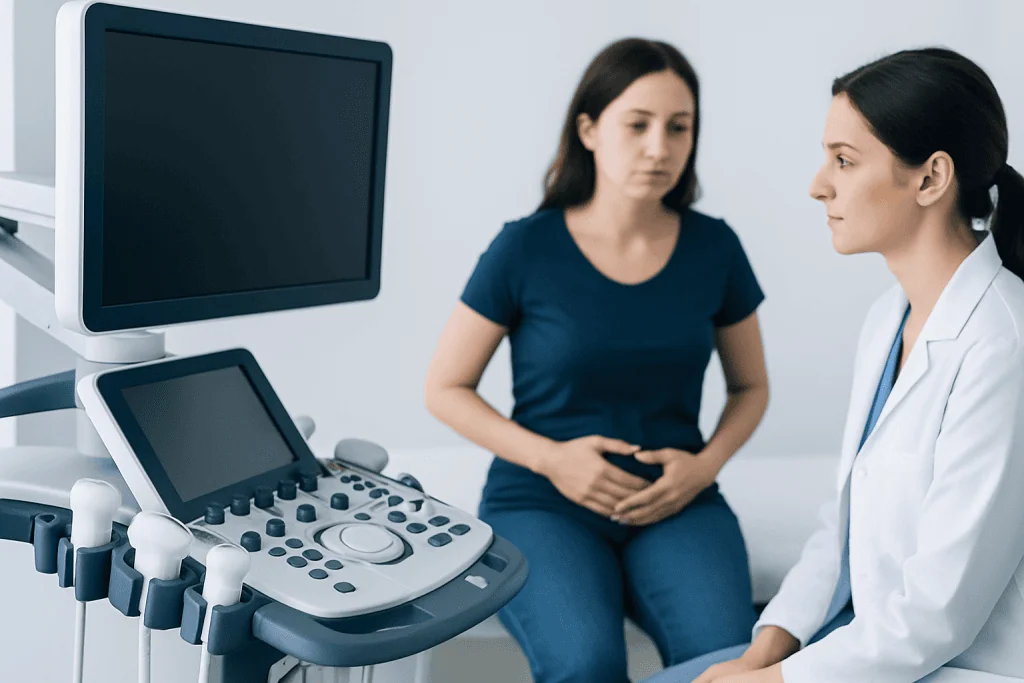
Symptoms vary widely because different hormones affect different organs and body functions. Menstrual changes are among the most common clues. Periods may become irregular, unusually heavy, very light, more painful than usual, or absent for several months. Some women also notice spotting between periods.
Hormonal imbalance can also affect the skin, hair, sleep, and emotional well-being. Acne, increased facial or body hair, scalp hair thinning, breast tenderness, bloating, headaches, and reduced sex drive may occur. Mood swings, irritability, anxiety, poor sleep, fatigue, and trouble concentrating are also common concerns.
At certain life stages, symptoms may point to specific hormone patterns. For example, hot flashes, night sweats, vaginal dryness, and sleep disturbance are often associated with perimenopause or menopause. Weight gain around the abdomen, increased hunger, or darkened skin folds may suggest insulin resistance. Because symptoms overlap with many other conditions, medical assessment is important when they are ongoing or disruptive.
- Irregular, missed, heavy, or painful periods
- Acne or oily skin
- Unwanted facial or body hair
- Hair thinning or shedding
- Hot flashes and night sweats
- Mood changes, anxiety, or low mood
- Fatigue and sleep problems
- Weight changes or difficulty losing weight
- Vaginal dryness or low libido
- Difficulty becoming pregnant
Causes and Risk Factors
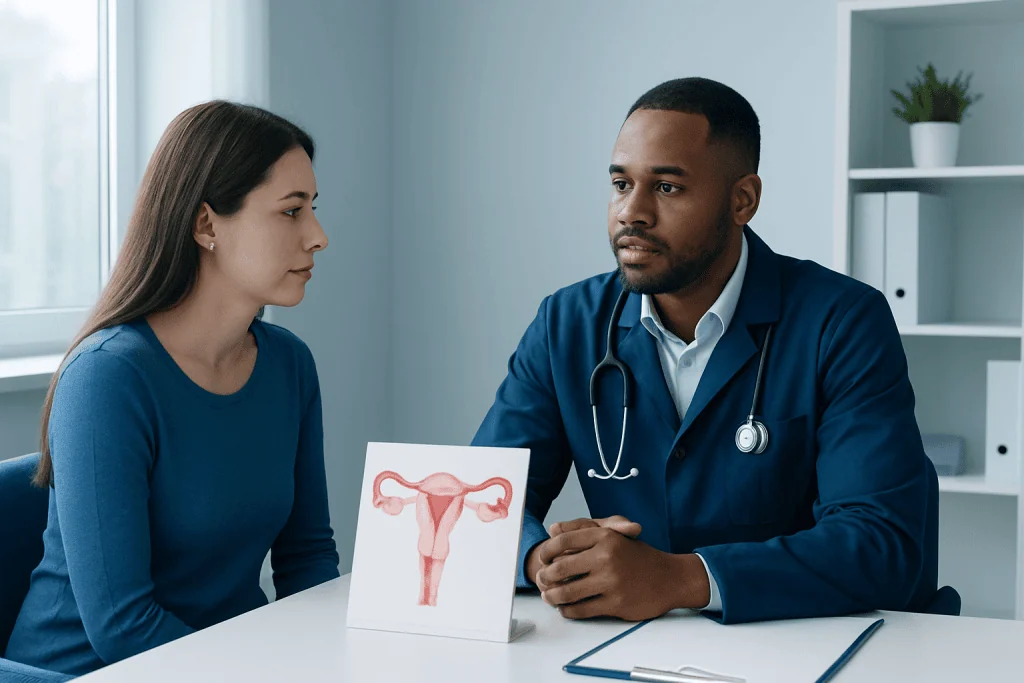
There are many possible causes of female hormonal imbalance. Some are part of normal life transitions, including puberty, pregnancy, the postpartum period, and menopause. Others are linked to medical conditions that affect the ovaries, thyroid gland, adrenal glands, pancreas, or pituitary gland.
One common cause is polycystic ovary syndrome, which can lead to irregular ovulation, acne, increased androgens, and fertility problems. Thyroid disorders can also mimic or contribute to hormone-related symptoms by affecting energy level, menstrual cycles, mood, and weight. Insulin resistance, chronic stress, obesity, undernutrition, over-exercising, and certain medicines may also disrupt hormone balance.
Less common causes include elevated prolactin, premature ovarian insufficiency, Cushing syndrome, and hormone-producing tumors. Risk factors depend on the condition but may include family history, diabetes or prediabetes, significant weight changes, eating disorders, chronic illness, or recent major stress. Because the causes are diverse, self-diagnosis can be misleading, especially when symptoms develop suddenly or worsen over time.
How Doctors Diagnose It
Diagnosis begins with a detailed medical history. A doctor will usually ask about menstrual patterns, pregnancies, fertility goals, weight changes, medications, stress, sleep, skin or hair changes, and family history of endocrine conditions. Tracking symptoms and menstrual cycles before the appointment can be very helpful.
A physical examination may include blood pressure, weight, signs of acne or excess hair growth, thyroid examination, and assessment for symptoms such as breast discharge or pelvic tenderness. Depending on the situation, a pelvic examination may also be recommended.
Tests are selected according to symptoms rather than ordered routinely for everyone. Blood tests may assess thyroid function, blood sugar, insulin-related markers, reproductive hormones, prolactin, or other hormone levels. A pregnancy test is often important when periods are missed. Pelvic ultrasound may be used to evaluate the ovaries and uterus, especially if there are irregular periods, pelvic pain, or concerns about ovarian cysts. In some cases, additional imaging or referral to endocrinology or gynecology is needed to clarify the diagnosis.
Treatment Options
Treatment for female hormonal imbalance is guided by the cause rather than by symptoms alone. For some women, regular sleep, stress reduction, balanced nutrition, and gradual weight management are enough to improve cycles and energy levels. For others, treatment focuses on correcting a defined medical problem such as thyroid disease, insulin resistance, or PCOS.
Hormone-based treatment may be appropriate in certain situations. Combined hormonal contraception or other contraceptive methods can help regulate menstrual bleeding, reduce acne, and lower androgen-related symptoms in some women. Menopausal symptoms may improve with carefully selected hormone therapy when a doctor judges that the benefits outweigh the risks. Vaginal estrogen products may be considered for vaginal dryness and discomfort during menopause.
Non-hormonal options are also important. Depending on the diagnosis, treatment may include medicines for thyroid disease, blood sugar control, acne, excess hair growth, or abnormal uterine bleeding. When fertility is a goal, ovulation-related treatment may be discussed, and some women may benefit from specialist care in IVF treatment or other fertility services if ovulation problems persist. In selected cases, gynecology evaluation helps address heavy bleeding, pelvic pain, or structural causes such as fibroids.
The most effective plan is individualized. A woman’s age, symptom severity, medical history, risk factors, and plans for pregnancy all influence the choice of treatment. Follow-up matters, because hormone-related symptoms often improve gradually and treatment may need adjustment over time.
Prevention and Self-care
Not every hormonal change can be prevented, especially those linked to normal aging or inherited conditions. Still, everyday habits can support hormone health and may reduce symptom severity. A regular routine with enough sleep, physical activity, and stress management can be especially helpful for women whose symptoms are affected by insulin resistance, weight changes, or chronic stress.
Balanced eating patterns are usually more helpful than restrictive diets. Meals that include fiber, protein, healthy fats, and minimally processed foods may support stable energy and blood sugar. Extreme dieting, rapid weight loss, or excessive exercise can sometimes worsen menstrual irregularity by placing stress on the body.
Symptom tracking is a simple but useful self-care tool. Recording period dates, bleeding pattern, mood changes, hot flashes, sleep, skin flare-ups, and headaches can help identify triggers and guide treatment decisions. Women should also discuss supplements or over-the-counter hormone products with a doctor, because these may interact with medicines or mask an underlying condition.
Near the end of the care pathway, some women seek coordinated specialist input. Acibadem International’s multidisciplinary specialists and JCI-accredited hospitals diagnose and treat hormone-related conditions for international patients when further evaluation is needed.
When to See a Doctor
Medical advice is recommended if hormone-related symptoms are persistent, bothersome, or interfering with daily life. Irregular or absent periods, worsening acne, new excess hair growth, unexplained weight changes, hot flashes before the usual age of menopause, or fertility concerns are all reasonable reasons to schedule an appointment.
Urgent assessment is important for heavy bleeding that soaks through pads or tampons quickly, fainting, severe pelvic pain, sudden severe headaches, vision changes, or symptoms that could suggest pregnancy complications. A missed period with a positive pregnancy test also needs timely medical guidance.
Women should not feel that they need to manage ongoing symptoms alone. Many causes of female hormonal imbalance are treatable, and early assessment can make care simpler and more effective. A doctor can help separate normal life-stage changes from conditions that need targeted treatment.
Frequently asked questions
Can female hormonal imbalance be treated?
Yes. In many cases, female hormonal imbalance can be treated or managed successfully once the underlying cause is identified. Treatment may include lifestyle changes, medicines, hormone therapy, or treatment for conditions such as PCOS or thyroid disease.
What is the most common sign of hormonal imbalance in women?
Irregular menstrual periods are one of the most common signs. However, symptoms can also include acne, mood changes, hot flashes, fatigue, hair changes, and trouble becoming pregnant.
How do doctors test for hormonal imbalance?
Doctors usually start with a medical history and physical examination. Depending on the symptoms, they may order blood tests, a pregnancy test, or pelvic ultrasound to look for a specific cause rather than testing every hormone routinely.
Can stress cause hormonal imbalance?
Chronic stress can affect hormones, especially cortisol, and may also influence sleep, appetite, and menstrual regularity. Stress is not the only cause, but it can contribute to symptoms or make an existing problem more noticeable.
Does hormonal imbalance always mean PCOS or menopause?
No. PCOS and menopause are common reasons for hormone-related symptoms, but they are not the only ones. Thyroid disorders, high prolactin, insulin resistance, pregnancy-related changes, and other conditions can also play a role.
Can hormonal imbalance affect fertility?
Yes, especially when it disrupts ovulation or menstrual cycles. The good news is that many hormone-related fertility issues can be evaluated and treated, so early medical advice is helpful if pregnancy is planned.
References
- World Health Organization
- American College of Obstetricians and Gynecologists
- Endocrine Society
- National Institute for Health and Care Excellence
- Office on Women's Health
This article is for general information only and is not a substitute for professional medical advice. Please consult a qualified doctor about your individual situation.
Medical weight-loss options in Turkey — costs & eligibility
JCI-accredited · board-certified surgeons · reply within 24h
Add us as a Preferred Source to see more of our trusted health content across Google Search, AI Overviews and Discover.
Check your numbers in seconds
BMI, calories, due date, blood pressure and 30+ more clinical calculators — free, instant, doctor-reviewed ranges.

More from the Health Library



Related Specialists

Prof. Dr. Süda Tekin
Infectious Diseases & Clinical Microbiology
Prof. Dr. Melih Paksoy
General Surgery
Dr. Mehmet Fatih Özkan
Emergency Service
Prof. Dr. Cihan Aksoy
Physical Medicine & Rehabilitation