Fencing Response: A Complete Medical Overview

Fencing response is an automatic body posture that can occur right after head trauma. It may indicate disruption in brain function and can be seen with concussion or more serious brain injury.
Key Takeaways
- Fencing response is an automatic body posture that can occur right after head trauma.
- It may indicate disruption in brain function and can be seen with concussion or more serious brain injury.
- The posture itself usually lasts only seconds, but the injury behind it may still require urgent evaluation.
- Anyone with fencing response after a hit to the head should be removed from activity and assessed by a medical professional.
- Emergency care is especially important if there is loss of consciousness, repeated vomiting, worsening headache, confusion, seizure, or unusual drowsiness.
Fencing response is a brief, involuntary arm position that may appear immediately after a blow to the head. It is considered a possible sign of traumatic brain injury, including concussion, and should prompt medical evaluation even if the person seems to recover quickly.
Overview: what fencing response means
Fencing response is an involuntary posture that can happen moments after a blow to the head. One arm may extend outward while the other bends, creating a position that resembles a fencer’s stance. This movement is not purposeful. It is an automatic reaction that may occur when brain function is briefly disrupted by trauma.
In practical terms, fencing response is treated as a warning sign of head injury. It has been described after sports collisions, falls, vehicle accidents, and other impacts. The person may or may not lose consciousness, and the posture often lasts only a few seconds. Even so, its presence can suggest a concussion or another form of traumatic brain injury.
Because the sign appears quickly and may disappear quickly, bystanders can miss it unless they know what to look for. Video review in sports has helped clinicians recognize it more often, but it can happen in everyday situations as well. The key point is that a brief abnormal posture after head impact should not be dismissed simply because the person seems alert shortly afterward.
How it looks and what symptoms may come with it
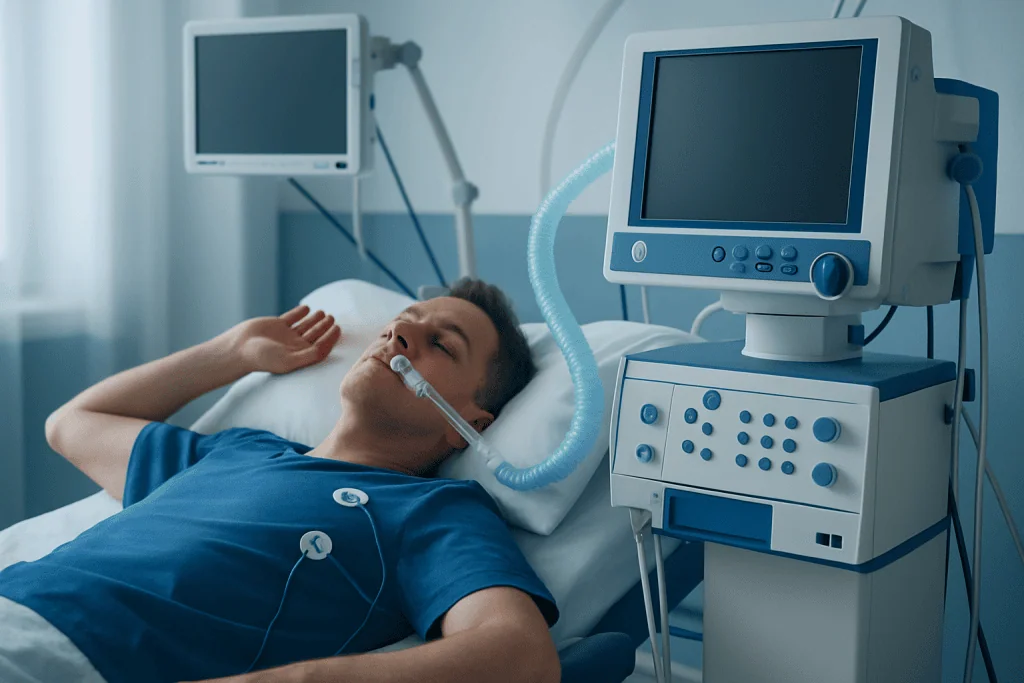
The classic fencing response involves asymmetric arm positioning after head impact. Typically, one arm extends and stiffens while the other bends at the elbow, sometimes with the head turning to one side. The legs may also become briefly stiff. This lasts seconds rather than minutes and usually occurs immediately or very soon after the injury.
Fencing response does not happen in isolation from the rest of the injury. A person may also have common symptoms of concussion such as headache, dizziness, nausea, confusion, sensitivity to light, balance problems, or difficulty remembering what happened. Some people seem dazed, answer questions slowly, or appear briefly unconscious.
Symptoms can evolve over time. Someone who initially feels relatively well may later develop a worsening headache, repeated vomiting, increasing sleepiness, unusual behavior, weakness, slurred speech, or seizure activity. These are red flags and need urgent medical attention. For more on head trauma in general, see head trauma.
- Brief involuntary arm posturing after a hit to the head
- Possible loss of consciousness or appearing stunned
- Headache, dizziness, nausea, or vomiting
- Memory gaps, confusion, or slowed responses
- Balance problems or sensitivity to noise and light
Why it happens: brainstem reflexes and head injury

Fencing response is thought to reflect activation of protective motor pathways in the brain, especially around the brainstem, after sudden mechanical force. During a rapid impact, the brain can move within the skull. This movement may stretch or disturb delicate neural networks that help control posture and muscle tone. The resulting arm position is a reflexive pattern rather than a conscious action.
Importantly, the presence of fencing response does not by itself tell doctors exactly how severe the injury is. It may be seen with concussion, but it can also occur with more significant traumatic brain injury. The visible posture is a clue that the nervous system has been affected. That is why it should trigger careful evaluation instead of a quick return to sport, work, or driving.
Head injuries exist on a spectrum. Some involve temporary functional disturbance without structural damage visible on routine scans, while others cause bleeding, bruising, swelling, or more serious complications. When there are concerns about traumatic brain injury, clinicians may consider further assessment related to traumatic brain injury depending on symptoms, examination findings, and the mechanism of injury.
Common causes and risk factors
Any event that causes sudden head impact or rapid acceleration-deceleration can be associated with fencing response. Contact sports are a well-known setting, especially football, boxing, martial arts, hockey, rugby, and soccer collisions. However, this sign is not limited to athletes. It can also occur after falls at home, bicycle crashes, workplace accidents, motor vehicle collisions, and assaults.
Certain situations increase the risk of head injury generally. These include not using helmets or seat belts, participating in high-impact sports, older age with a greater fall risk, use of alcohol or sedating drugs, and previous concussion. Children and teenagers are also vulnerable because they may continue activity despite symptoms or may not fully describe how they feel.
Risk factors for a more serious outcome after head trauma include high-speed mechanisms, direct blows with significant force, anticoagulant use, bleeding disorders, and underlying neurological conditions. Even a seemingly minor injury deserves attention if warning signs develop. A clinician will consider both the visible event, such as fencing response, and the person’s overall medical context.
How doctors evaluate fencing response
Diagnosis begins with the story of the injury and witness observations. Because fencing response is brief, a bystander’s description, a coach’s report, or video footage can be very helpful. Doctors will ask how the impact occurred, whether there was loss of consciousness, what symptoms followed, and whether the person has had previous head injuries.
The medical team performs a neurological examination, checking alertness, memory, balance, coordination, strength, vision, speech, and reflexes. They also look for signs that suggest a more serious problem, such as skull fracture, persistent confusion, worsening drowsiness, or focal weakness. In many cases, concussion can be diagnosed clinically based on symptoms and examination.
Brain imaging is not required for every concussion, but it may be recommended if there are red flags or concern for bleeding or structural injury. In emergency settings, MRI or, more commonly in acute trauma, other brain imaging may be used to look for complications when clinically indicated. Some patients may also need observation in hospital, specialist consultation, or follow-up in a concussion or neurology clinic.
Treatment and recovery after a fencing response
The immediate response is straightforward: stop the activity, protect the person from further injury, and seek medical assessment. If the injury happened during sport, the person should not return to play the same day unless a qualified clinician has assessed them and advised otherwise. If there is loss of consciousness, seizure, repeated vomiting, severe headache, neck pain, or worsening symptoms, emergency care is important.
Treatment depends on the underlying injury rather than the posture itself. Many people with concussion improve with a period of relative rest, followed by a gradual return to school, work, exercise, and sport under medical guidance. This often includes limiting activities that worsen symptoms, sleeping well, staying hydrated, and avoiding another head impact during recovery.
More serious injuries may require hospital monitoring, medications, rehabilitation, or surgery. If a bleed, swelling, or another complication is suspected, urgent evaluation by specialists may be needed, including neurosurgery in selected cases. For persistent dizziness, balance problems, or cognitive symptoms after concussion, a multidisciplinary plan may involve neurology, rehabilitation, physical therapy, or related supportive care such as physical therapy and rehabilitation.
Prevention and self-care after head trauma
Not every head injury can be prevented, but many can. Wearing appropriate helmets for cycling and contact sports, using seat belts, following workplace safety rules, reducing fall hazards at home, and avoiding play when fatigued or impaired all help lower risk. In sports, proper technique, rule enforcement, and honest symptom reporting are important parts of prevention.
After a diagnosed or suspected concussion, self-care should focus on recovery and safety. It is usually best to avoid alcohol, recreational drugs, and activities with a risk of another impact until a doctor says it is safe. Driving, operating machinery, and making major decisions may also need to be delayed if concentration or reaction time is affected.
Gradual return to normal activity is often encouraged rather than complete prolonged inactivity, but pacing matters. Symptoms should guide progress. If headaches, dizziness, or mental fatigue increase, the person may need to reduce intensity and rest before trying again. Follow-up with a qualified clinician helps ensure recovery is moving in the right direction.
For international patients who need specialist assessment, Acibadem International’s multidisciplinary teams at JCI-accredited hospitals diagnose and treat concussion and other neurological injuries with coordinated care.
When to seek medical care
Any fencing response after a hit to the head warrants medical evaluation, even if it lasts only a moment. The sign suggests that the brain has been affected, and only an appropriate assessment can determine whether the injury is mild or more serious. This is especially important in children, older adults, and anyone taking blood thinners.
Emergency care should be sought right away if the person has repeated vomiting, seizure, severe or worsening headache, increasing confusion, trouble waking up, slurred speech, weakness, unusual behavior, unequal pupils, or fluid coming from the nose or ears. Neck pain after trauma should also be taken seriously, particularly after a fall or high-speed collision.
If symptoms are mild but persistent, arranging timely follow-up is still important. Ongoing headaches, difficulty concentrating, mood changes, sleep problems, or balance issues can all benefit from professional guidance. Early advice can support a safer recovery and help prevent complications from returning to normal activities too soon.
Frequently asked questions
Is fencing response the same as a seizure?
No. Fencing response is a brief involuntary posture that can appear immediately after head trauma, while a seizure usually has a different pattern and may last longer or involve rhythmic movements. Still, both require medical attention in the setting of a head injury.
Does fencing response always mean a severe brain injury?
Not always. It can occur with concussion as well as with more serious traumatic brain injury. Because it signals that the brain has been affected, a medical assessment is important to judge severity and decide whether monitoring or imaging is needed.
How long does fencing response last?
It is usually very brief, often lasting only a few seconds. The posture may resolve quickly, but the underlying brain injury can still cause symptoms afterward. That is why the event should not be ignored even if it seems to pass.
Should someone return to sports after a fencing response?
They should be removed from play immediately and assessed by a qualified medical professional. Returning too soon can worsen symptoms and increase the risk of another injury during recovery. A gradual return should only happen under appropriate guidance.
Can fencing response happen without loss of consciousness?
Yes. A person may show fencing response and remain conscious, or they may be briefly unconscious. The presence or absence of loss of consciousness does not rule out concussion or other brain injury.
Do all people with fencing response need a brain scan?
No, not everyone will need imaging. Doctors decide based on symptoms, the force and type of injury, examination findings, age, medications, and other risk factors. Scans are more likely if there are red flags for bleeding or structural damage.
This article is for general information only and is not a substitute for professional medical advice. Please consult a qualified doctor about your individual situation.
Explore treatments in Turkey — costs, top hospitals & a free quote
JCI-accredited · board-certified surgeons · reply within 24h
Add us as a Preferred Source to see more of our trusted health content across Google Search, AI Overviews and Discover.

More from the Health Library

Hair Growth Serum: What Patients Need to Know
Generational Trauma: A Complete Medical Overview
Black Tongue — Explained by Medical Evidence, Not Myths

Snap in Dentures: A Complete Medical Overview
Forearm Crutches: An Evidence-Based Guide for Patients