Fibroid Degeneration: An Evidence-Based Guide for Patients

Fibroid degeneration occurs when a fibroid outgrows or loses its blood supply. The most common symptom is localized pelvic or abdominal pain, sometimes with cramping or light fever.
Key Takeaways
- Fibroid degeneration occurs when a fibroid outgrows or loses its blood supply.
- The most common symptom is localized pelvic or abdominal pain, sometimes with cramping or light fever.
- Ultrasound and, in some cases, MRI help confirm the diagnosis and rule out other causes of pain.
- Treatment often begins with pain control and observation, but some patients need procedures or surgery.
- Urgent medical review is important for severe pain, heavy bleeding, fever, fainting, or possible pregnancy-related concerns.
Fibroid degeneration happens when a uterine fibroid loses part of its blood supply and begins to break down. It can cause sudden or subacute pelvic pain, tenderness, and sometimes bleeding, but it is usually managed with careful evaluation and treatment tailored to symptoms, fibroid size, and future pregnancy plans.
What fibroid degeneration means
Fibroid degeneration is a change that can happen in a uterine fibroid when it does not get enough blood flow. Uterine fibroids are noncancerous growths made of muscle and fibrous tissue in the wall of the uterus. When part of a fibroid outgrows its blood supply, the tissue can begin to break down, leading to inflammation and pain.
This process does not mean the fibroid has turned into cancer. In most cases, degeneration reflects a benign change inside an existing fibroid. The symptoms can still be distressing, especially because the pain may begin suddenly and may feel different from typical menstrual cramps.
Fibroid degeneration can happen in people who already know they have uterine fibroids, but it may also be the event that first brings a fibroid to medical attention. It is seen during reproductive years and can also occur in pregnancy, when changing hormone levels and rapid fibroid growth may affect blood supply.
Symptoms and how it may feel
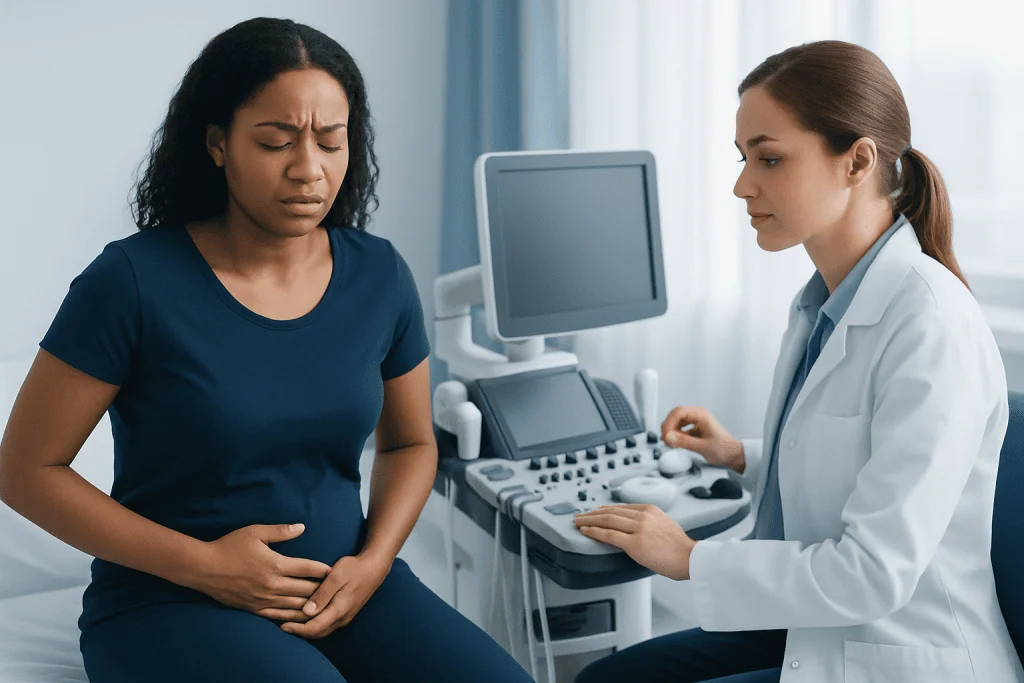
The hallmark symptom of fibroid degeneration is pelvic or lower abdominal pain. Some people describe it as sharp, stabbing, aching, or constant tenderness over one area. The discomfort may last from a few days to a couple of weeks, depending on the size and location of the fibroid and the type of degeneration.
Other symptoms can overlap with those of fibroids in general. These may include pressure in the pelvis, bloating, urinary frequency, constipation, pain during sex, and menstrual changes. When degeneration is active, there may also be mild fever, nausea, or a temporary rise in discomfort with movement.
Common symptoms may include:
- Sudden or gradually worsening pelvic pain
- Lower abdominal tenderness
- Cramping or pressure
- Spotting or heavier bleeding in some cases
- Bloating or a feeling of fullness
- Mild fever or nausea
Because these symptoms can resemble ovarian cyst problems, appendicitis, pelvic infection, miscarriage, or other urgent conditions, a new episode of significant pelvic pain should be evaluated by a qualified clinician rather than assumed to be a fibroid alone.
Why degeneration happens and who is at risk
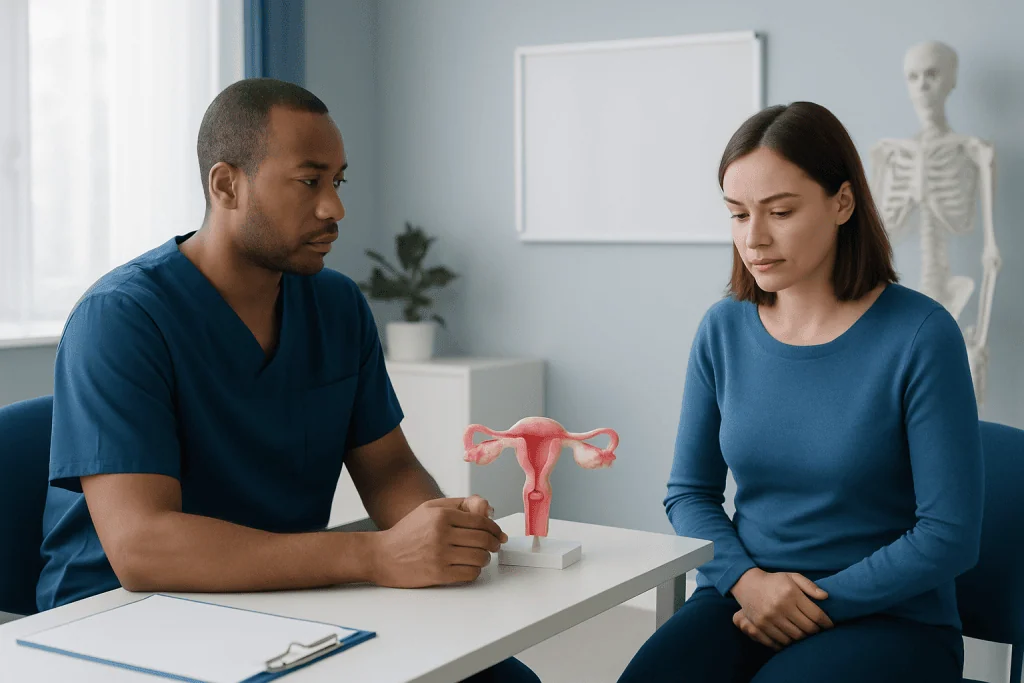
A fibroid depends on nearby blood vessels for oxygen and nutrients. As it enlarges, its center may receive relatively less blood flow. If blood supply drops enough, tissue changes occur and the fibroid begins to degenerate. This can happen spontaneously, during pregnancy, or after treatments that intentionally block blood flow to fibroids.
Doctors describe several patterns of degeneration, including red degeneration, hyaline degeneration, cystic degeneration, and calcific change. Patients do not need to memorize these terms, but they help explain why symptoms and imaging findings can vary. Red degeneration is often associated with acute pain and is classically described during pregnancy, while other types may develop more gradually.
Factors that may increase the chance of fibroid-related symptoms or degeneration include:
- Larger fibroid size
- Rapid fibroid growth
- Pregnancy
- Fibroids attached by a stalk, especially if twisting is possible
- Prior procedures that alter fibroid blood supply
Not every fibroid degenerates, and not every degenerating fibroid causes severe symptoms. The clinical picture depends on the fibroid’s location, size, blood supply, and whether another condition is present at the same time.
How doctors diagnose fibroid degeneration
Diagnosis begins with a medical history and physical examination. A clinician will ask when the pain started, whether bleeding is heavier than usual, whether there is fever, and whether pregnancy is possible. This step is important because several gynecologic and abdominal emergencies can mimic fibroid degeneration.
Pelvic ultrasound is usually the first imaging test. It can identify the presence, size, and location of uterine fibroids and may show changes inside a fibroid that suggest degeneration. However, ultrasound does not always clearly distinguish the exact type of change, especially if the fibroid is large or if other pelvic conditions are present.
MRI may be recommended when the diagnosis is uncertain, symptoms are severe, or treatment planning is needed. MRI offers more detail about fibroid composition and blood supply and can help separate degeneration from other causes of pelvic masses or pain. Blood tests may also be used to check for anemia from bleeding, inflammation, or infection, depending on symptoms.
The goal of diagnosis is not only to confirm fibroid degeneration but also to rule out conditions that need different treatment, such as ectopic pregnancy, ovarian torsion, pelvic inflammatory disease, or acute appendicitis.
Treatment options and what recovery looks like
Treatment depends on symptom severity, age, plans for future pregnancy, the fibroid’s size and location, and whether symptoms improve over time. Many cases can be managed conservatively at first. This may include rest, hydration, and pain-relieving medicines recommended by a doctor. Symptoms from degeneration often ease as the acute inflammatory phase settles.
If pain persists, bleeding is significant, or fibroids continue to affect daily life, further treatment may be considered. Options can include hormone-based medicines for symptom control, minimally invasive procedures, or surgery. In selected patients, uterine fibroid embolization may be used to reduce blood flow to fibroids and shrink them over time. Some patients may be candidates for myomectomy to remove fibroids while preserving the uterus, while others may discuss hysterectomy if symptoms are severe and childbearing is complete.
Recovery varies with the treatment chosen. Conservative management may improve symptoms within days to weeks. Procedure-based or surgical recovery takes longer and should be guided by the treating team. If anemia, heavy bleeding, or repeated pain episodes occur, follow-up is especially important to reassess the overall fibroid treatment plan.
Treatment decisions should be individualized. A patient with a single painful fibroid and future fertility goals may need a very different approach from someone with multiple large fibroids, heavy bleeding, and no desire for future pregnancy.
Self-care, monitoring, and living with fibroids
Self-care does not cure fibroid degeneration, but it can support comfort while medical evaluation and follow-up take place. Resting during a pain flare, using a heating pad if advised, staying well hydrated, and keeping track of symptoms can all be helpful. Recording bleeding patterns, pain intensity, and cycle timing may also make medical visits more productive.
For ongoing fibroid management, regular gynecologic follow-up matters. Some fibroids remain stable and cause few problems, while others change over time. Monitoring can help identify whether pain episodes are isolated or part of a broader pattern that needs treatment.
General supportive measures include:
- Following the prescribed pain-relief plan rather than self-medicating excessively
- Seeking assessment for fatigue, dizziness, or shortness of breath that could suggest anemia
- Attending follow-up imaging if recommended
- Discussing pregnancy plans early, since fibroids can affect care decisions
There is no guaranteed way to prevent fibroid degeneration. Still, timely care for symptomatic fibroids can reduce uncertainty and help patients understand the full range of options if pain, pressure, or abnormal bleeding begins to interfere with daily life.
When to seek medical care
Medical care is appropriate whenever new pelvic pain is significant, persistent, or unexplained. Although fibroid degeneration is usually not life-threatening, the symptoms overlap with conditions that can require urgent treatment. Prompt evaluation is especially important if the person is pregnant, trying to become pregnant, or unsure whether pregnancy is possible.
Urgent assessment is recommended for severe or rapidly worsening pain, heavy vaginal bleeding, fainting, chest symptoms, high fever, vomiting, or signs of dehydration. Immediate care is also needed if the abdomen is rigid, pain is one-sided and intense, or there is concern for miscarriage or ectopic pregnancy.
Patients with recurrent symptoms may benefit from specialist review to discuss whether evaluation by experts in gynecology care is needed and whether another fibroid-related condition, such as endometriosis, adenomyosis, or ovarian disease, could also be contributing to pain. Near the end of the care pathway, it may be helpful to know that Acibadem International’s multidisciplinary specialists in JCI-accredited hospitals diagnose and treat fibroid-related conditions for international patients.
Frequently asked questions
Is fibroid degeneration dangerous?
Fibroid degeneration is usually not dangerous, but it can be very painful and may mimic other urgent conditions. That is why new or severe pelvic pain should be assessed by a doctor, especially if there is fever, heavy bleeding, or pregnancy.
How long does fibroid degeneration pain last?
Pain often improves over several days to a couple of weeks, although timing varies from person to person. Recovery depends on the fibroid's size, location, and whether there are other symptoms such as bleeding or pressure.
Can fibroid degeneration happen during pregnancy?
Yes. It can occur during pregnancy, especially when a fibroid changes in size or blood supply. Because abdominal pain in pregnancy has many possible causes, pregnant patients should contact their obstetric clinician promptly for advice.
Does fibroid degeneration mean cancer?
No. Degeneration usually means a benign fibroid has lost some of its blood supply and is breaking down internally. It does not usually indicate cancer, but imaging and follow-up help confirm the diagnosis.
Will a degenerating fibroid go away on its own?
The acute degeneration episode may settle on its own, and symptoms can improve without a procedure. However, the fibroid itself may remain, shrink somewhat, or continue causing other symptoms such as bleeding or pressure.
What is the best treatment for fibroid degeneration?
There is no single best treatment for everyone. The right option depends on pain severity, fibroid size and location, bleeding, fertility goals, age, and whether symptoms return after conservative care.
References
- American College of Obstetricians and Gynecologists
- National Institute for Health and Care Excellence
- U.S. National Library of Medicine
- Royal College of Obstetricians and Gynaecologists
This article is for general information only and is not a substitute for professional medical advice. Please consult a qualified doctor about your individual situation.
Oncology care in Turkey — second opinion and treatment plan
JCI-accredited · board-certified surgeons · reply within 24h
Add us as a Preferred Source to see more of our trusted health content across Google Search, AI Overviews and Discover.

More from the Health Library
Turkey Tail: An Evidence-Based Guide for Patients

Pyoderma Gangrenosum: What Patients Need to Know

Unsteady Gait: A Complete Medical Overview

Life Md Reviews: What Patients Need to Know

Stridor: An Evidence-Based Guide for Patients