Fingertips Bruised — Explained by Medical Evidence, Not Myths

Most bruised fingertips result from minor trauma and improve gradually as trapped blood is reabsorbed. A bruise under the nail may be painful and can occasionally occur with a fingertip fracture.
Key Takeaways
- Most bruised fingertips result from minor trauma and improve gradually as trapped blood is reabsorbed.
- A bruise under the nail may be painful and can occasionally occur with a fingertip fracture.
- Not every blue or purple fingertip is a bruise; circulation changes, cold exposure, and skin bleeding spots can look similar.
- People taking blood-thinning medicines or those with bleeding disorders may bruise more easily.
- Urgent assessment is appropriate for a pale, blue, cold, numb, severely painful, or visibly deformed finger.
Bruised fingertips are most often caused by a pinch, impact, repeated pressure, or a small collection of blood beneath the skin or nail. However, discoloration that occurs without injury, affects several fingers, or comes with coldness, numbness, severe pain, or skin changes should be assessed by a healthcare professional.
What does it mean when fingertips are bruised?
Fingertips bruised in appearance are usually the result of minor trauma, such as catching a finger in a door, striking it against a hard surface, or placing repeated pressure on it during work, sport, or household tasks. A bruise forms when small blood vessels beneath the skin are damaged and blood leaks into nearby tissue. The area may look red, purple, blue, or dark brown before fading over time.
The fingertip has many nerve endings and a limited amount of soft tissue over bone, so even a small injury can be surprisingly tender. Swelling, throbbing, and sensitivity when touching or using the finger are common after a simple contusion. In many cases, discomfort begins to settle within a few days, while the color change may take one to two weeks or sometimes longer to disappear.
It is important not to assume that every dark-colored fingertip is a standard bruise. Reduced blood flow, cold-related vessel spasm, a collection of blood beneath the nail, small pinpoint bleeding spots, or infection can create a similar appearance. The timing, symptoms, and whether there was an injury help a clinician distinguish among these possibilities.
Common patterns and what the color may suggest
A typical bruise often follows a clear event: a pinch, crush, fall, impact, or forceful use of the hand. It may be localized to one small area and feel sore when pressed. Over days, its color commonly changes as the body breaks down and clears the blood pigments. This gradual improvement is generally reassuring.
Dark discoloration beneath a nail can be a subungual hematoma, meaning blood has collected under the nail plate after an injury. It can cause pressure-like throbbing pain and may cover part or most of the nail. A substantial nail injury can also be associated with a fracture of the bone at the fingertip, especially after a crush injury.
Blue or purple fingertips that develop in cold temperatures and improve with warming may reflect temporary narrowing of small blood vessels. In some people, episodes of color change can occur with Raynaud’s phenomenon, where fingers may become pale, blue, and then red as circulation returns. This differs from a bruise because it is usually episodic, may involve more than one finger, and is not necessarily linked to an impact.
Small, flat red-purple dots that do not fade when pressed may be petechiae, which are tiny spots of bleeding under the skin rather than a single bruise. Their causes range from minor pressure to medication effects or medical conditions that affect platelets or clotting. New widespread spots, especially with other symptoms, warrant medical advice.
Why bruised fingertips happen

Direct injury is the leading cause. Common examples include trapping a finger in a drawer, dropping an object on the hand, gardening without gloves, climbing, using hand tools, contact sports, and repetitive pressure from work tasks. Skin that is thin, dry, or already irritated may show discoloration more visibly after relatively minor force.
Some factors make bruising more likely or more noticeable. These include older age, medicines that reduce blood clotting, medicines that affect platelet function, long-term corticosteroid use, and certain nutritional or medical conditions. A person should not stop prescribed medication because of bruising without speaking to the clinician who prescribed it.
Less commonly, unexplained or frequent bruising can be connected with low platelet levels, clotting problems, liver disease, or disorders that affect the blood. These conditions usually cause bruising in more than one location or are accompanied by other signs, such as nosebleeds, bleeding gums, unusually heavy menstrual bleeding, fatigue, fever, or unintentional weight loss. These symptoms do not automatically indicate a serious condition, but they should be evaluated.
Repeated fingertip injuries can also occur when sensation is reduced, for example from nerve problems, diabetes-related neuropathy, or prolonged pressure on the hand. Reduced sensation may make a person less aware of heat, force, or small injuries. Protecting the hands and addressing the cause of numbness can help prevent recurring damage.
How a bruised fingertip is assessed
A healthcare professional will usually ask when the discoloration appeared, whether an injury occurred, how pain has changed, and whether the finger feels numb, cold, weak, or difficult to move. They may also ask about work and sports activities, medicines, prior bruising, circulation problems, and personal or family history of bleeding disorders.
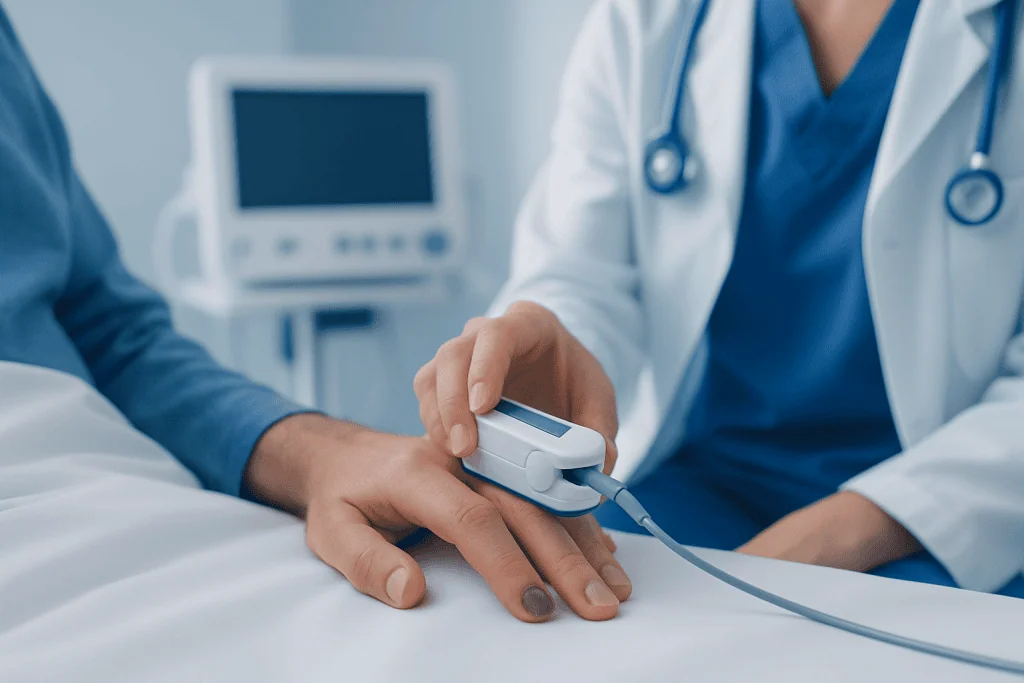
The examination includes looking at the skin and nail, checking swelling and tenderness, testing movement, and assessing sensation and circulation. Comparing the affected finger with the other hand can help identify differences in color, warmth, capillary refill, and pulse. A clinician may also look for cuts, nail-bed damage, signs of infection, or deformity.
An X-ray may be recommended after a crush injury, marked swelling, severe tenderness over the bone, inability to move the fingertip normally, or concern for a fracture. Blood tests are not needed for most injury-related bruises. They may be considered when bruising is unexplained, recurrent, widespread, or accompanied by other bleeding symptoms.
Taking a clear photo when the color first appears and noting any known injury can be helpful, particularly if the discoloration comes and goes. This information may assist a clinician in determining whether the problem is more consistent with bruising, a circulation change, or another skin finding.
Safe home care for a minor fingertip bruise
For a recent minor injury, resting the finger and protecting it from further impact are sensible first steps. A cold pack wrapped in a cloth may be applied briefly at intervals during the first day or two to help limit discomfort and swelling. Ice should not be placed directly on the skin, and prolonged cold exposure should be avoided because it can damage the skin and reduce circulation.
Keeping the hand elevated above heart level when possible can help reduce swelling. If rings are worn on the affected hand, they should be removed early if swelling is developing. Gentle movement may be useful once severe pain has settled, but activities that cause sharp pain, repeated impact, or increased swelling should be avoided until the finger is more comfortable.
Simple over-the-counter pain relief may be appropriate for some people, but the choice depends on medical history, allergies, other medicines, and bleeding risk. A pharmacist or clinician can advise on a suitable option. People who take anticoagulants, have kidney disease, stomach ulcers, liver disease, or a known bleeding disorder should seek individualized advice before taking pain medicines.
It is best not to puncture a nail, drain a blood collection, or attempt to remove a damaged nail at home. These procedures can increase the risk of infection or injury to the nail bed. If pressure beneath the nail is severe or pain is intense, prompt medical assessment is safer.
When to seek medical care
Medical care is recommended promptly if the finger is severely painful, visibly bent, difficult to move, increasingly swollen, or numb. Evaluation is also important when the fingertip is pale, blue, very cold, or remains discolored after warming, as these signs can indicate a circulation problem rather than a simple bruise.
Same-day assessment is advisable after a significant crush injury, especially when there is a deep cut, bleeding that does not stop, a nail that is lifted or split, or a large painful dark area beneath the nail. Children, older adults, and people with reduced sensation in their hands may need assessment even when an injury appears minor, because damage can be harder to judge.
A doctor should assess unexplained bruising, bruises that are frequent or unusually large, or fingertip discoloration that does not begin to improve within about two weeks. Medical advice is also appropriate if bruising occurs alongside bleeding gums, repeated nosebleeds, blood in urine or stool, fever, unusual tiredness, or widespread pinpoint purple spots.
Emergency care is appropriate if a finger suddenly becomes cold, pale or blue, severely painful, weak, or without normal sensation, particularly after an injury. These symptoms need urgent evaluation to protect blood flow and function in the finger.
Prevention and protecting fingertip health
Many fingertip bruises can be prevented by using well-fitting protective gloves for gardening, manual work, cycling, climbing, and contact activities. Gloves should provide grip without being so tight that they restrict movement or circulation. Using appropriate tools and keeping work areas well lit can also reduce crush and impact injuries.
People who bruise easily can reduce avoidable trauma by padding sharp work surfaces, taking care around drawers and doors, and using protective equipment for sports. Keeping nails trimmed may lower the chance of nail catching or tearing. Moisturizing dry, fragile skin can also support the skin barrier, although it does not prevent deeper bruising from force.
Warm gloves and gradual warming are helpful for people whose fingers change color in cold conditions. Avoiding tobacco and nicotine products supports circulation, as these substances can narrow blood vessels. Anyone with recurrent color-change episodes, finger ulcers, or persistent cold sensitivity should discuss these symptoms with a clinician.
Acibadem International’s multidisciplinary specialists and JCI-accredited hospitals can assess hand injuries, circulation concerns, and unexplained bruising for international patients. A clinician can determine whether the discoloration is a straightforward injury-related bruise or whether further testing or specialist care is appropriate.
Frequently asked questions
How long do bruised fingertips take to heal?
A mild fingertip bruise often becomes less painful within several days, although the color may take one to two weeks to fade. More significant crush injuries and bruises beneath the nail can take longer. A nail may take months to grow out fully if it was injured.
Why is my fingertip purple without an obvious injury?
A purple fingertip may result from unnoticed pressure or minor trauma, but it can also reflect cold-related circulation changes, a skin bleeding spot, or another condition. If it is persistent, recurrent, painful, numb, cold, or affects multiple fingers, medical assessment is recommended. Unexplained bruising elsewhere on the body should also be discussed with a clinician.
Can a bruised fingertip mean a broken finger?
Yes, especially after a crush injury or forceful impact. Signs that raise concern include severe pain, swelling, deformity, inability to bend or straighten the finger normally, and marked tenderness over the bone. An X-ray may be needed to confirm or rule out a fracture.
Should blood under a fingernail be drained?
A painful blood collection under the nail should be assessed by a healthcare professional, particularly after a crush injury. In some cases, a clinician may relieve pressure using a sterile technique and evaluate for nail-bed injury or fracture. It should not be drained at home.
Do blood thinners cause bruised fingertips?
Medicines that reduce blood clotting or affect platelets can make bruises more likely after minor bumps or pressure. They do not usually cause bruising without any trigger, although the trigger may be small or unnoticed. New, frequent, or extensive bruising should be reported to the prescribing clinician, but prescribed medicine should not be stopped without advice.
What is the difference between a bruise and poor circulation in a fingertip?
A bruise usually follows injury, is tender in one area, and gradually changes color as it heals. Poor circulation may cause a finger to become pale, blue, or cold and may be associated with numbness, pain, or color changes in several fingers. A cold, blue, numb, or severely painful finger needs prompt medical evaluation.
References
- American Academy of Orthopaedic Surgeons
- American Society for Surgery of the Hand
- National Heart, Lung, and Blood Institute
- NHS
- Mayo Clinic
This article is for general information only and is not a substitute for professional medical advice. Please consult a qualified doctor about your individual situation.
Explore treatments in Turkey — costs, top hospitals & a free quote
JCI-accredited · board-certified surgeons · reply within 24h
Add us as a Preferred Source to see more of our trusted health content across Google Search, AI Overviews and Discover.

More from the Health Library

Chia Seeds in Yogurt: A Complete Medical Overview

Radishes — Explained by Medical Evidence, Not Myths

Codependency: What Patients Need to Know
Scrotum: A Complete Medical Overview

Meaning of pac in medical: A Complete Medical Guide for Patients