

Fisher Repair: Procedure, Recovery and Results

Fisher repair refers to a cleft palate reconstruction technique designed to restore the palate’s anatomy and muscle function. Cleft palate repair is a significant operation, but it is commonly performed by experienced pediatric cleft teams.
Key Takeaways
- Fisher repair refers to a cleft palate reconstruction technique designed to restore the palate’s anatomy and muscle function.
- Cleft palate repair is a significant operation, but it is commonly performed by experienced pediatric cleft teams.
- Most children remain in hospital briefly and need several weeks of careful feeding and activity restrictions while healing.
- Pain is expected but is usually manageable with a planned, child-appropriate pain-relief strategy.
- Ongoing speech, hearing, dental and surgical follow-up is an important part of cleft palate care.
Fisher repair is a surgical approach used to close a cleft palate and reconstruct the soft palate muscles, helping improve separation between the mouth and nose for feeding, speech development and middle-ear function. The operation is usually performed in infancy by a specialized cleft team, with follow-up continuing through childhood as speech, hearing and facial growth develop.
Overview: What Is Fisher Repair?
Fisher repair is a term sometimes used when people are searching for surgical repair of a cleft palate. In clinical practice, the exact operation is selected by the cleft surgeon based on the child’s palate anatomy, the muscles of the soft palate, and the goals of reconstruction. One commonly discussed technique is the Furlow double-opposing Z-plasty, which lengthens and reorients the soft palate muscles while closing the opening; names may be confused online, including “fischer repair,” “fisher rebuilding,” or “fisher repairs.”
A cleft palate is an opening in the roof of the mouth that occurs when structures do not join completely during fetal development. It may involve the soft palate at the back of the mouth, the hard palate at the front, or both. Surgical closure aims to create a barrier between the mouth and nose and to reconstruct muscles needed for normal palate movement during speech and swallowing.
Repair is only one part of care. Children with a cleft palate often benefit from coordinated assessment by plastic and reconstructive surgeons, ear, nose and throat specialists, audiologists, speech-language therapists, dentists, orthodontists and pediatricians. Families seeking information about the underlying condition can also review cleft palate.
How Fisher Repair Works and Who May Be a Candidate
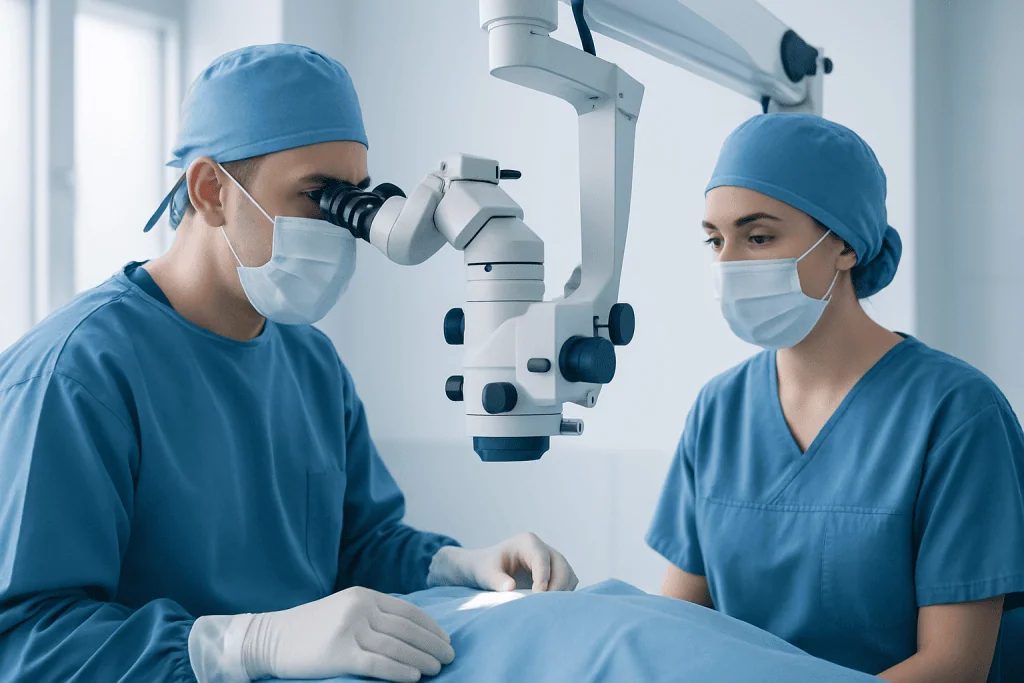
The main goals of palate surgery are to close the opening safely, place the soft palate muscles in a more functional position, and preserve healthy tissue for future facial growth. During speech, the soft palate should lift and move backward to help close the passage to the nose. Reconstructing this muscular sling can reduce the likelihood of nasal-sounding speech, although some children still need speech therapy or additional treatment later.
Most babies born with a cleft palate are assessed soon after birth by a specialist cleft team. The team considers the type and width of the cleft, feeding and weight gain, general health, airway concerns, hearing, and whether there is a cleft lip or another medical condition. Children with certain syndromes or complex airway needs may require additional evaluations before surgery.
There is no consumer “fisher repair kit” for cleft palate reconstruction. Cleft palate surgery must be performed in an operating room by appropriately trained surgeons and anesthesiology teams. The procedure should be planned individually rather than chosen solely by the name of a technique.
What Happens During Cleft Palate Repair
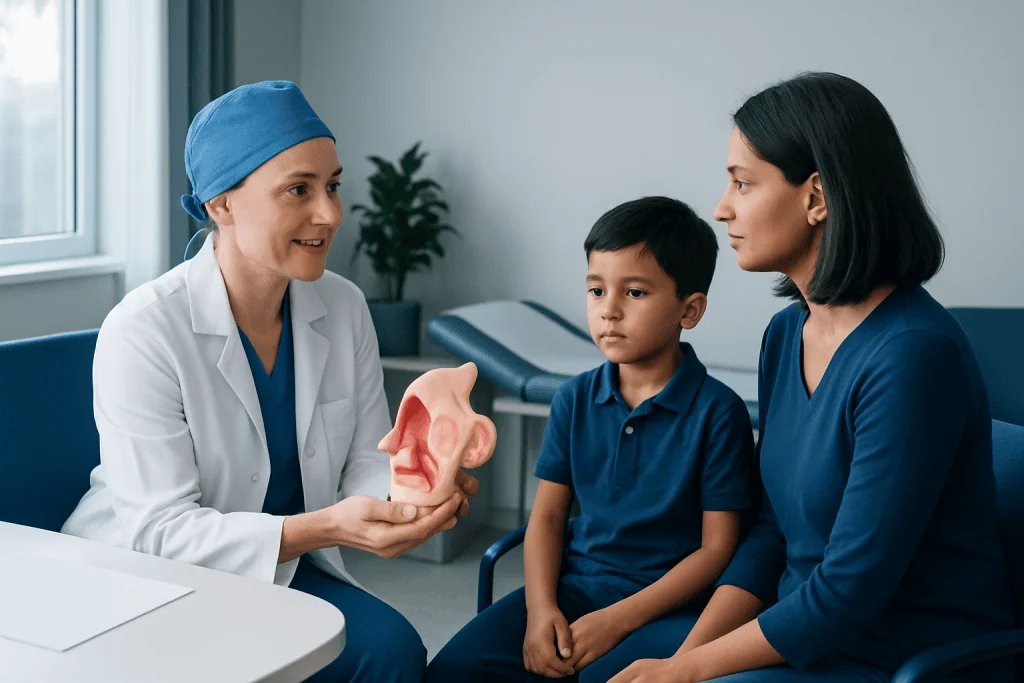
Cleft palate repair is performed under general anesthesia, meaning the child is asleep and does not feel the operation. Before surgery, the team reviews feeding, medications, allergies, recent illnesses and anesthesia considerations. Parents receive instructions about fasting before anesthesia and what to bring for the hospital stay.
During the operation, the surgeon makes careful incisions within the mouth, raises and repositions tissue flaps, and closes the cleft in layers. The soft palate muscles are released from abnormal attachments and reconstructed to improve their function. Depending on the cleft and technique used, the surgeon may use a Z-plasty pattern or another established method to lengthen and repair the palate. Dissolvable stitches are commonly used inside the mouth.
After surgery, the child is monitored as anesthesia wears off. The length of the operation and hospital stay varies with the cleft’s complexity, the child’s health and local care protocols. Families should ask the treating team how their child’s procedure will be performed and what recovery plan applies. Cleft palate repair is best coordinated through a dedicated multidisciplinary cleft service.
What Is the Best Time for Surgical Repair of a Cleft Palate?
The best time for surgical repair of a cleft palate is individualized, but primary palate repair is often planned during late infancy, commonly within the first year of life. This timing seeks to support early speech development while allowing the baby to grow and become strong enough for anesthesia and surgery. The exact timing may differ between cleft centers and according to the child’s anatomy and overall health.
Some children need surgery earlier or later than initially planned. For example, poor weight gain, respiratory illness, a complex medical condition or airway concerns may mean that the team recommends waiting until surgery can be performed more safely. Conversely, the care team may recommend a particular schedule if they believe it will best support function.
Families should not delay specialist assessment while waiting for a preferred age. Early contact with a cleft team provides feeding support, hearing monitoring and a clear surgical plan. If a child also has cleft lip involvement, the sequence of procedures is planned around both conditions and long-term facial development.
How Long Does It Take to Recover From a Cleft Palate Repair?
Initial healing after cleft palate repair generally takes several weeks, while complete recovery includes longer-term monitoring of speech, hearing, dental development and facial growth. Many children stay in hospital for one or more nights, depending on their age, recovery after anesthesia and the hospital’s observation practices. Swelling, temporary changes in feeding and tiredness are common in the early days.
For the first weeks, the surgical team gives specific feeding instructions to protect the repair. These may include using a cup, spoon, syringe or a specially selected bottle rather than objects that could place pressure on the palate. Parents are usually asked to avoid hard foods, pacifiers, straws, utensils placed deeply in the mouth and hand-to-mouth behaviors that may injure the healing area. Instructions vary, so the surgeon’s advice should take priority.
A follow-up visit is typically arranged soon after surgery to check wound healing, feeding and comfort. Speech assessments commonly begin as language develops. Some children need speech therapy, treatment for middle-ear fluid or hearing issues, dental care, orthodontics, or later surgery if there is a remaining opening or inadequate palate closure during speech.
How Painful Is Cleft Palate Repair?
Cleft palate repair causes discomfort, particularly during the first several days, but pain is expected and can usually be managed with a structured plan from the surgical and pediatric teams. Infants and young children may show pain through fussiness, less interest in feeding, difficulty sleeping or crying. Parents are given guidance on how to recognize discomfort and when to contact the team.
Pain control may include non-opioid medicines and, when appropriate, other medications prescribed by the treating clinician. The team will explain safe use, timing and possible side effects. It is important not to give additional medicines, herbal products or over-the-counter treatments without checking with the child’s doctor, particularly after anesthesia.
Comfort measures can also help: offering feeds in the recommended way, maintaining hydration, providing calm reassurance and following the activity restrictions provided at discharge. Pain that is worsening rather than improving, prevents drinking, or occurs with fever, bleeding or breathing difficulty needs prompt medical advice.
Is Cleft Palate Repair a Major Surgery? Benefits and Risks
Yes. Cleft palate repair is considered major surgery because it requires general anesthesia and reconstruction of tissues and muscles inside the mouth. However, it is a well-established procedure when performed by experienced cleft surgeons within a pediatric multidisciplinary team. The expected benefits include closure of the palate, improved feeding mechanics over time, support for speech development and reduced passage of food or liquid into the nose.
All surgery carries risks. Possible complications include bleeding, infection, swelling, anesthesia-related problems, poor healing, separation of the repair, a small persistent opening called a fistula, feeding difficulty and later speech concerns. Some children continue to have middle-ear fluid or hearing problems because cleft palate can affect the function of the Eustachian tube.
Long-term results vary because cleft palate affects development over many years. A child may need additional care even after a successful primary operation. This does not necessarily mean the original surgery failed; it can reflect changing speech, dental or growth needs as the child develops.
- Ask the surgical team which repair technique is recommended and why.
- Discuss feeding arrangements, pain control and activity restrictions before discharge.
- Keep all cleft-team, hearing, speech and dental follow-up appointments.
- Tell clinicians about any previous anesthesia concerns, illnesses or medication allergies.
When to Seek Medical Care
Parents should contact the surgical team promptly if a child drinks much less than usual, has fewer wet diapers, repeatedly vomits, has worsening pain, persistent fever, significant bleeding, a bad-smelling discharge, increasing swelling or a change in alertness. Breathing difficulty, bluish discoloration, severe bleeding or inability to wake the child normally requires urgent emergency assessment.
Before surgery, families should also seek medical advice if the child develops a cough, fever, wheezing, vomiting or another acute illness. Surgery may need to be postponed to reduce anesthesia and recovery risks. It is safer to tell the care team early than to assume symptoms are minor.
For international patients, Acibadem International’s multidisciplinary specialists and JCI-accredited hospitals can assess and treat cleft palate conditions, coordinating surgical, speech, hearing and dental care where appropriate. Families should seek individualized advice from a qualified cleft and craniofacial team rather than relying on general online information.
Frequently asked questions
What is Fisher repair for cleft palate?
Fisher repair is a search term that may refer broadly to cleft palate reconstruction, but the precise technique should be confirmed with the surgeon. Cleft palate operations close the opening in the palate and rebuild soft-palate muscle function. A surgeon may recommend a Furlow-type repair or another established approach based on the individual cleft anatomy.
How long does it take to recover from a cleft palate repair?
The mouth usually needs several weeks for early surgical healing, and feeding restrictions are often required during that time. Hospital observation is commonly brief, but each child’s stay differs. Speech, hearing and dental follow-up may continue for years because these areas develop over time.
How painful is cleft palate repair?
Discomfort is common after surgery, especially during the first few days, but it is usually manageable with medications and a care plan prescribed by the child’s clinicians. Fussiness, disturbed sleep and reduced feeding can be signs of discomfort in infants. Parents should contact the care team if pain is severe, worsening or stopping the child from drinking.
Is cleft palate repair a major surgery?
Yes, it is a major operation because it is performed under general anesthesia and involves reconstructing the palate and its muscles. It is also a routine, established part of specialist cleft care. The cleft team will discuss likely benefits, surgical risks and the child’s individual recovery needs before treatment.
What is the best time for surgical repair of a cleft palate?
Primary repair is often performed during late infancy, commonly in the first year of life, but there is no single best age for every child. Timing depends on health, growth, cleft type, airway considerations and the care team’s treatment protocol. An early cleft-team assessment helps families plan the safest and most appropriate timing.
Can a child need more surgery after palate repair?
Some children need further treatment as they grow, such as surgery for a persistent fistula, speech-related palate movement problems, gum-line clefts or jaw development. Others may not need additional palate surgery. Regular cleft-team review identifies needs early and supports decisions based on the child’s development.
References
- American Cleft Palate-Craniofacial Association
- Centers for Disease Control and Prevention
- National Health Service
- American Society of Plastic Surgeons
- World Health Organization
This article is for general information only and is not a substitute for professional medical advice. Please consult a qualified doctor about your individual situation.
Explore treatments in Turkey — costs, top hospitals & a free quote
JCI-accredited · board-certified surgeons · reply within 24h
Add us as a Preferred Source to see more of our trusted health content across Google Search, AI Overviews and Discover.

More from the Health Library



Related Specialists

Büşra Zeybek
Physical Medicine & Rehabilitation
Prof. Dr. Filiz Saçan
Interventional Radiology
Dr. Ercan Biçakci
Gastroenterology
Dr. Mehriban Allahverdiyeva
Inpatient Clinic Physicians Clinical Service