Flank: An Evidence-Based Guide for Patients

The flank is the side of the torso between the ribs and the hip, on the right or left. Flank pain can come from muscles, kidneys, the urinary tract, nerves, or nearby organs.
Key Takeaways
- The flank is the side of the torso between the ribs and the hip, on the right or left.
- Flank pain can come from muscles, kidneys, the urinary tract, nerves, or nearby organs.
- Sudden severe pain, fever, vomiting, blood in urine, or trouble passing urine needs prompt medical attention.
- Diagnosis usually relies on medical history, physical examination, urine tests, blood tests, and sometimes imaging.
- Treatment depends on the cause and may include rest, fluids, pain relief, antibiotics, or procedures for stones or blockage.
The flank is the area on each side of the body between the lower ribs and the hip. Flank discomfort is often caused by muscle strain or kidney-related problems, but the exact cause depends on where the pain is, how it feels, and what other symptoms appear with it.
What the flank is and why it may hurt
The flank is the side part of the body between the lower ribs and the top of the hip. People usually use the term when describing pain on the right or left side of the back or side, rather than the front of the abdomen. Knowing this location helps doctors narrow down the possible source of discomfort.
Flank pain is a symptom, not a diagnosis. It can happen after a simple muscle strain, but it may also come from the kidneys, urinary tract, spine, or nearby organs. The cause is often suggested by details such as whether the pain is sharp or dull, sudden or gradual, one-sided or both-sided, and whether it comes with fever, urinary symptoms, nausea, or movement-related soreness.
Some causes are minor and improve with time and self-care. Others need medical treatment, especially if the pain is severe, persistent, or associated with signs of infection or urinary blockage. Because the flank sits near several important structures, an accurate medical evaluation matters when symptoms do not settle quickly.
How flank symptoms can feel
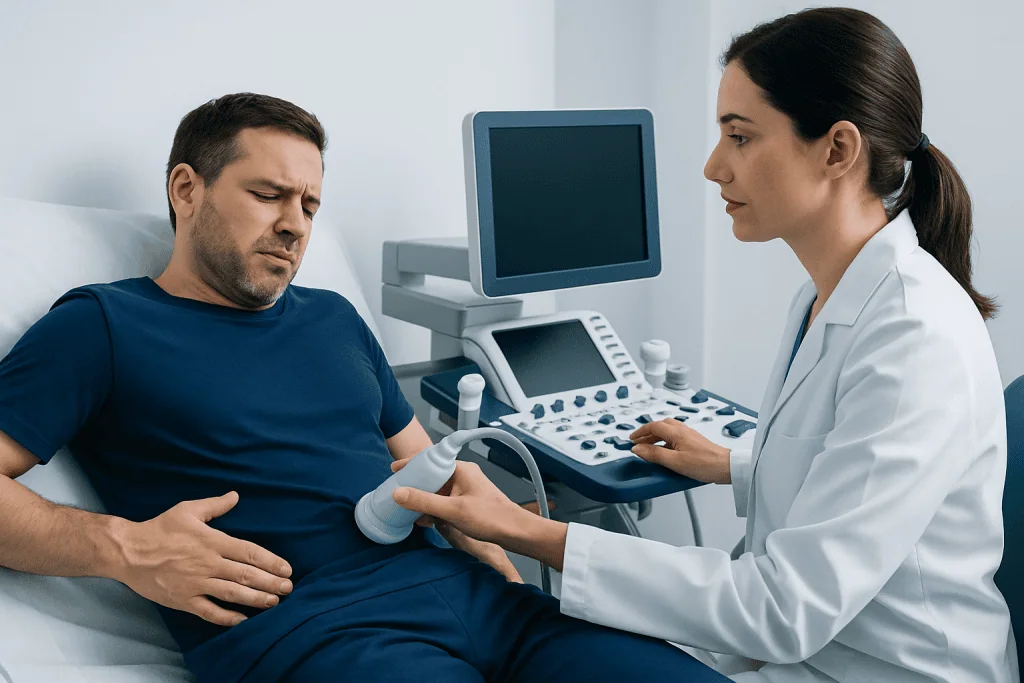
People describe flank symptoms in different ways. The pain may be dull and aching, sharp and stabbing, cramping, or wave-like. It can stay in one spot or travel toward the abdomen, groin, lower back, or upper thigh. Some notice discomfort only when twisting, coughing, or lifting, while others feel it even at rest.
Kidney and urinary tract causes often create one-sided pain that may come with urinary changes. These can include burning with urination, needing to urinate often, difficulty passing urine, cloudy or foul-smelling urine, or blood in the urine. Nausea and vomiting can happen too, especially with kidney stones.
Muscle or spine-related flank pain often worsens with movement, bending, or pressure on the area. In contrast, infection-related pain may be accompanied by fever, chills, tiredness, or a general sense of being unwell. These patterns do not confirm a diagnosis on their own, but they help guide the next steps.
- Right flank pain may relate to the right kidney, muscles, or nearby abdominal structures.
- Left flank pain may relate to the left kidney, muscles, or bowel-related causes.
- Pain on both sides can sometimes point to muscle strain, dehydration, systemic illness, or less commonly kidney problems affecting both sides.
Common causes and risk factors

A common cause of flank discomfort is musculoskeletal strain. This can follow lifting, sports, sudden twisting, prolonged coughing, or sleeping in an awkward position. In these cases, the area may feel tender, stiff, or more painful with movement, and there are usually no urinary symptoms.
Kidney and urinary tract problems are another important group of causes. Kidney stones can cause sudden, severe, wave-like pain that may radiate toward the groin. A kidney infection, often related to a urinary tract infection, may cause flank pain together with fever, chills, burning urination, and nausea. Less commonly, urinary blockage, kidney swelling, or inflammation can produce similar symptoms.
Other possible causes include spinal problems such as a pinched nerve, shingles before or after a rash appears, or pain referred from nearby organs. On the right side, gallbladder or liver problems can sometimes be felt near the flank. On the left, bowel-related conditions may occasionally mimic flank pain. In some people, doctors also consider rarer issues such as blood vessel disorders or trauma.
Risk factors depend on the underlying problem. Dehydration, a history of stones, recurrent urinary infections, enlarged prostate, pregnancy, diabetes, heavy physical activity, or recent injury can all increase the likelihood of certain causes. Age, medications, and family history may also play a role.
How doctors diagnose flank pain
Diagnosis starts with a careful medical history and physical examination. A doctor will ask when the pain started, where it is felt, what it feels like, what makes it better or worse, and whether there are symptoms such as fever, vomiting, blood in urine, or numbness. They may check for tenderness over the kidneys, spine, or muscles and look for signs of dehydration or infection.
Urine testing is often one of the first steps because it can show blood, infection, or crystals. Blood tests may help assess kidney function, inflammation, infection, or other causes. These tests are useful when symptoms suggest a urinary or kidney problem, or when the person appears generally unwell.
Imaging may be recommended if the diagnosis is unclear, the pain is severe, or a stone or obstruction is suspected. Ultrasound is often used to look at the kidneys and urinary tract, while CT can give more detail in urgent situations. Depending on the symptoms, a doctor may also consider MRI imaging or ultrasound evaluation to assess nearby structures without invasive procedures.
The goal is not only to find the source of pain but also to identify warning signs early. Persistent, unexplained, or recurrent flank pain should be assessed rather than managed only at home, especially if it interferes with normal activities or sleep.
Treatment depends on the cause
Because flank pain has many possible causes, treatment is based on the diagnosis. For a simple muscle strain, doctors may advise rest from heavy activity, gentle movement, heat or cold packs, and short-term pain relief if appropriate. Symptoms often improve over days to weeks, although ongoing or severe pain should be reassessed.
When the cause is a urinary infection or kidney infection, treatment usually includes antibiotics and careful monitoring for improvement. Drinking enough fluids may be advised, although people with certain medical conditions should follow their doctor’s guidance. If symptoms are severe or there are signs of dehydration or sepsis, hospital care may be needed.
Kidney stones may pass on their own, but larger stones or blocked urine flow may require medical procedures. Depending on the situation, doctors may recommend pain control, hydration advice, and follow-up imaging, or consider kidney stone treatment and other urology-based options. If there is concern about a structural urinary problem, urology care may be involved for further evaluation and management.
If flank pain is related to the spine, nerves, or another organ system, care may involve physical therapy, targeted medication, or referral to the relevant specialist. The safest approach is to avoid assuming all side pain is muscular, especially when symptoms are intense, one-sided, or accompanied by urinary or systemic changes.
Self-care, prevention, and everyday habits
Not all flank discomfort can be prevented, but some everyday habits can lower risk. Staying well hydrated may help reduce the chance of some kidney stones and urinary infections. Safe lifting technique, gradual exercise, stretching, and avoiding sudden overexertion can reduce muscle-related pain in the side and lower back.
People who have had kidney stones before may benefit from discussing prevention with a doctor. Advice may include reviewing diet, fluid intake, and possible metabolic risk factors. Those with repeated urinary infections should seek medical guidance rather than relying on repeated self-treatment, because untreated infection can spread to the kidneys.
At home, short-term self-care may be reasonable for mild pain that clearly follows activity and improves with rest. However, self-care should not replace medical evaluation if the pain is severe, recurrent, or associated with fever, vomiting, blood in urine, rash, weakness, or difficulty passing urine. Keeping a note of symptoms, triggers, and urine changes can be helpful for the consultation.
When to seek medical care
Prompt medical care is important if flank pain is severe, sudden, or does not improve. The same is true if it comes with fever, chills, vomiting, faintness, confusion, trouble passing urine, or visible blood in the urine. These symptoms can point to infection, obstruction, dehydration, or another condition that needs timely treatment.
Emergency assessment may be needed after an injury, if the pain is associated with chest symptoms or shortness of breath, or if there is weakness, numbness, or loss of bladder control. Pregnant individuals, older adults, and people with kidney disease, diabetes, or weakened immunity should have a lower threshold for seeking care.
Even when symptoms are not urgent, medical review is sensible if flank pain keeps returning, disturbs sleep, or lasts more than a few days without a clear explanation. Near the end of the care pathway, patients may be reassured that Acibadem International’s multidisciplinary specialists and JCI-accredited hospitals diagnose and treat flank-related conditions for international patients when specialist assessment is needed.
Frequently asked questions
What does flank mean in the body?
The flank is the area on either side of the body between the lower ribs and the hip. It is usually felt more on the side or back than on the front of the abdomen.
Is flank pain always a kidney problem?
No. Flank pain can come from muscles, the spine, nerves, skin, or nearby organs as well as the kidneys and urinary tract. Kidney causes are more likely when pain comes with urinary symptoms, fever, nausea, or blood in the urine.
How can someone tell whether flank pain is muscular?
Muscle-related flank pain often starts after lifting, exercise, twisting, or coughing and usually gets worse with movement or pressure on the area. It is less likely to cause fever, urinary symptoms, or wave-like severe pain, but a doctor may still be needed if symptoms are strong or unclear.
Can dehydration cause flank pain?
Dehydration itself may not directly cause flank pain in every case, but it can contribute to problems such as kidney stones and urinary irritation. It can also worsen how unwell a person feels if there is an infection or vomiting.
When is flank pain an emergency?
Flank pain needs urgent assessment if it is sudden and severe or if it occurs with fever, vomiting, blood in urine, difficulty urinating, fainting, or confusion. Emergency care is also important after trauma or if there are neurological symptoms such as weakness or loss of bladder control.
What tests are usually done for flank pain?
Doctors often begin with a physical examination, urine testing, and sometimes blood tests. Imaging such as ultrasound or CT may be used if a kidney stone, urinary blockage, infection, or another internal cause is suspected.
References
- National Institute of Diabetes and Digestive and Kidney Diseases
- Mayo Clinic
- National Kidney Foundation
- American Urological Association
- MedlinePlus
This article is for general information only and is not a substitute for professional medical advice. Please consult a qualified doctor about your individual situation.
Joint and spine care in Turkey — expert assessment & treatment
JCI-accredited · board-certified surgeons · reply within 24h
Add us as a Preferred Source to see more of our trusted health content across Google Search, AI Overviews and Discover.

More from the Health Library



Related Specialists

Fzt. Sena Durmaz
Physical Medicine & Rehabilitation
Fzt. Dilem Kadıoğlu
Physical Medicine & Rehabilitation
Prof. Dr. Şafak Kızıltaş
Gastroenterology
Prof. Dr. Halit Çavuşoğlu
Neurosurgery