Flu Shot and Chemotherapy: How It Works, Results and What to Expect
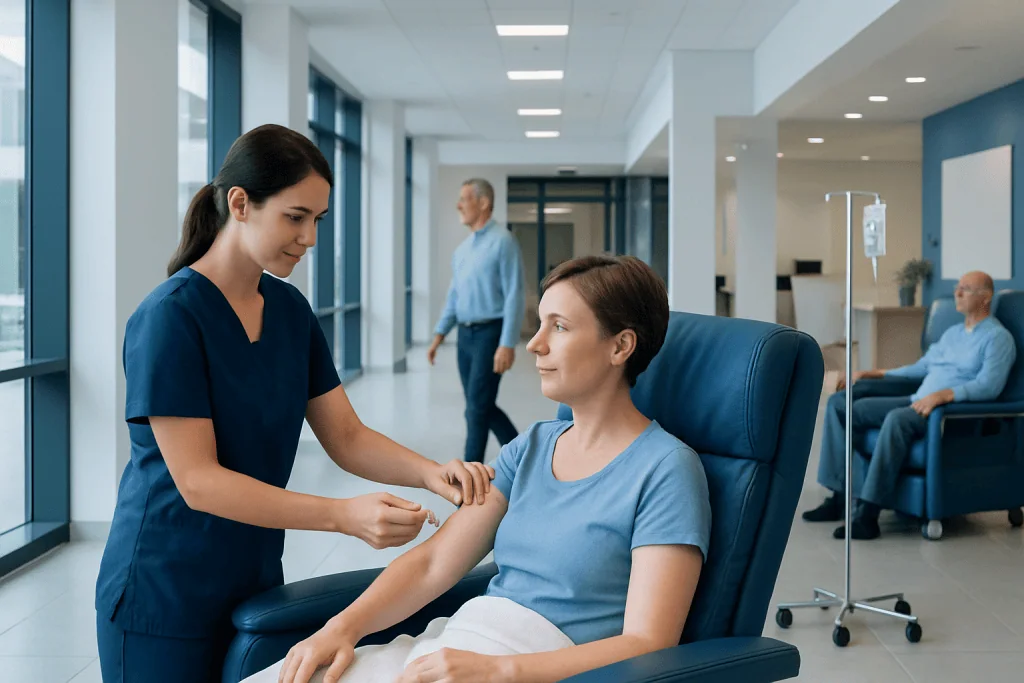
An injectable inactivated flu vaccine is generally recommended for many people receiving chemotherapy. The nasal-spray flu vaccine is a live vaccine and is usually avoided during chemotherapy.
Key Takeaways
- An injectable inactivated flu vaccine is generally recommended for many people receiving chemotherapy.
- The nasal-spray flu vaccine is a live vaccine and is usually avoided during chemotherapy.
- Vaccination is often timed around chemotherapy cycles and blood-count recovery when possible.
- Even partial protection from influenza can reduce the risk of severe illness, hospitalization, and treatment disruption.
- Fever or flu-like symptoms during chemotherapy should be reported promptly to the oncology team.
Most people receiving chemotherapy are advised to have an annual inactivated flu shot because influenza can be more serious when immunity is reduced. The vaccine may work less strongly during some treatment periods, so the oncology team should help choose the safest and most useful time for vaccination.
Overview: flu shot and chemotherapy
Flu shot and chemotherapy can usually be used together safely when the vaccine is the standard injectable, inactivated influenza vaccine. Because chemotherapy can weaken the immune system, influenza may cause more severe illness and may delay cancer treatment. For this reason, oncology teams commonly recommend seasonal influenza vaccination unless there is a specific medical reason not to receive it.
The flu shot does not cause influenza. It teaches the immune system to recognize influenza viruses, but chemotherapy may reduce how strongly the body responds. Even so, vaccination can provide meaningful protection and is usually considered preferable to remaining unvaccinated during flu season.
The best timing depends on the chemotherapy regimen, blood counts, cancer type, previous vaccine reactions, and local flu activity. A person should ask their oncologist, hematologist, or cancer nurse before booking vaccination, rather than stopping or changing chemotherapy independently.
How the flu vaccine works during chemotherapy
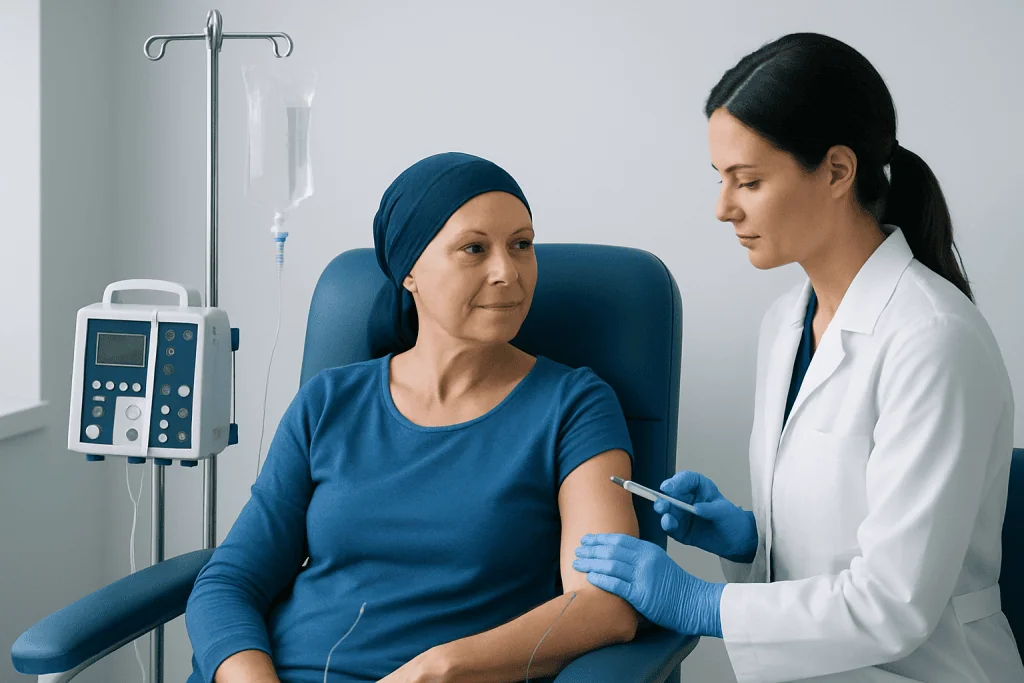
The injectable influenza vaccine contains either inactivated virus components or purified viral proteins. These cannot reproduce in the body or cause flu. After vaccination, immune cells develop antibodies and other defenses that can recognize influenza if exposure occurs later.
Chemotherapy may lower white blood cell levels and affect the immune cells responsible for building a vaccine response. As a result, protection may be less complete than it is in someone not receiving cancer treatment. However, a reduced response is not the same as no response, and vaccination may still lower the chance of serious influenza-related complications.
Protection develops gradually, often over about two weeks. This is one reason clinicians try to vaccinate before flu circulation becomes widespread when possible. Household members and close contacts should also stay up to date with seasonal influenza vaccination, helping create an added layer of protection around the patient.
Should chemo patients get a flu shot?

Many chemotherapy patients should receive a yearly flu shot, particularly the inactivated injectable vaccine. Recommendations are individualized because cancer treatments vary, but major public-health and oncology organizations generally support influenza vaccination for people with cancer and other immunocompromising conditions.
The nasal spray influenza vaccine should generally be avoided by people receiving chemotherapy because it is a live attenuated vaccine. A clinician may also postpone any vaccination temporarily if a person is acutely unwell, has a fever, has severely low blood counts, or is about to begin a treatment phase where timing can be improved.
People with a history of a severe allergic reaction to a prior influenza vaccine or one of its components need specialist guidance. An oncology team can coordinate with primary care, infectious disease, or allergy specialists when vaccination decisions are more complex.
Can you get a flu vaccine on chemo?
Yes, many people can receive an inactivated flu vaccine while on chemotherapy. The practical question is usually not whether vaccination is possible, but when it is best scheduled. Some clinicians prefer vaccination shortly before chemotherapy starts or between cycles, when the immune system is more likely to respond and blood counts have recovered.
There is no single timing rule that applies to every regimen. Certain treatments suppress immunity more deeply or for longer periods, while others have less effect. The oncology team may review the treatment calendar and recent blood test results, including neutrophil levels, to select an appropriate date.
A typical vaccination visit is brief. A clinician confirms the person is well enough for vaccination, reviews allergies and previous vaccine reactions, gives the injection in the upper arm, and observes the person according to local practice. The vaccine does not replace everyday infection precautions during chemotherapy.
People receiving cancer care may benefit from coordinated assessment through medical oncology care, where treatment schedules, infection risks, and supportive care needs can be considered together.
Benefits, side effects, and practical expectations
The main benefit of vaccination is lowering the risk of influenza and its complications. For a person on chemotherapy, this may mean a lower likelihood of pneumonia, dehydration, hospital care, or interruption of planned cancer treatment. The vaccine cannot prevent every flu infection, especially when immunity is suppressed, but it can still reduce illness severity.
Common side effects are usually mild and short-lived. They can include soreness, redness, or swelling at the injection site, tiredness, headache, muscle aches, or a low-grade temperature. These effects often settle within one to two days and may overlap with chemotherapy-related symptoms, so it is helpful to tell the care team about new or persistent concerns.
Serious allergic reactions are rare but require urgent care. A person should seek immediate help for trouble breathing, swelling of the face or throat, widespread hives, faintness, or rapidly worsening symptoms after vaccination. The oncology team should also be informed of any significant reaction before future vaccinations.
- Ask which influenza vaccine is suitable for the individual treatment plan.
- Do not choose the nasal spray vaccine without oncology approval.
- Keep a record of the vaccine date, especially when chemotherapy cycles are frequent.
- Continue hand hygiene, avoiding close contact with ill people, and following the cancer team’s infection-prevention advice.
How long after chemo does your immune system get better?
Immune recovery after chemotherapy varies widely. For some people, blood counts begin to rise in the weeks after a treatment cycle; for others, immune effects can last for months after treatment ends. Recovery depends on the drugs used, treatment intensity and duration, whether radiation or immunotherapy is also being given, the underlying cancer, age, nutrition, and overall health.
Neutrophils, a type of white blood cell important for fighting bacterial and fungal infections, often reach their lowest point at a predictable time after some chemotherapy cycles. The care team may monitor blood counts and advise on periods when infection risk is higher. Normal blood counts are reassuring, but they do not always mean every part of immune function has fully returned to baseline.
For this reason, vaccination and infection-prevention plans should be individualized after chemotherapy as well as during treatment. A clinician can advise when routine vaccines, travel vaccines, or delayed immunizations should be resumed. People should not assume that they are fully protected simply because chemotherapy has ended.
What happens if a cancer patient gets the flu?
Influenza can range from a mild respiratory illness to a more serious infection. In a cancer patient, particularly someone receiving chemotherapy, flu may cause higher fever, dehydration, worsening fatigue, breathing problems, pneumonia, or complications that require hospital assessment. It can also lead to delays in chemotherapy until the infection has improved.
Symptoms can include fever or chills, cough, sore throat, runny or blocked nose, body aches, headache, marked tiredness, and sometimes vomiting or diarrhea. Not every person with influenza has a fever, especially when the immune system is suppressed. Contact with a known flu case or a sudden new respiratory illness should be discussed with the oncology team promptly.
Clinicians may recommend testing and may consider antiviral treatment, particularly when symptoms are recognized early or the person is at higher risk of complications. Antiviral medicines work differently from antibiotics, which do not treat influenza itself. The care team will decide on appropriate testing and treatment based on symptoms, timing, medical history, and current cancer therapy.
When to seek medical care
A person receiving chemotherapy should contact their oncology team promptly if they develop fever, chills, a new cough, sore throat, shortness of breath, unusual weakness, confusion, vomiting that prevents drinking, or symptoms after close contact with someone who has influenza. Cancer centers often provide a direct number for urgent advice, and patients should follow the temperature threshold and instructions given by their own team.
Emergency medical care is needed for severe breathing difficulty, chest pain, bluish lips or face, fainting, new confusion, inability to stay awake, or signs of severe dehydration. People should not wait to see whether symptoms improve if they have been told they have low white blood cell counts or are at risk of neutropenia.
For international patients, Acibadem International’s multidisciplinary specialists and JCI-accredited hospitals can assess cancer treatment needs, infection risks, and supportive care plans. A personalized discussion with the treating oncology team remains the safest way to decide on flu vaccination timing during or after chemotherapy.
Frequently asked questions
Should chemo patients get a flu shot?
Many people receiving chemotherapy are advised to receive the annual injectable inactivated flu vaccine. The oncology team should confirm timing and suitability because treatment schedules, blood counts, and immune suppression differ between patients. The nasal-spray live vaccine is generally avoided during chemotherapy.
Can you get a flu vaccine on chemo?
Yes, an inactivated flu shot can often be given during chemotherapy. Clinicians may schedule it before treatment starts or between cycles when blood counts are recovering, but there is no universal schedule. The treating cancer team can recommend the most appropriate time.
Will the flu shot work if chemotherapy weakens the immune system?
Chemotherapy can make the immune response to vaccination less strong, so the vaccine may not provide the same level of protection as it does in people without immune suppression. Nevertheless, it may still reduce the risk or severity of influenza and is commonly recommended. Other precautions, including vaccination of close contacts, remain important.
How long after chemo does your immune system get better?
Some blood counts recover within weeks after a chemotherapy cycle, while broader immune recovery may take months after treatment ends. The timeframe depends on the treatment regimen, cancer type, overall health, and other therapies. Blood tests and clinical follow-up help the care team assess recovery.
What happens if a cancer patient gets the flu?
Influenza can be more severe in a person with cancer, especially during chemotherapy, and may lead to dehydration, pneumonia, hospital care, or treatment delays. New flu-like symptoms should be reported promptly to the oncology team. Early evaluation may allow testing and consideration of antiviral treatment.
Can family members get vaccinated if someone is on chemotherapy?
Yes, seasonal flu vaccination is usually encouraged for household members and close contacts of a person receiving chemotherapy. This reduces the chance of bringing influenza into the home. Anyone with questions about a particular vaccine type should consult their own healthcare professional.
References
- Centers for Disease Control and Prevention
- American Cancer Society
- National Cancer Institute
- European Society for Medical Oncology
- World Health Organization
This article is for general information only and is not a substitute for professional medical advice. Please consult a qualified doctor about your individual situation.
Chemotherapy in Turkey — costs, top hospitals & a free quote
JCI-accredited · board-certified surgeons · reply within 24h
Add us as a Preferred Source to see more of our trusted health content across Google Search, AI Overviews and Discover.

Medical Oncology Department
Medical treatment of cancer with chemotherapy, immunotherapy and targeted therapies under a multidisciplinary tumor board.
60 specialists in this unit