Flushed: What Patients Need to Know

Flushed skin is usually caused by widened blood vessels near the skin surface. Common triggers include heat, exercise, strong emotions, spicy foods, alcohol, and certain medicines.
Key Takeaways
- Flushed skin is usually caused by widened blood vessels near the skin surface.
- Common triggers include heat, exercise, strong emotions, spicy foods, alcohol, and certain medicines.
- Flushing can also happen with menopause, fever, rosacea, allergies, or less commonly endocrine and other medical disorders.
- Treatment depends on the cause and may include trigger avoidance, skin care, medication review, or tests for an underlying condition.
- Urgent medical care is needed if flushing happens with trouble breathing, chest pain, fainting, severe rash, or swelling.
Flushed skin means a sudden feeling of warmth with visible redness, usually on the face, neck, or chest. It is often harmless and short-lived, but in some cases it can be linked to infection, hormone changes, medication effects, allergies, or other medical conditions that need evaluation.
Overview: What flushed means
Being flushed usually means the skin suddenly looks redder and feels warmer than usual. This most often affects the face, neck, ears, or upper chest. In many people, flushing is a normal body response to heat, stress, embarrassment, exercise, or certain foods and drinks.
Flushing happens when small blood vessels near the skin surface widen. This increased blood flow creates warmth and visible redness. Some episodes last only a few minutes, while others come and go over weeks or months depending on the trigger.
Although flushing is often harmless, it is a symptom rather than a disease itself. That means it can sometimes point to another issue, such as fever, a medication side effect, menopause, skin inflammation, or an allergic reaction. Looking at the pattern, associated symptoms, and triggers helps doctors understand the cause.
How flushing can feel and look
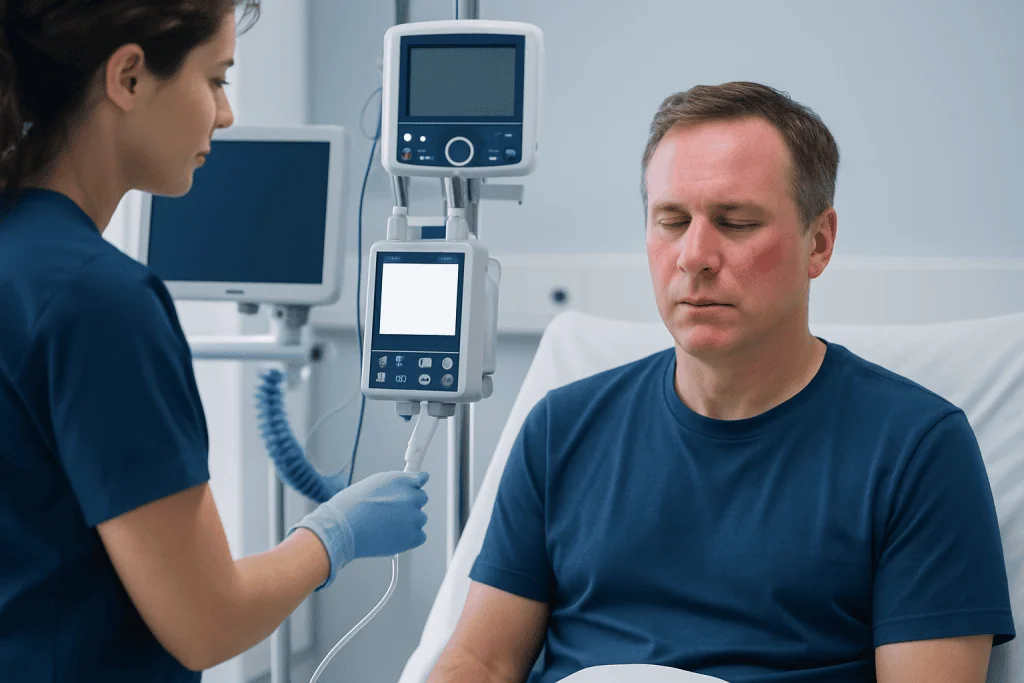
People describe flushing in different ways. Some notice a warm, burning, or tingling feeling before the redness appears. Others mainly see a change in color, especially after being in a hot room, drinking alcohol, or feeling anxious.
The redness may be mild and patchy or more obvious and widespread. In lighter skin tones, it may look pink or red. In darker skin tones, it may appear as warmth, a deepened skin tone, or less visible color change with a feeling of heat. The skin may also seem dry, sensitive, or slightly swollen depending on the cause.
Symptoms that can occur along with flushing include:
- Warmth of the face, ears, neck, or chest
- Sweating
- A pounding heartbeat or awareness of the heartbeat
- Itching or burning
- Headache
- Fever or chills
- Visible small blood vessels on the face
- Rash, hives, or swelling
When flushing becomes frequent, severe, or uncomfortable, it is worth discussing with a doctor. Ongoing facial redness may sometimes overlap with skin conditions such as rosacea.
Common causes and triggers of being flushed

Most flushing episodes are related to everyday triggers. Heat, hot showers, exercise, emotional stress, embarrassment, spicy foods, caffeine, and alcohol can all widen blood vessels and cause temporary redness. This is a normal physiologic response and usually settles once the trigger passes.
Hormonal changes are another common reason. Menopause is well known for hot flashes, which often cause sudden warmth, sweating, and flushing of the face and upper body. Some people also experience flushing during pregnancy or around menstruation due to hormone shifts.
Medical conditions can also cause flushing. Fever from infections, thyroid overactivity, migraine, and inflammatory skin disorders may all lead to redness and warmth. Skin-related causes such as sunburn, irritation, and rosacea may be especially important when the face is involved. If sweating, unexplained weight changes, or persistent palpitations occur together with flushing, a doctor may consider hormonal or endocrine causes such as hyperthyroidism.
Medicines can play a role as well. Flushing may happen with niacin, some blood pressure medicines, steroids, opioid pain medicines, and drugs that affect blood vessels. In some people, a supplement or over-the-counter product may be responsible. Less commonly, recurrent flushing can be linked to neuroendocrine or mast cell-related disorders, especially if diarrhea, wheezing, or repeated episodes occur without a clear trigger.
When flushing may signal something more serious
Flushing is not usually dangerous on its own, but the surrounding symptoms matter. A brief blush during stress is very different from sudden flushing with breathing difficulty, widespread hives, or collapse. Doctors pay attention to timing, severity, and what else is happening in the body.
Possible warning signs include fever that does not improve, severe headache, ongoing vomiting, confusion, chest pain, fainting, or a fast heartbeat that feels unusual. Swelling of the lips or tongue, wheezing, or trouble breathing can suggest a serious allergic reaction and require emergency care. A flushed face with very high blood pressure, severe pain, or neurologic symptoms also needs prompt evaluation.
Persistent flushing that keeps returning without an obvious reason deserves medical review, especially if it is associated with diarrhea, weight loss, night sweats, or skin changes. While uncommon, these patterns can sometimes point to conditions that need specialist testing and treatment.
How doctors diagnose the cause
Diagnosis begins with a careful history. A doctor will ask when the flushing started, how long it lasts, where it occurs, and what seems to trigger it. Helpful details include whether it follows alcohol, meals, stress, heat, exercise, medicines, or menstrual changes, and whether there are symptoms such as fever, rash, diarrhea, palpitations, or wheezing.
A physical examination can provide important clues. The doctor may look at the skin closely, check temperature and blood pressure, and listen to the heart and lungs. If facial redness is persistent, a dermatologist may help distinguish between flushing, chronic redness, and inflammatory skin conditions.
Tests are chosen based on the most likely cause. These may include blood tests for infection, thyroid function, hormone changes, blood sugar, or inflammation. In selected cases, doctors may use allergy assessment, skin evaluation, heart tests, or scans. If symptoms suggest a hormonal source or another internal condition, targeted imaging and specialist review may be advised. Depending on the findings, care may involve endocrinology evaluation or dermatology assessment.
Treatment options and day-to-day management
Treatment depends on the reason a person is flushed. If a trigger is clear and harmless, management may be as simple as avoiding overheating, limiting alcohol, reducing very spicy foods, and pacing strenuous activity in hot weather. Cooling the room, drinking water, and using breathable clothing can also help.
If a medicine is suspected, a doctor or pharmacist can review whether flushing may be a side effect. People should not stop prescribed medicines on their own, but adjustment or substitution may sometimes be possible. When hormones, infection, allergy, or a skin disorder are involved, treatment focuses on the underlying problem rather than the redness alone.
For facial flushing related to chronic skin sensitivity, gentle skin care is important. Fragrance-free cleansers, sunscreen, and avoiding harsh scrubs may reduce irritation. If persistent facial redness is linked to rosacea, a dermatologist may suggest prescription creams, oral medicines, or laser-based options. In selected cases, doctors may discuss laser treatment for visible facial vessels or redness.
If flushing is caused by a medical condition such as menopause, thyroid disease, or a neuroendocrine problem, symptom control usually improves when that condition is managed appropriately. Because the causes vary widely, individualized medical advice is the safest approach.
Self-care, prevention, and when to seek medical care
Keeping a symptom diary can be very helpful. Recording meals, drinks, stress levels, medicines, exercise, temperature exposure, and associated symptoms may reveal patterns that are easy to miss. This information can also make a medical appointment more productive.
General self-care measures include staying cool, managing stress, using sun protection, and choosing gentle skin products. People who notice flushing after alcohol, hot drinks, or spicy foods may benefit from reducing those triggers. If anxiety seems to play a role, relaxation techniques and regular sleep can help reduce episodes in some individuals.
Medical care should be sought promptly if flushing comes with trouble breathing, swelling of the face or throat, severe rash, fainting, chest pain, or confusion. A doctor should also evaluate frequent or unexplained flushing, flushing with fever, flushing that wakes someone from sleep, or persistent redness that does not improve. Acibadem International’s multidisciplinary specialists and JCI-accredited hospitals diagnose and treat conditions that may cause flushing for international patients.
Frequently asked questions
Is being flushed the same as having a fever?
No. Flushing means the skin becomes warm and red, but it does not always mean body temperature is elevated. A fever is a measured rise in body temperature, often caused by infection or inflammation.
Why does my face get flushed suddenly?
Sudden face flushing is often caused by heat, exercise, stress, embarrassment, spicy foods, or alcohol. It can also happen with menopause, some medicines, skin conditions, or less commonly with hormonal and allergic disorders.
Can anxiety make someone flushed?
Yes. Anxiety and emotional stress can trigger the body's fight-or-flight response, which may widen blood vessels and cause warmth and redness. This type of flushing is common and often short-lived.
When should flushing be checked by a doctor?
A doctor should assess flushing that is frequent, unexplained, worsening, or associated with symptoms such as fever, diarrhea, wheezing, palpitations, or weight loss. Emergency care is needed if flushing occurs with trouble breathing, swelling, chest pain, fainting, or severe rash.
Can medications cause flushing?
Yes. Some prescription medicines, vitamins, and supplements can cause flushing as a side effect. A doctor or pharmacist can help review whether a medicine may be contributing and whether an alternative is appropriate.
Does flushed skin always mean rosacea?
No. Rosacea is one possible cause of recurrent facial flushing, but many other triggers and medical conditions can do the same. The timing, pattern, and associated symptoms help distinguish rosacea from other causes.
References
- American Academy of Dermatology
- Cleveland Clinic
- Mayo Clinic
- National Health Service
- Merck Manual Consumer Version
This article is for general information only and is not a substitute for professional medical advice. Please consult a qualified doctor about your individual situation.
Explore treatments in Turkey — costs, top hospitals & a free quote
JCI-accredited · board-certified surgeons · reply within 24h
Add us as a Preferred Source to see more of our trusted health content across Google Search, AI Overviews and Discover.
Check your numbers in seconds
BMI, calories, due date, blood pressure and 30+ more clinical calculators — free, instant, doctor-reviewed ranges.

More from the Health Library

Y 2.0 — Explained by Medical Evidence, Not Myths

Depersonalization — Explained by Medical Evidence, Not Myths

Linea Alba: What Patients Need to Know

Vocal Nodules — Explained by Medical Evidence, Not Myths

Systole: A Complete Medical Overview

Leave in Conditioner: A Complete Medical Overview
Infectious Diseases & Clinical Microbiology Specialists at Acibadem

Prof. Dr. A. Çağrı Büke
Infectious Diseases & Clinical Microbiology
Dr. Ahmad Nejat Ghaffarı
Infectious Diseases & Clinical Microbiology
Assoc. Prof. Dr. Aslıhan Demirel
Infectious Diseases & Clinical Microbiology
Dr. Aytan Seydalıyeva
Infectious Diseases & Clinical Microbiology