Foamy Poop: A Complete Medical Overview

Foamy poop is a description, not a diagnosis, and it can have several different causes. Short-lived episodes are often related to diet changes, swallowed air, or mild digestive upset.
Key Takeaways
- Foamy poop is a description, not a diagnosis, and it can have several different causes.
- Short-lived episodes are often related to diet changes, swallowed air, or mild digestive upset.
- Persistent foamy stool may suggest infection, malabsorption, or an intestinal condition that needs medical assessment.
- Warning signs include weight loss, severe abdominal pain, dehydration, blood in stool, fever, or ongoing diarrhea.
- Doctors diagnose the cause by reviewing symptoms, diet, medicines, and sometimes ordering stool tests, blood tests, or imaging.
Foamy poop usually means stool contains extra gas, mucus, or poorly absorbed fat, and in many cases it is temporary. If it lasts, happens often, or comes with pain, weight loss, diarrhea, fever, or blood, a medical evaluation is important.
Overview: What foamy poop can mean
Foamy poop refers to stool that looks bubbly, frothy, or filled with small air pockets. In simple terms, this appearance often happens when gas mixes with stool, but it can also occur when mucus, irritation, or unabsorbed fat changes the texture. A single episode is not always a sign of disease, especially if it follows a dietary change or a brief stomach upset.
The appearance of stool can vary from day to day based on what a person eats, how quickly food moves through the intestines, and whether the digestive tract is irritated. Foamy stool may look pale, greasy, loose, or unusually light in some cases, while in others it simply appears bubbly and soft. Looking at the whole picture is important, including bowel habits, pain, bloating, appetite, and general health.
Doctors do not diagnose a condition based on stool appearance alone. Instead, foamy poop is treated as a clue that may point toward excess gas, temporary digestive disturbance, infection, food intolerance, or problems with breaking down and absorbing nutrients. If it keeps happening or is accompanied by other symptoms, further evaluation can help identify the cause and guide treatment.
What symptoms may occur with foamy stool
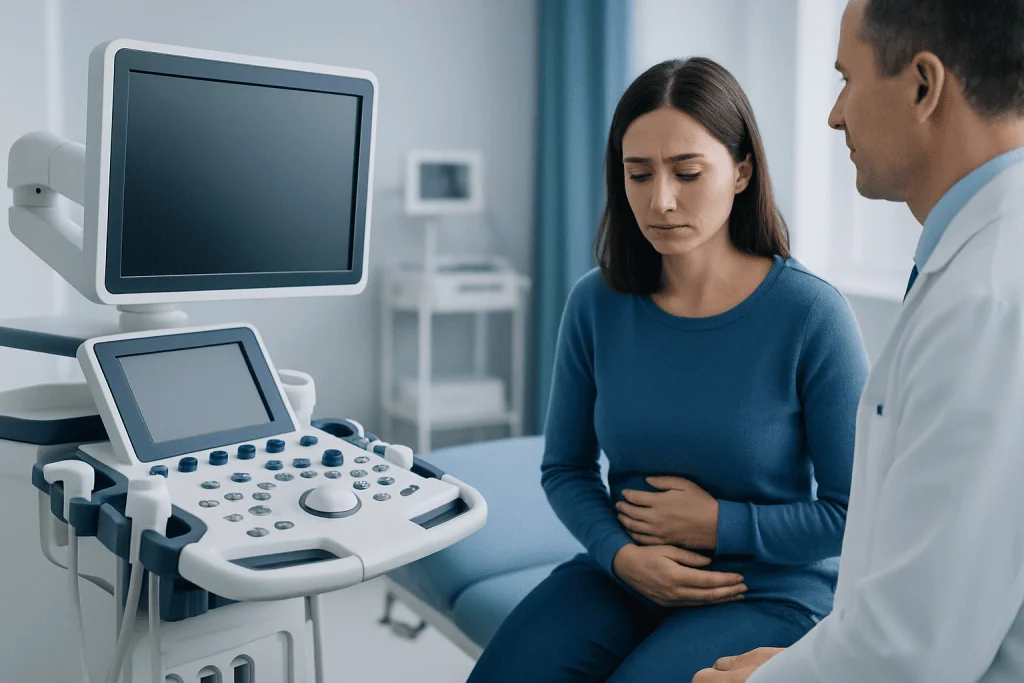
Foamy poop can occur on its own, but it is often accompanied by other digestive symptoms that help narrow down the cause. Some people notice bloating, frequent gas, cramping, urgency to use the bathroom, or a change in stool consistency. Others may have diarrhea, pale stool, a greasy film in the toilet bowl, or stool that is difficult to flush.
When malabsorption is involved, the body may not take in fats or other nutrients normally. This can lead to ongoing loose stools, fatigue, unintentional weight loss, reduced appetite, or signs of vitamin deficiency over time. Infections may bring fever, nausea, vomiting, or a sudden increase in diarrhea.
Symptoms that need closer attention include blood in the stool, black stool, persistent abdominal pain, repeated vomiting, dehydration, nighttime diarrhea, or unexplained weight loss. These features do not always mean a serious condition, but they do increase the need for timely medical assessment.
- Bloating or excess gas
- Loose stools or diarrhea
- Greasy, pale, or foul-smelling stool
- Abdominal pain or cramping
- Urgency after meals
- Weight loss or fatigue if symptoms continue
Common causes and risk factors

One common explanation for foamy poop is extra gas in the digestive tract. Gas can increase after eating quickly, drinking carbonated beverages, chewing gum, or eating foods that ferment easily in the intestine. Mild viral gastroenteritis or temporary changes in the gut microbiome can also make stool look frothy for a short time.
Food intolerances are another possible cause. Lactose intolerance, fructose malabsorption, or sensitivity to certain carbohydrates can trigger fermentation, gas, bloating, and bubbly stool. Some people notice symptoms after dairy products, sugary drinks, highly processed foods, or very fatty meals. If symptoms are reproducible after specific foods, a clinician may consider a structured elimination approach.
Foamy stool can also happen when fat is not properly digested or absorbed. This is sometimes called steatorrhea. Conditions affecting the pancreas, liver, gallbladder, or small intestine may interfere with digestion. Examples include celiac disease, bile flow problems, chronic pancreatitis, or other causes of malabsorption. Inflammatory bowel problems such as Crohn's disease may also change stool appearance, especially when diarrhea and weight loss are present.
Risk factors depend on the underlying cause but may include recent travel, untreated food intolerance, a history of gastrointestinal disease, recent antibiotic use, pancreatic or gallbladder problems, and a family history of digestive disorders. Certain infections, including parasites, can also lead to foamy or greasy stools, particularly if symptoms begin suddenly or after exposure to contaminated food or water.
How doctors diagnose the cause
Evaluation usually starts with a detailed history. A doctor will ask how long the foamy poop has been happening, whether it is occasional or frequent, and what other symptoms are present. Questions often cover recent travel, diet, new medications, alcohol intake, antibiotic use, weight changes, bowel habits, and any known digestive conditions.
A physical examination may help identify dehydration, abdominal tenderness, bloating, or signs of nutritional deficiency. If symptoms are mild and short-lived, testing may not be needed right away. However, persistent or recurrent cases often require a closer look to rule out infection, inflammation, or malabsorption.
Depending on the situation, tests may include stool analysis for infection or fat content, blood tests to check inflammation and nutrient levels, and tests for conditions such as gluten-related disease. Some patients may need imaging or endoscopic evaluation, especially when symptoms suggest deeper intestinal or pancreatic causes. In selected cases, a doctor may recommend investigations such as colonoscopy or upper endoscopy to look directly at the digestive tract and collect tissue samples if needed.
Treatment options for foamy poop
Treatment depends entirely on the cause. If foamy poop is linked to a temporary stomach bug, mild dietary irritation, or excess gas, symptoms often improve with time, hydration, and gentle food choices. A doctor may advise avoiding trigger foods for a short period, eating smaller meals, and allowing the gut to recover.
If food intolerance is suspected, the most helpful treatment is usually targeted dietary adjustment. For example, reducing lactose or other poorly tolerated foods may improve gas, bloating, and stool changes. When tests confirm a condition such as gluten-related celiac disease, careful long-term dietary treatment is necessary.
Infections may require supportive care alone or, in some cases, specific medication depending on the organism involved. Conditions that affect digestion of fat, including pancreatic or bile-related disorders, may need specialist care and condition-specific treatment. If inflammation, chronic diarrhea, or structural disease is suspected, a gastroenterologist may recommend further procedures such as ERCP when bile duct or pancreatic duct problems are part of the evaluation.
Self-treatment should stay general and safe. It is best not to start restrictive diets, supplements, or over-the-counter medicines for long periods without medical advice, because doing so can hide important symptoms or delay diagnosis of an underlying problem.
Prevention and self-care at home
Not every cause of foamy poop can be prevented, but some practical habits may reduce digestive irritation. Eating slowly, chewing well, and limiting excess carbonated drinks can decrease swallowed air and intestinal gas. Many people also benefit from paying attention to how specific foods affect their symptoms rather than making broad restrictions immediately.
Staying well hydrated is important, especially if stool is loose. During short episodes of digestive upset, bland and easy-to-digest foods may be better tolerated. Keeping a simple symptom diary can be useful when symptoms are recurring. Recording foods, timing, bowel changes, stress, and associated symptoms can help a doctor identify patterns.
Good food hygiene can lower the risk of infectious diarrhea. This includes safe food storage, proper cooking, and careful handwashing, especially after travel or shared meals. If a person already has a diagnosed digestive condition, following the care plan and attending follow-up visits can help prevent flare-ups and complications.
For international patients who need further assessment, Acibadem International’s multidisciplinary specialists in JCI-accredited hospitals evaluate digestive symptoms and provide treatment plans based on the underlying diagnosis.
When to seek medical care
Medical care is recommended if foamy poop lasts more than a few days, keeps returning, or is clearly associated with diarrhea, abdominal pain, bloating, or food-related symptoms. Ongoing changes in stool can be a sign that the digestive system is not processing or absorbing food normally.
Urgent evaluation is more important when there is blood in the stool, black stool, high fever, severe abdominal pain, repeated vomiting, fainting, or signs of dehydration such as dizziness, dry mouth, or very low urine output. Babies, older adults, pregnant people, and anyone with a weakened immune system should seek help sooner if gastrointestinal symptoms are significant.
If symptoms are accompanied by weight loss, fatigue, pale greasy stool, or long-standing diarrhea, a doctor may need to check for malabsorption, inflammation, or pancreatic and biliary problems. Early assessment can often clarify whether the cause is temporary and manageable or whether specialist care is needed.
Frequently asked questions
Is foamy poop always a sign of disease?
No. Foamy poop can happen temporarily because of gas, mild digestive upset, or recent dietary changes. If it is short-lived and there are no other symptoms, it may not indicate a serious problem.
Can certain foods cause foamy poop?
Yes. Dairy, very fatty meals, carbonated drinks, and foods that are poorly tolerated can increase gas or interfere with digestion in some people. If the same foods repeatedly trigger symptoms, a doctor or dietitian can help assess intolerance or malabsorption.
What is the difference between foamy poop and fatty stool?
Foamy poop usually describes a bubbly or frothy appearance, while fatty stool often looks greasy, pale, bulky, and difficult to flush. They can overlap, especially when fat malabsorption causes extra gas and changes in stool texture.
Should a person worry if foamy poop happens once?
A single episode is usually less concerning, especially after a brief stomach upset or an unusual meal. Concern is higher when the symptom persists, comes back often, or appears with pain, diarrhea, fever, blood, or weight loss.
How do doctors test for the cause of foamy poop?
Doctors usually begin with questions about symptoms, diet, medicines, and recent travel or illness. If needed, they may order stool tests, blood tests, imaging, or endoscopic procedures to look for infection, inflammation, or malabsorption.
Can stress cause foamy stool?
Stress can affect the gut and may contribute to bloating, faster bowel movements, and changes in stool consistency. However, persistent foamy stool should not be explained by stress alone without considering other digestive causes.
References
- National Institute of Diabetes and Digestive and Kidney Diseases
- American College of Gastroenterology
- Mayo Clinic
- National Health Service
- Merck Manual Consumer Version
This article is for general information only and is not a substitute for professional medical advice. Please consult a qualified doctor about your individual situation.
Medical weight-loss options in Turkey — costs & eligibility
JCI-accredited · board-certified surgeons · reply within 24h
Add us as a Preferred Source to see more of our trusted health content across Google Search, AI Overviews and Discover.