Fungal Infection on Face: Diagnosis, Outlook, and Modern Treatment Approaches

A fungal infection on face often causes a scaly, itchy, red rash and may form ring-like patches. Facial fungal infections are commonly mistaken for eczema, acne, rosacea, or allergic skin reactions.
Key Takeaways
- A fungal infection on face often causes a scaly, itchy, red rash and may form ring-like patches.
- Facial fungal infections are commonly mistaken for eczema, acne, rosacea, or allergic skin reactions.
- Diagnosis may involve a skin examination and sometimes a skin scraping or fungal culture.
- Most cases improve with antifungal creams, while more extensive or stubborn infections may need oral treatment.
- Steroid creams can worsen some fungal infections by masking symptoms without treating the cause.
- Medical review is important if the rash spreads, affects the eyes, or does not improve with appropriate care.
A fungal infection on face is usually a treatable skin infection that can cause redness, scaling, itching, or ring-shaped patches. Proper diagnosis matters because facial fungal rashes can look similar to eczema, dermatitis, acne, or other skin conditions, and treatment depends on the cause.
Overview: What a Fungal Infection on Face Means
A fungal infection on face is a skin infection caused by microscopic fungi, most often dermatophytes or yeasts. It commonly appears as a red, scaly, itchy rash and may affect the cheeks, forehead, around the nose, beard area, or jawline. In many cases, it is treatable and not dangerous, but it can be uncomfortable and persistent if it is not recognized correctly.
The medical term tinea faciei is often used when ringworm affects facial skin that is not covered by the beard. In the beard area, fungal infection may be referred to as tinea barbae. Yeast-related conditions can also affect the face, especially in oily areas or in skin folds, and may overlap with seborrheic dermatitis or other inflammatory skin disorders.
One reason facial fungal infections can be frustrating is that they often resemble other conditions. They may be confused with eczema, contact dermatitis, lupus-related rashes, acne, or rosacea. Because the face is visible and the skin is delicate, people may try multiple creams before getting the right diagnosis, which can delay improvement.
How It Can Look and Feel
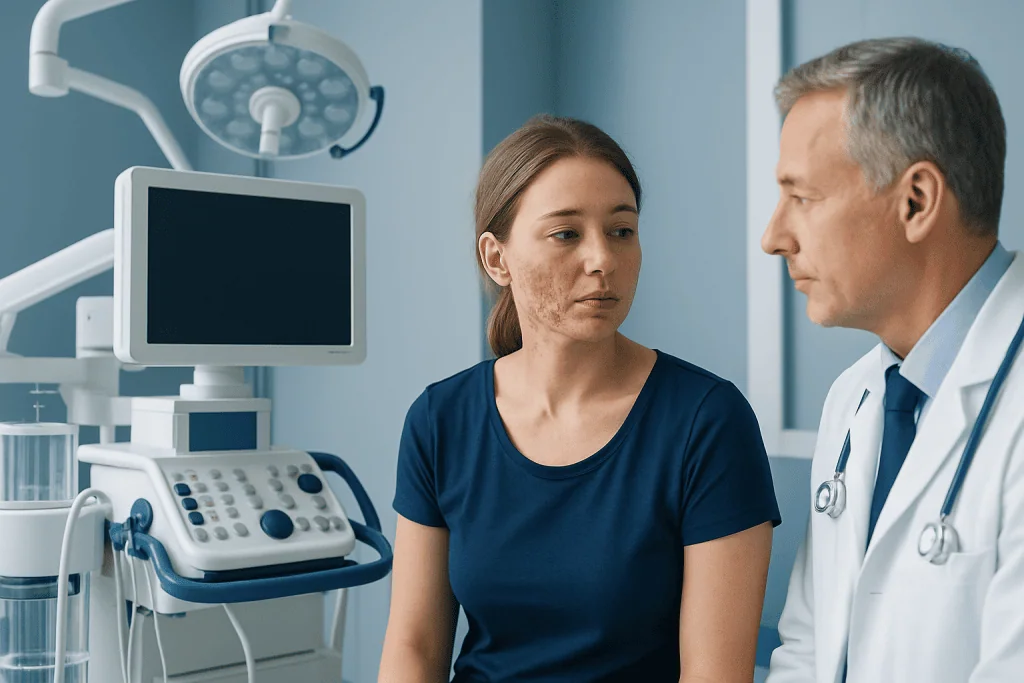
Symptoms vary depending on the type of fungus, the exact area involved, and the person’s skin type. A fungal rash on the face may begin as a small patch and slowly enlarge. It can have a raised or more active border, with central clearing that creates a ring-like appearance, although this classic pattern is not always present.
Common features include itching, dryness, flaking, mild burning, or a rough texture. The rash may look pink, red, brown, or slightly lighter than the surrounding skin. On darker skin tones, redness may be less obvious, and scaling or changes in pigmentation may be more noticeable.
In the beard area, symptoms can include bumps around hair follicles, tenderness, crusting, or broken hairs. Yeast-related facial rashes may be greasier and concentrate around the nose, eyebrows, hairline, or ears. Some fungal infections become less clearly defined after the use of steroid creams, making them harder to identify.
- Scaly or flaky patches
- Itching or mild stinging
- Ring-shaped lesions or enlarging patches
- Dryness or roughness
- Discoloration after the rash improves
- Follicle-based bumps in beard-bearing skin
Causes and Risk Factors

Fungi thrive in warm, moist environments and can spread through direct skin contact, shared towels, makeup tools, razors, sports equipment, or contact with infected animals. A facial infection may also develop after touching another infected body area, such as athlete’s foot, and then touching the face. In some people, overgrowth of normal skin yeast contributes to symptoms, especially in oily areas.
Several factors can make a fungal infection on face more likely. These include sweating, hot climates, close contact sports, shaving-related skin irritation, oily skin, and wearing masks or helmets for long periods. Recent antibiotic use, a weakened immune system, or chronic medical conditions may also increase susceptibility.
Using topical steroid creams without a confirmed diagnosis is another common risk. Steroids may reduce redness temporarily but can allow the fungus to spread more deeply or become less typical in appearance. This is sometimes called steroid-modified tinea. People with recurrent fungal infections elsewhere on the body may also be more prone to facial involvement, including athlete's foot spreading by hand contact.
Why Facial Fungal Infections Are Often Misdiagnosed
Facial skin problems are common, and many share similar symptoms such as redness, scaling, itching, and sensitivity. Because of this overlap, a fungal infection may be mistaken for eczema, perioral dermatitis, psoriasis, lupus rash, acne, impetigo, or irritation from cosmetics and skincare products. The diagnosis becomes more difficult if the rash is partially treated before a medical examination.
Unlike some body rashes, fungal infections on the face may not always show a perfect ring shape. Sun exposure, skin tone, shaving, and prior creams can change the appearance. On the face, lesions can be flatter, less sharply bordered, and more patchy than ringworm on the trunk or limbs.
This is why self-diagnosis can be unreliable. A treatment that helps eczema, for example, may worsen a fungal infection. On the other hand, repeatedly using antifungal products for a rash that is not fungal can delay proper care. A clinician trained in skin disease can often narrow the diagnosis quickly and decide whether testing is needed.
How Doctors Diagnose It
Diagnosis starts with a careful history and skin examination. A doctor will ask when the rash started, whether it itches, whether it has spread, whether there is contact with pets or other infected people, and what creams or medicines have already been used. They may also examine the scalp, feet, nails, and body for related fungal infection.
When the appearance is typical, a doctor may diagnose the condition clinically. If the rash is unusual, persistent, or recurrent, testing can help confirm the cause. A skin scraping examined under a microscope with potassium hydroxide can reveal fungal elements. In some cases, a fungal culture is sent to identify the organism more precisely.
Additional tests are occasionally considered if the diagnosis remains uncertain, especially when autoimmune conditions, bacterial infection, or inflammatory skin disorders are possible. In specialist settings, dermatology assessment may be useful for difficult cases. Diagnostic support may include dermatology consultation and, when needed, skin biopsy to clarify uncommon presentations.
Modern Treatment Approaches and Outlook
Treatment depends on the type, extent, and severity of the fungal infection. Many mild facial fungal infections respond to topical antifungal creams prescribed or recommended by a doctor. These treatments target the fungus directly and are usually continued for the full recommended period, even if the rash begins to improve earlier.
If the infection is widespread, involves hair follicles or the beard area, keeps coming back, or does not improve with topical therapy, oral antifungal medicine may be recommended. This decision is based on the likely organism, medical history, possible drug interactions, and the need for closer monitoring. When another skin condition is also present, treatment may need to address both problems carefully.
Outlook is generally good when the diagnosis is accurate and treatment is completed as directed. Some people notice temporary color changes after the rash settles, especially if there has been inflammation or scratching. In more complex cases, facial rash assessment may involve coordinated skin care and follow-up through services such as dermatology treatment. If symptoms remain unclear despite therapy, doctors may reassess for other conditions, including eczema.
Near the end of the care pathway, some patients may benefit from specialist review for persistent, recurrent, or diagnostically difficult cases. Acibadem International’s multidisciplinary specialists and JCI-accredited hospitals diagnose and treat skin conditions, including facial fungal infections, for international patients.
Self-Care, Prevention, and Daily Skin Habits
Prevention and self-care focus on reducing moisture, avoiding spread, and protecting the skin barrier. The face should be cleansed gently and dried without rubbing. Shared towels, pillowcases, razors, hats, and makeup brushes should be avoided until the infection is treated. If there is a fungal infection on another body site, that should also be addressed to reduce re-infection.
People who shave should use clean equipment and avoid shaving over inflamed skin if it worsens irritation. Athletes and those who sweat heavily may need to wash promptly after exercise and keep sports gear clean. If pets have areas of hair loss or skin scaling, veterinary assessment may be appropriate because some animal fungal infections can spread to humans.
It is best not to apply steroid creams to an undiagnosed facial rash unless a doctor has advised it. Heavy, occlusive cosmetics or skin products may also aggravate some rashes. Supportive habits include:
- Keeping the skin clean and dry
- Not sharing personal items
- Washing hands after touching other infected areas
- Cleaning makeup tools and shaving equipment regularly
- Seeking medical advice if a rash changes, spreads, or keeps returning
When to Seek Medical Care
Medical care is important if a facial rash is new, spreading, painful, or not improving with appropriate over-the-counter treatment. A doctor should also assess rashes near the eyes, on the eyelids, or in the beard area, where diagnosis and treatment may be more complex. Recurring rashes deserve evaluation because the source may be another body site, an infected pet, or a different skin disorder entirely.
Urgent medical review is advisable if there is marked swelling, pus, fever, severe pain, or rapid worsening, as these features may suggest bacterial infection or another problem rather than a simple fungal rash. People with diabetes, immune suppression, or recent organ transplantation should seek earlier assessment because infections may behave differently.
Any person unsure whether the rash is fungal should avoid repeated self-treatment and arrange a clinical examination. Early diagnosis can shorten symptoms, reduce unnecessary products, and help protect the sensitive skin of the face.
Frequently asked questions
What does a fungal infection on face usually look like?
It often appears as a red or discolored scaly patch that may itch and slowly enlarge over time. Some cases form a ring-like border with clearer skin in the center, but facial fungal infections do not always have this classic shape.
Can a fungal infection on face go away on its own?
Some mild cases may improve, but many persist or spread without proper treatment. Because facial rashes can have many causes, it is safer to have ongoing or unclear symptoms checked by a doctor.
Is a fungal infection on face contagious?
Yes, some facial fungal infections can spread through direct skin contact or shared items such as towels, razors, hats, or makeup tools. Good hygiene and avoiding shared personal items can reduce the risk of transmission.
Can steroid cream make a facial fungal infection worse?
Yes. Steroid creams may temporarily reduce redness or itching, but they do not treat the fungus and can change the rash's appearance. This may allow the infection to spread and become harder to diagnose.
How long does treatment usually take?
The timeline depends on the type and severity of infection. Many mild cases improve within a few weeks of correct treatment, but it is important to complete the full course recommended by a doctor to lower the chance of recurrence.
When should someone see a doctor for a fungal rash on the face?
A doctor should assess the rash if it is spreading, recurrent, close to the eyes, painful, or not improving with appropriate treatment. Medical advice is also important for people with weakened immunity or uncertain diagnosis.
References
- American Academy of Dermatology
- Centers for Disease Control and Prevention
- National Health Service
- Mayo Clinic
- Merck Manual Consumer Version
This article is for general information only and is not a substitute for professional medical advice. Please consult a qualified doctor about your individual situation.
Explore treatments in Turkey — costs, top hospitals & a free quote
JCI-accredited · board-certified surgeons · reply within 24h
Add us as a Preferred Source to see more of our trusted health content across Google Search, AI Overviews and Discover.

More from the Health Library



Related Specialists
Dr. Utku Alemdaroğlu
Cardiovascular Surgery
Prof. Dr. Serap Gençer
Infectious Diseases & Clinical Microbiology
Dr. Fuzulî Tuğrul
Radiation Oncology
Dr. Nevin Sarıgüzel
Infectious Diseases & Clinical Microbiology