

Gastric Balloon: How a Non-Surgical Weight Loss Option Works

A gastric balloon is placed in the stomach without surgery and is used to support weight loss. It works mainly by creating fullness earlier, which can help reduce portion sizes and calorie intake.
Key Takeaways
- A gastric balloon is placed in the stomach without surgery and is used to support weight loss.
- It works mainly by creating fullness earlier, which can help reduce portion sizes and calorie intake.
- The treatment is temporary and is most effective when paired with lifestyle changes and clinical follow-up.
- Not everyone is a candidate; a doctor should review medical history, goals, and suitability.
- Mild nausea or discomfort can occur at first, and most people improve as they adjust.
- Long-term success depends on maintaining habits after the balloon is removed.
A gastric balloon is a temporary, non-surgical weight loss option that helps people feel full sooner and supports healthier eating habits. It is usually part of a broader medical plan that includes nutrition, activity, and follow-up care.
Overview
A gastric balloon is a non-surgical weight loss treatment designed to help a person feel full sooner during meals. It is placed in the stomach and filled with saline or gas, creating extra space occupancy so that smaller meals are often enough.
This option is usually considered for people who have been unable to lose enough weight with diet and exercise alone and who want a reversible procedure. It is one of several approaches in the field of stomach reduction without surgery and may be discussed alongside other medical and surgical options depending on body mass index, health conditions, and treatment goals.
Because obesity is a complex, chronic condition, a gastric balloon is best viewed as a tool rather than a complete solution. Lasting results usually depend on learning eating patterns, improving activity, and attending regular follow-up visits with a qualified care team.
How a Gastric Balloon Works
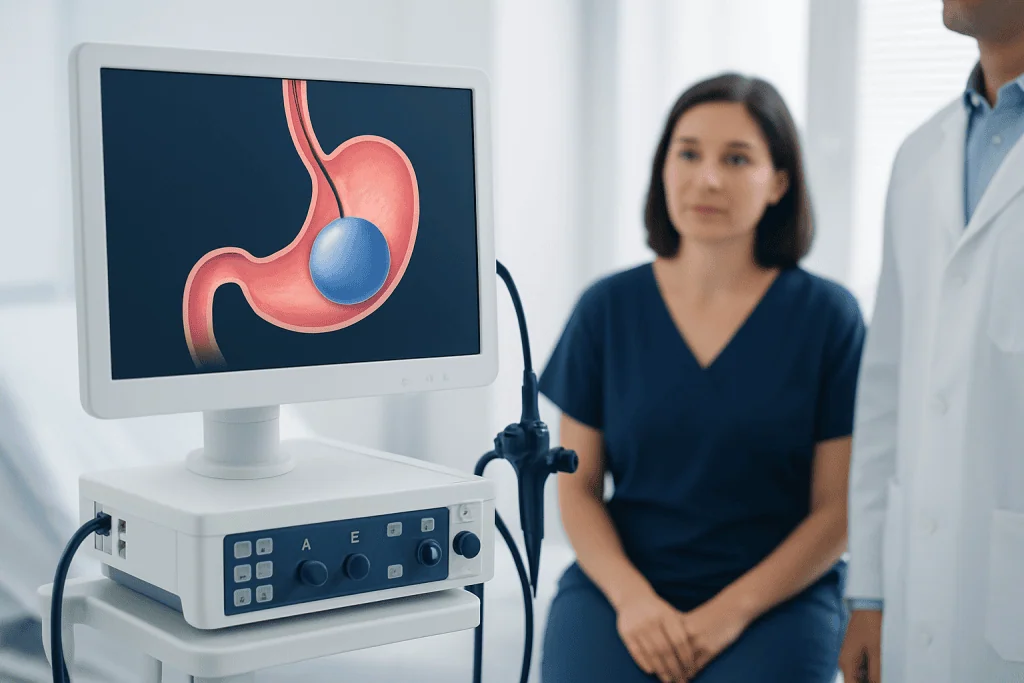
The balloon takes up space inside the stomach, which can lead to earlier satiety, or the sensation of being comfortably full. This often helps reduce meal size and snacking between meals, especially when the person follows a structured nutrition plan.
Some people also find that the balloon helps them slow down eating and become more aware of hunger and fullness cues. In that sense, it can act as a reset period while new habits are built with guidance from dietitians, physicians, and sometimes psychologists.
The balloon does not directly remove fat or change metabolism in the same way as some other weight loss treatments. Its benefit comes from helping people eat less consistently over time, which may support gradual weight loss when the rest of the plan is in place.
Symptoms and What to Expect After Placement

Most people do not have “symptoms” from obesity itself that point specifically to a gastric balloon, but they may notice the effects of treatment soon after placement. Early fullness, reduced appetite, and smaller meal tolerance are common and expected.
During the first days, some people experience nausea, vomiting, stomach pressure, bloating, or cramping as the body adjusts to the balloon. These effects are often temporary and can be managed with the care team’s instructions, hydration guidance, and a gradual return to eating.
As recovery continues, the goal is to become comfortable with smaller meals and more mindful eating. A follow-up schedule is important because the team can help track tolerance, address side effects, and adjust the plan if needed.
Causes & Risk Factors
A gastric balloon is not used because of a single cause, but because a person needs help managing excess weight in a safer, structured way. It may be considered when weight-related health concerns are present and a less invasive option is preferred.
Factors that may make someone more likely to discuss this treatment include a body mass index in an appropriate range for balloon therapy, difficulty losing weight with lifestyle changes alone, and the need for a temporary weight loss aid. It may also be considered when a person is not ready for or does not qualify for a surgical procedure such as gastric sleeve surgery or gastric bypass.
However, certain medical conditions, prior stomach surgery, active digestive disease, pregnancy, or other concerns may make the treatment less suitable. A careful assessment helps ensure the chosen approach matches the person’s overall health profile.
Diagnosis and Evaluation Before Treatment
Before recommending a gastric balloon, a doctor usually reviews medical history, current medications, weight history, eating patterns, and any prior weight loss attempts. This helps identify whether the person is likely to benefit and whether the treatment is safe.
Evaluation may include a physical examination and sometimes tests to check for reflux, ulcers, hernia, or other digestive concerns. The team may also discuss mental health, motivation, and readiness to follow a nutrition and activity plan, since these factors strongly affect outcomes.
This visit is also the time to compare options. For some people, a balloon is the right first step; for others, a more durable treatment such as bariatric surgery or a different medical program may be more appropriate.
Treatment Options and Follow-Up Care
A gastric balloon is placed through the mouth using an endoscopic technique in many cases, so no surgical incision is needed. After placement, the balloon is filled and monitored according to the product and care protocol, and the person usually goes home the same day or after a short observation period.
After placement, the treatment plan typically includes anti-nausea support if needed, stepwise dietary progression, hydration goals, and scheduled check-ins. Nutrition counseling is especially important because the balloon works best when it is paired with practical meal planning and behavior change.
The balloon is temporary and is removed after a planned period. Before and after removal, many clinics continue coaching so the person can keep the habits learned during treatment and reduce the chance of regaining weight once the balloon is gone.
Prevention & Self-care
Self-care during gastric balloon treatment focuses on safety, comfort, and building sustainable habits. Small, frequent meals; slow eating; and careful chewing may help reduce discomfort and improve tolerance.
Staying hydrated is important, but many people are advised to avoid drinking large amounts with meals so they can better notice fullness. Following the prescribed diet progression is also essential, because choosing textures too quickly can cause nausea or pain.
- Attend all follow-up appointments.
- Report persistent vomiting, severe pain, or inability to keep fluids down.
- Work with a dietitian to build balanced meals.
- Use gentle, regular physical activity as approved by the doctor.
- Focus on long-term habits rather than short-term restriction.
People considering any weight loss treatment can also benefit from addressing sleep, stress, and emotional eating patterns. These lifestyle factors often influence both treatment comfort and long-term weight control.
When to See a Doctor
A doctor should be consulted before starting a gastric balloon program to confirm that it is appropriate and safe. Medical review is especially important for anyone with reflux, prior abdominal surgery, frequent vomiting, or other digestive symptoms.
After placement, the care team should be contacted if symptoms do not improve, if dehydration is a concern, or if the person cannot follow the diet plan. Prompt advice can help prevent complications and keep recovery on track.
Anyone who is exploring weight loss options and wants a supervised, non-surgical pathway may also discuss the procedure with a bariatric specialist. At Acibadem International, multidisciplinary specialists in JCI-accredited hospitals diagnose and treat this condition for international patients, with care plans tailored to individual needs.
Frequently Asked Questions
How much weight can a person lose with a gastric balloon?
Weight loss varies widely and depends on the person’s starting weight, eating habits, activity level, and follow-up care. The balloon is most effective when it is part of a structured medical program rather than a stand-alone procedure.
Is the gastric balloon painful?
The placement itself is usually done with sedation or anesthesia-related care, so discomfort is limited during the procedure. After placement, temporary nausea, bloating, or cramping can happen, especially in the first few days, but many people improve as they adjust.
How long does a gastric balloon stay in place?
It is temporary and removed after a planned treatment period set by the care team and the type of balloon used. The exact timing should always be confirmed with the treating doctor.
Can weight come back after the balloon is removed?
Yes, weight regain can happen if healthy habits are not maintained. For that reason, nutrition counseling, physical activity, and ongoing support are important both during and after treatment.
Who is not a good candidate for a gastric balloon?
People with certain stomach or esophageal conditions, prior surgeries, active ulcers, pregnancy, or other medical concerns may not be suitable candidates. A doctor will review the full medical history to decide whether another treatment is safer.
Is a gastric balloon the same as bariatric surgery?
No, it is a non-surgical and reversible treatment, while bariatric surgery changes the stomach and/or intestines more permanently. Some people use a balloon as a first step, while others are better served by a surgical approach or a different medical plan.
Frequently asked questions
How does a gastric balloon help with weight loss?
It helps by taking up space in the stomach, which can make a person feel full sooner and eat smaller portions. The best results usually come when the balloon is combined with nutrition counseling and regular follow-up.
Is the gastric balloon permanent?
No, it is a temporary treatment. It is placed for a planned period and then removed, with the goal of helping the person build habits that last beyond the device.
What side effects are common after placement?
Temporary nausea, bloating, cramping, and vomiting can occur, especially early on. These effects often improve as the body adjusts, but persistent or severe symptoms should be discussed with a doctor.
Can anyone choose a gastric balloon instead of surgery?
Not always. Suitability depends on medical history, weight goals, digestive health, and other factors, so a specialist should determine the safest option.
What happens after the balloon is removed?
The person usually continues lifestyle support to help maintain progress and prevent regain. Ongoing nutrition, activity, and behavior strategies are important after removal.
Why is follow-up care important?
Follow-up care helps manage side effects, monitor progress, and reinforce healthy habits. It also allows the team to adjust the plan if the person is not tolerating the balloon well.
References
- World Health Organization
- National Institute of Diabetes and Digestive and Kidney Diseases
- American Society for Metabolic and Bariatric Surgery
- Mayo Clinic
This article is for general information only and is not a substitute for professional medical advice. Please consult a qualified doctor about your individual situation.
Gastric Balloon in Turkey — costs, top hospitals & a free quote
JCI-accredited · board-certified surgeons · reply within 24h
Add us as a Preferred Source to see more of our trusted health content across Google Search, AI Overviews and Discover.
Check your numbers in seconds
BMI, calories, due date, blood pressure and 30+ more clinical calculators — free, instant, doctor-reviewed ranges.

Bariatric & Metabolic Surgery
Surgical and endoscopic treatments for obesity and metabolic conditions.
Related Treatments
Related Conditions
More from the Health Library



Related Specialists
Prof. Dr. Tayfun Karahasanoğlu
General Surgery
Prof. Dr. Güralp Onur Ceyhan
General Surgery
Prof. Dr. Volkan Özben
General Surgery
Assoc. Prof. Dr. Halil Kara
General Surgery