Gastric balloon Recovery: Week-by-Week Timeline

Nausea, stomach cramping, reflux and tiredness are common in the first few days after gastric balloon placement and usually improve with prescribed medicines and hydration. Food intake progresses in stages, commonly from clear fluids to liquids, soft foods and then balanced solid meals under the bariatric team’s guidance.
Key Takeaways
- Nausea, stomach cramping, reflux and tiredness are common in the first few days after gastric balloon placement and usually improve with prescribed medicines and hydration.
- Food intake progresses in stages, commonly from clear fluids to liquids, soft foods and then balanced solid meals under the bariatric team’s guidance.
- Many people return to light daily activities within 24 to 72 hours; timing for work and exercise depends on symptoms, job demands and medical advice.
- A gastric balloon is temporary and works best when paired with nutrition, physical activity and behaviour-change support.
- Persistent vomiting, inability to keep fluids down, severe abdominal pain, fever, chest pain or breathing difficulty needs prompt medical assessment.
Gastric balloon recovery usually involves the most noticeable symptoms during the first several days, followed by a gradual transition from liquids to regular healthy foods over one to two weeks. Most people can return to desk-based work within a few days, while exercise is resumed progressively as nausea, cramping and energy levels improve.
Gastric balloon recovery at a glance
Gastric balloon recovery is usually quickest after the first few days, although the adjustment period can last one to two weeks. During this time, the stomach adapts to the balloon, and a person gradually moves from fluids to soft foods and then nourishing solid meals according to their clinical plan.
The first 24 to 72 hours are often the most uncomfortable. Nausea, retching, stomach cramps, bloating and reflux can occur because the balloon occupies space in the stomach. These symptoms are expected for many patients and are commonly managed with medicines prescribed by the treating team, small frequent sips of fluid and rest.
Recovery is individual. The type of balloon used, a person’s medical history, response to sedation or anaesthesia, and ability to stay hydrated can all affect the timeline. The care team should provide personalised instructions, including dietary stages, medication use, follow-up visits and contact details for urgent concerns.
How a gastric balloon works and who may be suitable
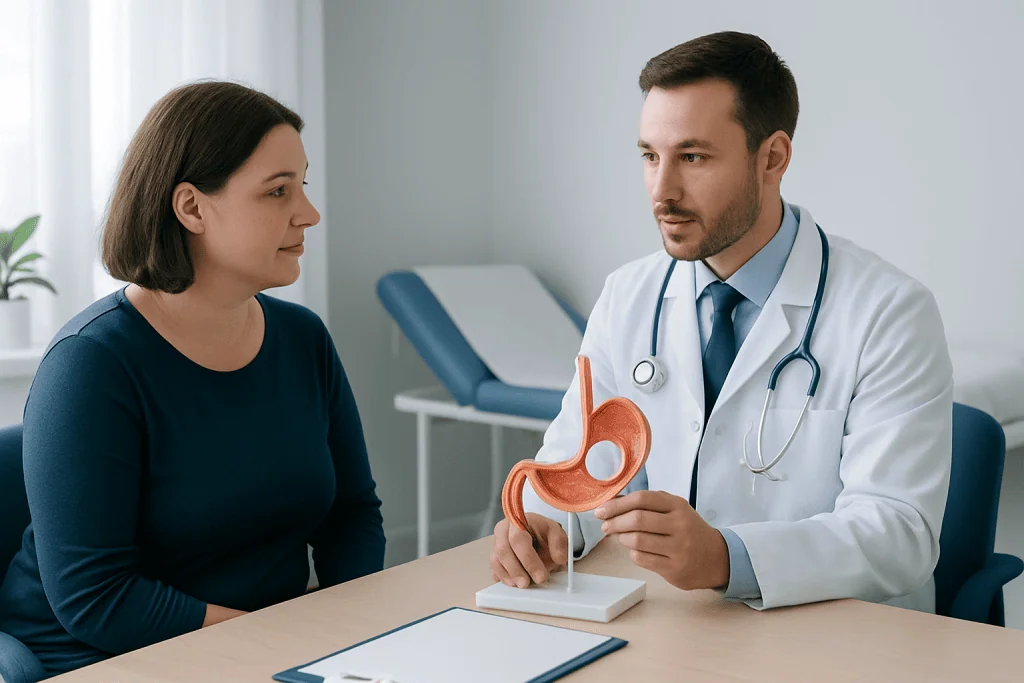
A gastric balloon is a temporary, non-surgical weight-management device placed in the stomach. Once filled, it takes up space and can help a person feel full sooner, supporting portion control. It is not a permanent change to the digestive system and is intended to be used alongside a medically supervised nutrition, activity and behaviour-change programme.
Most gastric balloons are placed using an endoscope: a thin flexible tube with a camera passed through the mouth into the stomach. Some systems may be swallowed in capsule form and filled once their position has been confirmed. The balloon remains in place for a defined period that depends on the device, then is removed or passes naturally according to the system used.
It may be considered for adults who have excess weight and have not achieved sufficient results with lifestyle measures alone, particularly when a clinician considers a temporary intervention appropriate. Suitability depends on body weight, health goals, previous abdominal or stomach surgery, medications, digestive conditions, pregnancy plans and psychological readiness for lifestyle change. A detailed assessment is essential before treatment.
People with certain stomach or oesophageal disorders, active gastrointestinal bleeding, some prior surgeries, untreated eating disorders or a need for long-term medicines that may irritate the stomach may not be suitable. The team will explain whether this approach, or another gastric balloon treatment option, is appropriate.
What happens on the day of placement
Before the procedure, the clinical team reviews medical history, allergies and current medicines. A person is usually asked not to eat or drink for a period beforehand, following the hospital’s instructions. Arrangements should be made for a responsible adult to accompany the patient home if sedation or anaesthesia is used.
For endoscopic placement, the patient receives sedation or anaesthesia as appropriate. The clinician examines the upper digestive tract with the endoscope, positions the deflated balloon in the stomach and fills it with sterile fluid or air, depending on the balloon type. The procedure itself is often relatively short, but preparation and recovery monitoring take additional time.
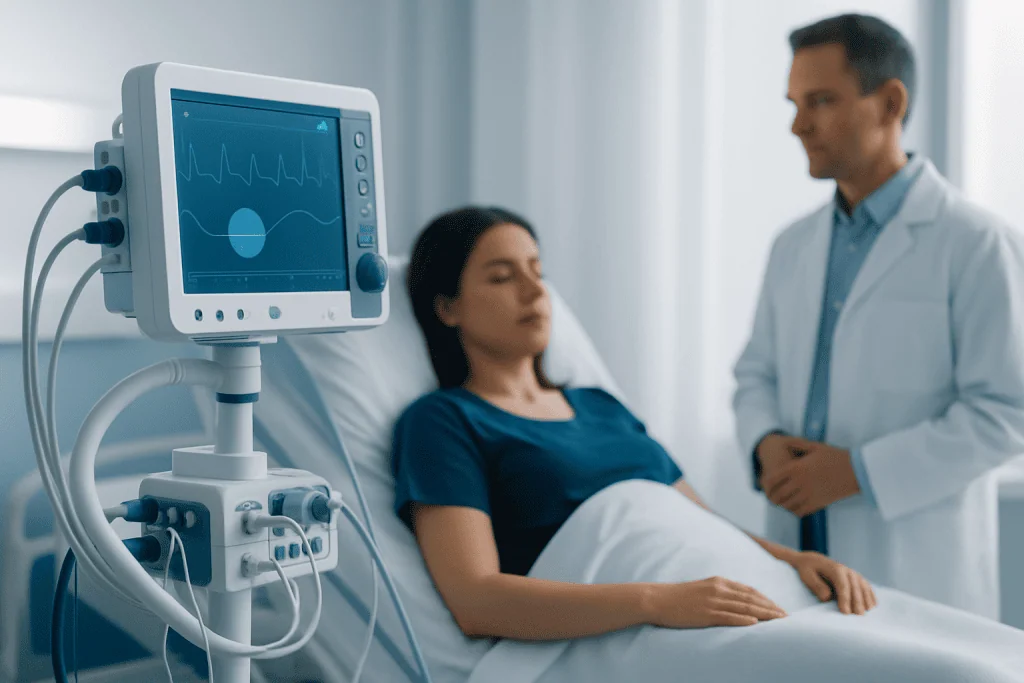
Afterward, patients are monitored while sedation wears off and while the team checks that they can begin sipping fluids safely. Anti-nausea, acid-reducing and pain-relief medicines may be prescribed. It is common to feel drowsy on the day of the procedure, so driving, alcohol, signing important documents and strenuous activity should be avoided until the effects of sedation have fully resolved.
Patients should leave with written guidance on medications, hydration, food progression and follow-up. They should also know which symptoms require a call to the team or urgent medical attention.
Gastric balloon recovery: week-by-week timeline
Day 0 to Day 3: The body begins adapting to the balloon. Nausea, vomiting or retching, abdominal cramping, a feeling of pressure, reflux and fatigue are common. The priority is preventing dehydration by taking very small, frequent sips of the fluids recommended by the team. Most patients need quiet rest, although short walks around the home can support comfort and circulation.
Days 4 to 7: Symptoms often begin to settle, though fullness and occasional nausea may continue. The care plan generally advances from clear liquids to fuller liquids, such as protein-containing drinks, soups or other approved choices. People should eat and drink slowly, avoid carbonated beverages if advised, and take prescribed medicines exactly as directed. Many people with desk-based work can return during this period if symptoms are controlled.
Week 2: Energy and comfort commonly improve. The diet may progress to pureed or soft foods and then to small portions of balanced solid foods, depending on individual tolerance and programme instructions. Meals should be eaten slowly and stopped at the first sense of fullness. Eating too quickly, taking large bites or drinking large volumes with meals may cause discomfort, reflux or vomiting.
Weeks 3 to 4: Many people have established a more predictable routine with smaller meals, planned fluids and regular follow-up. Light to moderate exercise can often be increased gradually if there is no ongoing vomiting, dizziness or significant pain. The focus shifts from immediate recovery to sustainable habits: protein-rich, high-fibre foods as tolerated, regular movement, sleep and behavioural support.
Beyond the first month: The balloon remains only one part of treatment. Continued contact with dietitians and the bariatric team helps address portion sizes, emotional eating, physical activity and any digestive symptoms. The plan for balloon removal or passage should be discussed early, because maintaining lifestyle changes after the balloon is no longer present is important for long-term weight management.
Returning to work, exercise and everyday activities
Return-to-work timing depends on symptoms and the physical demands of the job. Some people feel able to do computer-based or other light work after one to three days, while others need several days or up to a week because of nausea, fatigue or medication effects. Jobs involving heavy lifting, driving for long periods, operating machinery or intense physical effort may require more time and specific clearance from the treating clinician.
Gentle walking can usually begin soon after placement when a person feels steady and well enough. It may help reduce stiffness and support a gradual return to routine. Structured exercise should be restarted slowly, especially during the first week, when fluid intake and comfort may still be limited.
By the second or third week, many patients can build toward regular activity such as walking, cycling, swimming or low-impact resistance exercise. The right pace is one that does not worsen nausea, abdominal pain, dizziness or exhaustion. Adequate fluid and nutrient intake are especially important as activity increases.
Sexual activity and routine household tasks can generally resume when the patient feels comfortable and is no longer affected by sedation or significant symptoms. Any activity that causes marked discomfort should be paused, and the bariatric team should be consulted if symptoms do not improve.
Benefits, side effects and possible risks
A gastric balloon can provide a temporary period in which a person practises smaller portions and healthier daily patterns with professional support. Because it does not involve surgical cutting or permanent rerouting of the digestive tract, recovery is often shorter than after bariatric surgery. However, it is still a medical procedure and requires careful follow-up.
Common early side effects include nausea, vomiting, abdominal discomfort, bloating, reflux, constipation or loose stools. These usually improve as the stomach adapts. Some people may need adjustments to prescribed medication or additional review if symptoms are more severe or longer lasting than expected.
Less common but important complications can include dehydration, stomach ulceration, balloon deflation, balloon migration into the intestine, blockage, pancreatitis or injury related to endoscopy or sedation. The exact risks vary by balloon device and personal health factors. Patients should discuss these risks in detail with the clinician before placement and attend all scheduled reviews.
Weight change varies considerably and cannot be guaranteed. The most meaningful benefit comes from using the period with the balloon to build sustainable eating, activity and self-management skills. Ongoing nutritional support is particularly valuable when the balloon is removed.
When to seek medical care
Contact the treating team promptly if vomiting continues, nausea prevents normal fluid intake, reflux is not controlled by the prescribed plan, or symptoms are interfering with daily functioning beyond the expected early adjustment period. Early advice can often prevent dehydration and help the team tailor supportive treatment.
Urgent medical assessment is needed for severe or worsening abdominal pain, repeated vomiting with an inability to keep fluids down, fever, fainting, black stools, vomiting blood, chest pain, shortness of breath or a persistently rapid heartbeat. These symptoms do not always mean there is a serious complication, but they should not be managed at home without medical guidance.
A sudden loss of fullness, unusual abdominal swelling or changes in urine colour may be relevant with certain balloon systems and should be reported according to the device-specific instructions. Patients should keep emergency contact information available, particularly while travelling after the procedure.
Acibadem International’s multidisciplinary specialists and JCI-accredited hospitals support international patients with assessment, gastric balloon care and follow-up planning. A qualified bariatric clinician can advise on an individual recovery plan and when it is safe to progress diet, work and exercise.
Frequently asked questions
How long does gastric balloon recovery take?
The most intense adjustment symptoms usually occur during the first few days after placement. Many people feel substantially better within one to two weeks, although adapting to smaller meals and a new eating routine continues over the following weeks.
When can a person return to work after a gastric balloon?
Some people return to desk-based work within one to three days, while others need up to a week because of nausea, cramping or fatigue. A physically demanding job may require a longer absence, so the treating clinician should provide individual guidance.
When can exercise start after gastric balloon placement?
Short, gentle walks can often begin soon after the procedure when the person feels stable. More vigorous exercise should be increased gradually once nausea is controlled, hydration is adequate and the bariatric team agrees it is appropriate.
What can a person eat after a gastric balloon procedure?
The diet commonly begins with clear fluids and progresses gradually through fuller liquids and soft foods to small portions of balanced solid meals. Exact timing differs by balloon type and patient tolerance, so the treatment team’s dietary plan should always be followed.
Is vomiting normal after gastric balloon placement?
Nausea and occasional vomiting can occur in the first days as the stomach adjusts to the balloon. Repeated vomiting, inability to drink enough fluid or worsening symptoms should be reported promptly because dehydration may develop.
Does a gastric balloon need to be removed?
Many gastric balloons are removed endoscopically after the recommended treatment period, while some newer systems are designed to pass naturally. The device type determines the plan, and patients should attend all scheduled follow-up appointments.
References
- American Society for Metabolic and Bariatric Surgery
- National Institute of Diabetes and Digestive and Kidney Diseases
- Mayo Clinic
- U.S. Food and Drug Administration
- World Obesity Federation
This article is for general information only and is not a substitute for professional medical advice. Please consult a qualified doctor about your individual situation.
Gastric Balloon in Turkey — costs, top hospitals & a free quote
JCI-accredited · board-certified surgeons · reply within 24h
Add us as a Preferred Source to see more of our trusted health content across Google Search, AI Overviews and Discover.

Bariatric & Metabolic Surgery
Surgical and endoscopic treatments for obesity and metabolic conditions.