

Gastric Balloon: Who It Is For and How the Procedure Works

A gastric balloon is placed in the stomach to create a feeling of fullness and support weight loss. It is usually considered for adults who have not achieved enough weight loss with diet and lifestyle changes alone.
Key Takeaways
- A gastric balloon is placed in the stomach to create a feeling of fullness and support weight loss.
- It is usually considered for adults who have not achieved enough weight loss with diet and lifestyle changes alone.
- The balloon is temporary and is removed after a set period, so long-term success depends on healthy habits.
- Common side effects include nausea, vomiting, bloating, and abdominal discomfort, especially soon after placement.
- It is not suitable for everyone, so medical evaluation is important before choosing this option.
A gastric balloon is a temporary, non-surgical weight-loss option that helps some adults feel full sooner and reduce portion sizes. It is most effective when combined with nutrition changes, activity, and ongoing medical support.
Overview
A gastric balloon is a non-surgical, temporary weight-loss procedure in which a soft balloon is placed inside the stomach and then filled with fluid or air. By taking up space, it helps many people feel full earlier during meals and may make portion control easier.
This option is usually considered for adults who need to lose weight and have not reached their goals with diet, exercise, and structured support alone. It is best understood as a tool rather than a cure, because lasting progress depends on ongoing lifestyle changes and follow-up care. In some care plans, a doctor may also discuss related options such as stomach reduction without surgery or, for some patients, more intensive approaches like bariatric surgery.
The procedure is designed for selected patients and is not appropriate for everyone. A specialist evaluates medical history, current health, eating patterns, and weight-related conditions before recommending it.
Who It Is For
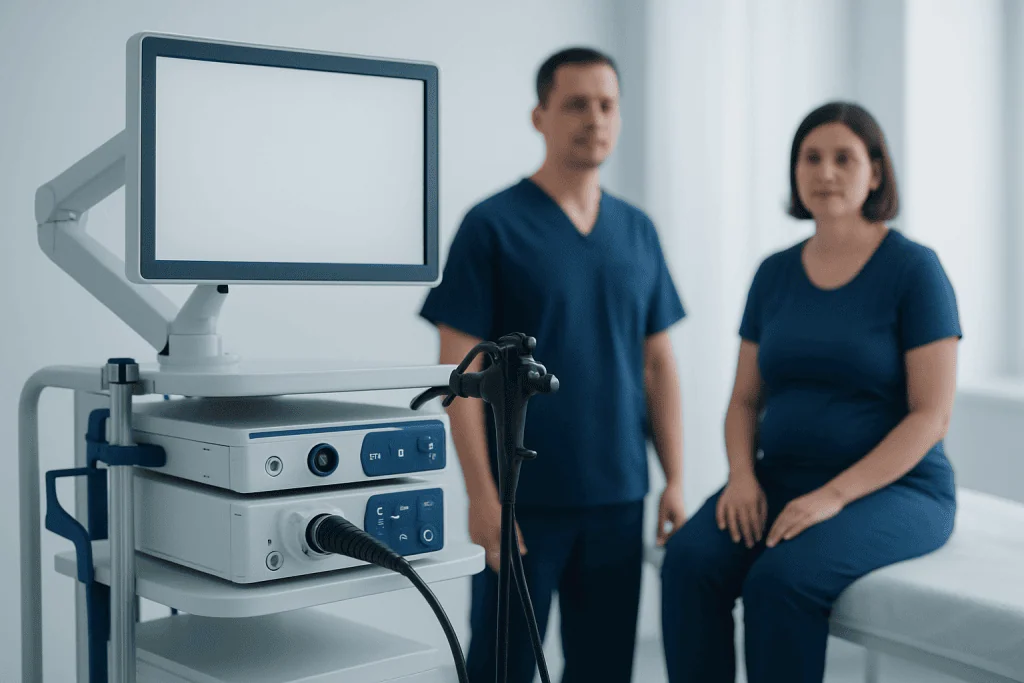
Gastric balloon treatment is generally considered for adults who have obesity or overweight-related health concerns and who are willing to commit to nutrition counseling and follow-up visits. It may be an option for people who want a less invasive approach than surgery, or for those who need extra support before a more definitive treatment plan.
It may be especially helpful for patients who have struggled with portion control, frequent overeating, or a pattern of repeated weight regain after short-term diets. The balloon can create a useful “reset” period during which new eating habits are practiced with medical guidance.
Eligibility depends on several factors, including body mass index, previous weight-loss efforts, and overall medical condition. A doctor will also consider whether the patient is prepared to follow the recommended meal plan, physical activity goals, and balloon removal schedule.
Who May Not Be a Good Candidate

Not everyone is suitable for a gastric balloon. People with certain stomach or esophageal conditions, active ulcers, prior major stomach surgery, or some inflammatory digestive diseases may not be candidates.
The procedure may also be inappropriate for patients with uncontrolled reflux, significant swallowing problems, bleeding disorders, pregnancy, or a history of not tolerating endoscopic procedures. In some cases, a specialist may recommend another approach, such as gastric sleeve surgery or gastric bypass, depending on health needs and weight-loss goals.
Psychological readiness matters too. Because the balloon is temporary, it works best when the patient is prepared for gradual habit change and understands that weight maintenance requires continued effort after removal.
Symptoms and Sensations After Placement
After a gastric balloon is placed, it is common to feel fullness, pressure, bloating, nausea, or mild cramping, especially during the first few days. These symptoms usually improve as the stomach adapts.
Some people notice reduced appetite and smaller meal capacity fairly quickly. Others take longer to adjust, and the experience can vary depending on the type of balloon and individual sensitivity.
If symptoms are severe, persistent, or get worse rather than better, the patient should contact the care team. Ongoing vomiting, inability to keep fluids down, or marked abdominal pain should be assessed promptly.
How the Procedure Works
The procedure is usually done by a gastroenterologist or bariatric specialist using a flexible camera called an endoscope. In many cases, sedation is used so the patient remains comfortable.
During the procedure, the deflated balloon is positioned in the stomach and then filled. The process typically takes a short time, and most people go home the same day after recovery from sedation.
The balloon stays in place for a limited period, often several months, depending on the device used and the treatment plan. Later, it is removed by a similar endoscopic procedure. The balloon does not change the anatomy permanently; instead, it supports weight loss during a structured program.
Benefits and Possible Limitations
The main benefit of a gastric balloon is that it can help a person eat less by increasing satiety. This may support steady weight loss when combined with coaching, meal planning, and regular movement.
Another benefit is that it avoids surgical incisions and may appeal to patients who want a reversible, temporary option. For some people, the period with the balloon can help build confidence and create habits that continue after removal.
However, the balloon is not a stand-alone solution. Weight can return if the patient does not continue healthy routines after the device is removed. It is also important to remember that some people experience side effects or need to stop treatment early if they cannot tolerate it.
Prevention, Preparation, and Self-care
Before placement, patients are often advised to follow a step-by-step eating plan, stop certain medicines if their doctor recommends it, and understand what to expect during recovery. Clear preparation can reduce discomfort and improve the chances of a smooth adjustment period.
After placement, small meals, slow eating, good hydration, and careful chewing are usually encouraged. Many care teams also recommend avoiding carbonated drinks, very greasy foods, and large portions, especially early on, because these can worsen discomfort.
Long-term success is strongly linked to lifestyle support. Nutrition counseling, physical activity, sleep, stress management, and regular follow-up appointments all help patients maintain progress after the balloon is removed. For some patients, a broader obesity plan may include evaluation and treatment of obesity itself as a chronic condition.
When to See a Doctor
A doctor should evaluate anyone considering a gastric balloon to confirm whether it is safe and likely to be helpful. This conversation is especially important for people with reflux, prior stomach problems, or other medical conditions that could affect treatment choice.
After placement, the patient should seek medical advice if nausea or vomiting does not improve, if there is severe abdominal pain, black stools, fever, chest discomfort, or an inability to drink enough fluids. These symptoms do not always mean a serious problem, but they should be assessed.
Ongoing follow-up is also important even when things are going well. A bariatric or digestive specialist can monitor progress, adjust the nutrition plan, and help the patient transition to life after balloon removal. At Acibadem International, multidisciplinary specialists and JCI-accredited hospitals diagnose and treat this condition for international patients.
Frequently asked questions
How much weight can a gastric balloon help someone lose?
Weight loss varies from person to person and depends on the patient’s starting weight, eating habits, and follow-up support. The balloon is intended to assist with weight loss, but results are most durable when it is combined with lifestyle changes.
Is a gastric balloon painful?
The placement procedure is usually done with sedation, so discomfort during the procedure is limited. Afterward, many people feel nausea, cramping, or pressure for a few days as the stomach adjusts.
How long does a gastric balloon stay in the stomach?
A gastric balloon is temporary and is removed after a set treatment period determined by the device and the care plan. The exact timing is discussed before treatment so the patient knows what to expect.
Can the balloon be used instead of bariatric surgery?
For some patients, it may be a less invasive alternative, but it is not the same as surgery and may not provide the same degree of long-term weight loss. A specialist helps compare options based on health status and goals.
What happens after the balloon is removed?
After removal, patients continue with nutrition and activity plans to help maintain progress. This transition period is important because habits built during treatment support longer-term success.
Can anyone with obesity have a gastric balloon?
No. A doctor must check for stomach conditions, reflux, previous surgery, pregnancy, and other factors that may make the procedure unsafe or less suitable. Eligibility is individualized.
References
- World Health Organization
- National Institute of Diabetes and Digestive and Kidney Diseases
- American Society for Metabolic and Bariatric Surgery
- Mayo Clinic
This article is for general information only and is not a substitute for professional medical advice. Please consult a qualified doctor about your individual situation.
Gastric Balloon in Turkey — costs, top hospitals & a free quote
JCI-accredited · board-certified surgeons · reply within 24h
Add us as a Preferred Source to see more of our trusted health content across Google Search, AI Overviews and Discover.
Check your numbers in seconds
BMI, calories, due date, blood pressure and 30+ more clinical calculators — free, instant, doctor-reviewed ranges.

Bariatric & Metabolic Surgery
Surgical and endoscopic treatments for obesity and metabolic conditions.
Related Treatments
Related Conditions
More from the Health Library



Related Specialists
Prof. Dr. Tayfun Karahasanoğlu
General Surgery
Prof. Dr. Güralp Onur Ceyhan
General Surgery
Prof. Dr. Volkan Özben
General Surgery
Assoc. Prof. Dr. Halil Kara
General Surgery