

Gastric Bypass Recovery Timeline: Hospital Stay to Return to Work

Hospital recovery after gastric bypass is usually short, with early walking and close monitoring beginning soon after surgery. Diet typically advances from liquids to pureed and soft foods before a return to regular textured meals, according to the care team’s plan.
Key Takeaways
- Hospital recovery after gastric bypass is usually short, with early walking and close monitoring beginning soon after surgery.
- Diet typically advances from liquids to pureed and soft foods before a return to regular textured meals, according to the care team’s plan.
- Fatigue, mild discomfort, and temporary digestive changes are common during the first weeks and usually improve gradually.
- Most people return to desk-based work sooner than to physically demanding jobs, but timing should be individualized.
- Follow-up visits, hydration, protein intake, and vitamin supplementation are important parts of safe recovery.
Gastric bypass recovery is usually a step-by-step process that begins in the hospital and continues at home with diet progression, walking, and follow-up care. Most people recover steadily over several weeks, but the exact timeline depends on the surgery type, overall health, and the demands of their job.
Overview
Gastric bypass is a type of bariatric surgery that changes the size and pathway of the stomach and small intestine to support weight loss and improve obesity-related health conditions. Recovery is not the same for every person, but it usually follows a predictable pattern: a short hospital stay, several weeks of healing at home, and a gradual return to normal daily activities.
Understanding the gastric bypass recovery timeline can help patients plan for time away from work, arrange support at home, and prepare for diet and activity changes. The process is designed to protect healing tissues, reduce complications, and help the body adjust to eating smaller amounts of food.
Recovery is often easier when patients follow the surgical team’s instructions closely. That includes walking regularly, sipping fluids as directed, taking prescribed medications, and attending follow-up visits. Patients who have additional procedures such as laparoscopic stomach surgery may recover with similar principles, although each person’s plan can differ.
Hospital Stay and the First 24 to 48 Hours
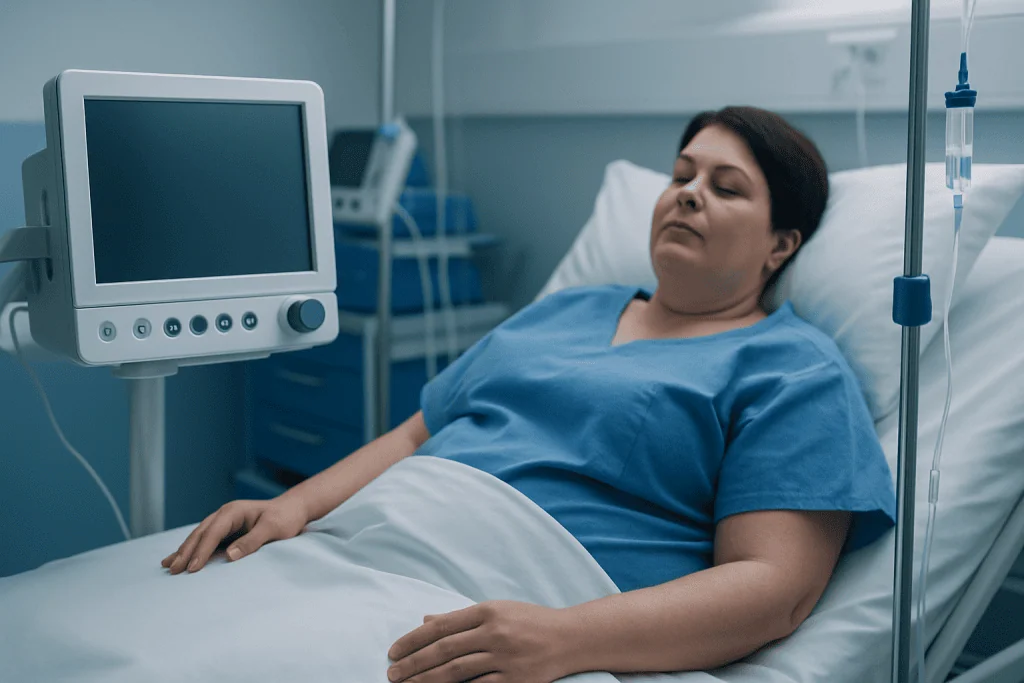
Most patients spend a short time in the hospital after surgery, often one to a few days depending on the operation and the person’s condition. During this period, the care team monitors pain, heart rate, breathing, fluid intake, and signs that the digestive system is waking up. Nurses also help patients begin walking soon after surgery, because early movement supports circulation and can lower the risk of blood clots.
In the first day or two, it is normal to feel tired, sore around the incision sites, or mildly nauseated. Patients may start with very small sips of liquid and progress only as instructed by the surgeon or dietitian. The goal is not speed; the goal is safe healing.
Before discharge, the team usually reviews wound care, medicines, hydration goals, warning signs to watch for, and the next stage of the eating plan. Patients should ask questions before going home, especially if they are unsure about pain control, showering, lifting limits, or when to contact the hospital.
The First 2 Weeks at Home

The first two weeks are often the most structured part of recovery. Fatigue is common, and many patients need frequent rest breaks. Short, gentle walks are usually encouraged several times a day, while heavy lifting, strenuous exercise, and driving may be limited until the surgeon gives clearance.
Diet usually moves through a very gradual progression. Many patients begin with clear or full liquids, then move to protein-rich liquids and carefully selected soft foods as tolerated. Small, frequent sips are important because the new stomach pouch cannot hold large amounts at once. Hydration and protein intake are especially important during this stage.
Some people notice temporary bloating, constipation, or changes in bowel habits. These changes are common during the early adjustment period and are often improved by drinking enough fluids, walking, and following the diet plan. Persistent vomiting, severe pain, or difficulty keeping fluids down should be reported to the surgical team.
Weeks 3 to 6: Building Strength and Routine
By the third to sixth week, many patients feel more comfortable moving around and may notice steadily improving energy. Incisions usually continue to heal, and discomfort often becomes much milder. This is also when patients become more confident with eating patterns, meal timing, and portion control.
Activity can usually increase gradually, with the care team guiding when it is safe to resume exercise, more active chores, or longer walks. Some patients can return to daily routines more easily, but overexertion can still slow healing. It is generally better to progress slowly and consistently rather than to do too much on a “good day.”
Follow-up appointments during this period help the surgeon and dietitian monitor healing, weight loss progress, hydration, and nutritional intake. These visits are also a good time to discuss supplements, food tolerance, reflux symptoms, or any emotional adjustments related to eating changes after weight-loss surgery.
Returning to Work and Daily Activities
Returning to work after gastric bypass depends on the type of job and the person’s recovery pace. People with desk-based or light-duty work may return sooner than those with physically demanding jobs, but the exact timing should be approved by the surgeon. Many patients need a phased return, especially if fatigue or restricted lifting is still an issue.
Jobs that involve heavy lifting, long standing periods, repeated bending, or fast-paced physical activity often require more time before it is safe to resume. Even if pain is minimal, internal healing continues for weeks. Returning too early can strain the body and interfere with recovery.
When planning time off, it helps to consider travel, commuting, meal timing, and access to fluids. A work note or phased schedule may make the transition easier. Patients who are also managing obesity-related conditions may find that improvements in energy and mobility happen gradually over time as healing continues from treatment for obesity.
Common Symptoms During Recovery
Several temporary symptoms are common during gastric bypass recovery and do not necessarily mean something is wrong. These can include soreness near incisions, tiredness, mild nausea, constipation, gas pain, and changes in appetite. Some patients also feel full very quickly, which is expected after surgery.
Emotional changes are also possible. It is not unusual for patients to feel relieved, overwhelmed, impatient, or unsure about the new eating routine. Recovery involves both physical healing and adjustment to new habits, so reassurance and support from family, friends, and the care team can be helpful.
Patients should keep in mind that gradual progress is normal. Small improvements in walking, hydration, and tolerance of foods often matter more than dramatic day-to-day changes. Recovery is best measured over weeks, not hours.
Prevention, Self-care, and Follow-up
Good self-care supports smoother healing after gastric bypass. Patients are usually advised to sip fluids regularly, prioritize protein, take prescribed vitamins and supplements, and avoid smoking or alcohol unless their doctor says otherwise. These habits help reduce dehydration and support nutritional recovery.
Wound care is also important. Incisions should be kept clean and monitored for redness, drainage, swelling, or increasing pain. Walking several times a day, as instructed, helps circulation and can reduce the risk of blood clots. Rest is important too, especially in the early weeks.
Dietary guidance should be followed carefully, since eating too quickly or advancing too fast can cause discomfort. Some patients choose a structured program such as surgical weight-loss care or other bariatric options, but after any procedure, long-term success depends on ongoing lifestyle support and regular medical follow-up.
When to See a Doctor
Patients should contact their surgical team if they cannot keep fluids down, feel increasingly weak, have persistent vomiting, or notice signs of dehydration such as dark urine, dizziness, or very dry mouth. Worsening abdominal pain, chest pain, trouble breathing, fever, or wound drainage also need prompt medical review.
It is equally important to reach out if recovery seems to stall, appetite changes feel unmanageable, or returning to work is proving harder than expected. The team can adjust diet instructions, activity guidance, or follow-up timing based on the patient’s needs.
For international patients, Acibadem International’s multidisciplinary specialists and JCI-accredited hospitals diagnose and treat bariatric conditions with coordinated surgical and aftercare support. The right follow-up plan can make the recovery journey safer and more manageable.
Frequently asked questions
How long does it take to recover from gastric bypass surgery?
Recovery usually takes several weeks, but the exact timeline varies by person and by job type. Many patients feel more independent within 2 to 6 weeks, while full internal healing continues longer.
How long is the hospital stay after gastric bypass?
The hospital stay is often short, commonly a few days or less depending on the procedure and how the patient is recovering. The care team checks pain control, hydration, walking, and tolerance of liquids before discharge.
When can someone return to work after gastric bypass?
Desk-based work may be possible sooner than physically demanding work, but timing should be individualized. A surgeon usually clears the patient based on healing, fatigue, and lifting restrictions.
What can patients eat right after gastric bypass?
Patients usually start with small amounts of liquids and then move slowly to more textured foods as instructed by the dietitian or surgeon. Advancing too quickly can cause discomfort and may interfere with healing.
Is pain normal during recovery?
Mild to moderate soreness, especially around incision sites, is common at first and usually improves gradually. Pain that is severe, worsening, or accompanied by fever or vomiting should be reported to the care team.
What helps recovery go more smoothly?
Walking, sipping fluids, following the nutrition plan, taking supplements as prescribed, and attending follow-up appointments are all important. Rest, patience, and support at home can also make the recovery period easier.
References
- American Society for Metabolic and Bariatric Surgery
- National Institute of Diabetes and Digestive and Kidney Diseases
- Mayo Clinic
- Cleveland Clinic
This article is for general information only and is not a substitute for professional medical advice. Please consult a qualified doctor about your individual situation.
Gastric Bypass in Turkey — costs, top hospitals & a free quote
JCI-accredited · board-certified surgeons · reply within 24h
Add us as a Preferred Source to see more of our trusted health content across Google Search, AI Overviews and Discover.
Check your numbers in seconds
BMI, calories, due date, blood pressure and 30+ more clinical calculators — free, instant, doctor-reviewed ranges.

Bariatric & Metabolic Surgery
Surgical and endoscopic treatments for obesity and metabolic conditions.
Related Treatments
Related Conditions
More from the Health Library



Related Specialists

Prof. Dr. Tayfun Karahasanoğlu
General Surgery
Prof. Dr. Güralp Onur Ceyhan
General Surgery
Prof. Dr. Volkan Özben
General Surgery
Assoc. Prof. Dr. Halil Kara
General Surgery