

Gastric Bypass vs Gastric Sleeve: Which Surgery May Be Better?

Gastric sleeve removes part of the stomach, while gastric bypass reroutes the digestive tract and changes how food is absorbed. Neither surgery is universally better; the best option depends on reflux, diabetes, body weight, and other health factors.
Key Takeaways
- Gastric sleeve removes part of the stomach, while gastric bypass reroutes the digestive tract and changes how food is absorbed.
- Neither surgery is universally better; the best option depends on reflux, diabetes, body weight, and other health factors.
- Both procedures require lifelong nutrition follow-up, vitamin support, and healthy eating habits to maintain results.
- Gastric bypass may offer stronger metabolic effects, while gastric sleeve is often simpler and preserves the normal digestive route.
- A bariatric specialist can help match the procedure to the patient’s risks, needs, and expectations.
Gastric bypass and gastric sleeve are two of the most common weight-loss surgeries, but they work differently and suit different health profiles. The best choice depends on a person’s medical history, eating habits, reflux symptoms, and long-term goals.
Overview
When people compare gastric bypass vs gastric sleeve, they are usually trying to understand which operation may offer the best balance of weight loss, safety, and long-term health benefits. Both are effective forms of bariatric surgery for people living with obesity, but they are not the same procedure and they do not affect the body in the same way.
Gastric sleeve surgery reduces the size of the stomach so a person feels full with less food. Gastric bypass creates a small stomach pouch and connects it farther down the small intestine, which changes both food intake and nutrient absorption. Because of these differences, one surgery may be more suitable than the other depending on a person’s reflux symptoms, diabetes, eating pattern, and overall medical condition.
The question is not simply which surgery is stronger. It is which surgery fits the person’s needs, can be performed safely, and supports lasting lifestyle change. A bariatric team usually considers medical history, body mass index, and prior attempts at weight loss before recommending a procedure.
How Each Procedure Works
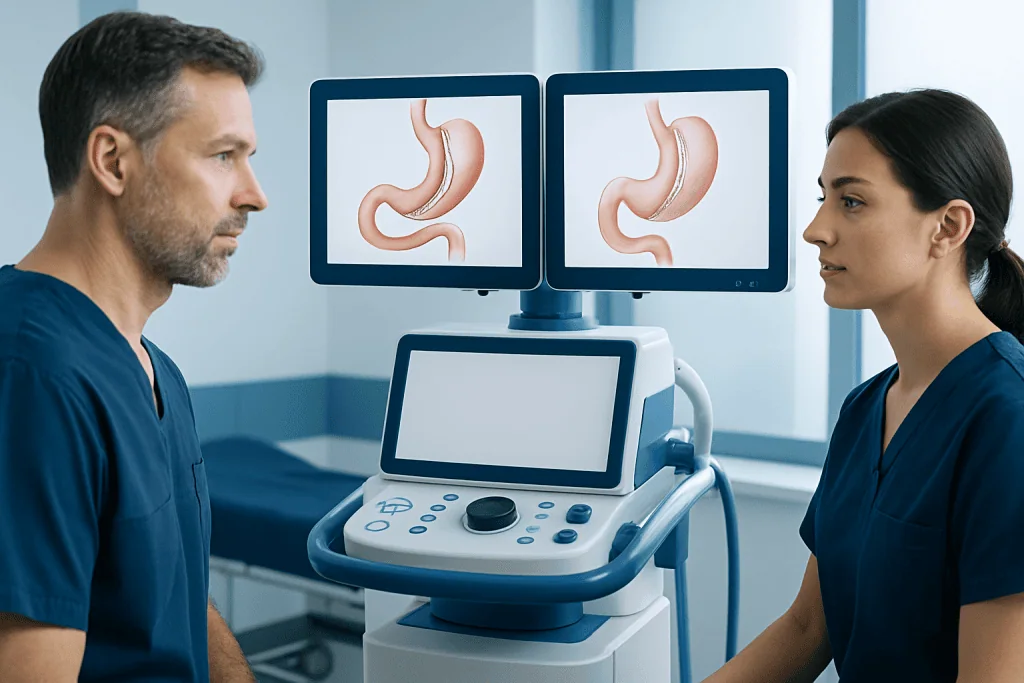
In a gastric sleeve procedure, the surgeon removes a large portion of the stomach and leaves a narrow, sleeve-shaped pouch. The smaller stomach holds less food, which helps reduce hunger and portion size. The procedure also affects hormones related to appetite, which can support weight loss.
In a gastric bypass procedure, the surgeon creates a small stomach pouch and connects it directly to a lower part of the small intestine. Food then skips part of the stomach and the first section of the intestine. This means the operation limits how much can be eaten and also reduces how many calories and nutrients are absorbed.
Because bypass changes the digestive pathway more substantially, it can have stronger effects on diabetes and other metabolic conditions in some patients. The tradeoff is that it may require closer long-term nutritional monitoring. Sleeve surgery is often described as simpler anatomically because the digestive tract is not rerouted, but it still requires the same level of commitment to follow-up care.
Symptoms and Conditions That May Influence the Choice

These surgeries are not chosen based on symptoms of obesity alone. Instead, doctors look at the full picture, including conditions that may improve after weight loss surgery. Common issues include type 2 diabetes, sleep apnea, high blood pressure, fatty liver disease, joint pain, and difficulty with mobility.
Reflux is one of the most important considerations. People who already have significant acid reflux or complications such as esophagitis may sometimes do better with gastric bypass, because sleeve surgery can worsen reflux in some cases. On the other hand, people who want a less complex anatomy change and do not have reflux concerns may be good sleeve candidates.
Eating habits also matter. A person who tends to graze throughout the day, drinks high-calorie liquids, or struggles with portion control may benefit from the strong restriction both surgeries create, but long-term success still depends on behavior change. No operation can replace consistent nutrition, physical activity, and follow-up care.
Causes & Risk Factors
Obesity is a chronic condition with multiple causes, including genetics, hormones, sleep disruption, medications, stress, and environment. Bariatric surgery is considered when these factors have contributed to health risks and non-surgical methods have not been enough to produce durable results.
Risk factors that may influence surgery choice include severe acid reflux, uncontrolled diabetes, previous abdominal surgery, nutritional deficiencies, smoking, and a history of eating disorders or poor adherence to follow-up. Surgeons also consider age, liver size, overall fitness for anesthesia, and whether the patient can safely take vitamin supplements long term.
Some patients may not be ideal candidates for one operation but may still qualify for another. For example, a person with a higher reflux burden may be steered away from sleeve surgery, while someone who cannot commit to more intensive nutritional follow-up may need a careful discussion before bypass is considered. The safest plan is always individualized.
Diagnosis and Pre-surgery Evaluation
Before recommending gastric bypass or gastric sleeve, a bariatric team performs a detailed assessment. This usually includes a medical history, physical examination, weight and health measurements, and tests to check for conditions such as diabetes, anemia, vitamin deficiency, liver disease, and sleep apnea.
Many patients also need imaging or endoscopy if reflux, stomach pain, or another digestive concern is present. The evaluation helps the surgeon understand the anatomy of the stomach and rule out problems that could affect the operation or recovery. Psychological and nutritional assessments are also common because long-term success depends on preparing for major lifestyle changes.
In some patients, the doctor may review prior weight-loss attempts, medications, and eating patterns to decide whether surgery is appropriate now or whether another approach should be tried first. This step is important because the decision is not only about choosing between two surgeries; it is about choosing the right timing and support plan.
Treatment Options: Comparing Benefits and Drawbacks
Both procedures can produce meaningful weight loss and improvement in obesity-related conditions. Gastric bypass may be favored when a person has more severe diabetes, significant reflux, or needs a stronger metabolic effect. Gastric sleeve may be preferred when the patient wants a less complex operation, has no major reflux problem, and may benefit from preserving the normal route of digestion.
There are also differences in follow-up needs. After bypass, the risk of vitamin and mineral deficiencies can be higher because the body absorbs nutrients differently. After sleeve surgery, deficiencies can still occur, but the anatomy is less altered. In both cases, patients usually need protein-focused meals, hydration, vitamin supplementation, and regular clinic visits.
Potential drawbacks should be discussed openly. Sleeve surgery can sometimes lead to reflux or insufficient weight loss in certain patients. Bypass can cause dumping syndrome, nutrient deficiencies, and a more complex recovery. The right choice depends on whether the priority is maximum metabolic effect, simpler anatomy, reflux control, or a balance of these goals.
For some people, surgeons may also discuss other options such as gastric balloon therapy or stomach reduction without surgery when surgery is not the best fit. These approaches are generally different from bariatric surgery and may be considered in selected cases.
Prevention & Self-care
While surgery is not a prevention method for obesity itself, self-care before and after the procedure has a major effect on outcome. Patients are usually advised to follow a structured eating plan, stop smoking if needed, and begin moving more in a safe and gradual way. These habits can improve surgical readiness and recovery.
After surgery, the focus shifts to small frequent meals, adequate protein, slow eating, and careful chewing. Drinking fluids as recommended and avoiding drinking too much with meals may help reduce discomfort. Vitamin and mineral supplements should be taken exactly as advised by the care team.
- Attend all follow-up appointments.
- Report vomiting, difficulty swallowing, or dehydration early.
- Work with a dietitian if food choices become difficult.
- Choose gentle activity as recovery progresses.
- Use prescribed supplements consistently.
Long-term success is built on routine, not on restriction alone. People who treat surgery as a starting point rather than a quick fix often achieve better lasting results.
When to See a Doctor
A doctor should be consulted when obesity is causing health problems such as diabetes, reflux, sleep apnea, joint pain, or blood pressure issues, especially if lifestyle measures have not been enough. A bariatric specialist can explain whether gastric bypass, gastric sleeve, or another option is most appropriate.
After surgery, prompt medical review is important if there are signs of dehydration, persistent vomiting, severe abdominal pain, fever, chest pain, or trouble keeping liquids down. These symptoms do not always mean a serious complication, but they should be assessed quickly.
Patients who are unsure about their best operation may benefit from a second opinion, particularly if they have reflux, prior abdominal surgery, or nutritional concerns. At Acibadem International, multidisciplinary specialists in JCI-accredited hospitals diagnose and treat obesity-related conditions for international patients with coordinated care.
Frequently asked questions
Is gastric bypass better than gastric sleeve for weight loss?
Not always. Gastric bypass may produce stronger metabolic effects in some patients, but gastric sleeve can also lead to significant weight loss. The better choice depends on the person’s health profile, eating habits, and long-term goals.
Which surgery is better if a person has acid reflux?
Gastric bypass is often considered when reflux is significant, because sleeve surgery can sometimes make reflux worse. However, the final decision should be made by a bariatric surgeon after reviewing symptoms and test results.
Which procedure has a simpler recovery?
Gastric sleeve is often seen as anatomically simpler because the digestive tract is not rerouted. That said, both surgeries require recovery time, dietary progression, and close follow-up.
Will either surgery require vitamins for life?
Yes, lifelong vitamin and mineral supplementation is commonly recommended after both procedures. The exact plan differs by surgery and by the patient’s lab results, so regular monitoring is important.
Can diabetes improve after these surgeries?
Yes, both procedures can improve type 2 diabetes in many patients. Gastric bypass may have a stronger effect for some people, but individual response varies.
Who should decide between gastric bypass vs gastric sleeve?
A qualified bariatric surgeon, usually with input from a dietitian and other specialists, should help decide. The decision should be based on safety, medical needs, and the patient’s ability to follow long-term care.
References
- American Society for Metabolic and Bariatric Surgery
- National Institute of Diabetes and Digestive and Kidney Diseases
- World Health Organization
- Mayo Clinic
- NHS
This article is for general information only and is not a substitute for professional medical advice. Please consult a qualified doctor about your individual situation.
Gastric Bypass in Turkey — costs, top hospitals & a free quote
JCI-accredited · board-certified surgeons · reply within 24h
Add us as a Preferred Source to see more of our trusted health content across Google Search, AI Overviews and Discover.
Check your numbers in seconds
BMI, calories, due date, blood pressure and 30+ more clinical calculators — free, instant, doctor-reviewed ranges.

Bariatric & Metabolic Surgery
Surgical and endoscopic treatments for obesity and metabolic conditions.
Related Treatments
Related Conditions
More from the Health Library



Related Specialists

Prof. Dr. Tayfun Karahasanoğlu
General Surgery
Prof. Dr. Güralp Onur Ceyhan
General Surgery
Prof. Dr. Volkan Özben
General Surgery
Assoc. Prof. Dr. Halil Kara
General Surgery