Gastric Sleeve Scarring: What Incisions Look Like and How They Heal
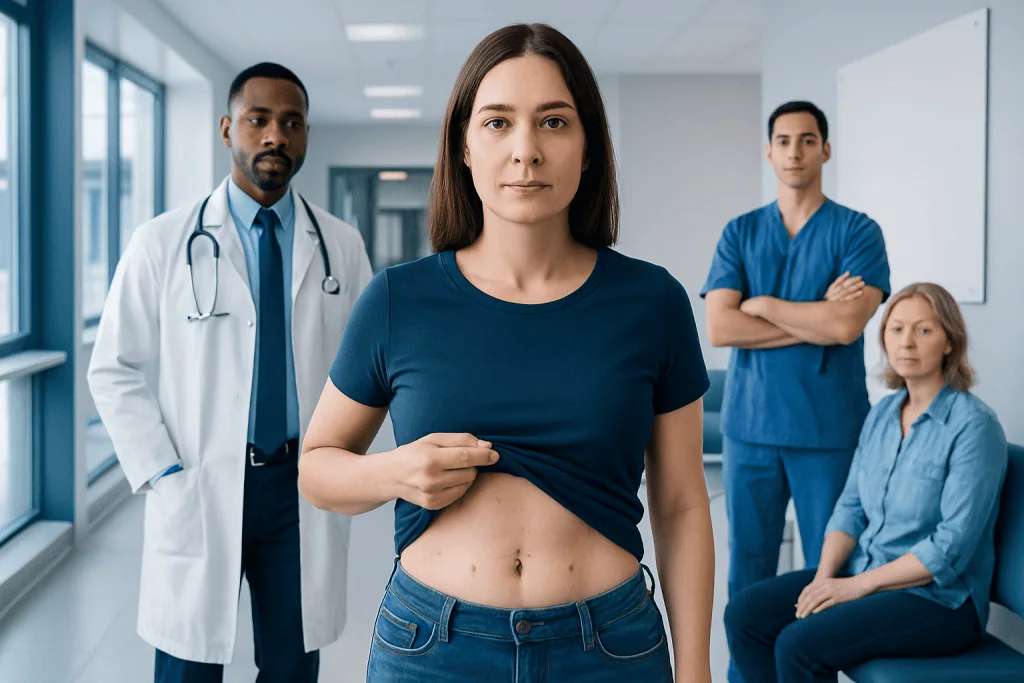
Most gastric sleeve scars come from several small laparoscopic incisions rather than one large cut. Scars often look pink, firm, or slightly raised at first and usually fade over months.
Key Takeaways
- Most gastric sleeve scars come from several small laparoscopic incisions rather than one large cut.
- Scars often look pink, firm, or slightly raised at first and usually fade over months.
- Good wound care, avoiding strain, and protecting healing skin can support a smoother recovery.
- Redness that spreads, worsening pain, drainage, fever, or wound opening should be checked by a doctor.
- A person’s skin type, medical history, and habits such as smoking can affect scar healing.
Gastric sleeve scarring is usually limited to a few small abdominal incision marks that gradually soften and fade as healing progresses. Most scars heal well with routine wound care, protection from irritation, and timely medical review if signs of infection or poor healing appear.
Overview: What Gastric Sleeve Scars Usually Look Like
Gastric sleeve surgery, also called sleeve gastrectomy, is commonly performed using minimally invasive laparoscopic techniques. This means the surgeon usually makes several small incisions in the abdomen rather than one large opening. Because of this, gastric sleeve scarring is often less extensive than many people expect. The marks may appear as a small set of short horizontal, vertical, or slightly angled scars across the upper and middle abdomen.
In the first days and weeks after surgery, the incision sites may look red, pink, or slightly bruised. Mild swelling, tenderness, and firmness around the healing skin can also be normal. As the body repairs the tissue, the scars often become flatter and lighter, although the exact appearance varies from person to person.
The final look of the scars depends on several factors, including the surgical approach, skin tone, genetics, age, overall health, and how the wounds are cared for during recovery. Some people heal with barely noticeable marks, while others may develop darker, wider, or raised scars. Even when scars remain visible, they are usually small and often become less noticeable over time.
Where the Incisions Are and How Healing Progresses
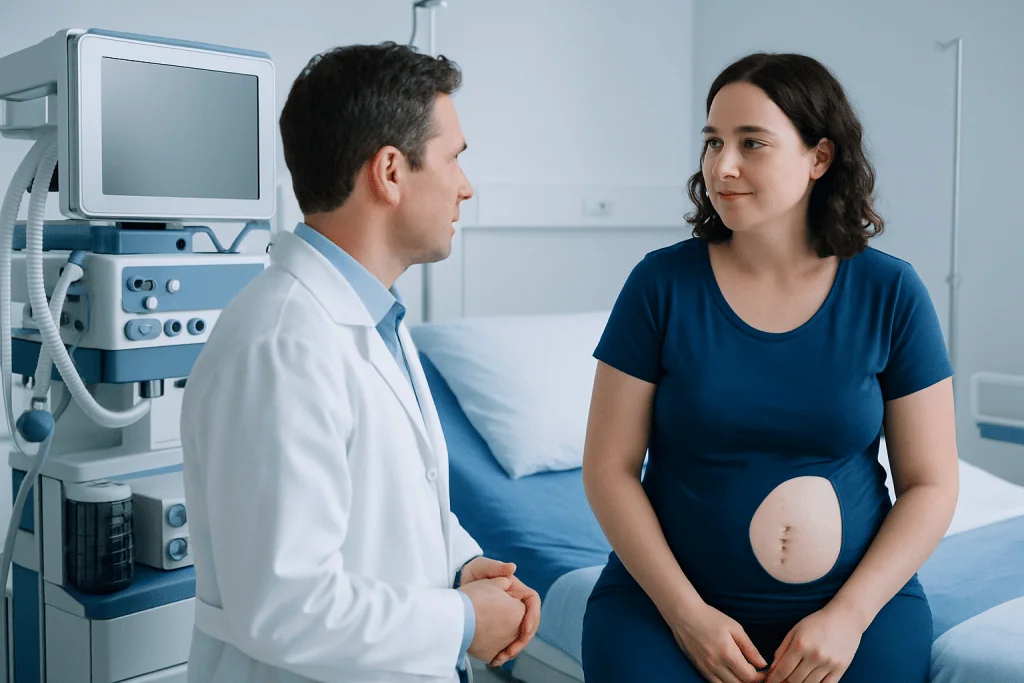
For laparoscopic sleeve gastrectomy, there are often about four to six small incisions placed in the abdomen. Their exact number and position can differ depending on the surgeon’s technique and the patient’s body shape. One incision may be slightly larger than the others to allow removal of the part of the stomach that has been surgically separated.
During the early healing phase, the body closes the skin and forms new collagen, the structural protein that helps wounds strengthen. At first, the scars may seem more visible rather than less visible. They can feel itchy, tight, numb, or mildly sensitive. This is often part of normal healing as nerves and tissue recover.
Over the next several months, the scars usually enter a remodeling phase. In this stage, the collagen gradually reorganizes, and the scars often soften, flatten, and fade from red or pink to a lighter shade. In some people, this process continues for a year or more. Patients recovering from gastric sleeve surgery are usually advised to be patient with scar changes, because early appearance does not predict the final result.
What Affects Gastric Sleeve Scarring
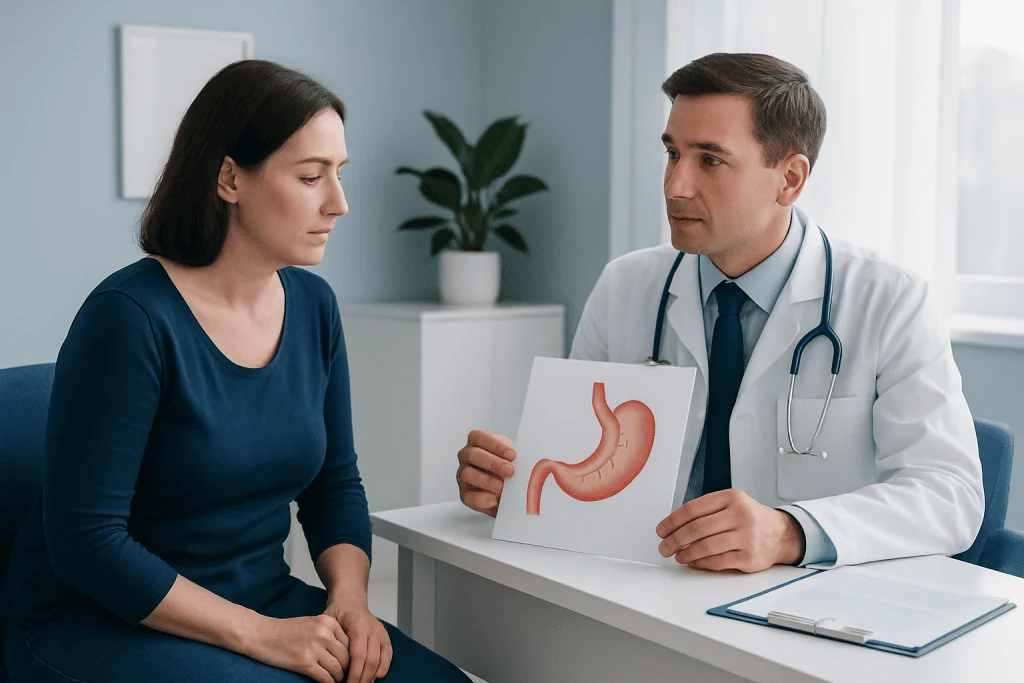
Scar formation is a natural part of healing, but some factors can make scars more noticeable. Personal skin characteristics are important. Some people naturally form thicker or darker scars, and those with a history of keloids or hypertrophic scars may be more likely to develop raised scar tissue. Skin tone can also influence whether scars heal with darker or lighter pigmentation.
General health also matters. Smoking, poor nutrition, uncontrolled diabetes, obesity-related skin folds, and some medications can affect blood flow and tissue repair. Tension on the wound, repeated friction from clothing, or infection can also lead to delayed healing or a more visible scar.
The type of surgery influences scar size as well. Most sleeve procedures are laparoscopic, which usually results in smaller scars than open surgery. If a surgeon needs to convert to an open operation for safety reasons, the scar pattern may be different and more extensive. People who are also learning about related obesity care may find it helpful to understand that overall health improvement can support better recovery, including wound healing.
- Genetics and skin type
- Smoking or nicotine exposure
- Nutrition and hydration
- Blood sugar control
- Infection or wound irritation
- Surgical technique and incision size
Normal Healing vs. Signs of a Problem
It is common for healing incisions to be mildly sore, slightly swollen, and pink in the early recovery period. A small amount of dried blood, light clear drainage, or bruising around the wound may also occur, depending on the dressings used and the stage of healing. Mild itching can be a normal sign that the skin is repairing itself.
However, some changes should prompt medical advice. Increasing redness that spreads outward, growing warmth, worsening pain, bad-smelling or pus-like drainage, fever, or separation of the wound edges may suggest infection or poor healing. A firm bulge under an incision can sometimes indicate a fluid collection or hernia, especially if it becomes painful or enlarges.
People should not pick at scabs, remove dressings too early, or apply creams and home remedies unless their surgical team has advised it. If there is concern about whether a wound looks normal, it is safer to ask a doctor rather than wait. Follow-up care after obesity surgery often includes checking the incision sites along with nutrition, hydration, and overall recovery.
How to Care for Incisions and Support Better Scar Healing
Proper incision care can help lower the risk of infection and support smoother healing. The surgical team usually provides specific instructions about bathing, dressing changes, and activity. In general, the area should be kept clean and dry, and patients should avoid scrubbing or stretching the wounds. Hands should be washed before touching the area.
Wearing loose, breathable clothing can reduce friction against the healing skin. It is also wise to avoid heavy lifting or intense abdominal strain until the surgeon confirms that normal activity can resume. Straining too early may place tension on the wound and affect both comfort and healing.
Good nutrition supports tissue repair. Protein, fluids, vitamins, and minerals are all important after bariatric surgery, especially because food intake is reduced in the early period. Following the prescribed post-operative eating plan can support the body’s repair processes. Some patients who are discussing bariatric surgery ask about scar products such as silicone sheets or gels; these may be considered later in recovery if the surgeon says the skin is fully closed and ready.
- Follow the surgeon’s written wound-care instructions
- Keep incisions clean and dry
- Avoid smoking and nicotine if possible
- Do not lift heavy objects too soon
- Eat enough protein and stay hydrated
- Protect healing scars from unnecessary friction
Can Gastric Sleeve Scars Be Minimized?
No scar can be erased completely, but many scars become less noticeable with time and appropriate care. Once the wound has fully closed, some patients may benefit from strategies such as silicone-based scar care, gentle scar massage if approved by the surgeon, and protection from sun exposure. Fresh scars can darken more easily with ultraviolet light, so covering the area or using sun protection after healing may help reduce discoloration.
Raised or thick scars do not always mean something is wrong, but they may be worth discussing during follow-up visits. A doctor can help distinguish between normal healing, hypertrophic scars, and keloids. If a scar remains bothersome, treatment options may include dermatologist- or surgeon-guided therapies, depending on the appearance and symptoms.
People who have concerns about body image after surgery should know that scar healing is only one part of recovery. Weight loss, changes in posture, shifting skin folds, and the emotional adjustment to surgery can all affect how the abdomen looks and feels. Open discussion with the care team can be helpful, especially for those also reviewing gastric sleeve expectations before or after the procedure.
When to See a Doctor and What Follow-up Involves
Medical review is important if an incision becomes more painful instead of less painful, starts draining pus, smells unpleasant, opens up, or is associated with fever or chills. A new lump, severe tenderness, vomiting, or inability to keep fluids down also needs prompt assessment, even if the skin itself does not look very abnormal. Recovery should gradually improve, so worsening symptoms deserve attention.
Routine follow-up after sleeve gastrectomy usually focuses on more than scars alone. Doctors check wound healing, hydration, nutrition, weight loss progress, vitamin needs, and digestive symptoms. These visits are a good time for patients to ask how their incisions are healing and whether any scar-care measures are appropriate.
For people receiving care abroad, coordinated aftercare can be especially reassuring. Acibadem International’s multidisciplinary specialists and JCI-accredited hospitals diagnose and treat this condition for international patients, with follow-up guidance tailored to surgical recovery. Regardless of where surgery is performed, any concern about healing should be discussed with a qualified doctor rather than self-treated.
Frequently asked questions
How many scars are typical after gastric sleeve surgery?
Most people have several small abdominal scars because gastric sleeve surgery is commonly done laparoscopically. The exact number can vary, and one incision may be slightly larger than the others.
How long does it take gastric sleeve scars to heal?
The skin usually closes in the early weeks, but scar remodeling continues for months. Many scars keep softening and fading for up to a year or sometimes longer.
Is it normal for gastric sleeve incisions to look red or raised at first?
Yes, mild redness, firmness, or a slightly raised appearance can be part of normal healing early on. Scars often become flatter and lighter with time, but a doctor should review any worsening redness, pus, or increasing pain.
Can gastric sleeve scars become infected?
Any surgical incision can become infected, although careful wound care helps reduce the risk. Warning signs include spreading redness, warmth, bad-smelling drainage, fever, or the wound opening.
What helps reduce the appearance of gastric sleeve scarring?
Following wound-care instructions, avoiding friction, not smoking, and supporting healing with good nutrition can all help. After the skin has fully healed, a doctor may suggest silicone-based scar care or other options if needed.
Are gastric sleeve scars larger with open surgery than laparoscopic surgery?
In general, yes. Laparoscopic surgery usually leaves several small scars, while open surgery requires a larger incision and therefore a larger scar.
References
- American Society for Metabolic and Bariatric Surgery
- National Institute of Diabetes and Digestive and Kidney Diseases
- National Health Service
- Mayo Clinic
- MedlinePlus
This article is for general information only and is not a substitute for professional medical advice. Please consult a qualified doctor about your individual situation.
Medical weight-loss options in Turkey — costs & eligibility
JCI-accredited · board-certified surgeons · reply within 24h
Add us as a Preferred Source to see more of our trusted health content across Google Search, AI Overviews and Discover.