Gastric Sleeve Surgery Abroad: How to Plan Travel, Recovery, and Follow-Up

A full medical assessment is important before booking gastric sleeve surgery abroad. Travel plans should allow time for pre-operative tests, hospital stay, and early recovery before flying home.
Key Takeaways
- A full medical assessment is important before booking gastric sleeve surgery abroad.
- Travel plans should allow time for pre-operative tests, hospital stay, and early recovery before flying home.
- Recovery continues for weeks to months, so nutrition, hydration, movement, and wound care need close attention.
- Long-term follow-up with the surgical team and a local doctor is essential after sleeve gastrectomy.
- Patients should understand emergency planning, medication instructions, and warning signs before traveling.
Gastric sleeve surgery abroad can be a practical option when patients prepare carefully for medical evaluation, travel, recovery, and long-term follow-up. Good planning helps support safety, comfort, and lasting weight-loss success.
Overview
Gastric sleeve surgery abroad refers to traveling to another country for sleeve gastrectomy, a bariatric operation that reduces the size of the stomach to support weight loss. The smaller stomach helps patients feel full sooner and eat smaller portions. For many people, this can improve obesity-related health concerns when combined with long-term lifestyle changes and medical follow-up.
Choosing to have surgery in another country involves more than selecting a hospital or travel date. A safe plan includes checking whether the patient is a suitable candidate, understanding the risks and benefits, arranging enough time for evaluation and recovery, and preparing for care after returning home. It is also important to know who will manage questions or complications once travel is over.
When well organized, medical travel for bariatric surgery can be smooth and manageable. Patients often benefit from approaching the process step by step: medical review, destination planning, hospital coordination, recovery arrangements, and structured follow-up. For background on the operation itself, many patients first review gastric sleeve surgery and how it differs from other bariatric surgery options.
Who May Be a Candidate Before Traveling
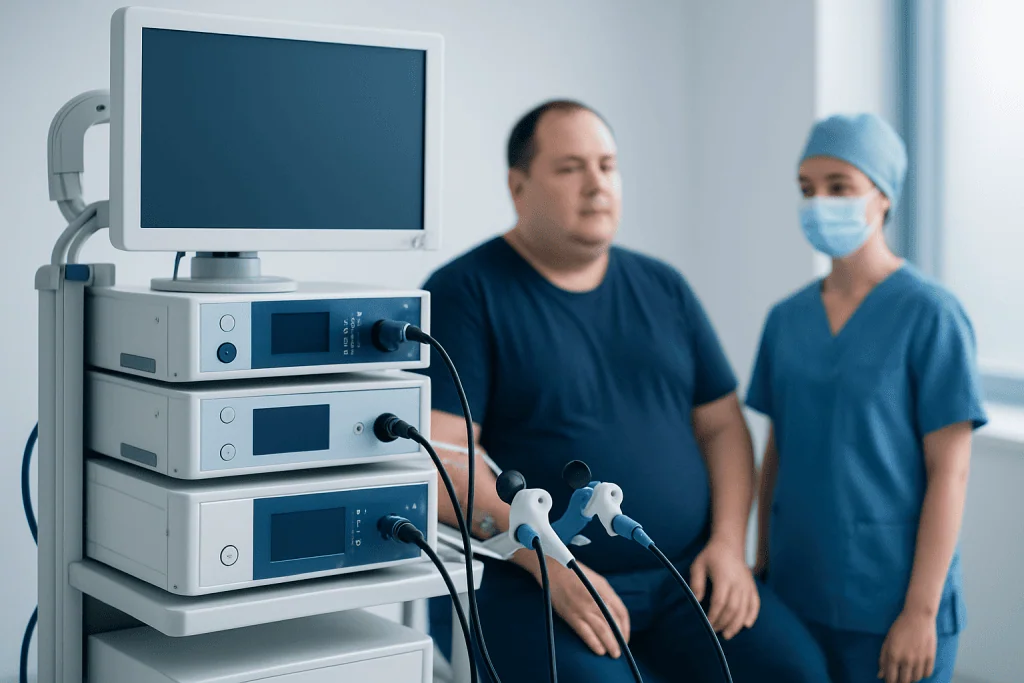
Not everyone who wants weight-loss surgery is automatically ready for gastric sleeve surgery abroad. In general, candidates are adults with obesity or obesity-related health problems who have not achieved enough benefit from diet, exercise, and non-surgical treatment alone. A bariatric specialist usually considers body mass index, overall health, eating patterns, previous abdominal surgery, medications, and mental readiness.
Before traveling, the patient should have a thorough medical review. This may include blood tests, heart and lung assessment, screening for sleep apnea, review of diabetes or high blood pressure, and discussion of digestive symptoms such as reflux. Doctors also evaluate whether the patient understands the lifelong nutrition changes required after surgery.
Psychological preparation matters as much as physical preparation. Patients should be ready for gradual eating progression, vitamin supplementation, regular checkups, and realistic weight-loss expectations. When needed, conditions such as obesity and type 2 diabetes should be stabilized as much as possible before the trip to lower surgical risk and support recovery.
How to Plan the Trip and Choose Care

Planning starts with selecting a qualified surgical center and confirming that the team routinely performs sleeve gastrectomy. Patients should ask about the surgeon’s specialty training, the hospital’s accreditation, the anesthesia team, infection prevention measures, language support, and what pre-operative and post-operative services are included. Clear communication before travel helps reduce stress and avoids last-minute surprises.
Travel timing is another key part of the plan. Most patients need several days for in-person evaluation, the operation, hospital recovery, and early follow-up before they are fit to travel home. It is wise to avoid a rushed itinerary. Flights, hotel stays, and local transport should be arranged with comfort in mind, especially because bending, lifting, and long periods of sitting may be uncomfortable after surgery.
Patients should also plan practical details in advance. These include carrying passports and medical records, arranging a travel companion if possible, checking health insurance limits, understanding costs not included in the package, and identifying the nearest emergency facility. A written care plan should state whom to contact during office hours and after hours if symptoms arise. Near the end of recovery planning, some patients choose centers such as Acibadem International, where multidisciplinary specialists in JCI-accredited hospitals care for international patients undergoing bariatric procedures.
- Bring a list of medications, allergies, and past surgeries.
- Confirm instructions about smoking, alcohol, and stopping certain drugs before surgery.
- Pack loose clothing, supportive footwear, and any prescribed medical devices.
- Arrange help at home for the first days after returning.
Preparing for Surgery Before Departure
Preparation often begins weeks before travel. The surgical team may ask the patient to follow a special eating plan, lose a small amount of weight, increase activity if possible, and stop smoking. Some patients need additional tests or specialist clearance from cardiology, endocrinology, or pulmonology before they are approved for surgery abroad.
Medication review is essential. Blood thinners, certain diabetes medicines, anti-inflammatory drugs, supplements, and herbal products may need to be adjusted before the operation. These decisions must be made by qualified doctors who know the patient’s medical history. Patients should never stop prescription medicines on their own.
It also helps to prepare for the first weeks after surgery before the trip even begins. Patients should understand the stages of the post-operative diet, how to sip fluids slowly, how protein intake will be increased, and which vitamin and mineral supplements will likely be needed. Reviewing nutrition and diet support in advance can make the transition smoother and help prevent dehydration and nutritional deficiencies.
Recovery Abroad and the Flight Home
Recovery after sleeve gastrectomy starts immediately after the operation. In the hospital, the care team monitors pain control, early walking, breathing, fluid intake, and signs of complications. Walking soon after surgery is encouraged because it supports circulation, lung function, and bowel recovery. Patients are usually started on a staged fluid plan and are taught how to drink slowly and regularly.
During the first days, tiredness, mild abdominal discomfort, bloating, and reduced appetite are common. However, severe pain, repeated vomiting, fever, chest pain, shortness of breath, or increasing redness around incision sites need urgent medical review. Before discharge, patients should receive written instructions covering wound care, hydration goals, diet progression, activity limits, medications, and emergency contacts.
Flying home too soon can be uncomfortable and, in some cases, medically unwise. The decision should be made by the treating surgeon based on the patient’s progress, mobility, fluid intake, and risk factors such as blood clots. During travel, patients should stay hydrated as instructed, walk when permitted, avoid lifting heavy luggage, and follow all advice about compression stockings or preventive medication if these were recommended.
Follow-Up After Returning Home
Follow-up is one of the most important parts of gastric sleeve surgery abroad. The operation changes the stomach, but long-term success depends on ongoing medical review, nutritional support, and behavior change. Patients should know exactly how and when they will have contact with the surgical team after they leave the country, whether through video consultations, reports, or direct coordination with a local doctor.
Routine follow-up usually includes checking weight trend, hydration, protein intake, bowel habits, reflux symptoms, vitamin use, and tolerance of diet progression. Blood tests may be needed to monitor iron, vitamin B12, folate, vitamin D, calcium, and other nutritional markers. Monitoring is especially important during the first year, when eating habits and weight loss are changing most rapidly.
It is helpful to arrange a local physician before traveling abroad for surgery. That doctor may assist with blood pressure and diabetes medication changes, wound checks, blood tests, and referrals if concerns arise. Patients who already live with reflux or related digestive symptoms may also benefit from understanding conditions such as gastroesophageal reflux disease before deciding whether a sleeve is the best procedure for them.
Self-Care, Nutrition, and Lifestyle for Long-Term Results
After gastric sleeve surgery, eating patterns need to change in a lasting way. Meals become small, slow, and structured. Patients are usually advised to prioritize protein, sip fluids throughout the day, avoid drinking large amounts with meals, and limit foods high in sugar or fat that may be poorly tolerated or interfere with weight-loss goals. The exact nutrition plan should come from the treating team.
Hydration deserves special attention because the smaller stomach makes it difficult to drink large volumes at once. Patients should sip regularly and watch for signs such as dark urine, dizziness, dry mouth, or fatigue. Vitamin and mineral supplements are often part of long-term care after sleeve gastrectomy, since reduced food intake can make it harder to meet nutritional needs consistently.
Physical activity also supports recovery and weight management. Gentle walking usually begins early, and activity increases gradually based on medical advice. Sleep, stress management, and emotional support matter too, as habits, appetite cues, and social routines can change significantly after surgery. Ongoing support from dietitians, psychologists, or bariatric nurses can help patients adapt and maintain progress.
When to Seek Medical Help
Patients should seek prompt medical advice if they develop warning signs after surgery, whether they are still abroad or already home. Important symptoms include fever, worsening abdominal pain, increasing wound redness or drainage, inability to keep fluids down, repeated vomiting, fainting, severe weakness, shortness of breath, chest pain, leg swelling, or black or bloody stools. These symptoms do not always mean a serious problem, but they should not be ignored.
Some issues appear later and can be easy to dismiss. Ongoing reflux, trouble swallowing, frequent dehydration, poor protein intake, constipation, hair thinning, or fatigue may point to nutrition problems or the need to adjust the recovery plan. Early advice often prevents small concerns from becoming bigger setbacks.
Patients should keep a written summary of their operation, discharge instructions, medication list, and contact details for both the overseas surgical team and their local doctor. Knowing where to go in an emergency and how to explain the recent surgery can make care faster and more coordinated. Safe medical travel depends not only on the operation itself, but also on a realistic plan for what happens if help is needed afterward.
Frequently asked questions
How long should a patient stay abroad after gastric sleeve surgery?
The exact length depends on the patient's health, the surgeon's advice, and how recovery is progressing. In general, patients should allow enough time for pre-operative assessment, the hospital stay, and early follow-up before flying home. A rushed return trip is usually not ideal.
Is it safe to fly after sleeve gastrectomy?
Flying may be safe when the surgeon confirms that the patient is stable, mobile, and drinking enough fluids. The timing varies from person to person. Patients should follow instructions about walking, hydration, and blood clot prevention during travel.
What records should a patient bring when traveling for surgery?
Patients should bring identification, previous medical records, a list of medications, allergy information, and any recent test results. It is also helpful to carry details of past surgeries and chronic conditions. Keeping both paper and digital copies can be useful.
Why is follow-up so important after gastric sleeve surgery abroad?
Follow-up helps monitor healing, weight loss, hydration, nutrition, and any early or late complications. It also allows doctors to adjust supplements, review blood tests, and support long-term eating changes. Good follow-up is a central part of successful bariatric care.
Can a local doctor help after surgery done in another country?
Yes, and this is often very helpful. A local doctor can assist with routine checks, medication changes, blood tests, and urgent assessment if symptoms appear. Ideally, this arrangement should be made before the patient travels for surgery.
What are the most common recovery priorities after returning home?
The main priorities are hydration, gradual diet progression, enough protein, light movement, wound care, and taking prescribed supplements or medicines. Patients should also watch for warning signs such as fever, vomiting, or trouble drinking. Regular communication with the care team remains important.
References
- World Health Organization
- American Society for Metabolic and Bariatric Surgery
- International Federation for the Surgery of Obesity and Metabolic Disorders
- National Institute of Diabetes and Digestive and Kidney Diseases
- Centers for Disease Control and Prevention
This article is for general information only and is not a substitute for professional medical advice. Please consult a qualified doctor about your individual situation.
Gastric Sleeve Surgery in Turkey — costs, top hospitals & a free quote
JCI-accredited · board-certified surgeons · reply within 24h
Add us as a Preferred Source to see more of our trusted health content across Google Search, AI Overviews and Discover.
Check your numbers in seconds
BMI, calories, due date, blood pressure and 30+ more clinical calculators — free, instant, doctor-reviewed ranges.

Bariatric & Metabolic Surgery
Surgical and endoscopic treatments for obesity and metabolic conditions.