Gastrocolic reflex: Symptoms, Causes, and Treatment — Complete Patient Guide
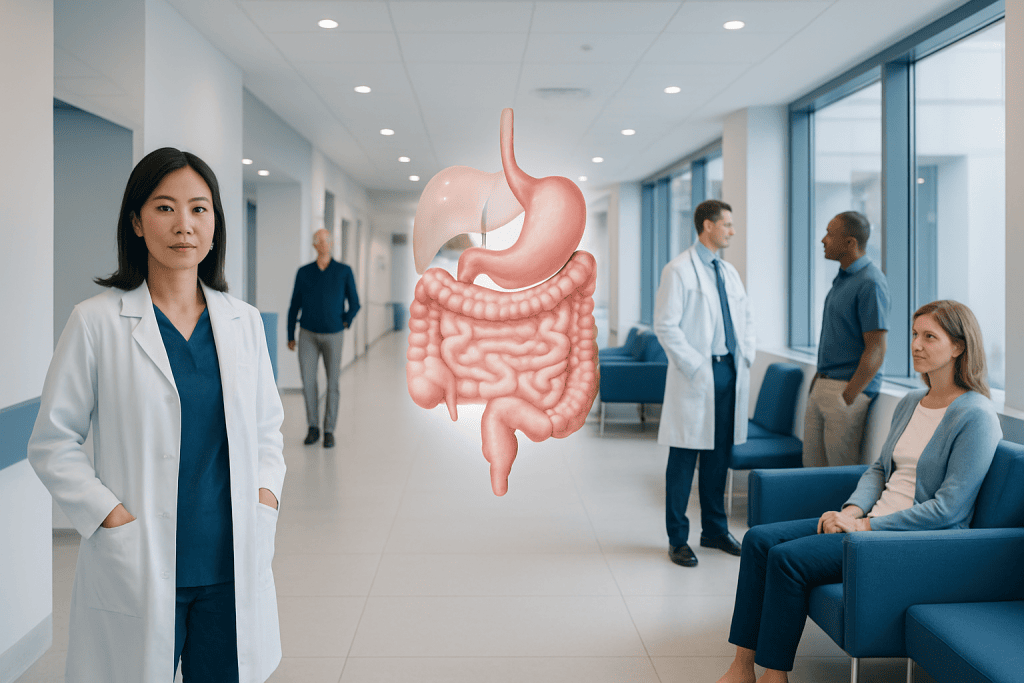
The gastrocolic reflex is a normal digestive response that increases colon activity after eating. Symptoms become problematic when they are strong, urgent, painful, or linked with diarrhea and repeated bowel movements.
Key Takeaways
- The gastrocolic reflex is a normal digestive response that increases colon activity after eating.
- Symptoms become problematic when they are strong, urgent, painful, or linked with diarrhea and repeated bowel movements.
- Common triggers include large meals, fatty foods, stress, caffeine, and underlying digestive conditions such as irritable bowel syndrome.
- Evaluation focuses on symptom patterns, diet, medical history, and ruling out other gastrointestinal disorders.
- Treatment usually involves managing triggers, adjusting eating habits, and treating any underlying digestive condition.
The gastrocolic reflex is the body’s normal signal that stimulates the colon after food enters the stomach. It becomes a health concern when this response causes urgent bowel movements, cramping, diarrhea, or repeated discomfort after meals, especially if symptoms are frequent or affect daily life.
What the gastrocolic reflex is
The gastrocolic reflex is a normal digestive response that happens when food enters the stomach. This signal tells the colon, or large intestine, to increase its movement, which can create an urge to pass stool after eating. In many people, this reflex is mild and goes unnoticed.
For some, however, the response is much stronger. They may feel cramping, bloating, or a sudden need to use the bathroom soon after a meal. This does not always mean there is a serious disease, but it can be uncomfortable and disruptive, especially when symptoms happen often.
The reflex is most noticeable in the morning and after larger meals. It can also be more intense after foods that stimulate the gut, such as fatty dishes, coffee, or very rich meals. Understanding that this is a body reflex rather than a disease itself can help patients and doctors look more clearly at possible triggers and related conditions.
How it can feel: common symptoms
A strong gastrocolic reflex often causes digestive symptoms shortly after eating. The timing is an important clue, because symptoms usually begin within minutes to about an hour after a meal. Some people describe it as an urgent need to find a bathroom right away.
Symptoms may include:
- Urgent bowel movement after meals
- Abdominal cramping or spasms
- Bloating or increased intestinal sounds
- Loose stools or diarrhea
- A feeling of incomplete emptying
- More frequent bowel movements during the day
Symptoms can vary from person to person. Some mainly notice urgency without pain, while others have significant cramping or repeated stools after eating. If symptoms alternate with constipation, become chronic, or are linked to food intolerance, a doctor may also consider conditions such as irritable bowel syndrome.
Children and adults can both experience a strong reflex, but the meaning depends on the full picture. Occasional urgency after a large meal can be normal, while frequent symptoms that affect school, work, travel, or social activities deserve medical attention.
Why the reflex becomes stronger
The exact strength of the gastrocolic reflex differs among individuals. Hormonal and nerve signals between the stomach, intestines, and brain help control bowel motility. In some people, these signals are simply more active, making the colon contract more strongly after meals.
Certain factors can make the reflex more noticeable:
- Large meals, especially after fasting
- High-fat or fried foods
- Caffeine-containing drinks
- Emotional stress or anxiety
- Food sensitivities, including lactose or poorly tolerated foods
- Rapid eating
A strong reflex can also occur alongside digestive disorders. These include irritable bowel syndrome, functional diarrhea, inflammatory bowel conditions, or recovery after a gastrointestinal infection. In some cases, symptoms overlap with Crohn’s disease or other inflammatory bowel diseases, although these conditions usually have additional warning signs and need medical evaluation.
Not every case has one single cause. Often, symptoms result from a combination of meal size, gut sensitivity, stress level, and an underlying tendency toward faster bowel movement.
How doctors assess the problem
There is no single test that diagnoses the gastrocolic reflex itself. Instead, doctors evaluate the symptom pattern and look for reasons why the reflex may be exaggerated. A careful history is often the most important step, including when symptoms happen, what foods trigger them, and whether weight loss, bleeding, fever, or nighttime symptoms are present.
The evaluation may include a physical examination and routine tests to rule out other digestive causes. Depending on the person’s age, symptoms, and medical history, a doctor may recommend stool tests, blood tests, imaging, or endoscopic examination. If bowel symptoms are persistent or unexplained, colonoscopy may be advised to examine the lining of the colon.
Some patients may also need assessment for food intolerance, celiac disease, inflammatory bowel disease, thyroid disorders, or bile acid-related diarrhea. The goal is not only to confirm that the bowel is reacting after meals, but also to be sure there is not another condition causing or worsening the symptoms.
Keeping a food and symptom diary before the appointment can be very helpful. It may show patterns such as symptoms after dairy, coffee, spicy meals, or periods of stress, which can guide diagnosis and treatment.
Treatment options and symptom relief
Treatment for a troublesome gastrocolic reflex depends on the cause and the severity of symptoms. If no serious disease is found, management usually focuses on reducing triggers and calming bowel overactivity. Many people improve with practical changes rather than intensive treatment.
Doctors may recommend smaller, more frequent meals instead of large ones. Limiting fatty foods, caffeine, alcohol, or specific trigger foods can also help. If symptoms are linked with a functional bowel disorder, treatment may overlap with care used for irritable bowel syndrome treatment.
In some cases, medications may be considered to reduce diarrhea, ease cramping, or support more regular bowel habits. The choice depends on whether urgency, pain, diarrhea, or mixed bowel symptoms are most prominent. A doctor may also assess whether gut-directed dietary strategies or nutrition counseling are appropriate.
When symptoms are persistent, specialist evaluation by a gastroenterologist may be useful. Advanced assessment of bowel function, and when needed gastroenterology care, can help clarify whether symptoms are caused by an exaggerated reflex alone or a broader digestive disorder.
Everyday habits that may help
Self-care measures often play an important role in controlling symptoms. Because the reflex happens in response to eating, even small changes in timing, meal composition, and stress management can make a noticeable difference. Improvement may take some trial and error, especially when food triggers are not obvious.
Helpful strategies may include:
- Eating smaller meals at regular times
- Chewing slowly and avoiding rushed meals
- Reducing high-fat, greasy, or very rich foods
- Watching the effect of coffee, energy drinks, and alcohol
- Staying well hydrated
- Managing stress through relaxation, walking, or breathing exercises
Some people benefit from increasing soluble fiber, while others find that certain high-fiber foods worsen urgency. Because responses differ, changes should be made gradually. If symptoms continue, professional guidance from a doctor or dietitian is safer than overly restrictive dieting.
People who notice a sudden change in bowel habits should not assume it is only the gastrocolic reflex. New or worsening symptoms deserve proper evaluation, particularly in older adults or anyone with a family history of gastrointestinal disease.
When to seek medical care
Medical care is important when bowel symptoms are frequent, disruptive, or difficult to explain. While a strong gastrocolic reflex is often not dangerous, repeated urgency after meals can sometimes point to an underlying digestive condition that should be assessed and treated.
A person should arrange medical review if they have ongoing diarrhea, abdominal pain, symptoms that wake them at night, or bowel changes lasting more than a few weeks. Care is also important if symptoms begin suddenly without a clear reason, especially later in life.
Urgent evaluation is needed if there is blood in the stool, black stools, fever, dehydration, unexplained weight loss, or severe persistent pain. These signs are not typical of a simple strong reflex and should not be ignored.
For patients who need further assessment, Acibadem International’s multidisciplinary specialists in JCI-accredited hospitals evaluate digestive complaints and provide treatment for international patients in a coordinated way.
Frequently asked questions
Is the gastrocolic reflex normal?
Yes. The gastrocolic reflex is a normal body response that increases colon activity after food enters the stomach. It only becomes a concern when it causes strong urgency, pain, diarrhea, or repeated symptoms that affect daily life.
Why do some people need to have a bowel movement right after eating?
This can happen because eating activates the gastrocolic reflex, which stimulates the colon to move stool forward. In some people the response is stronger, especially after large meals, fatty foods, coffee, or during times of stress.
Does a strong gastrocolic reflex mean IBS?
Not necessarily. A strong reflex can happen on its own, but it is also common in people with irritable bowel syndrome. A doctor looks at the full symptom pattern and checks for signs of other digestive conditions before making a diagnosis.
What foods can trigger gastrocolic reflex symptoms?
Common triggers include large meals, high-fat foods, fried foods, coffee, and alcohol. Some people also react to dairy, spicy meals, or foods they personally do not tolerate well, which is why a food diary can be useful.
How is a strong gastrocolic reflex treated?
Treatment usually starts with smaller meals, avoiding known triggers, and addressing stress or related digestive problems. If symptoms are persistent, a doctor may recommend tests and, when appropriate, medication or treatment for an underlying bowel disorder.
When should someone worry about bowel urgency after meals?
Medical advice is recommended if symptoms are frequent, worsening, or lasting more than a few weeks. Urgent care is needed for blood in the stool, black stools, fever, dehydration, unexplained weight loss, or severe ongoing pain.
References
- National Institute of Diabetes and Digestive and Kidney Diseases
- American College of Gastroenterology
- National Health Service
- Mayo Clinic
- Merck Manual Consumer Version
This article is for general information only and is not a substitute for professional medical advice. Please consult a qualified doctor about your individual situation.
Persistent digestive symptoms? Get evaluated in Turkey
JCI-accredited · board-certified surgeons · reply within 24h
Add us as a Preferred Source to see more of our trusted health content across Google Search, AI Overviews and Discover.