Gel Nail Extensions — Explained by Medical Evidence, Not Myths

Gel nail extensions differ from ordinary nail polish because they add structure or length to the natural nail. Most nail damage is linked to aggressive preparation, picking or incorrect removal rather than the gel product alone.
Key Takeaways
- Gel nail extensions differ from ordinary nail polish because they add structure or length to the natural nail.
- Most nail damage is linked to aggressive preparation, picking or incorrect removal rather than the gel product alone.
- Acrylate chemicals in gel products can cause allergic contact dermatitis, sometimes affecting the fingers, face or eyelids.
- Pain, redness, swelling, nail lifting or a green, yellow or dark nail discoloration should be assessed by a clinician.
- Breaks between applications, gentle removal and good salon hygiene can help protect nail and skin health.
Gel nail extensions are cosmetic enhancements that lengthen or reinforce the natural nail using a gel product cured under a UV or LED lamp. They are generally well tolerated when applied and removed properly, but repeated trauma, chemical allergy and infection are possible concerns that deserve informed nail care.
What are gel nail extensions?
Gel nail extensions are cosmetic nail enhancements designed to add length, shape or strength beyond the natural nail. A nail professional may apply a soft gel tip, build an extension with a thicker builder gel, or use a form to create a nail edge. The gel is usually hardened, or cured, under a UV or LED lamp. Although LED lamps often cure products more quickly, they still emit ultraviolet radiation.
Gel extensions are different from a standard gel manicure. A gel manicure usually coats the existing natural nail with colored gel polish, while an extension uses material to build or attach additional length. Products may be described as hard gel, soft gel, builder gel or gel tips. Their formulas and removal methods vary, so following the product instructions and using a trained nail professional can reduce avoidable injury.
Medical evidence does not suggest that every person who uses gel extensions will develop nail problems. However, the process can affect the nail plate and surrounding skin, especially when nails are repeatedly filed, products contact the skin, or extensions are pulled off. Understanding these risks helps people make practical choices without unnecessary concern.
How gel extensions can affect the nails and skin
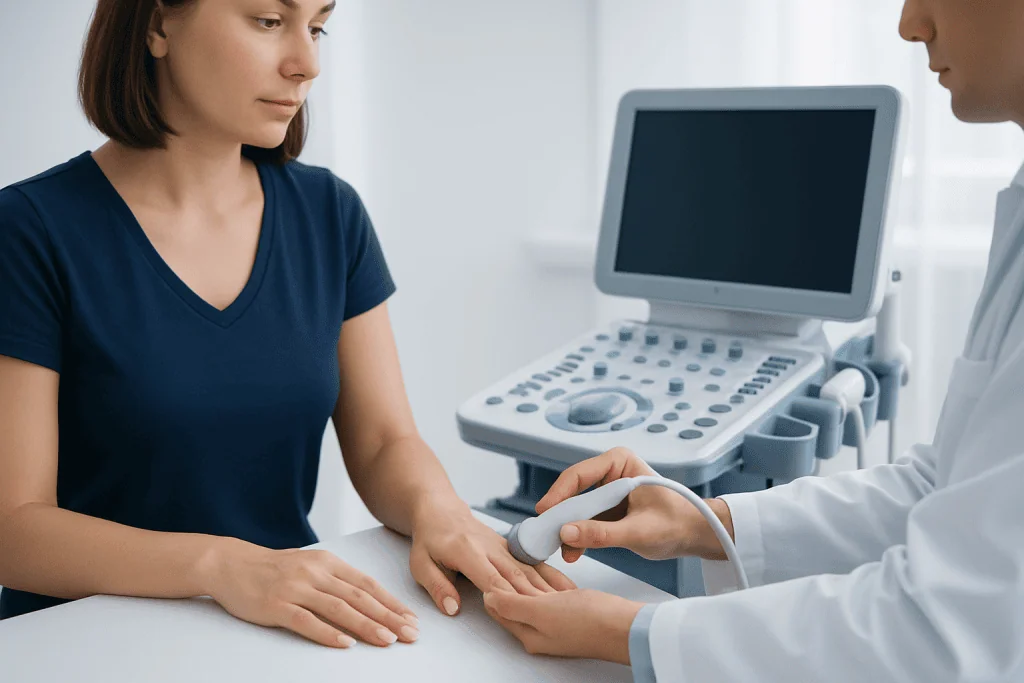
The visible nail plate is made of hardened keratin and does not breathe. However, it can become dry, rough or thin if it is heavily buffed before application or if gel is peeled away during removal. Peeling an extension off can pull away layers of the natural nail plate. This may leave nails tender, flexible or prone to splitting until healthy nail grows out.
Extensions may also create leverage on the natural nail. If a long extension catches on an object, it can cause a painful tear, lifting of the nail from the nail bed, or less commonly an injury to the nail bed itself. Shorter lengths and well-maintained extensions are less likely to catch. A damaged nail needs time to grow, and fingernails commonly take several months to fully replace themselves.
The skin around the nail can be irritated by filing dust, solvents, cuticle trimming or repeated exposure to chemicals. It is helpful to avoid cutting the cuticle, which forms part of the skin barrier around the nail. Moisturizing the hands and cuticles after washing and after removal can support comfort, although oils and creams do not repair a damaged nail plate immediately.
Allergy, irritation and infection: what is known
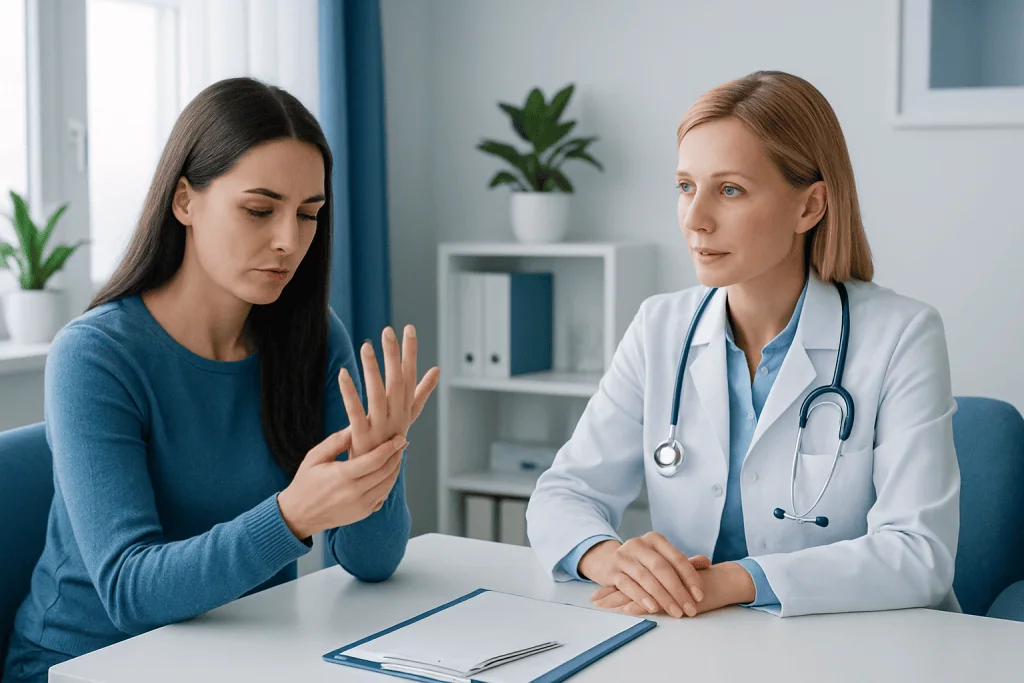
One of the more important medical concerns with gel nail products is allergic contact dermatitis. Gel systems may contain acrylates or methacrylates, chemicals that can trigger an immune allergy if uncured product repeatedly touches the skin. Symptoms can include itching, burning, redness, swelling, cracking or small blisters around the nails. In some people, the reaction appears on the eyelids, face, neck or other areas touched by the hands.
Allergy risk may increase when products are not cured fully, are mixed with incompatible lamps, are used beyond their instructions, or are applied at home without preventing skin contact. Once a person becomes allergic to a particular acrylate, they may need to avoid related substances. This can be medically relevant because some acrylates are also used in dental materials, medical adhesives and other products. A dermatologist can assess suspected allergy, sometimes with patch testing.
Gel extensions do not directly cause all nail infections, but moisture can become trapped beneath a lifted enhancement. This may allow bacteria or fungi to grow, particularly if the natural nail is already damaged. A greenish color can occur with certain bacterial colonization, while white, yellow or thickened nails have several possible causes. A clinician can distinguish cosmetic staining from conditions such as nail fungus and recommend appropriate care.
UV and LED lamps: putting the exposure in context
UV and LED nail lamps use ultraviolet light to cure gel products. The amount of exposure during a typical appointment is brief, and the long-term skin cancer risk from occasional use has not been fully defined. Research suggests that the exposure is lower than many other common sources of ultraviolet light, but it is not zero. Risk may be more relevant for people with frequent, long-term exposure or conditions that make them sensitive to light.
People who wish to reduce exposure can apply broad-spectrum SPF 30 or higher sunscreen to the backs of their hands before an appointment, allowing time for it to dry, or use fingerless UV-protective gloves. Sunscreen should not be applied to the nail surface if it may interfere with adhesion. These measures are optional risk-reduction steps rather than a reason to avoid nail care entirely.
Anyone taking a medicine that increases sun sensitivity, or living with a photosensitive skin condition, should ask a dermatologist or prescribing clinician about UV nail lamps. This includes people who have previously had skin cancer on the hands. The safest approach is individualized: the frequency of gel use, skin history and available alternatives can all be considered.
Safer application, maintenance and removal
Choosing a clean, reputable salon and a professional who uses properly labeled products is an important first step. Nail tools that contact skin or nails should be cleaned and disinfected between clients, while single-use files and buffers should not be shared. The application area should be well ventilated, and gel should be kept off the surrounding skin. A person should not proceed if the nail or cuticle is already sore, broken or visibly infected.
During wear, extensions should not be used to pry open objects or scratch hard surfaces. They should be repaired or removed if they crack, lift or become painful. Keeping them at a manageable length and arranging regular maintenance can reduce catching and moisture trapped beneath lifted material. People who develop recurrent irritation may benefit from stopping gel services and seeking advice before trying another product system.
Removal is a key part of nail safety. Soak-off gel products are typically softened with an appropriate solvent and gently lifted only after they release. Hard gels may need careful filing by a trained professional. The product should not be forcibly peeled, scraped deeply or removed with excessive drilling. After removal, nails can be kept short, moisturized and free of enhancements for a period if they feel thin or sensitive.
Who may need extra caution with gel nail extensions?
People with a past reaction to gel nails, acrylic nails, adhesives or certain cosmetic products should avoid re-exposure until they have been assessed. Continuing to use a product after itching, swelling or blistering can make an allergic reaction more severe and persistent. Those with eczema, psoriasis around the nails or a damaged skin barrier may also be more prone to irritation.
Extra care is sensible for people with diabetes, reduced circulation, reduced sensation in the hands, immune suppression or a history of recurrent nail infections. These conditions do not automatically rule out cosmetic nail services, but even small skin injuries can be harder to notice or heal. A clinician can offer personalized guidance when there are concerns about infection risk or wound healing.
Gel extensions are best avoided on nails that are painful, lifting, markedly discolored, thickened or changing shape until the cause is known. Covering a nail problem can delay diagnosis and make monitoring more difficult. Children and adolescents should also use cosmetic nail products cautiously because of potential skin sensitization and the importance of avoiding skin contact with uncured gel.
When to seek medical care
Medical assessment is advisable for increasing pain, warmth, redness, swelling, pus, bleeding, or a spreading rash around the nail. Prompt care is also important after a nail injury that causes significant lifting or separation from the nail bed. These symptoms may indicate infection, dermatitis or trauma that needs treatment rather than another cosmetic application.
A person should arrange a dermatology review for repeated itching, blisters or eczema-like changes after gel use, especially if symptoms affect the eyelids or face. Patch testing may help identify a contact allergy. A new dark streak or dark spot in the nail that does not grow out, or pigment extending onto nearby skin, should be assessed promptly because nail pigmentation has different possible causes.
For international patients, Acibadem International’s multidisciplinary specialists and JCI-accredited hospitals can assess nail and skin concerns and guide appropriate treatment. In most cases, protecting the nail from further trauma and obtaining timely advice when symptoms arise supports healthy regrowth.
Frequently asked questions
Do gel nail extensions damage natural nails?
Gel nail extensions do not inevitably damage natural nails. Damage is more often related to excessive filing, picking, pulling extensions off, or repeated use without allowing irritated nails to recover. Gentle professional removal and avoiding skin contact with gel can reduce risk.
Are gel nail extensions safer than acrylic nails?
Neither option is completely risk-free, and safety depends on the ingredients, application technique, hygiene and removal process. Both gel and acrylic systems can cause irritation, allergy, nail trauma or infection if used incorrectly. A person with a suspected acrylate allergy should seek medical advice before using either type.
Can gel nail extensions cause an allergic reaction?
Yes. Some people develop allergic contact dermatitis to acrylates or related chemicals in nail products. Itching, swelling, redness, cracking or blisters around the nails, hands, face or eyelids should prompt stopping the product and arranging medical assessment.
How can gel extensions be removed without harming the nails?
The correct removal method depends on the product. Soak-off products should be softened as directed, while hard gels usually require careful filing; neither should be peeled or forcibly scraped away. A trained nail professional can help minimize removal-related trauma.
Should people wear sunscreen for a gel nail lamp?
UV and LED lamps expose the hands to ultraviolet light for a short period. People who want additional protection can use broad-spectrum sunscreen on the backs of the hands or fingerless UV-protective gloves. Those with photosensitivity or a history of skin cancer should ask a clinician for individualized advice.
How long should someone wait before getting gel extensions again?
There is no single medically required interval for everyone. If nails are healthy and the skin is not irritated, maintenance schedules vary by product and nail growth. If nails are thin, sore, lifting or surrounded by rash, it is best to pause applications until they recover and a clinician has assessed persistent symptoms.
References
- American Academy of Dermatology
- British Association of Dermatologists
- U.S. Food and Drug Administration
- American Contact Dermatitis Society
This article is for general information only and is not a substitute for professional medical advice. Please consult a qualified doctor about your individual situation.
Explore treatments in Turkey — costs, top hospitals & a free quote
JCI-accredited · board-certified surgeons · reply within 24h
Add us as a Preferred Source to see more of our trusted health content across Google Search, AI Overviews and Discover.

More from the Health Library



Related Specialists
Dr. Ali Doruk Hacıoğlu
General Surgery
Dr. Esin Özlem Atmış
Otorhinolaryngology
Prof. Dr. Mustafa Uğur Altuğ
Urology
Fzt. Ecem Yurdadoğan
Physical Medicine & Rehabilitation