Genetic testing embryos pgt in Turkey: Hospitals, Safety & What to Expect

PGT is an IVF laboratory procedure that tests a small sample of cells from an embryo before transfer. Different PGT types assess chromosome number, a known inherited condition, or chromosome rearrangements.
Key Takeaways
- PGT is an IVF laboratory procedure that tests a small sample of cells from an embryo before transfer.
- Different PGT types assess chromosome number, a known inherited condition, or chromosome rearrangements.
- PGT can reduce the chance of transferring an embryo with the specific finding tested, but it cannot guarantee pregnancy or a healthy child.
- Embryo biopsy is usually performed at the blastocyst stage, and embryos are commonly frozen while results are analyzed.
- Genetic counseling and discussion of prenatal testing remain important, including after a PGT-guided pregnancy.
- International patients should plan for pre-treatment review, IVF monitoring, laboratory timing, travel arrangements, and follow-up care.
Genetic testing embryos PGT in Turkey is performed alongside in vitro fertilization (IVF) to assess embryos for selected chromosome or inherited genetic changes before transfer. It may be considered for people with known genetic risks, certain fertility histories, or recurrent pregnancy loss, following individualized counseling and testing.
Overview: What Is Genetic Testing of Embryos (PGT)?
Genetic testing embryos PGT in Turkey refers to preimplantation genetic testing (PGT), a group of laboratory tests performed during IVF. A small number of cells are taken from an embryo created in the IVF laboratory and analyzed before an embryo is selected for transfer to the uterus. The aim is to provide information about specific genetic or chromosomal findings relevant to the individual or couple.
PGT does not replace IVF; it is one step within an IVF cycle. It is different from genetic testing during pregnancy because it takes place before embryo transfer. It also differs from routine embryo appearance grading, which assesses development and morphology but cannot identify all chromosome or gene-related conditions.
There are several forms of PGT. PGT-A evaluates whether embryos have an expected number of chromosomes; PGT-M is designed for a known single-gene condition in a family; and PGT-SR is used when one parent carries a structural chromosome rearrangement. The appropriate approach depends on the medical history, genetic results, reproductive history, and local clinical and legal requirements.
Who May Be Considered for PGT?

PGT may be discussed with people who are already planning IVF and have a reason to assess embryos for a particular genetic or chromosomal concern. A reproductive medicine specialist and, when appropriate, a genetic counselor can explain what the test can and cannot answer for the family.
PGT-M may be appropriate when one or both prospective parents carry a known disease-causing genetic variant associated with an inherited condition. PGT-SR may be considered when a parent has a balanced translocation or another chromosome rearrangement that can increase the likelihood of embryos with an unbalanced chromosome pattern. PGT-A is sometimes considered in the context of age-related chromosome risk, repeated IVF failure, or recurrent pregnancy loss, although its benefit varies between patients and is not universal.
Before treatment, the team usually reviews prior pregnancy outcomes, family history, semen and ovarian assessments, and any existing genetic reports. For PGT-M, a custom test setup may be needed and can involve testing samples from family members. This preparation means that planning often begins well before the IVF stimulation cycle.
- Known carrier status for a genetic condition
- A previous child or pregnancy affected by a known inherited disorder
- A parental chromosome rearrangement
- Selected histories of recurrent pregnancy loss or unsuccessful IVF cycles
- Age-related concerns about embryo chromosome number, after personalized counseling
How the PGT Procedure Works Step by Step
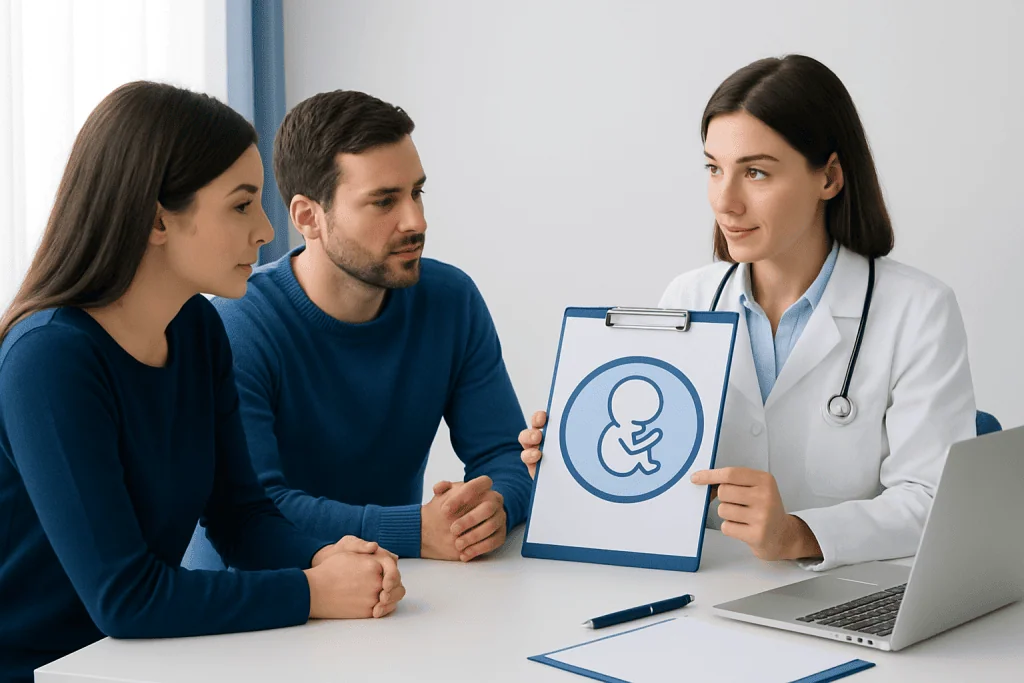
The process begins with a fertility and genetics consultation. The clinic confirms the indication for PGT, reviews available records, and explains likely timelines. In many cases, the IVF portion includes ovarian stimulation with hormone medicines, ultrasound and blood-test monitoring, and a scheduled egg collection procedure. Sperm is collected or prepared on the day of egg retrieval, unless previously frozen sperm is used.
In the laboratory, eggs are fertilized and embryos are cultured for several days. At the blastocyst stage, an embryologist removes a few cells from the trophectoderm, the outer layer that later contributes mainly to the placenta. The cells are sent for genetic analysis, while suitable embryos are usually cryopreserved until results are available.
After results are reviewed, the fertility specialist discusses which embryos, if any, may be suitable for transfer based on the specific test performed. A later frozen embryo transfer cycle prepares the uterine lining and places one selected embryo into the uterus through a thin catheter. Learn more about the wider IVF treatment process and how it may be coordinated with genetic testing.
The number of embryos available for testing and transfer can vary substantially. It depends on factors such as age, ovarian response, egg and sperm factors, embryo development, and the genetic finding being assessed. Not every IVF cycle produces embryos suitable for biopsy, and not every tested embryo will have a result that supports transfer.
Benefits, Limits and Safety Considerations
A potential benefit of PGT is that it can help identify embryos that are less likely to be affected by the specific condition or chromosome finding being tested. For families with a known inherited disorder, it may offer an alternative reproductive pathway to testing only after pregnancy begins. For some patients, it may also help inform embryo-transfer decisions after a difficult reproductive history.
However, PGT has important limits. It does not test for every genetic condition, birth difference, developmental condition, or future health problem. PGT-A assesses chromosome number in the sampled cells, but embryos can contain a mixture of cell lines, known as mosaicism. Results must therefore be interpreted by experienced laboratory and clinical teams, and a result cannot guarantee implantation, pregnancy, live birth, or lifelong health.
Embryo biopsy is performed by trained embryologists using established laboratory techniques. Available evidence supports its use in appropriately selected IVF cycles, but no procedure is entirely without uncertainty. Potential concerns include no embryos developing to biopsy, an inconclusive result, an embryo being unsuitable for transfer after testing, or the possibility that the sampled cells do not fully represent the embryo.
Professional organizations commonly recommend discussing prenatal screening and diagnostic testing after a PGT-guided pregnancy. Diagnostic testing during pregnancy may be particularly relevant after PGT-M or PGT-SR, depending on the clinical circumstances and the family’s preferences.
Recovery Timeline and What to Expect After Each Stage
Recovery from egg collection is usually brief. Mild pelvic discomfort, bloating, light vaginal spotting, tiredness, or nausea can occur for a few days. The clinical team provides individualized instructions about activity, pain relief, hydration, and symptoms that should prompt urgent contact. The embryo biopsy itself is performed in the laboratory, so it does not create additional physical recovery for the patient.
Results timing depends on the test method, laboratory workflow, and whether a personalized PGT-M assay has been developed. Since embryos are often frozen after biopsy, transfer generally takes place in a later cycle rather than immediately after egg retrieval. This separation can allow time for results review and transfer planning.
After embryo transfer, most people can return to gentle normal activities, unless their doctor advises otherwise. The team will explain medicines that support the uterine lining and when to take a pregnancy test. Resting completely does not improve implantation, but avoiding strenuous activity may be advised for a short period based on the individual treatment plan.
International patients should allow time for the consultation, initial investigations, ovarian stimulation monitoring, egg collection, and safe travel after the procedure. Depending on the plan, embryo transfer may occur during a later visit or be coordinated with local follow-up. Acibadem International’s multidisciplinary fertility and genetics specialists at JCI-accredited hospitals can support international patients through diagnostic review, treatment planning, and coordination of care.
Preparing for Treatment and Practical Planning in Turkey
Careful preparation can make an overseas IVF-PGT journey more manageable. Before travel, patients should send relevant medical records, including fertility tests, ultrasound reports, prior IVF summaries, genetic reports, infectious disease screening where applicable, and medication lists. The receiving team can then advise which tests may need repeating and whether genetic test setup is required before an IVF cycle begins.
A treatment coordinator can help organize appointment dates, interpreter support where needed, and accommodation planning. It is helpful to consider the expected length of stay for monitoring and egg collection, whether a partner needs to travel, and whether a future visit may be needed for frozen embryo transfer. Patients should also make arrangements for follow-up with a qualified clinician at home.
Patients can support general well-being by following prescribed medicines exactly, attending monitoring appointments, avoiding smoking and recreational drugs, and discussing alcohol use, supplements, and chronic conditions with their doctor. A balanced diet, sleep, and emotional support can also be valuable during treatment, although lifestyle steps cannot guarantee IVF or PGT outcomes.
Questions about embryo storage, consent, the reporting of mosaic or inconclusive findings, options for embryos not selected for transfer, and pregnancy follow-up should be addressed before treatment starts. Informed consent is an ongoing process, and patients should feel able to ask for clarification at any stage.
When to Seek Medical Care
Patients should contact their fertility clinic promptly after egg retrieval if they develop worsening abdominal pain or swelling, persistent vomiting, fever, heavy bleeding, shortness of breath, fainting, or markedly reduced urination. These symptoms are uncommon but may need timely assessment, including evaluation for complications such as ovarian hyperstimulation syndrome or infection.
After embryo transfer, urgent medical advice is appropriate for heavy bleeding, severe one-sided pelvic pain, shoulder-tip pain, dizziness, fainting, fever, or severe abdominal pain. A positive pregnancy test followed by pain or bleeding should also be assessed promptly because early pregnancy complications, including ectopic pregnancy, require medical attention.
Emotional support is also a form of care. Waiting for embryo results, receiving an unexpected result, or facing an unsuccessful cycle can be distressing. A fertility counselor, genetic counselor, mental health professional, or support network can help patients make decisions and cope with the uncertainty that can accompany treatment.
Frequently asked questions
What does PGT test embryos for?
PGT can test for different concerns depending on the type used. PGT-M looks for a known single-gene condition, PGT-SR assesses embryos when a parent has a chromosome rearrangement, and PGT-A evaluates chromosome number. It does not detect every possible genetic or health condition.
Is genetic testing of embryos the same as IVF?
No. IVF is the process of collecting eggs, fertilizing them in a laboratory, and transferring an embryo to the uterus. PGT is an additional laboratory step within IVF that examines cells biopsied from embryos before transfer.
Does PGT guarantee a healthy baby or successful pregnancy?
No. PGT can provide useful information about the specific genetic or chromosome issue tested, but it cannot guarantee embryo implantation, pregnancy, live birth, or a child without all health conditions. Prenatal screening and, when advised, diagnostic testing remain important options after pregnancy is established.
Is embryo biopsy painful?
The embryo biopsy takes place in the IVF laboratory and is not felt by the patient. The patient may have temporary discomfort after egg retrieval, which is a separate procedure. The fertility team can explain expected recovery and safe symptom management.
How long does the PGT process take?
Timing varies according to the type of testing, laboratory procedures, and whether a personalized test must be created for a known family condition. IVF stimulation and egg collection usually require several appointments, and embryos are often frozen while results are processed. The clinic can provide a personalized travel and treatment timeline.
Can PGT be used if there is no known genetic condition in the family?
In some circumstances, PGT-A may be discussed even without a known inherited condition, such as in selected cases involving reproductive history or age-related chromosome concerns. It is not suitable or beneficial for every patient. A fertility specialist can explain the expected value and limitations for an individual situation.
References
- American Society for Reproductive Medicine
- European Society of Human Reproduction and Embryology
- American College of Obstetricians and Gynecologists
- Human Fertilisation and Embryology Authority
- World Health Organization
This article is for general information only and is not a substitute for professional medical advice. Please consult a qualified doctor about your individual situation.
IVF & fertility treatment in Turkey — success rates and costs
JCI-accredited · board-certified surgeons · reply within 24h
Add us as a Preferred Source to see more of our trusted health content across Google Search, AI Overviews and Discover.

IVF & Reproductive Health
Assisted reproduction and fertility treatments tailored to each couple.