

Genital Warts in Women: Symptoms, HPV Link, and Treatment Options

Genital warts are usually caused by low-risk HPV types, most commonly HPV 6 and 11. Warts may appear as small bumps, flat lesions, or cauliflower-like clusters on the vulva, vagina, cervix, or around the anus.
Key Takeaways
- Genital warts are usually caused by low-risk HPV types, most commonly HPV 6 and 11.
- Warts may appear as small bumps, flat lesions, or cauliflower-like clusters on the vulva, vagina, cervix, or around the anus.
- Some genital warts cause no symptoms, while others may lead to itching, irritation, or discomfort during sex.
- Treatment removes visible warts but may not eliminate HPV completely, so recurrence can happen.
- HPV vaccination, condom use, and routine cervical screening are important parts of prevention and long-term care.
Genital warts in women are a common sexually transmitted infection caused most often by certain low-risk types of human papillomavirus (HPV). They can often be treated effectively, and regular gynecologic care also helps address broader cervical health related to HPV.
Overview of genital warts in women
Genital warts are growths that develop on the skin or mucous membranes in the genital or anal area. In women, they may appear on the vulva, around the vaginal opening, inside the vagina, on the cervix, or around the anus. They are caused by certain types of human papillomavirus, usually low-risk HPV types that are linked to warts rather than cancer.
These warts are spread mainly through skin-to-skin sexual contact, including vaginal, anal, and sometimes oral sexual contact. A person can carry and transmit HPV even when they have no visible warts. Because of this, genital warts can appear weeks, months, or sometimes longer after exposure, making it hard to know exactly when the infection began.
Although genital warts can be upsetting, they are generally treatable and do not usually lead to serious health problems by themselves. Still, HPV is a broad group of viruses, and some high-risk HPV types are associated with changes in cervical cells. That is why women with genital warts still benefit from regular gynecologic follow-up and cervical screening as recommended by their doctor.
Symptoms and what genital warts look like
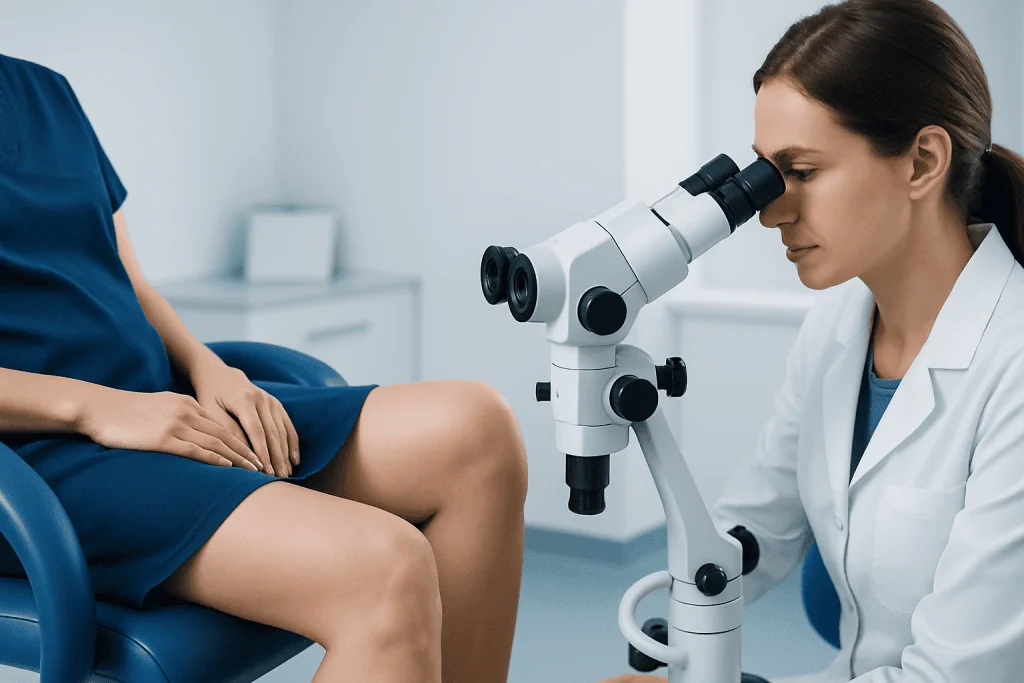
Genital warts can look different from one woman to another. They may be tiny and flesh-colored, pink, white, or slightly darker than the surrounding skin. Some are flat and easy to miss, while others are raised and grouped together in a shape sometimes described as cauliflower-like.
Many women do not notice any symptoms at first. Warts may be found during a gynecologic examination rather than by the patient herself. When symptoms do occur, they can include itching, burning, tenderness, moisture in the area, or discomfort during sexual intercourse. If a wart is irritated by friction, mild bleeding may occasionally happen.
The location of the warts can also affect symptoms. External warts on the vulva may be easier to see or feel, while internal warts in the vagina or on the cervix may not be visible without an examination. Around the anus, warts may cause irritation or a sensation of small bumps. Similar symptoms can also occur with other skin conditions, so a professional assessment is important.
- Small bumps or clusters in the genital area
- Flat or raised lesions
- Itching or irritation
- Discomfort with sex
- Occasional mild bleeding if the area is irritated
The HPV link: causes and risk factors
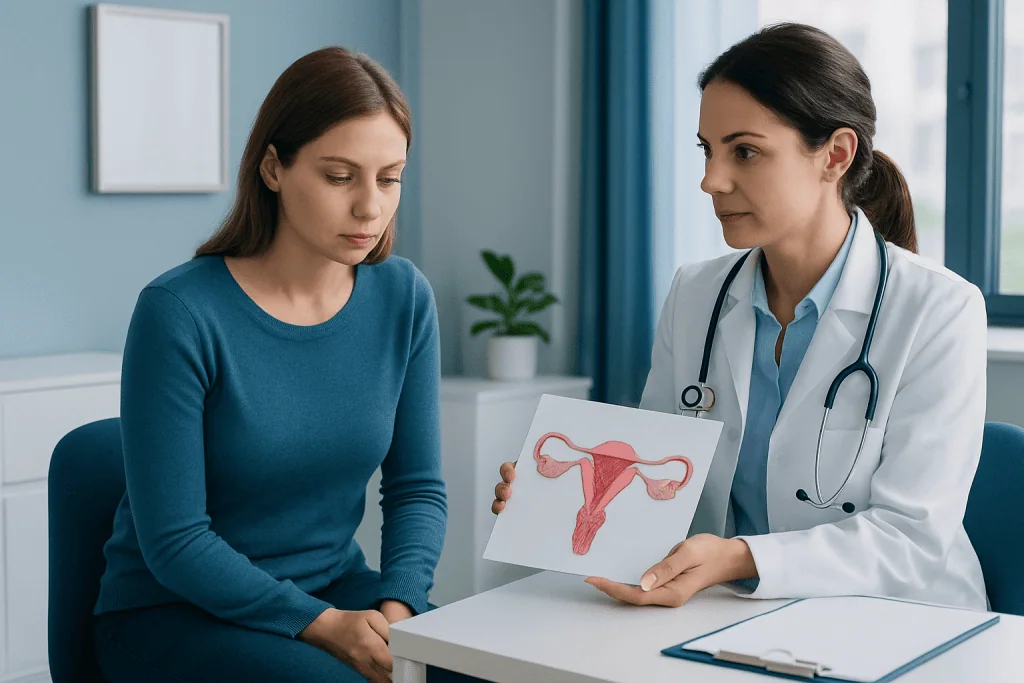
Genital warts are most often caused by low-risk HPV types 6 and 11. These HPV types are different from the high-risk types that are more strongly linked to cervical cancer and other cancers. Even so, a woman can have more than one HPV type over time, which is why routine screening remains important.
HPV spreads through intimate skin contact. Penetrative sex is not always required for transmission, and condoms reduce risk but do not provide complete protection because uncovered skin can still carry the virus. In many people, the immune system suppresses HPV naturally, but in others the virus remains active long enough to cause visible warts.
Several factors may increase the chance of acquiring or developing genital warts. These include having a new sexual partner, having multiple partners, a weakened immune system, smoking, and a history of other sexually transmitted infections. Younger sexually active adults are commonly affected, but genital warts can occur at any adult age.
It is also important to understand what genital warts are not. They are not a sign of poor hygiene, and their presence does not necessarily mean recent infidelity, because HPV can remain silent before warts appear. A calm, informed discussion with a healthcare professional can help women understand their own situation clearly.
How genital warts are diagnosed
Diagnosis usually begins with a medical history and physical examination. A doctor may identify genital warts by their appearance and location. In women, this often includes an examination of the vulva and, when needed, a speculum exam to look inside the vagina and at the cervix.
In some cases, additional evaluation may be needed if the diagnosis is uncertain or if lesions appear unusual. Doctors may consider other possibilities such as skin tags, molluscum contagiosum, benign vulvar growths, or changes related to other infections. If an area looks atypical, is pigmented, ulcerated, firm, or does not respond to treatment, a biopsy may be recommended to confirm the diagnosis.
HPV testing is not usually used to diagnose visible genital warts. However, cervical cancer screening with a Pap test, with or without HPV testing depending on age and guidelines, remains an important part of women’s health. If there are concerns about abnormal cervical changes, the doctor may advise further tests such as colposcopy to examine the cervix more closely.
If symptoms suggest another sexually transmitted infection, the doctor may recommend additional testing. This can be helpful because different infections can occur together and may need separate treatment.
Treatment options for genital warts
Treatment aims to remove visible warts, relieve symptoms, and improve comfort. The best option depends on the size, number, and location of the warts, whether the woman is pregnant, and her general health and preferences. Some small warts may go away on their own, but many women choose treatment because of symptoms, cosmetic concerns, or risk of spread.
Common treatment approaches include prescription topical medicines that are applied directly to the warts and in-office procedures performed by a trained clinician. Depending on the case, a doctor may use methods such as chemical treatments, freezing, cautery, or surgical removal. For selected lesions, procedural care may include cryotherapy or minor dermatologic surgery when clinically appropriate.
No single treatment is best for everyone, and more than one session is often needed. Even after successful removal, genital warts can come back because treatment removes the wart tissue but may not clear all HPV from nearby skin. This does not mean treatment failed; recurrence is a known part of HPV-related disease.
Self-treatment with over-the-counter wart removers meant for hands or feet should be avoided in the genital area because these products can damage delicate tissue. Women who are pregnant, immunocompromised, or have internal lesions should be treated under direct medical guidance. If there are concerns about related cervical abnormalities, care may also overlap with evaluation for cervical cancer.
Prevention, vaccination, and self-care
The most effective way to reduce the risk of genital warts is HPV vaccination. The vaccine protects against the HPV types most commonly linked to genital warts and also against several high-risk types linked to cervical and other cancers. Vaccination is most effective before exposure to HPV, but some adults may still benefit depending on age and personal circumstances.
Safer sex practices can also help lower risk. Using condoms consistently reduces transmission, though it does not eliminate it completely. Limiting the number of sexual partners and discussing sexual health openly with partners may also be helpful. If a woman has visible warts, avoiding sexual contact until she has been assessed can reduce spread and irritation.
Self-care focuses on protecting the skin and supporting overall health. It can help to avoid scratching, use gentle unscented products, wear breathable underwear, and stop smoking if applicable, since smoking may affect the body’s ability to control HPV. Regular cervical screening remains essential because genital warts and cervical cell changes involve different HPV-related issues.
Women may also wish to learn more about related HPV conditions, including HPV infection. Understanding the difference between low-risk and high-risk HPV can make diagnosis and follow-up less confusing and help patients take part in informed decisions about care.
When to see a doctor
A woman should see a doctor if she notices new bumps, skin changes, itching, or irritation in the genital or anal area. Medical evaluation is also important if a partner has genital warts or another sexually transmitted infection, or if symptoms continue despite home care measures. Early assessment can confirm the diagnosis and guide safe treatment.
Prompt medical attention is especially important if lesions are painful, bleeding, rapidly changing, or located inside the vagina, on the cervix, or around the anus. Pregnant women and people with weakened immune systems should not delay evaluation because treatment choices may need to be adjusted.
Women should also keep up with routine gynecologic visits, Pap testing, and HPV-related screening as advised. While genital warts are usually caused by low-risk HPV, a complete women’s health approach includes checking for cervical cell changes when appropriate. Near the end of the care pathway, some patients may choose assessment at specialized centers; Acibadem International’s multidisciplinary specialists and JCI-accredited hospitals diagnose and treat HPV-related conditions for international patients.
Frequently asked questions
Are genital warts in women always caused by HPV?
Yes. Genital warts are caused by certain types of human papillomavirus, usually low-risk types such as HPV 6 and 11. These types are different from the high-risk HPV types more closely associated with cervical cancer.
Can genital warts go away without treatment?
Sometimes they can. In some women, the immune system suppresses the virus and visible warts fade over time, but this may take months and recurrence can still occur. A doctor can help decide whether observation or active treatment is the better choice.
Do genital warts mean a woman has cervical cancer?
No. Genital warts are usually caused by low-risk HPV types and do not usually mean cancer is present. However, routine cervical screening is still important because a person can have exposure to other HPV types over time.
Can a woman have genital warts without knowing it?
Yes. Some genital warts are very small, flat, or located inside the vagina or on the cervix, where they are not easy to see. That is why some cases are discovered during a routine gynecologic exam.
Can genital warts come back after treatment?
Yes, recurrence is possible. Treatment removes the visible wart tissue, but HPV may still remain in surrounding skin for some time. Follow-up with a clinician can help manage repeat lesions if they develop.
Should sexual partners be told about genital warts?
In general, open communication with current sexual partners is a good idea. Partners may already have been exposed even if they have no symptoms, and they may benefit from medical advice about sexual health, STI testing, and HPV vaccination when appropriate.
References
- World Health Organization
- Centers for Disease Control and Prevention
- American College of Obstetricians and Gynecologists
- National Health Service
- American Academy of Dermatology
This article is for general information only and is not a substitute for professional medical advice. Please consult a qualified doctor about your individual situation.
Genital Warts in Turkey — costs, top hospitals & a free quote
JCI-accredited · board-certified surgeons · reply within 24h
Add us as a Preferred Source to see more of our trusted health content across Google Search, AI Overviews and Discover.

Gynecology & Obstetrics
Women’s health across pregnancy, gynecologic surgery and high-risk pregnancy care.
187 specialists in this unitMore from the Health Library



Related Specialists

Dt. Berna Atıcı
Oral & Dental Health
Dr. Türker Egesel
Gastroenterology
Prof. Dr. Mehmet Serdar Binnet
Orthopedic Surgery & Traumatology
Dr. Salim Sırrı Türker
Orthopedic Surgery & Traumatology