Geriatric Neurology: Memory, Balance, and Nerve Problems in Older Adults

Not every memory lapse, balance issue, or tingling sensation is a normal part of aging; persistent or worsening symptoms should be assessed. Geriatric neurology looks at the whole person, including medications, mobility, mood, sleep, nutrition, chronic diseases, and family support.
Key Takeaways
- Not every memory lapse, balance issue, or tingling sensation is a normal part of aging; persistent or worsening symptoms should be assessed.
- Geriatric neurology looks at the whole person, including medications, mobility, mood, sleep, nutrition, chronic diseases, and family support.
- Diagnosis may involve a neurological examination, cognitive testing, blood tests, imaging, nerve studies, and medication review.
- Treatment often combines medical care, rehabilitation, lifestyle measures, fall prevention, and caregiver education.
- Sudden weakness, facial drooping, speech trouble, new confusion, severe headache, or sudden vision loss requires urgent medical evaluation.
Geriatric neurology focuses on nervous system changes and conditions that become more common with age, including memory concerns, falls, nerve pain, tremor, stroke effects, and sleep-related problems. Early assessment can help older adults maintain safety, independence, and quality of life with treatment plans tailored to their overall health.
Overview
Geriatric neurology is the branch of neurology that focuses on brain, spinal cord, nerve, and muscle problems in older adults. It addresses conditions that may affect memory, balance, movement, sensation, sleep, speech, vision, and daily functioning. The goal is not only to diagnose disease, but also to help the person remain as independent, safe, and engaged as possible.
Aging can bring natural changes in reaction time, sleep pattern, and physical endurance. However, symptoms such as repeated falls, progressive forgetfulness, hand tremor, numb feet, new weakness, or marked personality change are not something families should simply accept as normal aging. These symptoms may have treatable causes, or they may be improved with rehabilitation, medication adjustment, or supportive care.
Care in geriatric neurology is usually individualized because older adults often live with more than one health condition. Diabetes, high blood pressure, heart disease, arthritis, hearing loss, vision problems, depression, and medication side effects can all influence neurological symptoms. A careful, whole-person approach helps clinicians choose tests and treatments that are useful, realistic, and safe.
Common Memory, Balance, and Nerve Symptoms
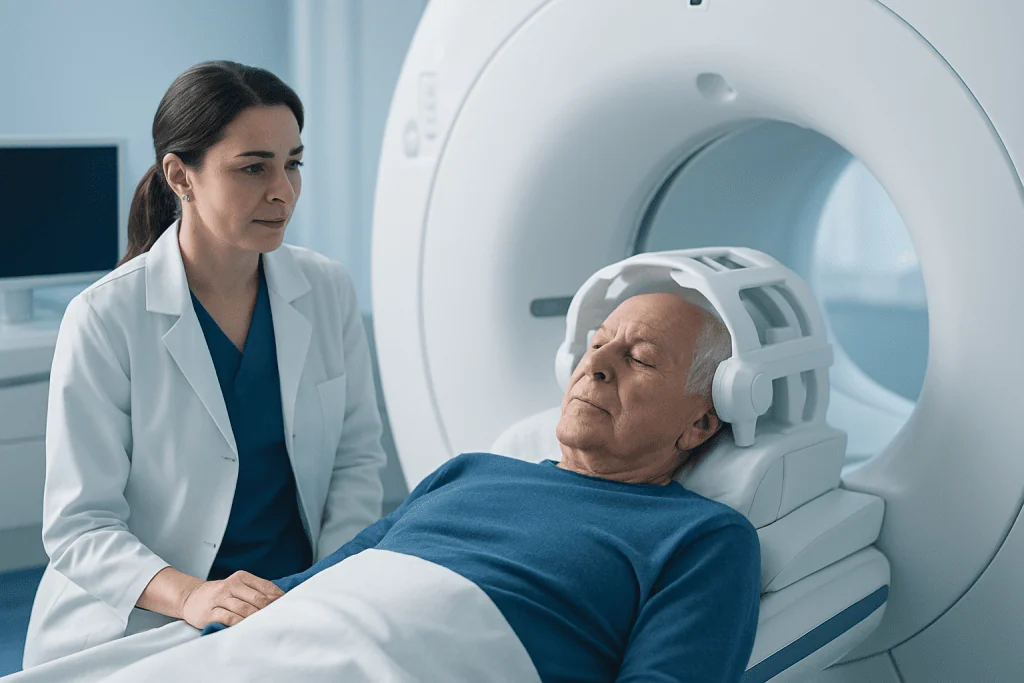
Memory concerns are among the most common reasons for a geriatric neurology visit. An older adult may misplace items, repeat questions, struggle with appointments, have trouble managing finances, or become lost in familiar places. Mild forgetfulness can happen with stress, poor sleep, pain, low mood, or medication effects, but progressive memory loss or changes in judgment deserve medical evaluation.
Balance problems may appear as unsteadiness, dizziness, slower walking, fear of falling, or difficulty turning. Some people describe lightheadedness when standing, while others feel that their feet do not sense the floor well. Balance depends on several systems working together, including vision, inner ear function, muscle strength, joint health, sensation in the feet, blood pressure control, and brain coordination.
Nerve problems often cause numbness, burning, tingling, pins-and-needles sensations, cramps, or weakness, especially in the feet and hands. Peripheral neuropathy, nerve compression, spinal problems, vitamin deficiencies, diabetes, kidney disease, thyroid disease, and some medications may contribute. When nerve symptoms affect walking or hand function, early assessment can reduce complications and guide treatment.
Other symptoms seen in older adults include tremor, stiffness, slowed movement, headaches, fainting episodes, sleepiness during the day, speech changes, swallowing difficulty, double vision, and changes after stroke. A symptom diary, medication list, and observations from family members can be very helpful during the appointment.
Causes and Risk Factors

Neurological symptoms in later life may come from many different causes. Some are degenerative conditions, meaning they gradually affect brain or nerve cells over time. Others are vascular, metabolic, inflammatory, infectious, traumatic, medication-related, or related to sleep and mood. Because several causes can look similar, a diagnosis should be made through careful clinical evaluation rather than assumptions.
Memory and thinking changes may be related to mild cognitive impairment, dementia, depression, sleep disorders, thyroid problems, vitamin B12 deficiency, medication effects, alcohol use, or previous strokes. Conditions grouped under neurodegenerative diseases can affect memory, language, behavior, movement, or a combination of these abilities. Identifying the pattern of change helps guide the next steps.
Balance and walking problems may be linked to peripheral neuropathy, Parkinsonian syndromes, prior stroke, spinal stenosis, arthritis, poor vision, vestibular disorders, low blood pressure on standing, dehydration, or sedating medications. Falls are often multifactorial, meaning more than one issue contributes. This is why evaluation may include both neurological and general medical review.
Risk factors for neurological problems in older adults include age, family history, diabetes, high blood pressure, high cholesterol, smoking, heavy alcohol intake, head injury, physical inactivity, untreated hearing or vision impairment, and social isolation. Many risks can be modified with good medical care and daily habits, even when age or genetics cannot be changed.
Diagnosis and Assessment
A geriatric neurological assessment usually begins with a detailed conversation about symptoms, timing, daily function, medical history, sleep, mood, falls, and medications. It is important to include prescription medicines, over-the-counter products, herbal supplements, and sleep aids, because some can affect balance, alertness, blood pressure, or memory. With the patient’s permission, input from a family member or caregiver may clarify changes that happen at home.
The neurological examination may assess memory, attention, language, eye movements, facial strength, reflexes, coordination, walking pattern, muscle tone, sensation, and balance. Cognitive screening tests can help identify whether further evaluation is needed. More detailed neuropsychology assessment may be recommended when memory, language, problem-solving, mood, or decision-making ability needs careful measurement.
Tests are chosen according to the person’s symptoms and health status. Blood tests may look for anemia, infection, thyroid disease, vitamin deficiencies, kidney or liver problems, inflammation, or metabolic issues. Brain imaging, such as CT or MRI, may be used to look for stroke, bleeding, tumors, fluid buildup, or patterns of brain change. In some cases, clinicians may request EEG, sleep studies, nerve conduction studies, electromyography, or vascular imaging.
Diagnosis is often a stepwise process. For example, a person with falls may need assessment of neuropathy, medications, blood pressure, vision, and gait strength. A person with memory symptoms may need screening for reversible contributors before a long-term cognitive diagnosis is made. This careful approach helps avoid unnecessary tests while still addressing important warning signs.
Treatment Options
Treatment depends on the diagnosis, symptom severity, the person’s goals, and other medical conditions. In many cases, treatment is combined rather than based on one medicine or one procedure. A plan may include medication changes, disease-specific medicines, physical therapy, occupational therapy, speech and swallowing therapy, nutrition support, sleep treatment, pain management, and caregiver education.
For memory disorders, care may include treatment of reversible contributors, support for sleep and mood, cognitive strategies, safety planning, and, when appropriate, medications that may help with symptoms in selected conditions. Families may be guided on routines, reminders, home organization, driving safety, financial planning, and advance care discussions. These conversations are most helpful when they begin early and respectfully.
For movement and balance problems, therapy may focus on strength, gait training, flexibility, posture, assistive devices, and fall prevention. Conditions involving tremor, stiffness, slowness, or involuntary movements may be evaluated within movement disorders care. Medication decisions require caution in older adults because benefits must be balanced with possible dizziness, confusion, low blood pressure, or interactions with other medicines.
Nerve and muscle conditions may be managed by treating the underlying cause, improving blood sugar or vitamin status when relevant, adjusting medications, relieving nerve pain, and supporting mobility. Specialized evaluation of neuromuscular diseases may be needed when weakness, muscle wasting, swallowing difficulty, or abnormal nerve tests are present. Treatment plans should be reviewed regularly because needs can change over time.
Prevention and Self-care
While not all neurological conditions can be prevented, many daily habits support brain, nerve, and balance health. Regular physical activity, when medically safe, helps strength, circulation, mood, sleep, and walking confidence. Activities may include walking, supervised balance exercises, stretching, water-based exercise, or strength training adapted to the person’s ability.
Good control of blood pressure, diabetes, cholesterol, heart rhythm disorders, and sleep apnea can reduce the burden on the brain and blood vessels. A balanced diet, adequate hydration, limited alcohol, smoking cessation, hearing and vision correction, and regular dental and medical care also support overall function. Social engagement and mentally stimulating activities can help maintain cognitive resilience.
Fall prevention is a key part of geriatric neurological care. Practical steps may include removing loose rugs, improving lighting, using handrails, wearing supportive shoes, keeping frequently used items within reach, and reviewing medications that cause sleepiness or dizziness. A cane, walker, or other device should be fitted and taught properly rather than used without guidance.
Self-care also includes knowing when to ask for help. Older adults may minimize symptoms because they fear losing independence, but assessment often provides options that preserve independence. Families can help by observing changes, encouraging appointments, and supporting safe routines without taking over more than necessary.
Living With a Neurological Condition in Later Life
Living with a neurological condition can affect more than physical health. It may influence confidence, communication, relationships, finances, driving, hobbies, and home safety. A reassuring care plan should include the patient’s preferences, cultural background, family support, and realistic goals for daily life.
Rehabilitation and adaptive strategies can make a meaningful difference. Occupational therapists may suggest ways to simplify dressing, bathing, cooking, and medication organization. Physical therapists can work on balance and walking. Speech and language therapists may help with speech clarity, memory strategies, or swallowing safety. Dietitians, psychologists, social workers, and nurses may also be involved depending on the situation.
Caregivers should be included with consent, because they often notice changes and help carry out recommendations. At the same time, the older adult’s dignity and decision-making role should be protected as much as possible. Open communication about goals, fears, and practical needs can reduce stress for everyone involved.
For international patients, Acibadem International provides access to multidisciplinary specialists and JCI-accredited hospitals that diagnose and treat neurological conditions in older adults. Care decisions should always be made after an individual medical evaluation and discussion with qualified clinicians.
When to See a Doctor
An older adult should see a doctor if memory loss is worsening, daily tasks are becoming difficult, balance problems are causing near-falls or falls, or numbness and weakness are interfering with walking or hand use. Evaluation is also important for new tremor, stiffness, changes in speech, swallowing problems, persistent dizziness, unexplained fainting, or new headaches.
Some symptoms require urgent medical attention. These include sudden weakness or numbness on one side of the body, facial drooping, trouble speaking, sudden confusion, sudden vision loss, a severe unusual headache, seizure, sudden trouble walking, or loss of consciousness. These may be signs of stroke or another emergency and should not be watched at home.
It is helpful to prepare for the appointment by bringing a medication list, previous test results, hearing aids or glasses, and notes about when symptoms started. Families can write down specific examples, such as missed bills, repeated falls, getting lost, or changes in personality. Clear information helps the neurologist focus the evaluation and choose the most appropriate next steps.
Frequently asked questions
Is memory loss always a sign of dementia?
No. Memory problems can be caused by poor sleep, stress, depression, medication effects, thyroid disease, vitamin deficiency, infection, pain, or other medical issues. Dementia is one possible cause, especially when memory loss is progressive and affects daily life. A medical evaluation helps identify treatable contributors and clarify the diagnosis.
Are balance problems normal with aging?
Mild slowing and reduced strength can occur with age, but repeated falls, near-falls, or new unsteadiness should be assessed. Balance depends on nerves, muscles, joints, vision, the inner ear, blood pressure, and brain coordination. Many contributing factors can be improved with treatment, therapy, or safety changes.
What causes numbness and burning in the feet in older adults?
Numbness, tingling, or burning in the feet may be caused by peripheral neuropathy, diabetes, vitamin deficiencies, thyroid disease, kidney disease, spinal problems, alcohol use, or medication effects. The pattern of symptoms and nerve examination help guide testing. Treatment depends on the underlying cause and may include pain control, rehabilitation, and management of medical conditions.
What should families bring to a geriatric neurology appointment?
Families should bring a complete medication and supplement list, previous imaging or laboratory results, details about falls, and examples of memory or behavior changes. It can help to note when symptoms began and whether they are stable, fluctuating, or worsening. With the patient’s permission, caregiver observations can be very useful.
Can neurological decline in older adults be slowed?
In some conditions, treatment can slow progression, reduce symptoms, or prevent complications. Even when a condition cannot be cured, rehabilitation, medication review, exercise, sleep treatment, chronic disease control, and home safety changes can improve daily function. Early evaluation gives the best opportunity to address reversible factors.
When is memory or balance trouble an emergency?
Sudden weakness, facial drooping, trouble speaking, sudden confusion, sudden vision loss, a severe unusual headache, seizure, or sudden inability to walk requires urgent medical care. These symptoms may indicate stroke or another serious neurological event. It is safer to seek emergency assessment rather than wait to see if symptoms pass.
References
- World Health Organization
- National Institute on Aging
- American Academy of Neurology
- Alzheimer’s Association
- Mayo Clinic
This article is for general information only and is not a substitute for professional medical advice. Please consult a qualified doctor about your individual situation.
Geriatric Neurology in Turkey — costs, top hospitals & a free quote
JCI-accredited · board-certified surgeons · reply within 24h
Check your numbers in seconds
BMI, calories, due date, blood pressure and 30+ more clinical calculators — free, instant, doctor-reviewed ranges.

Related Treatments
Related Conditions
More from the Health Library



Related Specialists

Prof. Dr. Ayşe Sağduyu Kocaman
Neurology
Prof. Dr. Mehmet Zafer Berkman
Neurosurgery
Prof. Dr. Pınar Yalınay Dikmen
Neurology
Prof. Dr. Elif Ilgaz Aydınlar
Neurology