Gestation — Explained by Medical Evidence, Not Myths

Gestation is the medical term for the duration of pregnancy, usually counted in weeks. Gestational age is commonly measured from the first day of the last menstrual period, not from the exact day of conception.
Key Takeaways
- Gestation is the medical term for the duration of pregnancy, usually counted in weeks.
- Gestational age is commonly measured from the first day of the last menstrual period, not from the exact day of conception.
- A full-term pregnancy is typically around 40 weeks, divided into three trimesters.
- Regular prenatal care helps monitor fetal growth, maternal health, and pregnancy timing.
- Ultrasound, menstrual history, and physical assessment help confirm gestational age.
- Urgent medical care is needed for warning signs such as heavy bleeding, severe pain, or reduced fetal movement later in pregnancy.
Gestation is the length of pregnancy, measured from the first day of the last menstrual period until birth. In medical practice, it describes both how far a pregnancy has progressed and the expected changes in the pregnant person and developing fetus over time.
What gestation means in medicine
Gestation is the medical term for the time a pregnancy lasts, from the beginning of pregnancy until birth. In everyday use, people may think of gestation simply as “being pregnant,” but in healthcare it has a more precise meaning: it helps clinicians describe how far a pregnancy has progressed and what developmental milestones are expected at that point.
Most pregnancies are described in weeks of gestation rather than months because week-by-week tracking is more accurate. A full-term pregnancy is usually about 40 weeks. This timing helps guide prenatal visits, screening tests, ultrasound timing, labor planning, and decisions if pregnancy-related complications arise.
One point that often causes confusion is that gestation is usually counted from the first day of the last menstrual period, not from the day of fertilization. Because ovulation and conception can vary from cycle to cycle, this standard method gives clinicians a common reference point. When dates are uncertain, ultrasound can help estimate gestational age more accurately.
How gestational age is measured
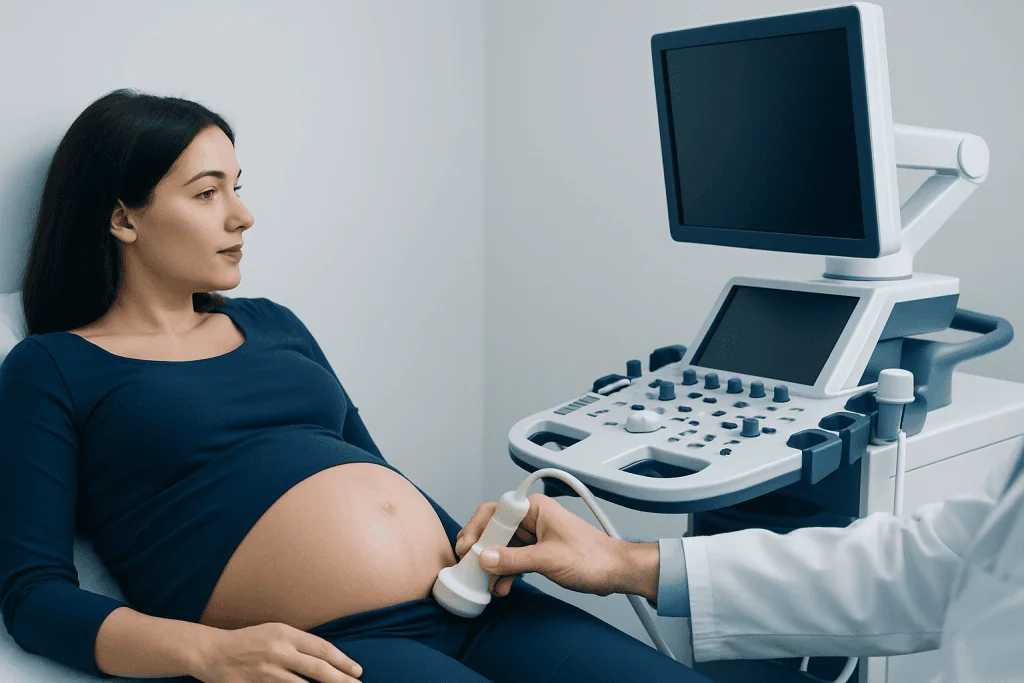
Gestational age refers to the age of the pregnancy. It is generally measured from the first day of the pregnant person’s last menstrual period. This means that when a person is said to be 6 weeks pregnant, conception usually occurred about 4 weeks earlier, not 6.
Healthcare professionals may use several methods to estimate gestational age. These include menstrual history, physical examination, and ultrasound findings. Early ultrasound is especially helpful when cycles are irregular, the last menstrual period is unknown, or there is a difference between expected and observed fetal size.
Terms used to describe pregnancy timing include:
- Embryonic period: the early stage when major organs begin forming.
- Fetal period: the stage after the embryo becomes a fetus, when growth and maturation continue.
- Preterm: birth before 37 completed weeks of gestation.
- Term: roughly 37 to 42 weeks, with 39 to 40 weeks often considered the ideal timing for many uncomplicated pregnancies.
- Post-term: pregnancy extending beyond 42 weeks.
Understanding gestational age matters because many medical recommendations are based on timing. For example, certain blood tests, ultrasounds, and decisions about delivery depend on how many weeks pregnant a person is, not just on symptoms.
What happens during the stages of gestation

Gestation is often divided into three trimesters, each with characteristic changes. In the first trimester, the fertilized egg implants in the uterus, the placenta begins to form, and major fetal organs start developing. This is also the period when symptoms such as nausea, breast tenderness, fatigue, and frequent urination commonly begin.
During the second trimester, many people notice increasing energy and a visible pregnancy bump. The fetus grows rapidly, bones strengthen, and movements may start to be felt. Anatomy scans performed during this period can assess growth and look for structural concerns. Depending on individual findings, doctors may also evaluate issues such as placenta previa or other causes of bleeding in pregnancy.
In the third trimester, the fetus gains more weight, the lungs continue to mature, and the body prepares for labor. The pregnant person may experience back pain, sleep disturbance, shortness of breath, swelling, or more frequent contractions known as Braxton Hicks contractions. Monitoring becomes especially important if there are signs of high blood pressure, diabetes in pregnancy, reduced fetal movement, or preterm labor.
Although these stages are medically defined, every pregnancy is somewhat different. Symptoms vary widely, and the absence of a particular symptom does not always mean there is a problem. What matters most is regular prenatal follow-up and checking any concerning changes with a qualified clinician.
Common symptoms and normal body changes during gestation
Many physical and emotional changes are part of normal gestation. Common early symptoms include missed periods, nausea or vomiting, tiredness, breast changes, bloating, and increased urination. As pregnancy progresses, heartburn, constipation, leg cramps, mild swelling, and sleep disruption may also occur.
These changes happen because hormones, blood volume, metabolism, and the uterus itself are changing to support fetal growth. For example, rising progesterone can slow digestion, while increased blood flow can affect the skin, gums, and nasal passages. It is also common for mood to shift during pregnancy due to hormonal changes, stress, and sleep disruption.
Not all discomforts are harmless, however. Severe vomiting with dehydration, vaginal bleeding, fluid leakage, persistent severe headache, chest pain, or sudden swelling need prompt evaluation. Symptoms may be caused by common pregnancy changes, but they can also signal complications that should not be ignored.
Some pregnancies require closer follow-up because of underlying conditions or pregnancy-specific disorders. Examples include preeclampsia, multiple pregnancy, or fetal growth concerns. In such situations, careful monitoring helps protect both maternal and fetal health.
Factors that affect gestation and pregnancy health
Gestation itself is a normal biological process, but many factors can influence how pregnancy progresses. Maternal age, preexisting health conditions, nutrition, smoking, alcohol use, substance exposure, infections, and stress can all affect maternal well-being and fetal development. Access to prenatal care is also a major factor in identifying concerns early.
Medical conditions such as diabetes, thyroid disease, high blood pressure, anemia, kidney disease, or autoimmune disorders may require extra monitoring during pregnancy. Some people also develop conditions that begin during gestation, such as gestational diabetes. These conditions do not define every pregnancy outcome, but they do change follow-up needs and treatment planning.
Risk can also be influenced by prior pregnancy history. Previous miscarriage, preterm birth, cesarean birth, fetal growth restriction, or pregnancy loss may shape how a current pregnancy is monitored. Family history, genetic conditions, and medication use are also important parts of prenatal assessment.
Many risks can be reduced with supportive care. Folic acid before conception and in early pregnancy, a balanced diet, recommended vaccines, avoidance of tobacco and alcohol, appropriate exercise, and management of chronic conditions all help support a healthier gestation.
How doctors monitor gestation and fetal development
Prenatal care is the main way doctors monitor gestation. Visits typically include blood pressure checks, weight review, discussion of symptoms, urine testing when appropriate, and assessment of fetal growth and heartbeat. The schedule may become more frequent as pregnancy advances or if higher-risk conditions are present.
Ultrasound plays an important role in dating the pregnancy and checking fetal development. An early ultrasound can help confirm gestational age, location of the pregnancy, and number of fetuses. Later scans may evaluate anatomy, growth, amniotic fluid, placental position, and fetal well-being. When concerns arise, doctors may recommend more detailed imaging or fetal surveillance. In some settings, pregnancy monitoring may be combined with ultrasound assessments and laboratory testing to build a clearer picture.
Blood tests and screening tests are often offered during gestation to assess blood type, anemia, infections, and the chance of certain chromosomal conditions. If needed, more specialized evaluations may include genetic testing or consultation with maternal-fetal medicine specialists. In some pregnancies, fetal medicine and perinatology support helps guide care when complex maternal or fetal issues are suspected.
The goal of monitoring is not simply to “measure the baby.” It is to understand whether the pregnancy is progressing as expected, whether the parent remains well, and whether any problem needs treatment or closer follow-up.
Supporting a healthy gestation: prevention and self-care
Healthy habits before and during pregnancy can support a safer gestation. Taking prenatal vitamins with folic acid, eating a varied and balanced diet, staying hydrated, getting regular sleep, and following recommended physical activity are simple but important steps. A clinician can advise on appropriate weight gain, nutrition, and exercise based on the individual pregnancy.
Avoiding smoking, alcohol, and non-prescribed drugs is strongly advised during gestation. It is also important to check with a doctor before taking over-the-counter medicines, herbal products, or supplements, since some are not recommended in pregnancy. Travel, work activity, sexual activity, and exercise are often safe in uncomplicated pregnancies, but advice should be individualized.
Mental health deserves attention as well. Anxiety, low mood, and stress can affect quality of life during pregnancy and may need support. Reaching out early for help is a positive step, not a sign of weakness. Support from family, community, and healthcare professionals can make pregnancy easier to manage.
Near the end of pregnancy, clinicians may discuss signs of labor, birth planning, breastfeeding preparation, and postpartum recovery. For international patients who need coordinated pregnancy care, Acibadem International’s multidisciplinary specialists and JCI-accredited hospitals diagnose and treat pregnancy-related conditions with individualized planning.
When to seek medical care
Pregnant people should contact a healthcare professional whenever they are unsure about symptoms, especially if something feels different from usual. Even symptoms that turn out to be minor are worth discussing when they occur during gestation.
Medical evaluation is especially important for heavy vaginal bleeding, severe abdominal pain, severe or persistent headache, vision changes, fluid leaking from the vagina, fever, chest pain, fainting, shortness of breath, or swelling that appears suddenly. Later in pregnancy, reduced or absent fetal movement should be assessed promptly.
Urgent care is also needed for signs of labor that occur too early, such as regular contractions before term, pelvic pressure, or back pain with cervical change. People with high blood pressure, diabetes, multiple pregnancy, prior pregnancy complications, or other medical conditions should follow their care plan closely and report changes early.
Gestation is a normal process, but careful medical follow-up helps distinguish expected pregnancy changes from signs that need treatment. A timely call to a doctor or maternity unit can provide reassurance and, when needed, faster care.
Frequently asked questions
Is gestation the same as pregnancy?
Gestation refers specifically to the duration and progression of pregnancy from conception-related timing to birth. In everyday language, the terms are often used interchangeably, but in medicine gestation usually emphasizes timing, development, and expected milestones.
How long is human gestation?
Human gestation is typically about 40 weeks when counted from the first day of the last menstrual period. This is the standard way doctors date pregnancy, even though fertilization usually happens about two weeks later.
Why do doctors count gestation from the last menstrual period?
The exact day of conception is often hard to know, while the first day of the last menstrual period is usually easier to identify. Using this method gives a consistent medical reference point for estimating due dates and scheduling tests.
Can gestational age change after an ultrasound?
Yes, especially early in pregnancy. If an ultrasound measurement differs significantly from the date based on menstrual history, the clinician may adjust the estimated due date to better reflect fetal development.
What is considered full-term gestation?
A pregnancy is generally considered term between 37 and 42 weeks, though 39 to 40 weeks is often seen as the optimal timing for many uncomplicated pregnancies. The best timing for delivery can vary depending on maternal and fetal health.
What can affect the health of gestation?
Many factors can influence pregnancy health, including age, nutrition, chronic disease, infections, smoking, alcohol use, medication exposure, and access to prenatal care. Regular checkups help identify concerns early and guide safer care.
When should someone seek urgent help during gestation?
Urgent medical advice is needed for heavy bleeding, severe pain, fluid leakage, trouble breathing, fainting, seizures, severe headache, vision changes, or reduced fetal movement later in pregnancy. If there is uncertainty, it is safer to contact a healthcare professional promptly.
This article is for general information only and is not a substitute for professional medical advice. Please consult a qualified doctor about your individual situation.
Explore treatments in Turkey — costs, top hospitals & a free quote
JCI-accredited · board-certified surgeons · reply within 24h
Add us as a Preferred Source to see more of our trusted health content across Google Search, AI Overviews and Discover.
Check your numbers in seconds
BMI, calories, due date, blood pressure and 30+ more clinical calculators — free, instant, doctor-reviewed ranges.

More from the Health Library

Harmonious Hemianopia: What Patients Need to Know

Left Lung — Explained by Medical Evidence, Not Myths

Flow Volume Loop: An Evidence-Based Guide for Patients

Tympanometry: A Complete Medical Overview

Brain Aneurysm: An Evidence-Based Guide for Patients