Glaucoma: Silent Vision Loss and How It Is Treated
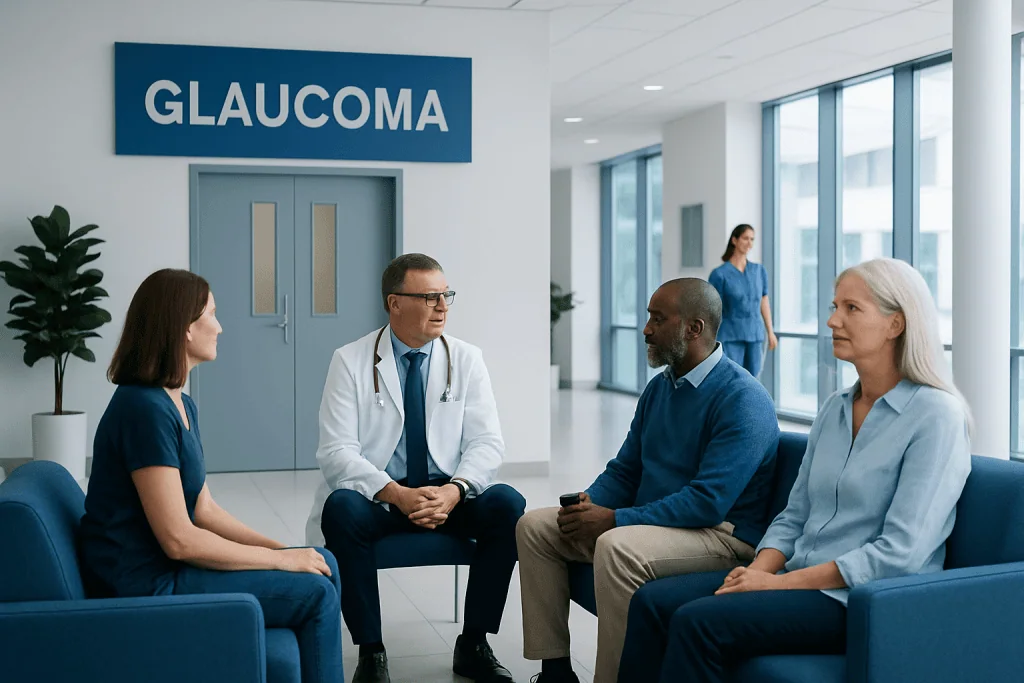
Glaucoma often develops silently, so routine comprehensive eye exams are essential, especially for people with risk factors. The condition is commonly linked to increased eye pressure, but glaucoma can also occur when eye pressure is within the normal range.
Key Takeaways
- Glaucoma often develops silently, so routine comprehensive eye exams are essential, especially for people with risk factors.
- The condition is commonly linked to increased eye pressure, but glaucoma can also occur when eye pressure is within the normal range.
- Vision already lost from glaucoma usually cannot be restored, but treatment can slow or prevent further damage.
- Treatment options include prescription eye drops, laser procedures, and surgery, chosen according to the type and severity of glaucoma.
- People diagnosed with glaucoma need long-term follow-up because the condition is usually chronic and requires monitoring.
Glaucoma is a group of eye diseases that damage the optic nerve, often slowly and without early symptoms. With regular eye exams and timely treatment, many people can protect their remaining vision and continue daily life with confidence.
Overview
Glaucoma is a group of eye conditions that damage the optic nerve, the cable-like structure that carries visual information from the eye to the brain. Because the optic nerve is essential for sight, ongoing damage can lead to permanent vision loss if glaucoma is not detected and managed. The most common forms progress gradually and may not cause pain or noticeable symptoms in the early stages.
The condition is often associated with raised intraocular pressure, commonly called eye pressure. This pressure is related to the balance between fluid production and drainage inside the eye. When the drainage system does not work well, fluid can build up and pressure may rise, increasing the risk of optic nerve damage. However, glaucoma can also occur in people whose eye pressure is not considered high, which is why a full eye examination is more informative than a pressure check alone.
Glaucoma is sometimes described as a cause of “silent vision loss” because peripheral, or side, vision is usually affected first. A person may continue reading, driving, or working without realizing that the edges of the visual field are narrowing. The reassuring message is that modern diagnosis and treatment can help many patients slow the disease and preserve useful vision when care is started early and followed consistently.
Types of Glaucoma
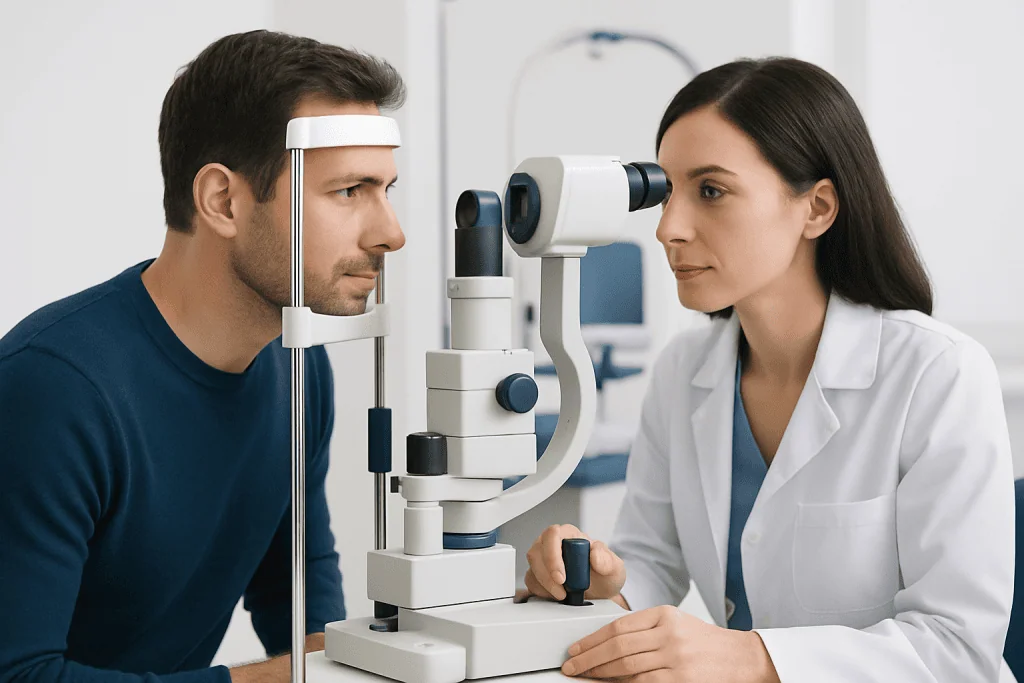
The most common type is primary open-angle glaucoma. In this form, the eye’s drainage angle remains open, but fluid leaves the eye less efficiently over time. Pressure may rise gradually, and optic nerve damage can develop slowly. Because symptoms are usually absent at first, primary open-angle glaucoma is often found during routine eye examinations.
Angle-closure glaucoma is less common but can be more urgent. It occurs when the drainage angle becomes narrowed or blocked, which can cause a sudden rise in eye pressure in some cases. Acute angle-closure glaucoma may cause eye pain, redness, blurred vision, halos around lights, headache, nausea, or vomiting. These symptoms require immediate medical attention because prompt treatment can prevent serious vision damage.
Other forms include normal-tension glaucoma, in which optic nerve damage occurs despite eye pressure measurements within the typical range, and secondary glaucoma, which develops due to another eye or health condition. Secondary causes may include eye injury, inflammation, certain medications such as corticosteroids, advanced cataracts, or complications of diabetes. Congenital and childhood glaucoma are rare forms that occur in babies or children and require specialist evaluation.
Symptoms and How Vision Changes
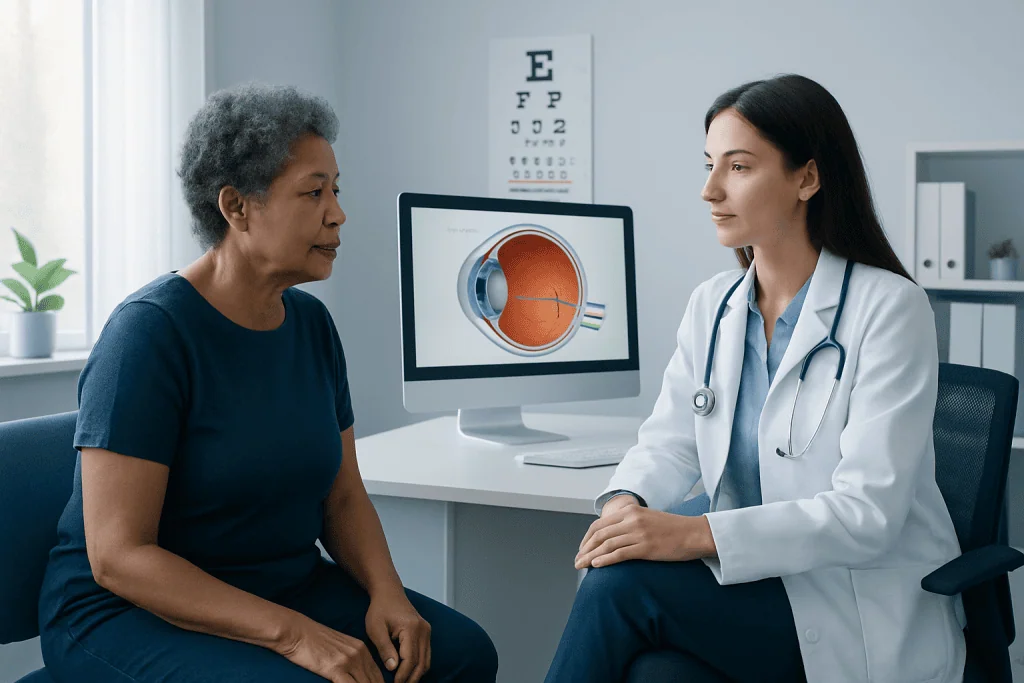
In early open-angle glaucoma, most people have no discomfort and no obvious change in vision. Central vision, which is used for reading and recognizing faces, is often preserved until later stages. This is one reason glaucoma may go unnoticed without testing of the optic nerve and visual field.
As the disease progresses, a person may lose parts of peripheral vision. They may bump into objects, have difficulty noticing steps or curbs, or feel less confident in dim lighting. In advanced glaucoma, the remaining field of vision can become very narrow, sometimes described as tunnel vision. Vision loss from glaucoma is typically permanent because damaged optic nerve fibers do not regenerate in a way that restores sight.
Symptoms that appear suddenly should not be ignored. Severe eye pain, sudden blurred vision, halos around lights, a red eye, headache, or nausea may suggest acute angle closure or another urgent eye problem. Even when symptoms improve, a person should seek emergency eye care, because intermittent pressure rises can still harm the optic nerve.
Causes and Risk Factors
Glaucoma develops when the optic nerve becomes vulnerable to damage. Elevated eye pressure is an important risk factor, but it is not the only one. The health of the optic nerve, blood flow, age, genetics, and eye anatomy all play a role. Some people with high eye pressure never develop glaucoma, while others develop optic nerve damage at lower pressure levels.
Risk increases with age, especially after middle age. A family history of glaucoma is also important, particularly if a parent or sibling has been diagnosed. Other risk factors include very high or very low refractive errors, thin corneas, previous eye injury or surgery, long-term corticosteroid use, and certain medical conditions such as diabetes, high blood pressure, migraine, or circulatory problems. People of African, Asian, or Hispanic ancestry may have higher risk for specific types of glaucoma.
Risk factors do not mean that glaucoma will definitely occur, but they help determine how often eye examinations are needed. A person with several risk factors may benefit from more frequent monitoring, even if vision seems normal. Early identification gives the eye specialist an opportunity to detect subtle optic nerve changes before daily life is affected.
Diagnosis
Glaucoma diagnosis is based on a comprehensive eye examination, not on a single test. The ophthalmologist or optometrist evaluates eye pressure, optic nerve appearance, the drainage angle, corneal thickness, and visual field function. These findings are considered together to decide whether glaucoma is present, whether it is likely to progress, and what treatment may be appropriate.
Common tests include tonometry to measure intraocular pressure and ophthalmoscopy or optic nerve imaging to examine the nerve at the back of the eye. Optical coherence tomography, often called OCT, can measure the thickness of nerve fiber layers and detect structural changes. A visual field test checks for areas of reduced side vision that the patient may not notice. Gonioscopy may be used to examine the drainage angle and distinguish open-angle from angle-closure forms.
Because glaucoma can change slowly, diagnosis and follow-up often involve comparing results over time. A single slightly abnormal result may need confirmation, while progressive changes across repeated tests can be more meaningful. Patients are encouraged to keep appointments and bring previous eye records when possible, as past measurements help the doctor understand the pattern of disease.
Treatment Options
The main goal of glaucoma treatment is to lower eye pressure to a level that reduces the risk of further optic nerve damage. This target pressure is individualized. It depends on the type of glaucoma, the amount of existing optic nerve damage, the starting pressure, age, other health conditions, and how quickly the disease appears to be progressing. Treatment cannot usually restore vision already lost, but it can help protect remaining sight.
Prescription eye drops are often the first treatment for open-angle glaucoma. Different classes of drops either reduce fluid production inside the eye or improve fluid drainage. Some patients need one medicine, while others need a combination. Correct use is important: drops should be taken as prescribed, and patients should tell their doctor about side effects, allergies, difficulty applying drops, or other medicines they use. The doctor may adjust the plan if treatment is not effective or not well tolerated.
Laser treatment may be recommended for some patients. Selective laser trabeculoplasty can improve drainage in open-angle glaucoma and may reduce the need for drops in selected cases. Laser peripheral iridotomy is commonly used for narrow angles or angle-closure risk, creating a small opening in the iris to help fluid flow. These procedures are usually performed as outpatient treatments, but follow-up remains necessary.
Surgery may be considered when drops and laser therapy do not control pressure adequately or when advanced disease requires stronger pressure reduction. Options include trabeculectomy, glaucoma drainage devices, and minimally invasive glaucoma surgery, often called MIGS. Each procedure has benefits and risks, and the choice depends on the patient’s eye anatomy, severity of glaucoma, other eye conditions such as cataract, and overall treatment goals.
Prevention, Monitoring, and Self-Care
There is no guaranteed way to prevent all glaucoma, but early detection and consistent management can greatly reduce the chance of avoidable vision loss. Adults should have regular comprehensive eye examinations at intervals recommended by an eye care professional. People with risk factors, such as family history, high eye pressure, or previous eye injury, may need examinations more often.
For people already diagnosed with glaucoma, self-care means supporting the treatment plan. Medications should be used exactly as directed, even when vision feels normal. Setting reminders, linking drops to a daily routine, or asking a family member for support can help. Patients should not stop glaucoma drops without medical advice, because eye pressure can rise again and damage may continue silently.
General health habits also support eye health. Regular physical activity, good control of diabetes or blood pressure when present, not smoking, and using protective eyewear during high-risk activities may be beneficial. Patients should inform all healthcare providers about glaucoma, especially before starting steroid medications. At Acibadem International, multidisciplinary specialists in JCI-accredited hospitals evaluate and treat glaucoma for international patients, including those who need diagnostic testing, laser care, surgery, or long-term follow-up planning.
When to See a Doctor
A person should schedule an eye examination if they have not had a recent check-up, especially if they are over middle age or have risk factors for glaucoma. Blurred vision, difficulty with side vision, frequent changes in glasses prescription, or a known family history of glaucoma are all reasons to seek professional evaluation. Because early glaucoma is often symptom-free, waiting for noticeable vision problems is not recommended.
Urgent medical attention is needed for sudden eye pain, a red eye with blurred vision, halos around lights, headache, nausea, or vomiting. These symptoms may be related to acute angle-closure glaucoma or another eye emergency. Prompt assessment can help reduce pressure quickly and protect the optic nerve.
People living with glaucoma should keep regular follow-up appointments even when they feel well. The doctor may repeat pressure measurements, OCT imaging, and visual field testing to check whether the disease is stable. If treatment is no longer reaching the target pressure, the care plan can be adjusted before further vision is lost.
Frequently asked questions
Can glaucoma be cured?
Glaucoma is usually a chronic condition rather than a curable one. Treatment focuses on lowering eye pressure and slowing or preventing further optic nerve damage. With regular monitoring and consistent treatment, many people maintain useful vision for many years.
Does glaucoma always cause high eye pressure?
No. High eye pressure is a major risk factor, but some people develop glaucoma even when pressure readings are within the usual range. This is called normal-tension glaucoma, and it is one reason a complete optic nerve and visual field assessment is important.
Is vision loss from glaucoma reversible?
Vision already lost because of glaucoma is generally not reversible. The optic nerve fibers damaged by glaucoma do not recover in a way that restores normal sight. Early diagnosis is important because treatment can help protect the vision that remains.
Are glaucoma eye drops needed for life?
Many patients need long-term or lifelong treatment, but the plan may change over time. Some people can reduce their need for drops after laser treatment or surgery, while others may need additional medicines. A doctor should guide any change, because stopping drops suddenly can allow eye pressure to rise.
Is glaucoma surgery dangerous?
All surgery has possible risks, but glaucoma surgery is recommended only when the expected benefit outweighs those risks. The goal is to lower eye pressure when medicines or laser treatment are not enough. The eye surgeon explains the most suitable procedure, possible complications, recovery needs, and follow-up schedule.
How often should someone be checked for glaucoma?
The right interval depends on age, risk factors, eye pressure, optic nerve appearance, and previous test results. People with glaucoma may need follow-up several times a year, while those at lower risk may be checked less often. An eye care professional can recommend an individualized schedule.
References
- American Academy of Ophthalmology
- World Health Organization
- National Eye Institute
- European Glaucoma Society
- NICE Clinical Knowledge Summaries
This article is for general information only and is not a substitute for professional medical advice. Please consult a qualified doctor about your individual situation.
Glaucoma in Turkey — costs, top hospitals & a free quote
JCI-accredited · board-certified surgeons · reply within 24h
Add us as a Preferred Source to see more of our trusted health content across Google Search, AI Overviews and Discover.
Check your numbers in seconds
BMI, calories, due date, blood pressure and 30+ more clinical calculators — free, instant, doctor-reviewed ranges.

Ophthalmology
Comprehensive eye care from laser vision correction to retina, cornea and cataract surgery.
75 specialists in this unit